Great Wildebeest Migration Calendar in Serengeti
A lot of people say that the Great Wildebeest Migration is one of the most amazing wildlife shows on Earth, and Tanzania is home to almost the whole cycle. The Serengeti and Ngorongoro ecosystem is circled by over 1.5 million wildebeest, as well as over 200,000 zebras and gazelles. Because the herds are always moving, there is no best month.
To ensure that you prepare the best trip to see all of it, we'll show you where to find wildebeest in Tanzania, what wildlife drama is happening each month, and how to make the most of your time there. After a year, our trip comes full circle back to the Ndutu Plains in the south, which are on the border between Ngorongoro and Ngorongoro Conservation Area.
You will see razorback hyenas, lions stalking, and even crocodiles jumping out of the water at river crossings. What to expect by month is shown in each section below. It includes where to stay, what to see, and why. Upon completion, you will know exactly where the great migration herds are at all times and how to see this amazing and adorable story of life and survival for yourself.
What Makes the Great Migration Happen?
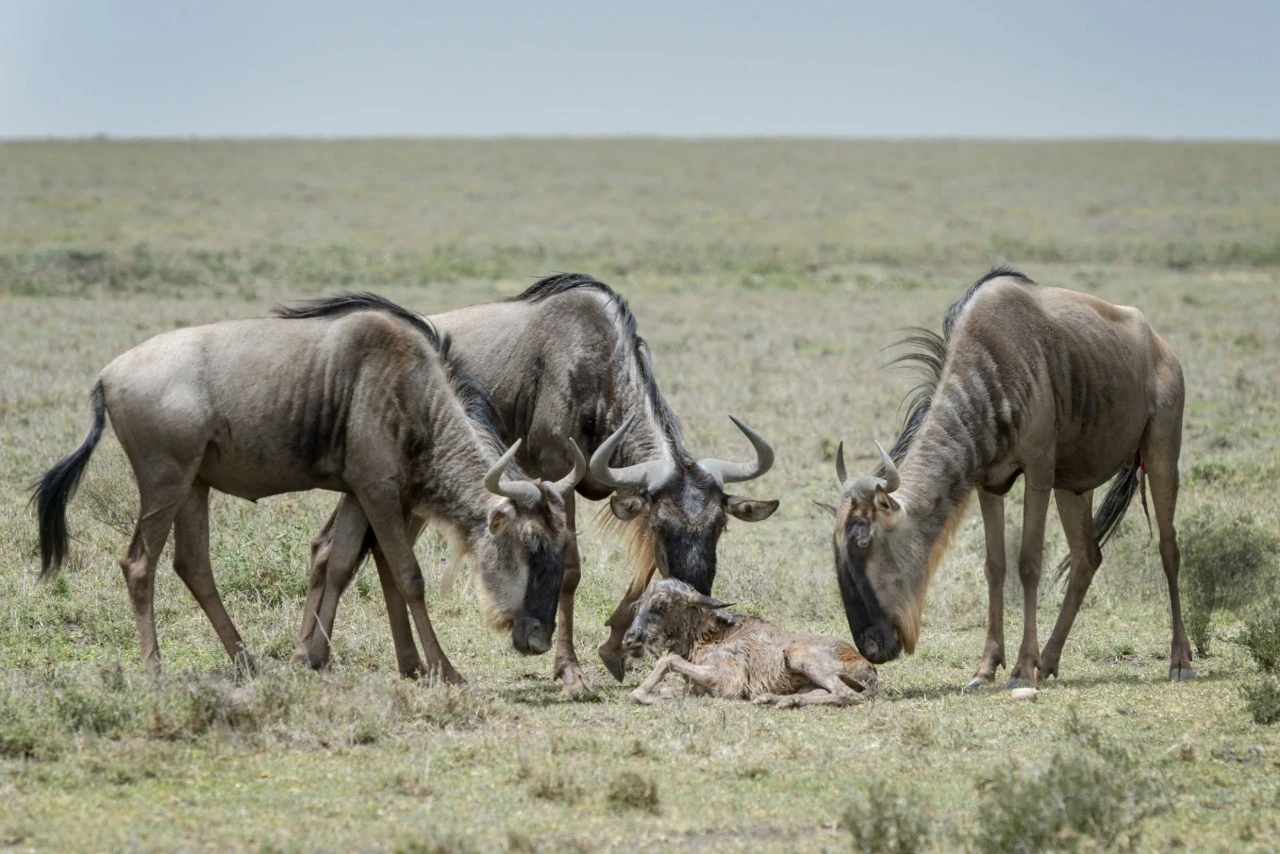
It's not random for wildebeest to move; it's a prearranged response to the rain. Around November or December, Tanzania gets small rains that make the grass grow quickly in the south. Between January and early March, when the grass is freshest and healthiest, more than 500,000 calves are born on the Ndutu plains at almost the exact same period.
Wildebeest calves usually stand up in their first minute of life, ready to follow the group. As the dry season gets closer, the grass in the south thins out, and the groups start to move north. Through April to May, the long rains introduce new life to the central and western Serengeti National Park. This is what draws the wildebeest through Seronera and toward the Grumeti River. Around July, they usually get to the Mara River in northern Tanzania, ready to cross into Kenya for the growing season. Once again, the herds cross the river after a few months of going back and forth. The loop is closed when it rains briefly in October and November.
In the simplest terms, rain writes the script. Herds are drawn to recent rains from up to 50 km away, using both smell and instinct to find them. Even though guides always highlight that the movement can happen on any given day, we only get a good idea of where it will be each month by looking at where it has been in past months.
How Many Wildebeest Migrate In Serengeti?
About 1.5–1.7 million blue wildebeest migrate. Another 260,000 zebras and almost 500,000 gazelles join them. The gazelles move a little differently than the wildebeest, but they often feed before them. Every year, almost 2 million animals with hooves cross between Tanzania and Kenya. A lot of animals live in this area.
The Serengeti National Park is home to over 3,000 lions, about 1,000 leopards, about 8,000 hyenas, and a huge number of cheetahs and Nile crocodiles. About 250,000 wildebeest die every year, either because they are eaten by animals or because they get too tired to walk. It's simple maths: this is how nature recycles nutrients to feed the next generation of grass. Still, about 500,000 new calves are born every season, so life stays in balance.
Month-by-Month Wildebeest Migration Calendar (Tanzania)
Here is a list of where the herds are, what they're doing, and what you'll see each month. Plan your trip around that time and place. Keep in mind that things can change even within a month if it rains early or late.
January: Calves are born in the southern Serengeti and Ngorongoro (Ndutu Plains)
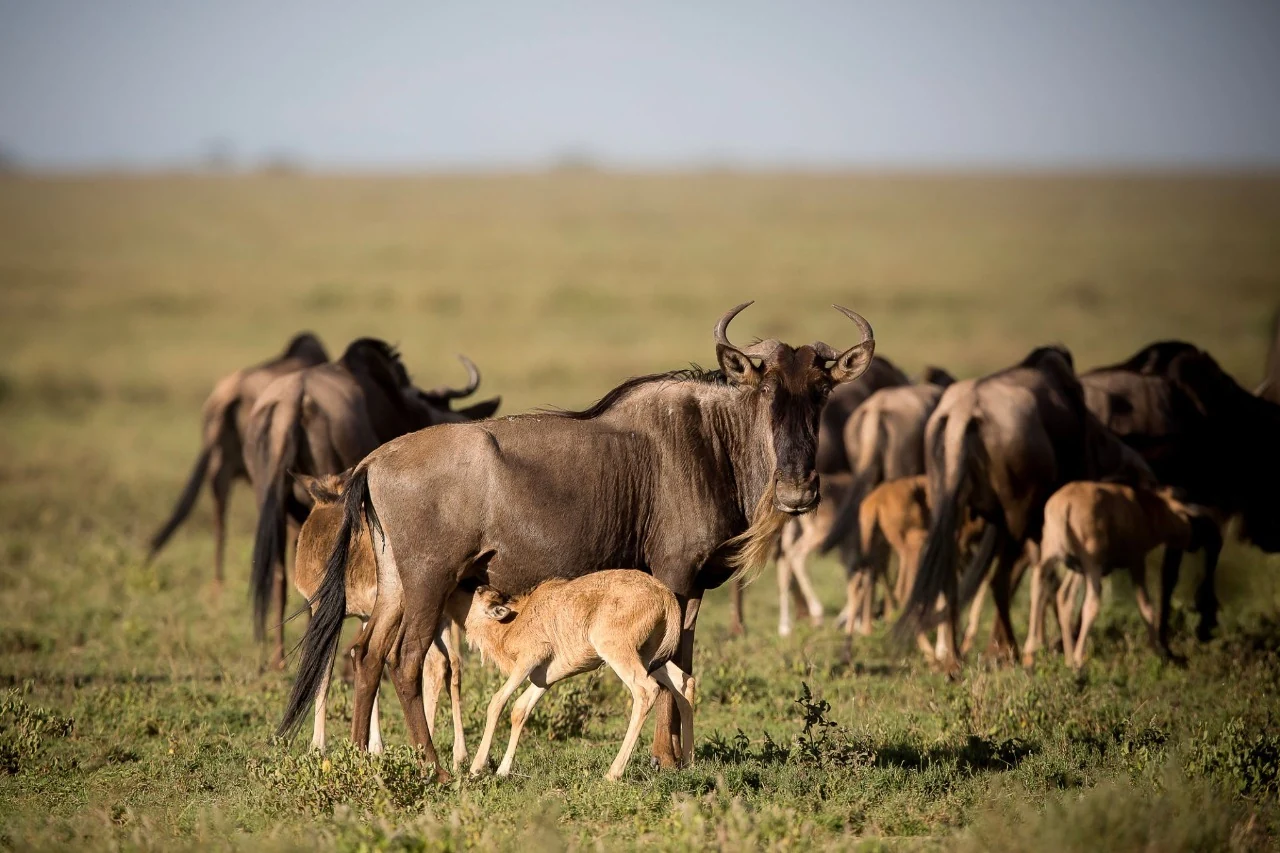
Most of the herds gather together on the short-grass plains of Ndutu in January. This is where the Ngorongoro Conservation Area line is. It is calving time. It's peak season, and every day more than 8,000 wildebeest calves are born. In a few weeks, that number can reach 500,000.
Because newborns are so weak, a huge number of lions, cheetahs, and especially hyenas come here to hunt, which gives a spice to morning game drives safaris in Serengeti National Park. "Many calves were swaying on their new legs, lion cubs were playing nearby, and cheetahs were running across open plains." Our guests said it was a memorable sight.
It can rain late in the month of January, making the grass very lush. By the middle or end of January, the fields are glowing green under clear skies.
- Where to stay: The Ndutu Safari Lodge and Serengeti Safari Camp's Ndutu Camp are both great mobile safari camps. In this setting, even simple tents can feel fancy.
- What you are going to see: There are all kinds of predators at work: lion packs working together, cheetahs racing across open fields, and groups of 20 to 30 hyenas following each calf. Also, flamingos and birds that live in wetlands often gather in the soda lakes nearby. Somewhat less busy (low to middling crowds) in January, so it's easier to see the peak of the movement without too many people in the way.
In February, breeding season peaks in the southern Serengeti (Ndutu)
Tanzania's wildebeest migrant show appears at its best in February. Every day, up to 8,000 calves are still being born. It's such a busy month of life and death that you might see numerous of hunts every day. A lot of our guests often recall "the roar of a lion echoing across Ndutu as hundreds of wildebeest rush for cover." It's movie-like.
Predators can't feed all the mouths that are there, so their success rate goes down. However, there are so many weak newborns on the open fields that action is always happening and easy to see.
- Where to stay: As January, southern Serengeti (Ndutu). Booking camps about a year ahead of time is recommended because this is a very popular time. Not many fixed hotels are in the Ndutu area. Serengeti Safari Camp and Ubuntu Camp are two popular premium tent options.
- What you'll see: February is a little busier than January, but it's still very easy to get around. Others who have been there say it made them feel like they were watching Life itself: "It was hard to look away from a single moment. Experience it up close and personal; it's usually one of the best things we suggest for trek veterans.
March: Herds move north from the southern to central Serengeti (Seronera)
Since March, the herds have been moving northward across the Serengeti, leaving Ndutu behind. There is not a single "departure day." Instead, tall columns begin to extend toward the north. Around Seronera in central Serengeti, the northernmost Ndutu groups show up in late March.
Since it had been raining for a long time and the grass was still green, the wildebeest scattered.
- Where to stay in Central Serengeti (Seronera/Kogatende area): The Seronera is still a great place to see lions and leopards all year, and now the first migrants have added to the beauty. This is often where we link to our 5-day or 7-day Serengeti or Tanzania safari tour packages (with choices for early May for the best grass).
- What you'll see: Not newborns, but huge moving herds. One of the most beautiful things to see in Africa is long lines of wildebeest heading through the trees. While they've been eating, lions and leopards are still around. In some cases, calves born a few weeks ago will even try to cross small streams for the first time. These columns look great against the dramatic sky in nature documentaries. It's easier to see whales of moving wildebeest than a single hunt, but you can see both if you look. It's still a great deal because there aren't many people around when you go.
April to May: Central and Western Serengeti (Long Rains)
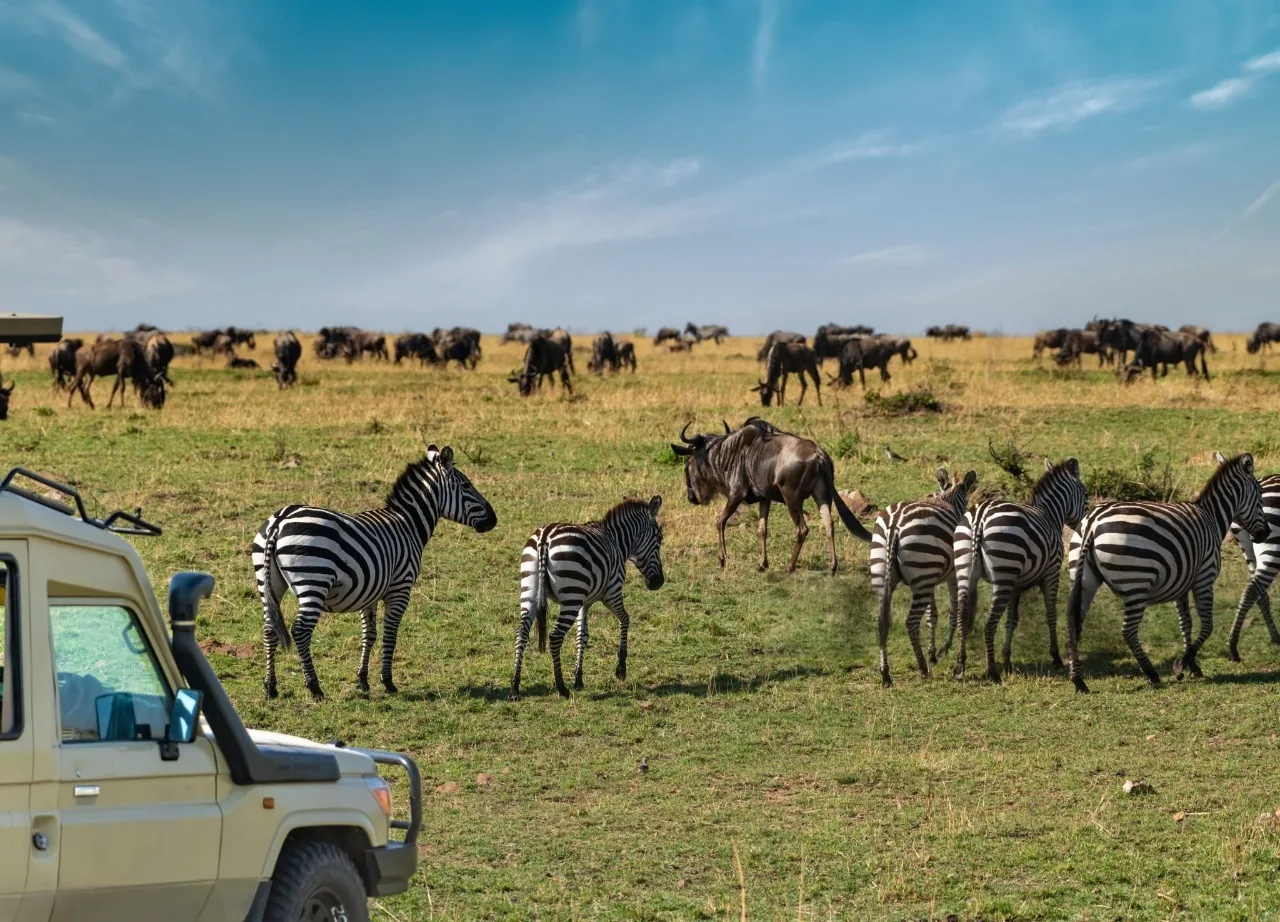
The long rains hit Tanzania at the start of April. The landscape changes to green. Migration is now mostly happening in the middle of the Serengeti and is moving westward through the Western Corridor.
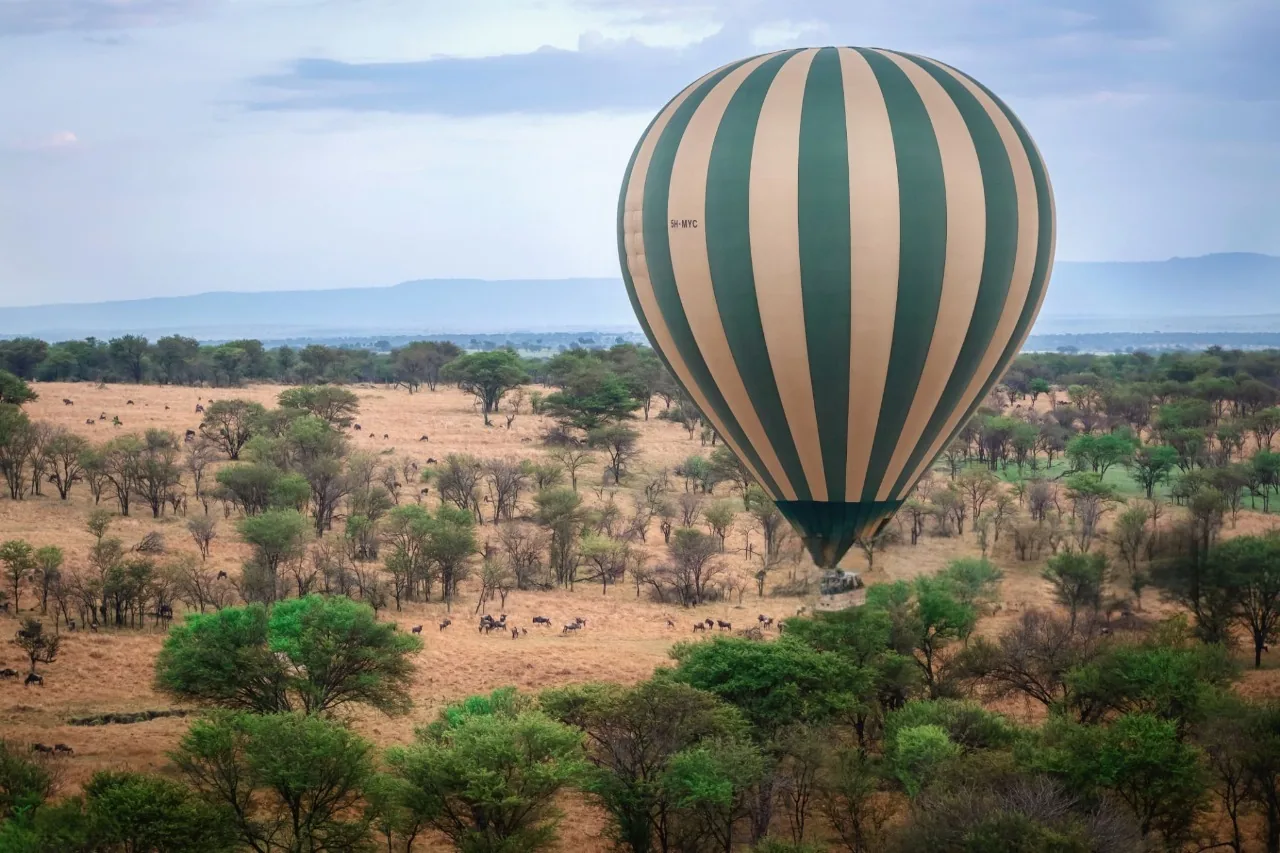
By May, a lot of animals have come to the area around the Grumeti River. Hot air balloon safaris are popular because the roads can get muddy.
- Where to stay in central Serengeti (Seronera): Between late April and early May, the western route will be close to the Grumeti River bridges. This includes Kirawira, Singita Grumeti, and Serengeti Migration Camp.
- What you'll see: There is a lot of wildlife and the landscape is green. Lions, leopards, and hyenas that live in Seronera are very big because so many calves have been born there. A lot of wildebeest and zebras meet near the Grumeti River in May. Later in May, you can see the first crossings of the Grumeti River. These are smaller than the Mara, but the crocodile ambushes are exactly as exciting. It's still the green season, so you can be sure to see wildlife, and the skies are moody, which is great for photographers who love the way storm clouds look against golden grass. During this time of year, camps often have big sales (low season rates).
June: Western Serengeti (Grumeti and Maasai Kopjes)
June is a month to start getting ready. The biggest groups of animals are in the western Serengeti, getting ready to move north. Huge groups of wildebeest, sometimes up to a hundred thousand on the plains, make a carpet of life. Crossing over the Grumeti River will continue until June.
- Where to stay: Western Corridor, on the banks of the Grumeti River or the Maasai Kopjes (northern end of the corridor). Some good choices are Singita Sasakwa, Nomad Serengeti Migration Camp, and smaller hotels close to Kirawira.
- What you'll see: It's one of the least appreciated months but yet still good choice to some travelers combining other activities. Wildebeest can be seen for miles from a hill where you can stand. It's truly amazing. People can still try to cross the Grumeti, even though there are alligators lurking around the edges. By the end of June, camps in the northern Serengeti start to open or restock in preparation for crossing rivers. Experts say that June is a great month to see the migration because there are fewer people there and the light is beautiful.
July: Northern Serengeti (Kogatende/Lamai): The first crossings of the Mara River happen
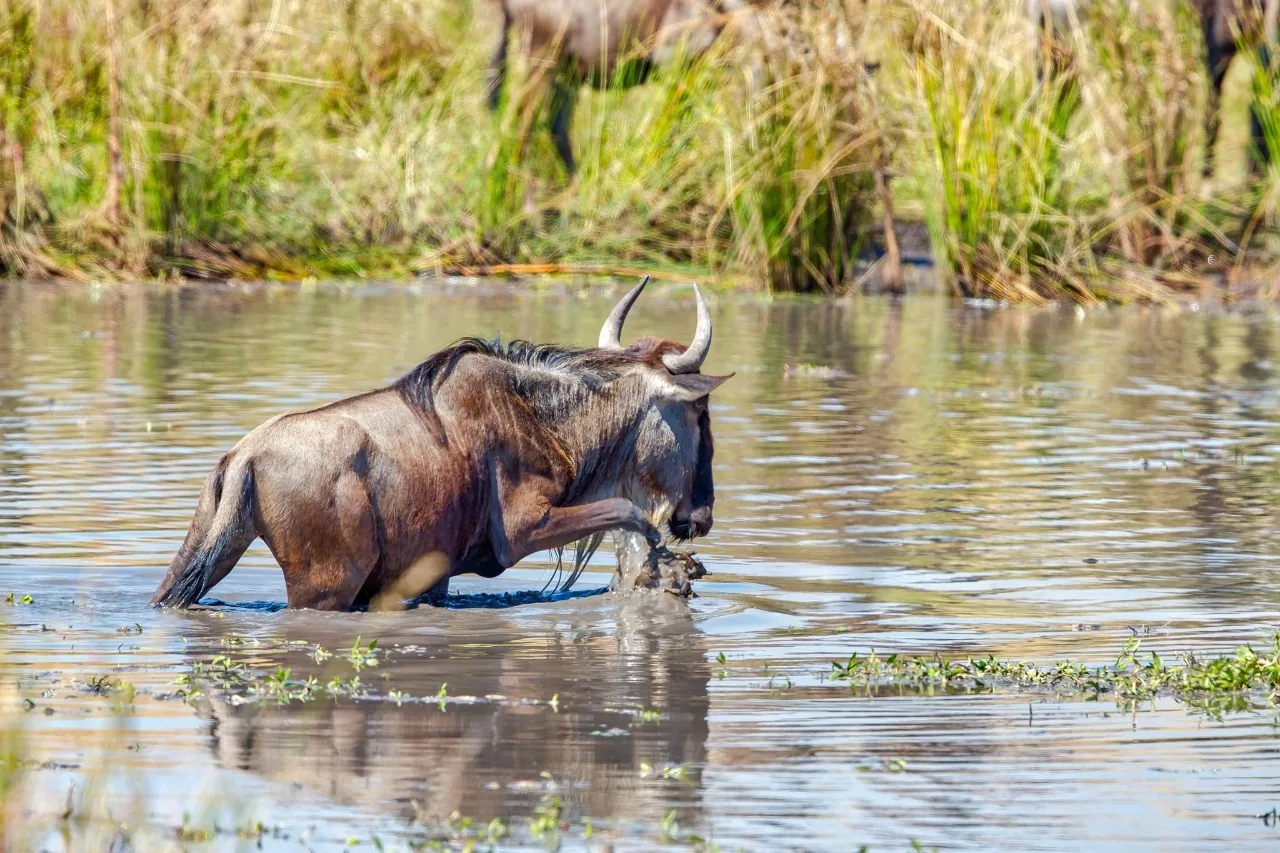
We sees July as the "migration month." Leading edges of the herds reach the Mara River and the northern Serengeti (Lamai and Kogatende). They have to cross, swimming through deep water full of crocodiles, to get to Kenya's Mara.
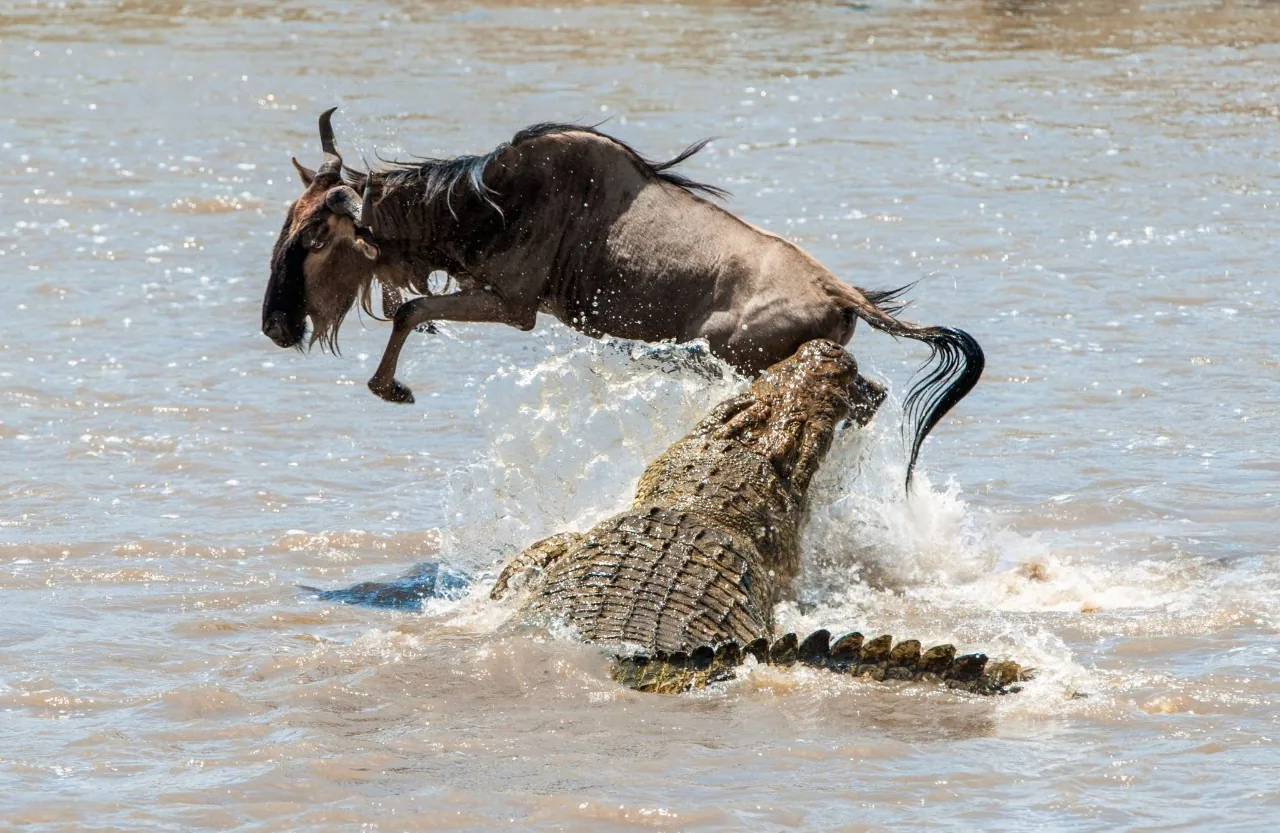
Crossings are always unpredictable because the herds will stay on one side for hours or even days and then all of a sudden suddenly rush forward.
- Where to stay in Northern Serengeti camps near Mara (Lamai bush camp, Four Seasons Migration Camp, Sayari, etc.): Start to plan your safari at least 6 to 12 months ahead of time for July through October. Singita Mara River Tented Camp and other high-end hotels in the northern Serengeti are even thought of as "once in a lifetime"
- What you'll see: Possible river crossings, which are thought to be the most exciting wildlife event in the world. Crocodiles are jumping out of the water to catch wildebeest, and lion prides are waiting on the banks to catch ones weak to swim well. Overwhelming and amazing at the same time. When conditions are good, you might see a lot of crossings.
Even on bad days, when lead animals are hesitant to move, there are a huge number of predators. This is exactly why the savannah was made. A lot of photographers and filmmakers come in. We say, "July is unpredictable; you have to be ready to wait, but any crossing you see is unforgettable."
August: Northern Serengeti (High Season for Crossing)
According to the numbers, August is the most likely month to see more than one river crossing. Now, the groups are mostly in the north, and some of them have even spread into the Masai Mara.
During the busy season, many groups cross from Tanzania to Kenya and back every day. The northern Serengeti or, if your visa allows it, the Masai Mara conservancies on the Kenyan side is a good place to stay. A lot of guests stay in Tanzania to avoid the crowds at the Mara.
August camps are very busy. If you do see a crossing in Tanzania, there will be a lot fewer cars there than in the Mara. It's called peak season for a reason: it can be worth it, even if it's pricey and crowded.
September: More crossings in the Northern Serengeti and Mara
In September, the crossings are still going on.
Some of the herds are already in Kenya grazing.
The weather is always clear and dry. By the end of September, the northernmost groups show
the first signs of moving southward.
Crossings do happen, though not as many wildebeest as in August. It's still an amazing sight. Light from the dry season is still stirring up photogenic dust. Hyenas and cheetahs watch over the banks of rivers. There are smaller groups that move back and forth for no clear reason. This is only seen in this "post-peak" phase. There are beautiful birds, like yellow-billed storks along the river.
Still in the Northern Serengeti? Stay at Lemala Mara River Camp or move on to Masai Mara (Olare Orok, Elephant Pepper Camp).
November: Serengeti in the south and center (short rains and return)
In the south, November brings short rains and better grass.
There are now a lot of herds in the central to southern Serengeti, moving back to Ndutu.
Large mixed groups moving slowly south on the road. Predators are still taking advantage of the moving of their prey.
Plus, November is the busiest month for migrating birds coming in, and the landscape is full of beautiful greens and wildflowers. The off-season rates at camps make it both beautiful and a good deal. Seronera or Ndutu-area camps in the central or southern Serengeti are good places to stay.
December: Southern Serengeti and Ngorongoro (Before Giving Birth)
It's quiet before the storm in December. The herds have mostly reached the southern plains by
the middle of December.
As the month ends and the last calves of the year are born,
they start to gather in Ndutu and the Kusini (southwestern Serengeti).
After their walk, big groups of animals graze or rest.
In late December, the first born calves of the next cycle show up. The number of predators is slowly growing in preparation for the calves to be born in January. Most of the time, the clouds are clear and warm. If you go in early December, the park will be quiet and full of animals because it's not yet the high season. But plan to be there in January for the full show.
Best Parks & Viewing Approaches
The Serengeti is where the Migration story takes place, but a smart safari can also include other parks. Ngorongoro Crater/Conservation Area: The calves are born on the Ndutu Plains, which is part of the NCA (Jan–Mar).
You should go to Ngorongoro because it has one of the densest groups of lions in Africa. Tarangire and Lake Manyara are not part of the migration, but they are great to visit together on a longer trip through Tanzania, especially during the dry season when Tarangire's big elephant groups gather.
You can often end or start your trip with Tarangire, if your plan allows it. Selous/Ruaha (South): These parks are outside the migration loop and have wildlife that isn't seen by many people after the migration. To sum up, be flexible.
This is a tried-and-true method: book at least two different camps or lodges, like one in Ndutu/Seronera and one in the northern Serengeti. Mobile camping is great because the camps can be moved around. Here are links to our Serengeti mobile camp guide.
For a migration trip, you should always plan to stay at least 7 nights. The longer you stay, the better your chances are of seeing animals. Note about the weather: For good views, most tourists like the dry seasons (June to October and December to March). It rains a lot from April to May and not so much from November to December, which makes the roads less safe.
However, wildlife is still very active, and there are fewer people. If you're driving during the rainy season, we suggest bringing waterproof gear and taking light aircraft transfers.
Making plans for your migration safari
Prices and Packages: A middle-range 7 to 10 day Tanzania migration tour for one person starts at about US$2,140. Depending on the lodges and what's included, high-end 8 to 10 day trips cost between $3,500 and $12,000.
Most of the time, these packages include park fees, lodging, meals, and game drives. (For instance, a migration plan with 8 days and Zanzibar costs about $3,000.) Remember that Tanzania has some of the highest park fees in Africa. This keeps the parks empty.
Booking Tips: To make changes to your plan, we suggest getting in touch with a professional (that's why we always say, "Plan your trip with our safari experts! ". For July through September, try to book your flights and main camps at least a year ahead of time. Camps in the northern Serengeti fill up quickly. Book 6 to 12 months ahead of time for January to March (calving) dates.
To see the most animals, stay in the passage zone for at least 5 to 7 nights. It's best to spend 7 to 10 nights in the north from July to October if you want to cross. Three to four nights in Ndutu/central Serengeti (Jan to Mar) and four to five nights in the north (July to Oct) will make your trip more relaxing.
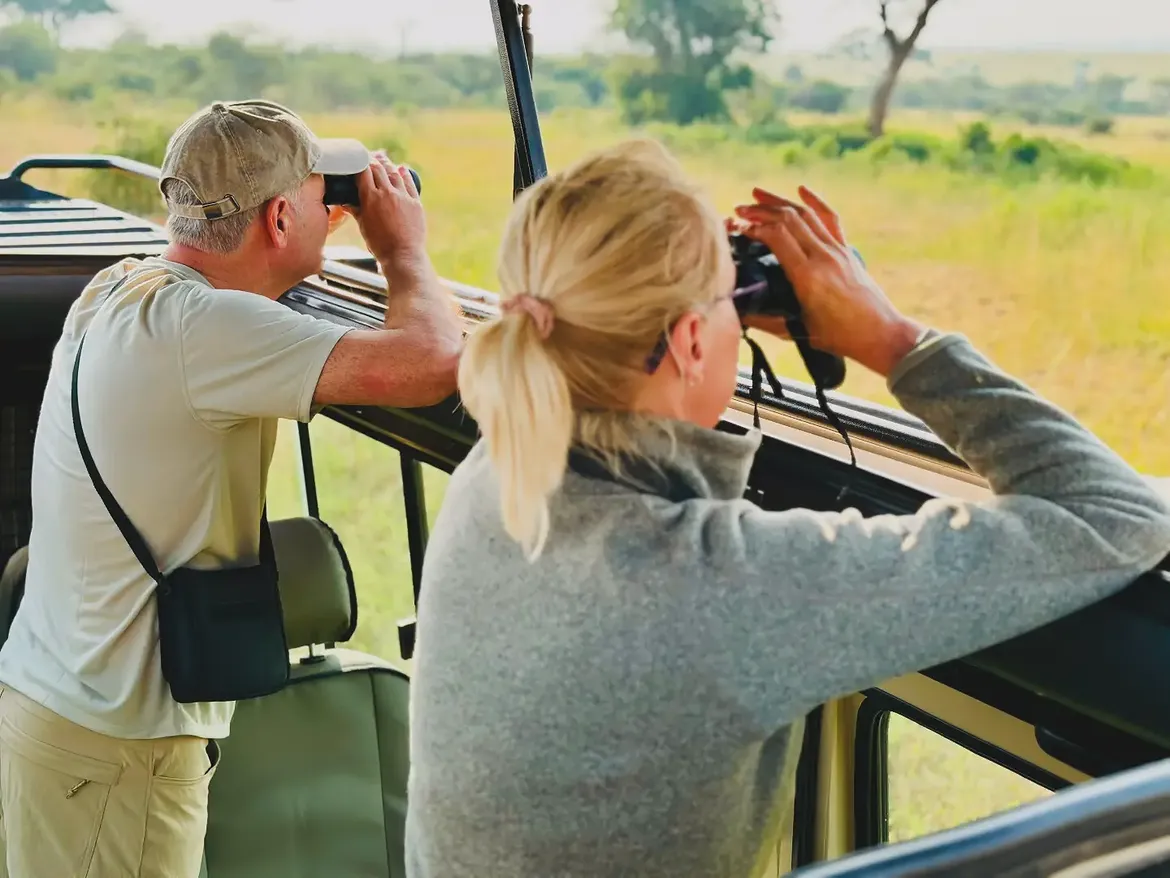
When you go, make sure you bring layers because it gets warm early in the dry season, sunscreen, binoculars, and a good camera with a 300mm or longer lens if you can. A lot of our travel experts and guides recommend it and says that long-lens cameras are the best way to take pictures of the crossings.
Tanzanian shillings are the local currency for tips and souvenirs. Combine with Other Activities: A lot of people add a hike up Kilimanjaro before or after their trek, or they go on a beach vacation in Zanzibar. Arusha to Serengeti to Ngorongoro/Manyara to Zanzibar is a common route that goes around and around.
For ideas, see the links in the sidebar for our Tanzania safari packages and Zanzibar packages. People often go on a 7-day Great Migration safari with 3 to 4 nights in Zanzibar.
The Great Wildebeest Migration is truly year-round in Tanzania
This is the Great Wildebeest Migration in Tanzania. It happens all year, with big events every few months. By following our month-by-month guide above, you can focus on the most exciting season for you (crossings vs. calves). Remember that the best sightings happen when you are patient and open to new ideas.
Every day in the Serengeti is different. Are you ready to try it? Talk to our Tanzania tour experts now about how to plan your trip. Our expert local tour specialist and driver guides will make your expections exceeds.
Don't just read about this event; come see half of the world's wildebeest thunder past you and feel the ground shake.
Ask now for personalised help and tour quotes that are specifically made for the wildebeest migration and get ready for the trip of a lifetime.
Frequently Asked Questions
Q: When is the best time to see the Great Migration in Tanzania?
There is no single best month, it depends on what you want to see. If you want the calving season spectacle, visit Jan to Mar in southern Serengeti/Ngorongoro; for river crossings, aim for July–October in northern Serengeti. Statistically, August sees the most crossings. (Our advice: pick your experience. Calving in Feb means endless predator chases; crossings in Aug mean the iconic drama. You can even plan a trip that includes both, splitting time between camps.)
Q: How long does the migration last?
The herds never stop migrating. It’s an annual 800 to 1,000 km loop. The term “migration season” usually refers to July to October (river crossings) or Jan to Mar (calving). In reality, any month can be good for seeing migrating wildebeest; even October to November you’ll still encounter huge groups moving south.
Q: Where in Tanzania do the wildebeest go in July?
In July the migration is in the northern Serengeti. The leading wildebeest herds reach the Mara River and make the first crossings between Tanzania and Kenya. Many thousands still wait in Lamai/Kogatende areas on the Tanzanian side. We always recommend basing in northern Serengeti then (with an eye on riverbanks) to have the best view of any crossings.
Q: How much does a Serengeti migration safari cost?
Safari prices vary widely. Mid-range 7–8 day migration packages start around US$2,140 per person (sharing). Luxury 8–10 day safaris can run US$6,000–12,000+. These include accommodations, meals, game drives, and internal flights. As a rule of thumb, expect to pay about $250–$500 per person per day at most lodges. (Budget accommodations exist, but migration camps are typically mid- to high-end.) Always clarify what’s included and consider flying between camps to save time.
Q: How does rainfall affect the migration?
Rainfall is the engine of the migration. Wildebeest follow fresh grass. When rains fall in one zone, the herds move there. For example, the short rains (Nov–Dec) green the south, triggering the return; the long rains (Apr–May) green the north/central, drawing them up. In some years, unexpected rains can reverse the pattern (2013 had wildebeest turn back north after early southern rains). As one guide put it, watching a migration after surprise rains is like seeing nature turn on a dime – an extraordinary reminder that wild animals respond to the elements, not the calendar.
Q: Do I need to go to Kenya to see a river crossing?
Not necessarily. While the Masai Mara (Kenya) is famous for huge crossing carnage, the Mara River crossings also occur on the Tanzanian side. Many herds actually cross back and forth between Serengeti and Mara several times a season. You’ll share the view with far fewer tourists in Tanzania. We always recommend at least 2 nights in the Kogatende/Lamai area of Serengeti, it’s prime crossing country. If you have more time, you can opt for an extra night across the border in Kenya, but it’s not required to see the action.