Your Ultimate Wildlife Adventure in Tanzania
Did you know that the Serengeti National Park is the only place on Earth where you can observe millions of migrating wildebeest sweeping across the Acacia plains?
Long regarded as the cradle of human life, it stands today as one of the closest experiences to an untouched African wilderness. Today, we’ll explore how this remarkable place came to be, what you can discover in its vast savannahs, how to gain access via permits, and everything in between.
You will leave with practical guidance, deep awareness of its significance, and inspiration to plan your own adventure within Tanzania’s wild heart. So let’s start on this tour through time, terrain, and wildlife.
Evolution of Serengeti National Park
The story of the Serengeti stretches back far before modern tourism, its name is derived from the Maasai word Siringet, meaning the place where the land runs on forever. Geologically, the vast plains, kopjes (rocky outcrops) and volcanic soils created a rich ecosystem where life could flourish.
In 1951 the park was formally gazetted as Serengeti National Park in northern Tanzania, covering about 14,763 km² of grassland and savannah. Over time the region achieved global recognition designated a UNESCO World Heritage Site in 1981 for its outstanding universal value: the massive herds of herbivores, their predator dynamics, and the intact ecosystem.
But it’s not only about wildlife numbers. The park has been a frontier of conservation science: early surveys, antipoaching efforts, ecological research have all been part of what the Serengeti represents. It remains a symbol of wilderness preservation and the wild heart of Africa.
What Makes the Serengeti So Captivating
Epic wildlife spectacles
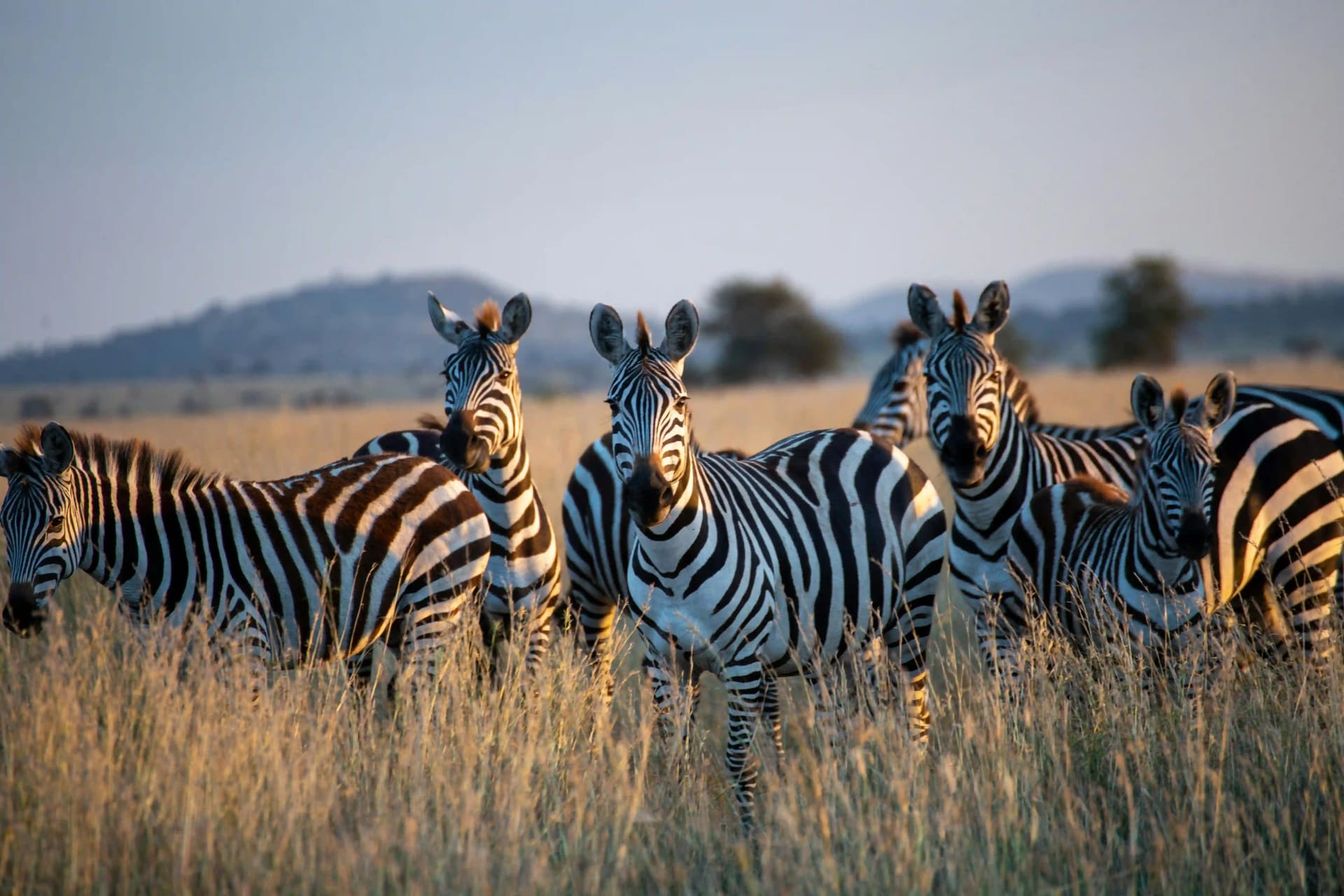
One of the most famous events on the planet is the Great Migration: over 1.5 million wildebeest and around 250,000 zebras move in a continuous loop across the plains of Serengeti and into neighbouring ecosystems. The park also supports Africa’s largest lion population, cheetahs, elephants, and on the bird side more than 500 bird species (five endemic to Tanzania) are recorded.

Diverse landscapes
From sweeping savannahs to riverine woodlands, kopjes to termite mounds, Serengeti’s physical variety is part of its magic. That diversity creates niches for all sorts of wildlife and drama predator vs prey, migrating herds vs dry season refuges.
Cultural and conservation significance
Visiting Serengeti isn’t only about wildlife photos. There’s real value in understanding conservation efforts, ecosystem dynamics and the delicate balance between tourism, community and nature. For example, the park’s history of protection, human wildlife interface and research (such as by early wildlife surveyors) adds depth to the trip.
Things To Do & Discover Within the Serengeti National Park
When you set foot in Serengeti, you’ll find multiple categories of experiences to do though many choose to combine Serengeti with other activities in Tanzania. Here are some standout ones:
1. Wildlife game drives
Early morning and late afternoon drives are often when predators are active, and the light is perfect for photography. Driving across the plains, you may encounter lions lounging on kopjes, elephants crossing the river, herds migrating in the distance.

2. The Great Migration viewing
If you time your trip right (more on timing below), you may observe the dramatic river crossings of the migration: wildebeest plunging into fast flowing rivers, crocodiles lurking, dust clouds from tens of thousands of hoofbeats .

3. Walking safaris & pop up camps
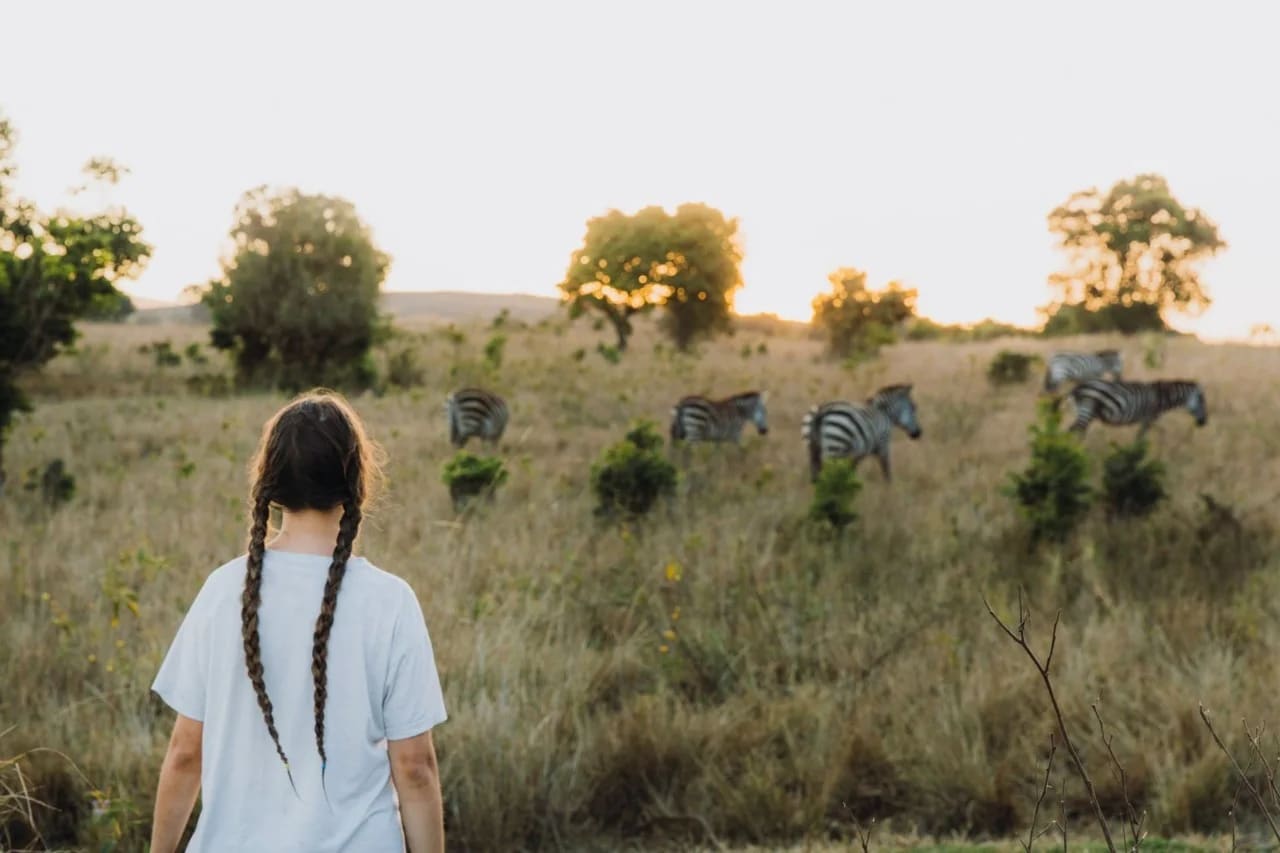
Some areas in Serengeti National Park allow guided walking safaris (on foot) giving a different perspective: the rustle of grass, footprints of animals, small insects, birds, the full micro-ecosystem. Staying in a tented camp inside the park adds immersive wilderness.
4. Hot air balloon rides
Floating over the plains at sunrise in a balloon offers a breathtaking vantage point: sweeping horizon, herds far below, panoramas that unfold slowly.
Cultural encounters
While Serengeti is about wildlife first, don’t misswhere the Maasai’s joyful dance brings Tanzania’s spirit to life. opportunities to learn about Maasai culture, their traditions, how they coexist with wildlife, and how tourism is affecting their communities.

5. Photography and nature observation
From close up lions to panoramic landscapes, from tiny birds to termite mounds, every moment can be rich. Bring good lenses, be patient, stay respectful of animals and your expert driver guides.

6. Hidden gems & off the beaten path
Rather than sticking to the central tourist zones, consider venturing into lesser visited corridors (with a good guide) for more solitude, surprise sightings, and a sense of wild freedom.
When to Visit Serengeti & How to Plan the Timing
Timing by Experience:
-
January to March (Southern Serengeti): Calving season, thousands of wildebeest calves born, predator action high.
-
May to July (Western Corridor): Herds begin moving northwards; river and crossing action.
-
July to October (Northern Serengeti): Dramatic river crossings at the Mara River, impressive for photography and wildlife drama.
-
Dry season (June to October): Wildlife concentrated around water; easier viewing; good weather.
-
Wet season (November to May): Lush landscapes, fewer visitors, calving start, birdlife abundant but some roads may be challenging.
Flow for Planning:
-
Decide your goal (migration, predators, landscapes, quiet safari).
-
Choose region of park & season accordingly.
-
Select accommodation level.
-
Secure permits/entry with your operator in advance.
-
Pack smart (neutral tones, binoculars, sunhat, good boots).
-
Choose ethical operator such as Swift Africa Safaris (community support and conservation focus).
Responsible Travel & Conservation Matters
Visiting Serengeti is a privilege, and it comes with responsibility. The park faces real challenges: poaching, habitat fragmentation, changing migration routes due to climate and human encroachment. Support tourism that contributes positively stay in lodges that engage local communities, follow rules, leave minimal footprint, engage respectfully with culture. Your trip can help preserve the Serengeti’s beauty long for the generations to come.
Frequently asked Questions (FAQs)
Q: Is Serengeti safe to visit?
Yes! with a reputable safari operator, following park guidelines and travel advisories, Serengeti is a safe destination for wildlife adventure.
Q: How much does a Serengeti safari cost?
It depends on duration, accommodation, level of service and season. Entry fees are one component but lodges, vehicle, guide, flights will add more. Always ask for full breakdown.
Q: Do Americans need vaccines to go to Tanzania and Serengeti?
Travel health advice changes, but travellers often need routine immunisations plus possibly yellow fever (particularly if coming via certain countries), hepatitis A/B, typhoid. Always consult a travel clinic.
Q: What are the “Big Five” in Serengeti?
The Big Five typically refers to lion, leopard, elephant, buffalo and rhinoceros. Serengeti is home to several of these and many other species.
Q: When is the best time to visit Serengeti?
It depends on your focus: for migration river crossings choose July October; for calving January to March; for fewer crowds maybe during shoulder seasons; for predators year-round central Serengeti.