
Who Are the Maasai & Why Their Culture Still Matters
The Maasai people have been guardians of East Africa’s grasslands for centuries. They are an indigenous ethnic group of East Africa, many of whom live in northern Tanzania as semi nomadic pastoralists with a rich cultural heritage. Their lifestyle is built around cattle herding, not just as food, but as identity, culture and community.
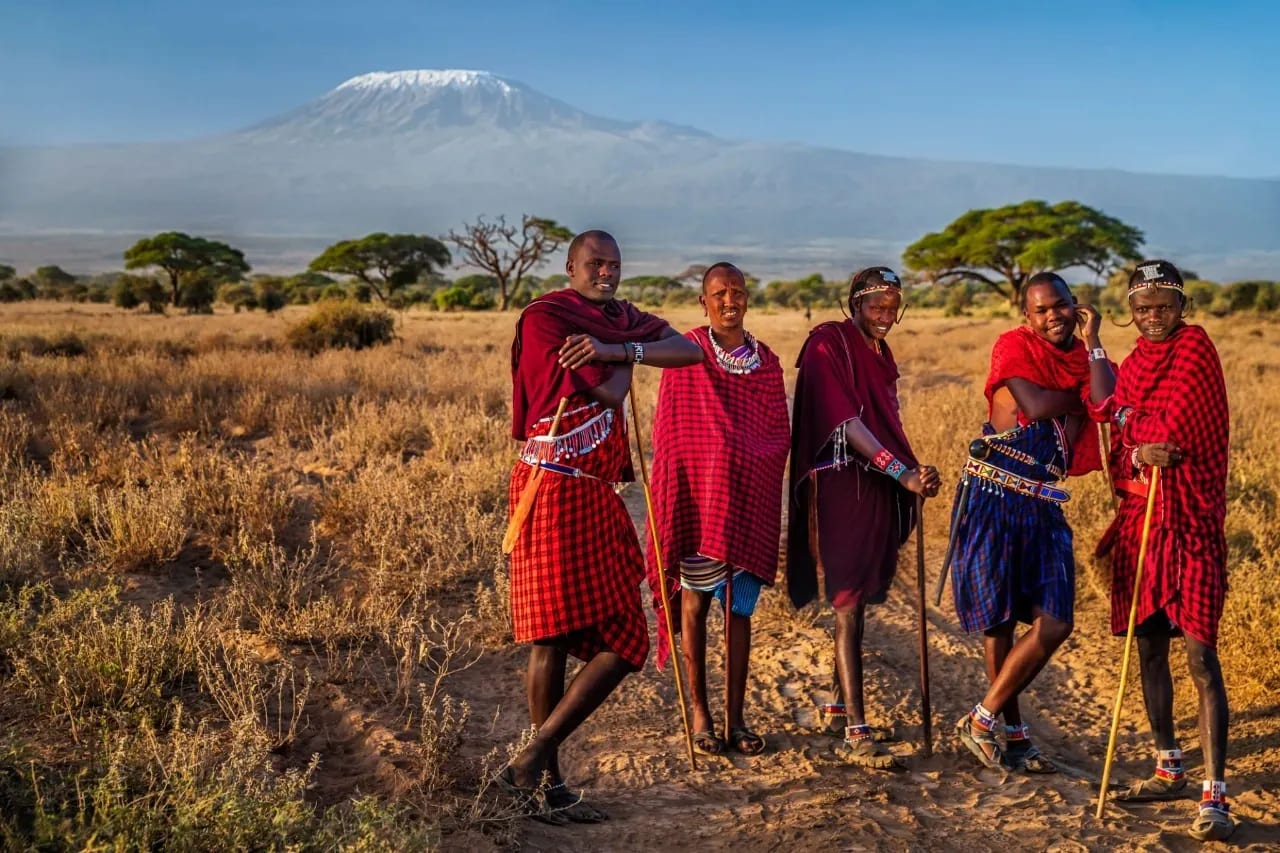
The Maasai society is structured by age sets: young men become warriors (morans), then elders; women build homes, tend children, perform beadwork and manage many tasks. Their spiritual world centres on a deity called Enkai (or Engai), associated with rain, land and animals, their sense of place and purpose is tied to the land.
Even as many Maasai integrate schooling, and other modern influences, their cultural practices and values remain strong making them one of East Africa’s most recognised indigenous communities.
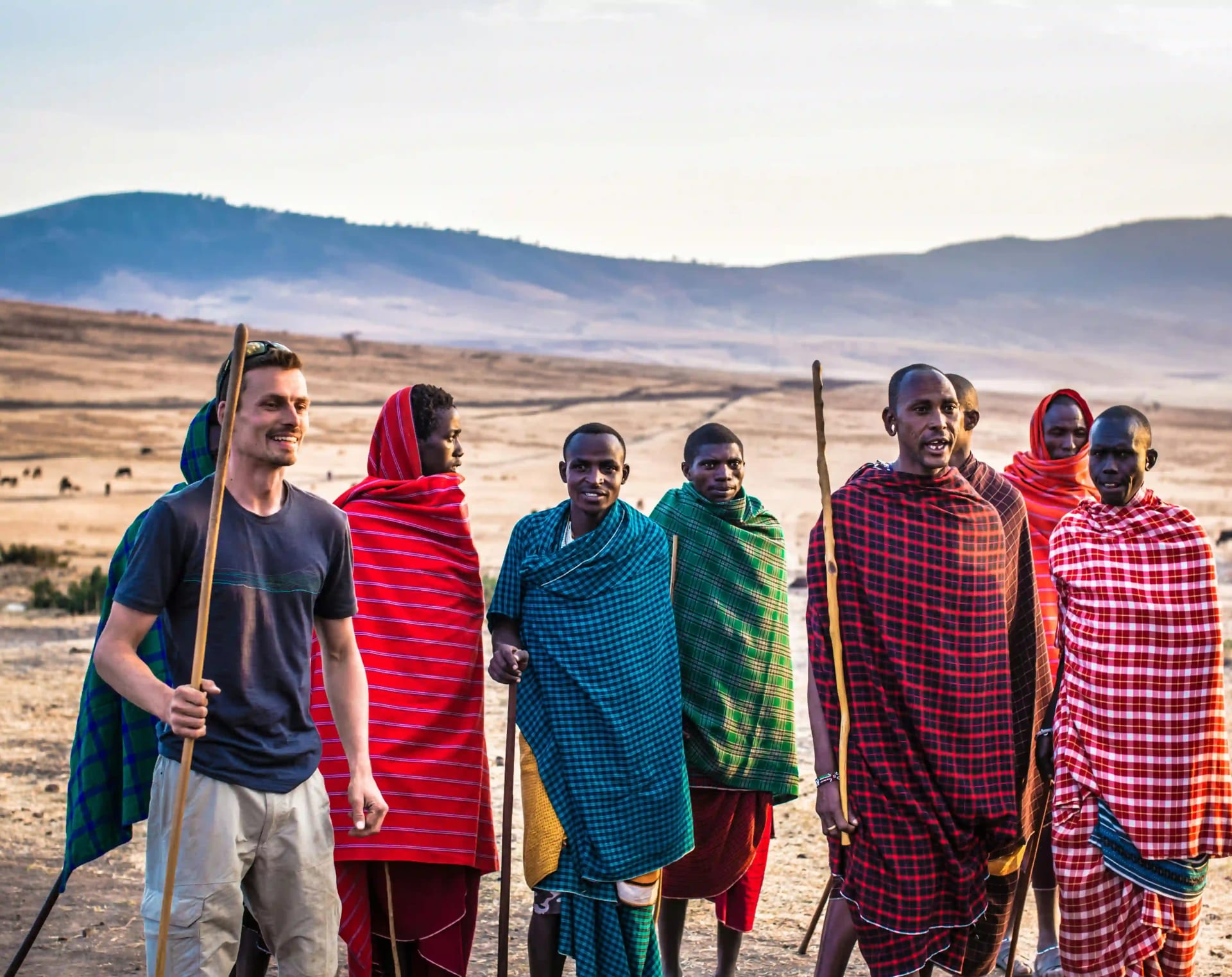
Key Facts & Traditions You Might Not Know About Maasai Tribe
-
The “jumping dance” (known as the Adumu) is performed by young Maasai warriors as a display of strength, agility and status. The higher the leap, the greater the respect.
-
Traditional manyattas (homes) are circular, built by women using sticks, mud and cow dung designed for mobility, reflecting their pastoral semi nomadic roots.
-
Their diet traditionally included milk, meat and even blood from their cattle, practices that are evolving as the Maasai engage more with agriculture and markets.
-
Polygamy has been a part of Maasai culture: wealth is often measured in cattle and children, and a man may have several wives.
-
They face modern challenges: landing rights, restriction on grazing, tourism pressures and environmental changes are all affecting their way of life.
When & How to Visit Maasai Communities in Tanzania
When to Visit Maasai People
The dry seasons (typically June through September) offer easier travel conditions and clearer skies, making Maasai cultural visits more comfortable. Also the northern safari circuit, where many Maasai visited villages are located.
How to Visit Maasai Respectfully?
Find tour operators that ensuring your visit benefits the local people. Before entering a village, ask permission and respect how the community chooses to engage with visitors.
Dress modestly and behave considerately: respect ceremonies, ask before photos, avoid disrupting daily life. Purchasing beadwork or crafts directly from artisans supports their income and acknowledges their talent and culture.
What to Expect During a Visit in The Maasai Village?
You will be invited to or observe the Maasai traditional dances, see the homes, meet families, learn about herding and the role of cattle, explore beadwork, and perhaps join a walk with a Maasai explaining local plants or livestock. Some villages offer overnight stays or cultural lunches.
Be aware: some tourist Maasai villages operate mainly for visitors; aim for experiences that feel authentic and community run rather than fully staged. Ask how the village uses any proceeds of your visit.
Activities & Experiences Worth Doing in The Maasai Village
One of the most memorable experiences is participating (or observing) a bead making session: Maasai women design and craft jewellery that carries cultural meaning (colors symbolize land, sky, purity, etc.).
Another is walking with Maasai herders: you’ll learn how they move cattle, select grazing, protect against predators, and how this has changed with modern land-use.
Attending a cultural ceremony (if your visit coincides and you are respectfully invited) can be powerful: coming of age events, rain making or elder led rituals show the continuity and depth of the culture.
You can also partner with conservation oriented visits: many Maasai live in the buffer zones of national parks, and your visit can support income for wildlife friendly land use, so you see nature and culture hand in hand.

Travel Tips for Your Maasai Experience
-
Arrange your visit through a safari operator such as Swift Africa Safaris that clearly states Maasai village visit included and how the village is supported.
-
Carry some small gifts or funds you can contribute voluntarily (school supplies, beads, etc) rather than expecting “photo for money” exchanges.
-
Be mentally prepared for simple infrastructure: some villages don’t have full amenities; bring water, sunscreen, respect local conditions.
-
Ask yourself: “Does my visit support the community or simply consume their culture?” Choose visits where the Maasai are decision makers.
-
Bring home more than photos: share the story of what you learned, challenge stereotypes (e.g., “wild warriors”), and support ethical tourism.
Frequently Asked Questions (FAQs)
Q: Are the Maasai in Tanzania friendly to visitors?
Yes! Many Maasai communities welcome visitors and enjoy sharing their traditions, provided the visit is respectful and benefits their village.
Q: Can I stay overnight in a Maasai village in Tanzania?
Yes! some lodges and community tourism projects offer overnight stays where you sleep in traditional style manyattas, join evening cultural talks or meals.
Q: What about grazing lands and conservation issues?
There is tension: some Maasai face restrictions, land loss or livestock confiscation in conservation areas in Tanzania. Awareness of these issues is part of responsible travel.
Q: When is the best time to visit Maasai villages in northern Tanzania?
Dry season (June-Sept) is ideal for access, weather and combining with safari circuits.
Q: Are Maasai traditions changing?
Yes! while many core traditions remain, the Maasai are adapting: schooling, alternative livelihoods, changing diet and involvement in tourism and conservation.
Let's Step into The World of The Maasai Together.
The Maasai of Tanzania offer more than a tourist stop in a village, they represent a living culture, deeply connected to land, cattle and community, but also navigating the pressures of our modern world.
If you’re planning a cultural travel experience, a Maasai village visit can offer profound insight and real connection. For your next trip to Tanzania, consider setting aside time for this cultural encounter: go with respect, curiosity, and a desire to learn. Will you step off the safari track and truly engage with the Maasai in Tanzania? Inquire and Book your trip today


