For most travellers, Tanzania is the better base for the Great Migration, because the herds spend most of the year in the Serengeti and the park is far larger, so you can follow the animals for longer and at a quieter pace. Kenya's Masai Mara has the herds for a shorter window, roughly August to October, and is smaller and often busier. But the Mara River crossings can be good on both sides of the border, and a few travellers prefer Kenya for its compact layout and easier flights. The best answer depends on the month you travel, what you want to see and how much space you want.
We run safaris in Tanzania, so we say that openly. We also give you the facts for both countries, so you can decide for yourself. Timing is based on typical patterns and varies from year to year, so confirm it with your operator close to your date. We checked the details in October 2026. For the cost, see how much a Great Migration safari in Tanzania costs.
How Does the Great Migration Move Through the Year?
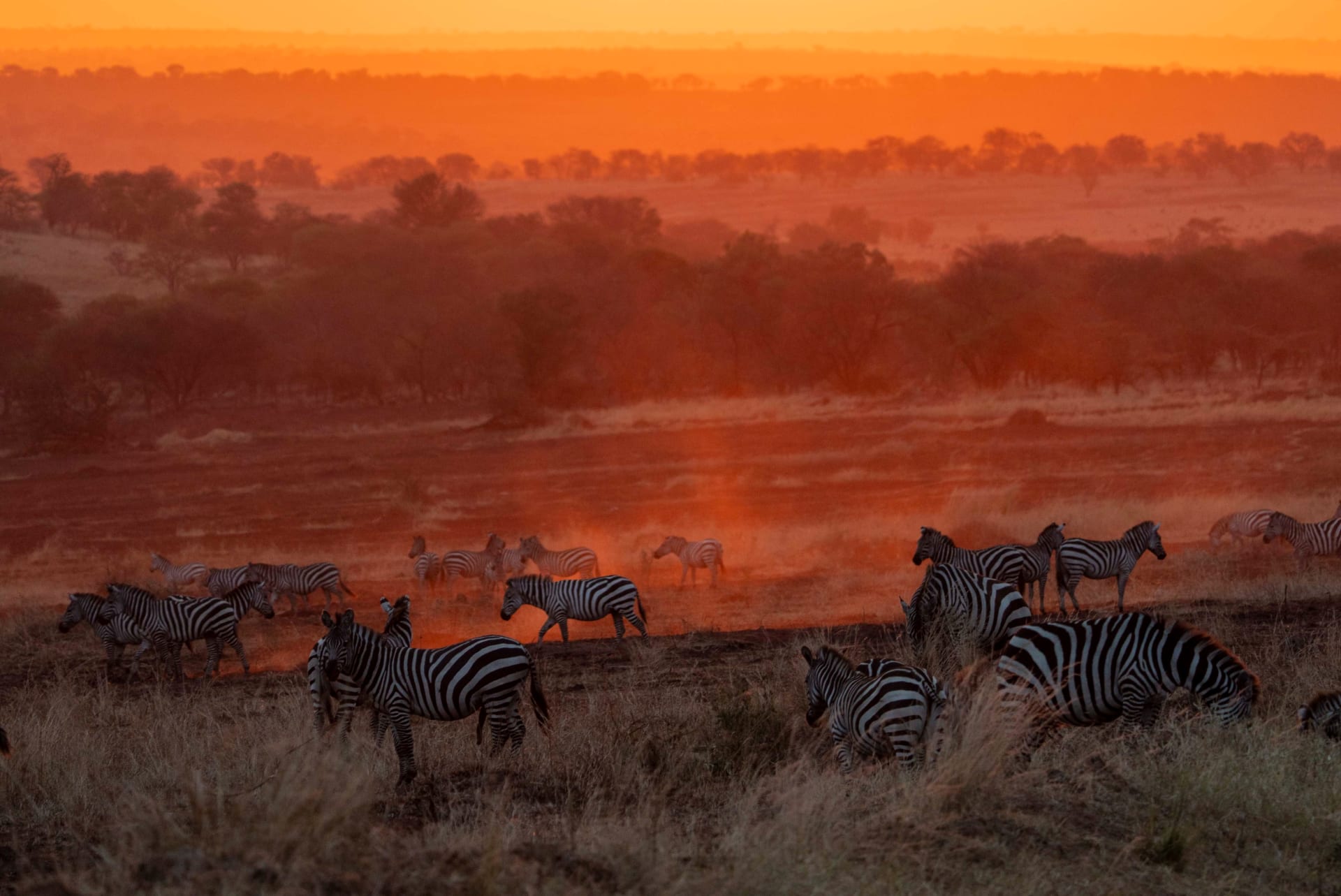
The herds follow the rains in a rough circle. They calve on the southern Serengeti plains, move north and west through the central and western Serengeti, cross into the northern Serengeti and the Masai Mara, then return south. Sources agree on the general pattern: calving in January to March in Tanzania, and river crossings from about late July to October on the Mara River. The exact timing changes with the rains. Read the month-by-month version in the Great Migration in Tanzania.
| Months | Where the herds usually are |
|---|---|
| January to March | Southern Serengeti and Ndutu: calving season |
| April to May | Moving north through the central Serengeti |
| June to July | Western and northern Serengeti, the Grumeti River |
| July to October | Northern Serengeti and the Masai Mara: Mara River crossings |
| November to December | Heading back south through the eastern Serengeti |
How Do Tanzania and Kenya Compare?
| Tanzania (Serengeti) | Kenya (Masai Mara) | |
|---|---|---|
| Time with herds | Most of the year | About August to October |
| Size | About 14,750 square kilometres | About 1,510 square kilometres (the reserve) |
| Crowds | Generally lower, because it is bigger | Often busier at crossing points in peak season |
| Calving | Yes, in the south from January to March | No |
| River crossings | Northern Serengeti (Mara River) and Grumeti | Mara River |
| Getting around | Long distances; road or internal flights | Compact; easy flights from Nairobi |
| Extras | Ngorongoro Crater, Tarangire, Manyara, Zanzibar | Maasai villages and balloon flights |
These figures are rounded and vary by source. They show the general difference: Tanzania is bigger and longer, Kenya is smaller and tighter.
Which Is Better for River Crossings?
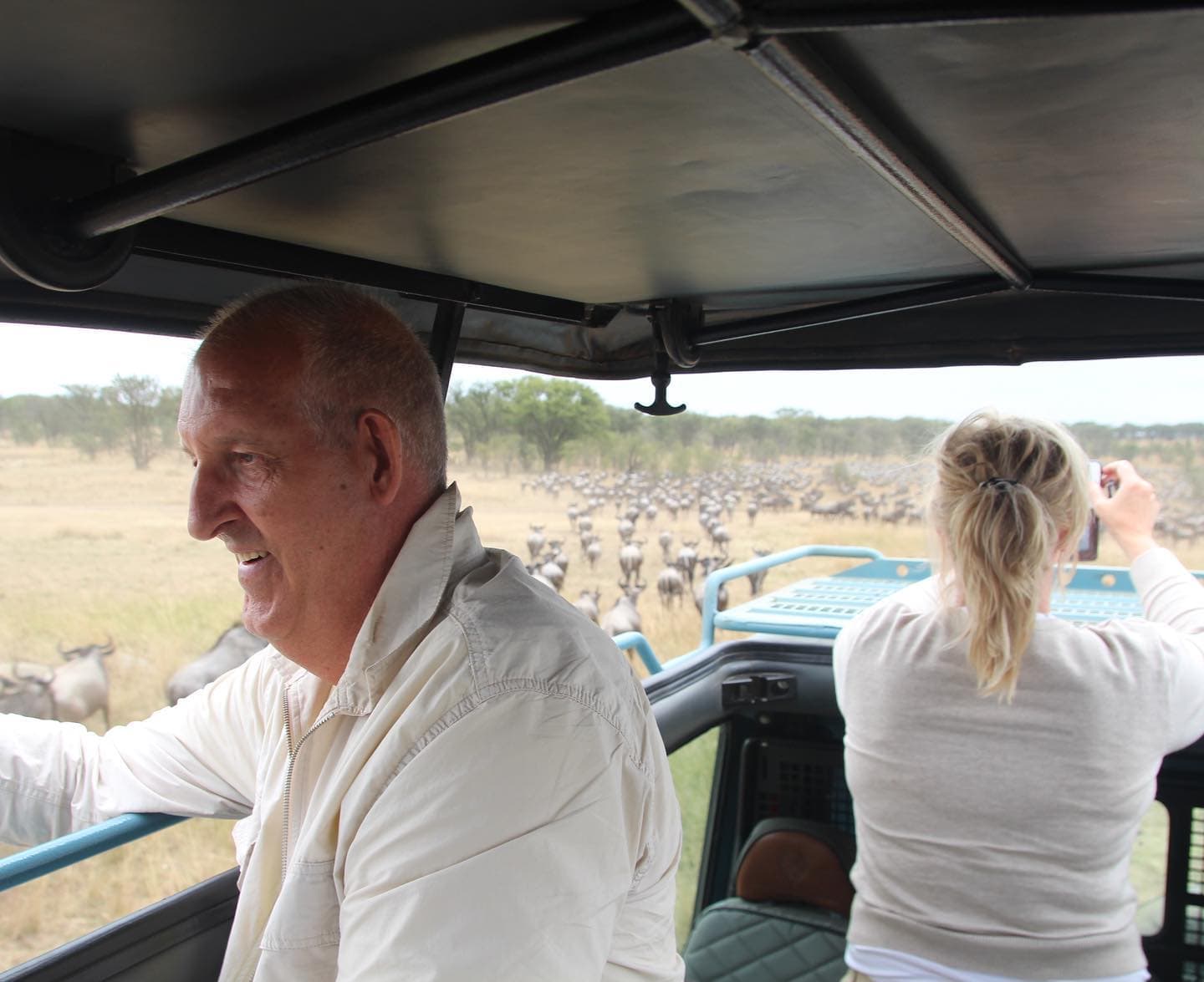
Both can deliver. Crossings happen where the herds decide, so no operator can promise them. Tanzania's northern Serengeti, near Kogatende, gets fewer vehicles than the main Mara crossing points. Kenya's side is easier to reach but can be crowded. If crossings are the priority, plan at least two full days at the river and stay in a camp close to it. Our 9-day itinerary spends two full days in the north for that reason: 9-day wildebeest migration safari in Tanzania.
Which Is Better for Calving?
Tanzania. The southern Serengeti and Ndutu plains hold the herds in January to March, and sources report that a large share of the calves are born in a short window in February. Our 10-day February Great Migration safari is built around it. Calving also draws lions and hyenas, so it is a good season for predator sightings.
Which Is Better for Value?
It depends on the lodge level and the season. Park fees in Tanzania are higher than many travellers expect, but a longer safari in a bigger park gives you more game drives. Kenya has fewer days of migration, so the value per day can be lower for the same price. Always compare what is included. Read the cost guide.
Can You Do Both?
Yes, though most travellers choose one. If you want both, plan a longer trip and check the visas and border rules. Our safaris run in Tanzania, so we plan the Tanzania part in detail and can advise on timing for the rest. Read how to plan an East Africa safari.
Where Exactly Do the Crossings Happen?
The Mara River flows through the northern Serengeti in Tanzania and into the Masai Mara in Kenya. Herds cross at several points, in both directions, and they can cross a river many times in a season. In Tanzania, the northern area near Kogatende is the main viewing area, and a few camps there are close to the crossing points. In Kenya, the Mara reserve has well-known crossing points that can attract many vehicles. The Grumeti River in the western Serengeti has crossings in June and July. Which side is better in a given week depends on where the herds are, and your guide will advise.
How Do Crowds and Vehicle Rules Differ?
The Serengeti is much larger, so vehicles are more spread out, though a famous crossing point can still attract several cars. In the Mara, the smaller area and the many camps mean more vehicles at the busy points. Rules for off-road driving, the number of vehicles at a sighting and night drives differ between the two countries and between reserves and conservancies. If crowds matter to you, ask your operator about the position of the camp, the distance to the crossings and the rules for vehicles. In both countries, a good guide and a flexible plan matter more than a name.
How Do Visas and Logistics Differ?
Tanzania and Kenya have separate visa systems. Getting to the Serengeti usually involves Kilimanjaro or Arusha airports and road or small-plane transfers, and getting to the Mara involves Nairobi and a short flight or a long drive. If you want to visit both, the border crossing for vehicles and the flights between the two need planning. Read our East Africa visa guide and how to plan an East Africa safari.
What Should You Do If You Cannot Decide?
Start with your month. For January to March, choose Tanzania. For July to October, either can work, and Tanzania's northern Serengeti gives a quieter option. For November to June, choose Tanzania because the herds are not in Kenya. Then add the other parts of your wish list: the Ngorongoro Crater and Zanzibar point to Tanzania, a short flight-based trip points to Kenya. Talk to a specialist about your dates and we will tell you where the herds are likely to be. See our Serengeti safari guide.
Best for
- Tanzania: calving, quieter plains, a longer trip and a combination with Ngorongoro or Zanzibar
- Kenya: a short, compact trip focused on the Mara River in August to October
May not be ideal for
- Tanzania: travellers with only three or four days
- Kenya: those who want quiet or calving
What Mistakes Do Travellers Make?
- Choosing by country, not month. The herds decide.
- Booking a camp far from the herds. Ask where they are.
- Expecting a guaranteed crossing. Plan two or more days.
- Booking too late. Camps near the river fill first.
Frequently Asked Questions About the Great Migration
Is the Great Migration in Tanzania or Kenya?
Both. The herds are in Tanzania most of the year and in Kenya for a few months.
What is the best month for river crossings?
Late July to October, with August often cited as the busiest.
What is the best month for calving?
February in the southern Serengeti.
Is Tanzania more expensive than Kenya?
It depends. Compare inclusions, not headline prices.
Should I confirm herd positions and fees before I book?
Yes. Herd positions change with the rains and fees change over time, so ask your operator for current information close to your dates.
Can I see both Tanzania and Kenya on one safari?
Yes, but it takes more time and planning. We run safaris in Tanzania and can advise on timing for a combined trip.
Planning Your Trip?
Tell us the month you want to travel and what you hope to see, and we will recommend a route. Talk to Our Tour Specialist or see the 7-day wildebeest migration tour.
Source: Tanzania National Parks Authority.