There is more to do in Volcanoes National Park than gorilla trekking. The park and the town of Musanze around it offer golden monkey tracking, the hike to Dian Fossey's grave, four volcano climbs, the Musanze caves, two lakes, cultural visits and cycling. Gorillas are the headline, with a permit of US$1,500 for foreign visitors according to the Rwanda Development Board (RDB), but a well-planned stay of two to four days gives you several very different mornings. Most park activities start at 7:00 from the Kinigi headquarters, so you can do one big activity a day and rest in the afternoon.
Below are twelve things to do, with fees and age limits from the RDB where we could confirm them, and three sample plans. Fees change, so confirm them before you book. We checked the details in October 2026. This guide supports our complete guide to gorilla trekking in Rwanda and our Volcanoes National Park travel guide.
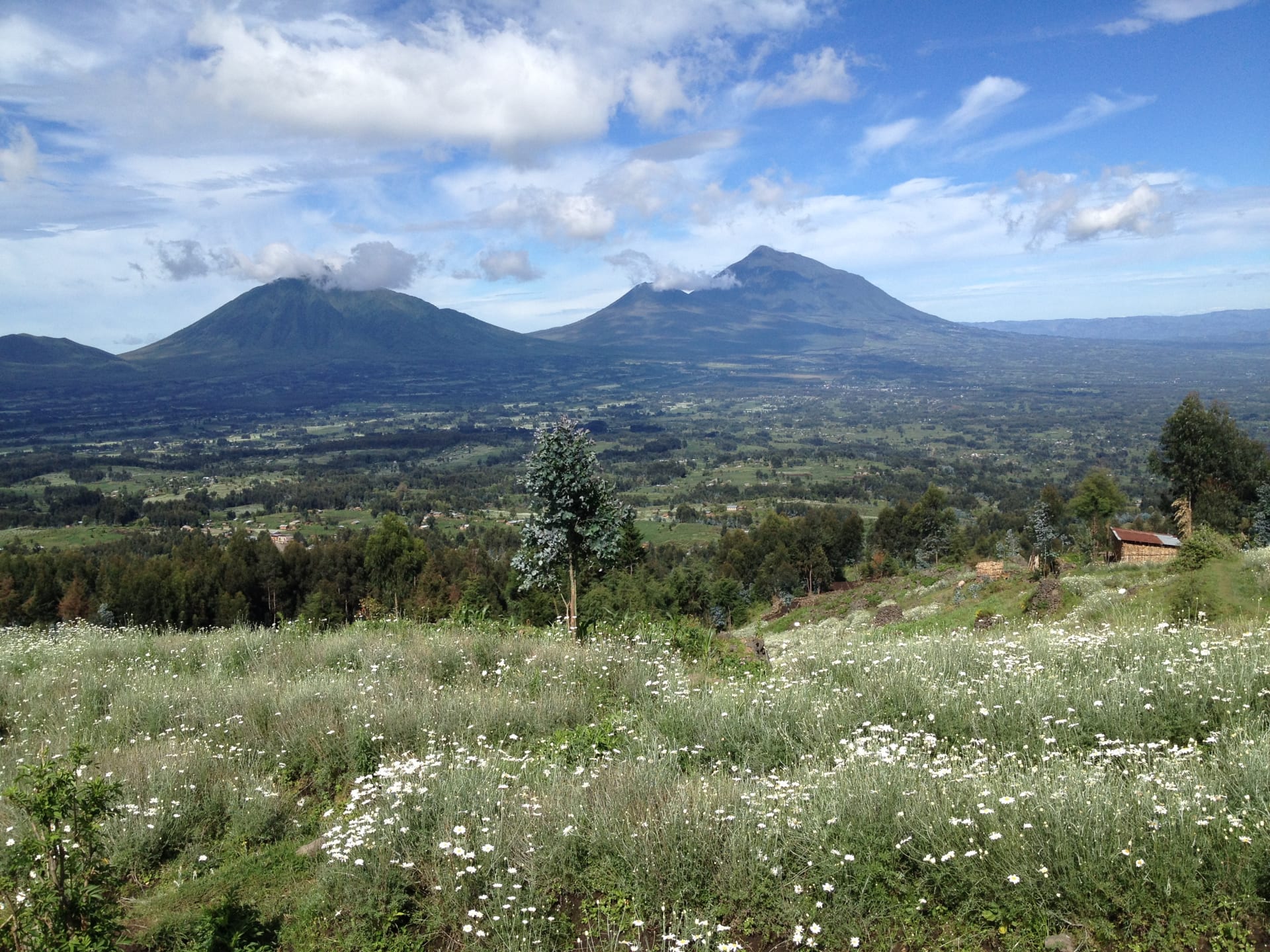
What Are the Best Things to Do in Volcanoes National Park?
1. Gorilla trekking
The main activity. A group of up to eight trekkers visits one of ten habituated families for up to one hour. The permit is US$1,500 and the minimum age is 15. Read how to book gorilla trekking in Rwanda and how difficult it is.
2. Golden monkey tracking
A lively morning in the bamboo forest with one of the Virunga's endangered primates. The permit is US$100 for foreign adults and the minimum age is 12. See the golden monkey permit guide.
3. The Dian Fossey hike
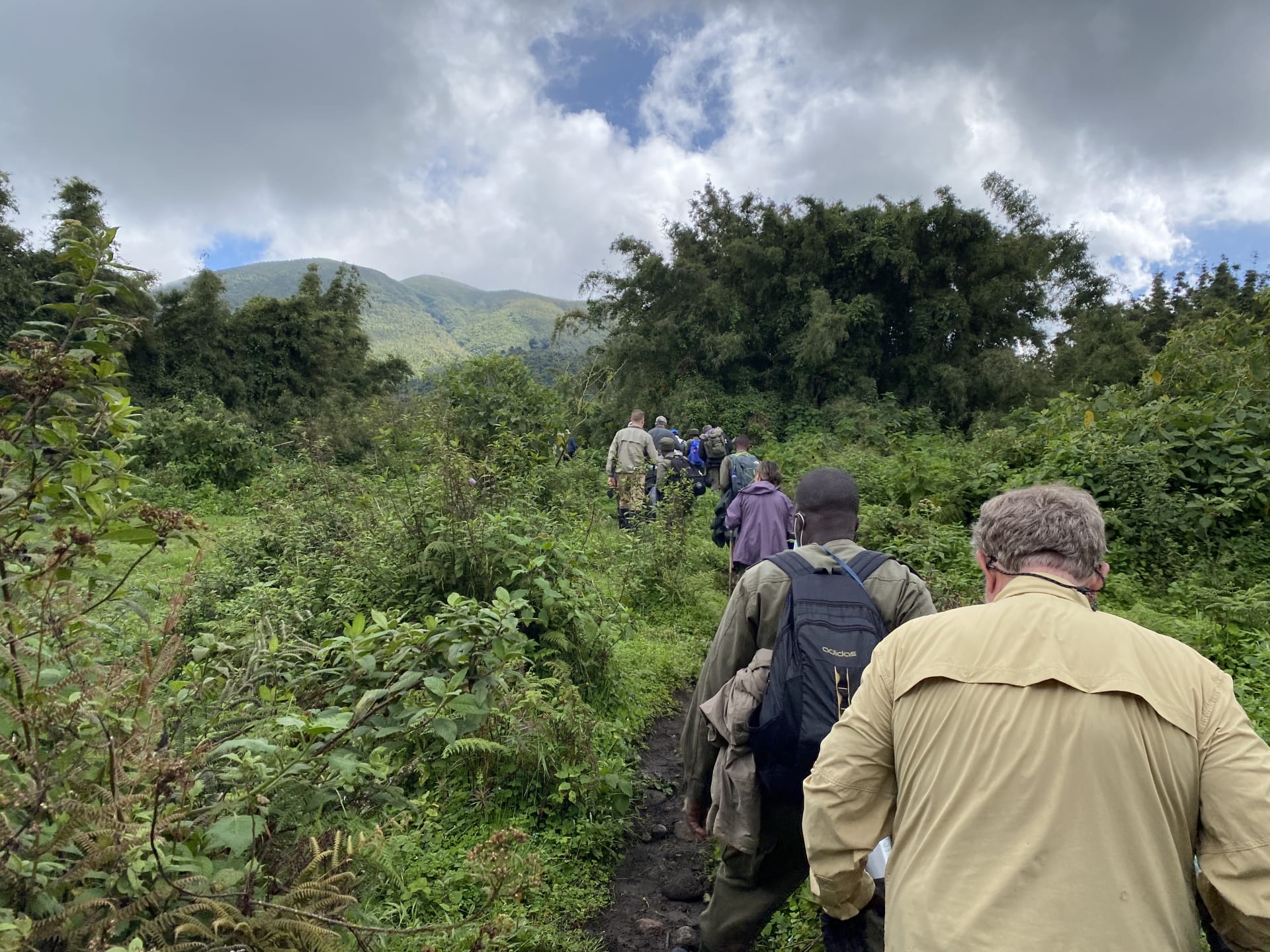
A guided walk of three to four hours to the Karisoke site and the graves of Dian Fossey and gorillas such as Digit. The permit is US$75 for foreign adults and the minimum age is 15. Read the hike cost guide.
4. Mount Bisoke and its crater lake
Bisoke rises to about 3,700 metres and has a crater lake at the summit. It is a hard day hike. For a longer volcano trip see our 3-day Mount Bisoke hiking and twin lakes tour.
5. Karisimbi, Muhabura and Gahinga
Karisimbi (4,507 metres) is the highest volcano and needs two days with camping. Muhabura (about 4,127 metres) and Gahinga (about 3,470 metres) are shorter climbs. Choose by fitness; our guide to the best hiking trails in Rwanda compares them.
6. The Musanze caves
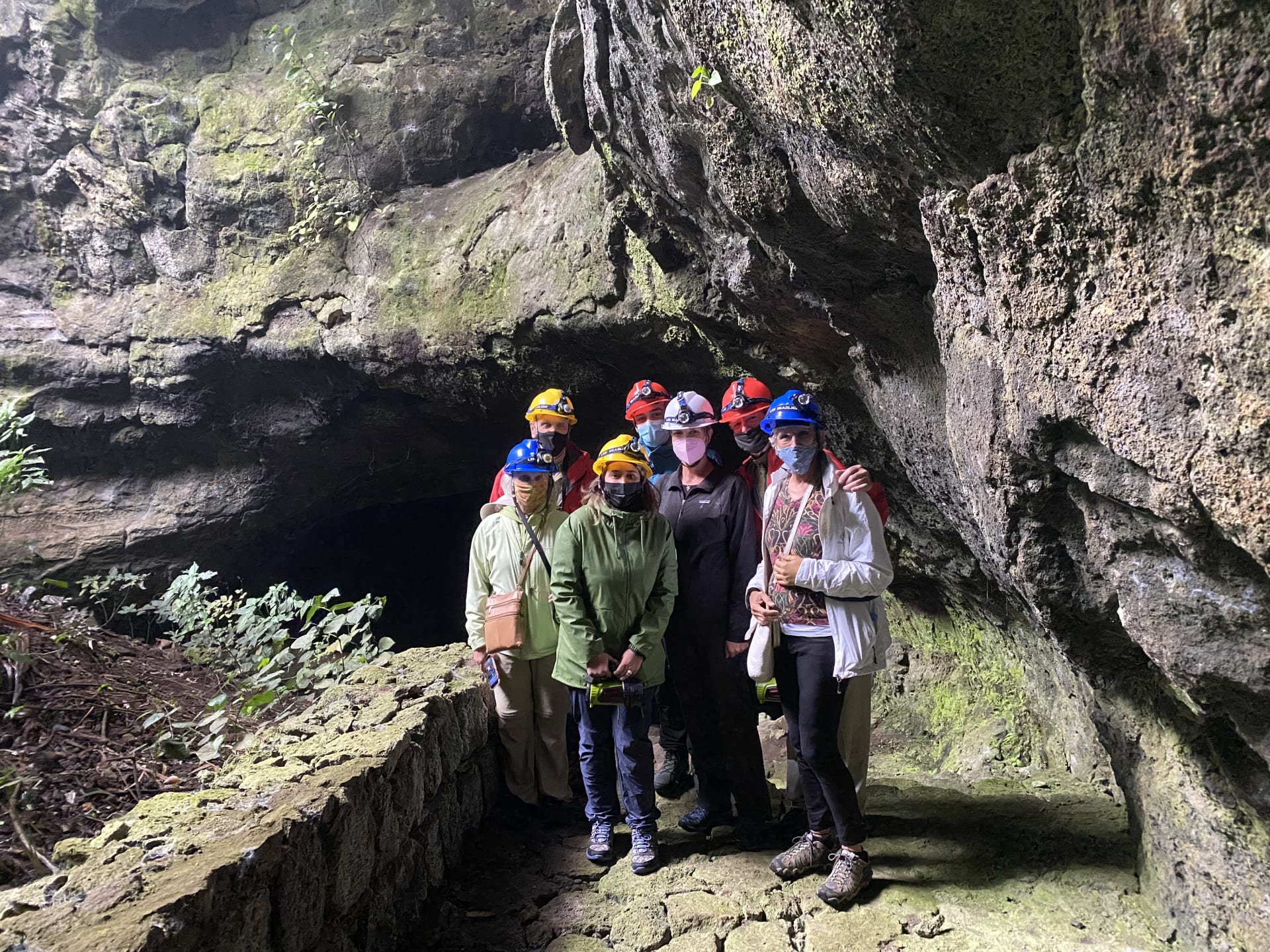
A guided walk of about two and a half hours through lava tubes near the town. The RDB lists the fee at US$50 for foreign adults, with a minimum age of 12. It is a good afternoon activity after gorillas. The tour starts at 7:00 according to the RDB page, so ask your operator about the timing.
7. Lakes Burera and Ruhondo
The twin lakes lie north-east of Musanze and can be visited by boat or on a walk in the hills. They are a calm contrast to the volcano days.
8. A cultural visit
Community and cultural experiences near the park include dance, crafts and village walks. Read whether the Iby'Iwacu Cultural Village is worth visiting.
9. A farm, tea or honey visit
The farmland around the park is intensively worked, and several community projects offer visits. See how ecotourism supports conservation and communities in Rwanda.
10. Cycling on gravel roads
Cycling is a quiet way to see the hills. Read our cycling tours in Rwanda guide or the 4-day golden monkey tracking and cycling tour.
11. Bird walks
The park's forest and edges hold Albertine Rift endemics. See best places for birdwatching in Rwanda and Uganda.
12. Rest and photography
After an early start, lodges around Musanze offer views of the volcanoes, which are best at dawn. Our photography guide helps you prepare.
How Should You Plan Two, Three or Four Days?
| Days | Plan |
|---|---|
| 2 days | Day 1: gorilla trek. Day 2: Musanze caves or a cultural visit, then return to Kigali. |
| 3 days | Day 1: gorilla trek. Day 2: golden monkeys or the Dian Fossey hike. Day 3: caves or lakes, then Kigali. |
| 4 days | Add a volcano hike (Bisoke) or a cycling day, and keep one free afternoon. |
Our 4-day gorilla trekking and Dian Fossey hike and the 5-day golden monkeys and Musanze caves tour follow these plans.
When Is the Best Time to Go?
June to September and December to February are the driest. The wetter months, March to May and October to November, bring more mud, mist and fewer visitors. Volcano views are clearest in the mornings, whatever the season.
Where Should You Stay Near the Park?
Most visitors stay in or around Musanze, the market town about two to two and a half hours from Kigali, or in lodges closer to the Kinigi headquarters. Options range from simple guesthouses to high-end lodges with volcano views; see the best luxury eco-lodges in Rwanda. A lodge near Kinigi saves you a dark drive before the 7:00 briefing, which is a real benefit on trek days. A town hotel gives you restaurants and a market for your free afternoons. Book early for June to September.
How Do You Get Around?
A private vehicle with a driver is the easiest way, because the start points are spread across the park and the town. Taxis and motorbike taxis (moto) are available for short trips in Musanze, and some lodges arrange transfers. If you cycle, you can explore the farmland roads, but you will need a vehicle for the park activities. Ask your operator to arrange the transfer from your lodge to the headquarters each morning, because the timing is tight.
What Should You Eat and Drink?
Rwandan food is simple and fresh: potatoes, beans, plantains, cassava, vegetables and grilled meat or fish, with local coffee and tea. Musanze has restaurants that serve both Rwandan and international dishes. Lodges prepare packed lunches for trek days. Drink bottled or treated water, and carry a refillable bottle. If you have dietary needs, tell your operator in advance so that the lodge and the trek-day lunch can accommodate them.
How Do You Rest After a Hard Morning?
A hot shower, a long lunch and a quiet afternoon do more than another activity. Many lodges offer massages or a fire and a book. If you want to be active, a short walk through farmland or a visit to a craft market is enough. Plan one full rest afternoon on a three-day stay, and avoid booking two trek days in a row without a gap. Rest helps you enjoy the next morning and lowers the risk of a slip on tired legs.
Best for
- Travellers who want more than one primate or hiking day
- Couples, families with teenagers and small groups
May not be ideal for
- Visitors with only one night near the park
- Those who dislike early starts; most activities start at 7:00
What Mistakes Do Visitors Make?
- Stacking two 7:00 activities on the same day. You can only do one.
- Underestimating the weather. Bring a rain jacket every day.
- Booking gorillas without lodging. Rooms fill as permits do.
- Skipping a rest afternoon. Altitude and early mornings tire you.
Frequently Asked Questions About Volcanoes National Park
How many days do you need in Volcanoes National Park?
Two days for the gorillas and one extra activity, three or four days for a fuller visit.
Can you visit Volcanoes National Park without gorilla trekking?
Yes. Golden monkeys, the Dian Fossey hike, volcano climbs and caves are separate permits. See our things to do in Rwanda besides gorilla trekking.
What is the cheapest activity in the park?
Cultural and community visits and bird walks are generally the least expensive. Check current fees.
How far is the park from Kigali?
About two to two and a half hours by road to Musanze.
Should I confirm fees and ages before I book these activities?
Yes. Fees, age limits and start times are set by the RDB and change over time, so confirm them with your operator for your dates.
Is it safe to walk around Musanze on your own?
The town is generally calm, but follow local advice, avoid walking alone after dark and ask your lodge about current conditions. Read is Rwanda safe to travel.
Planning Your Trip?
Tell us how many days you have and which activities appeal to you, and we will build the schedule and book the permits. Talk to Our Tour Specialist.
Source: Rwanda Development Board.