An Overview to Complete Rwanda Safety Guide
You may have heard Rwanda referred to as one of the cleanest and most organized country in Africa, but still wondered if it is truly safe to visit.
In the early morning you walk out of your hotel in Kigali. The streets are clean, people are off to work, motorbikes are passing through the traffic, and cafes are beginning to open. There is very little of the chaos many first time visitors might expect when planning an African holiday.
Then another thought came to mind: is Rwanda safe to travel? That’s a good question, especially if this is your very first trip to East or Central Africa with Rwanda.
To summarize, Rwanda is a relatively well organized destination with low levels of everyday crime, a visible security presence and established systems for tourism, but it is not without its risks. Petty theft is possible, there’s a real risk of road accidents and visitors should be extra careful at night and when doing outdoor activities (you would always stay with your guide especially during the night for any support).
A safe trip is not only created only when a country has a good reputation. It is based on good infrastructure, responsible behavior from the local people, expert guides, sensible choices of transport and knowing what to do before a small problem turns into a serious one.
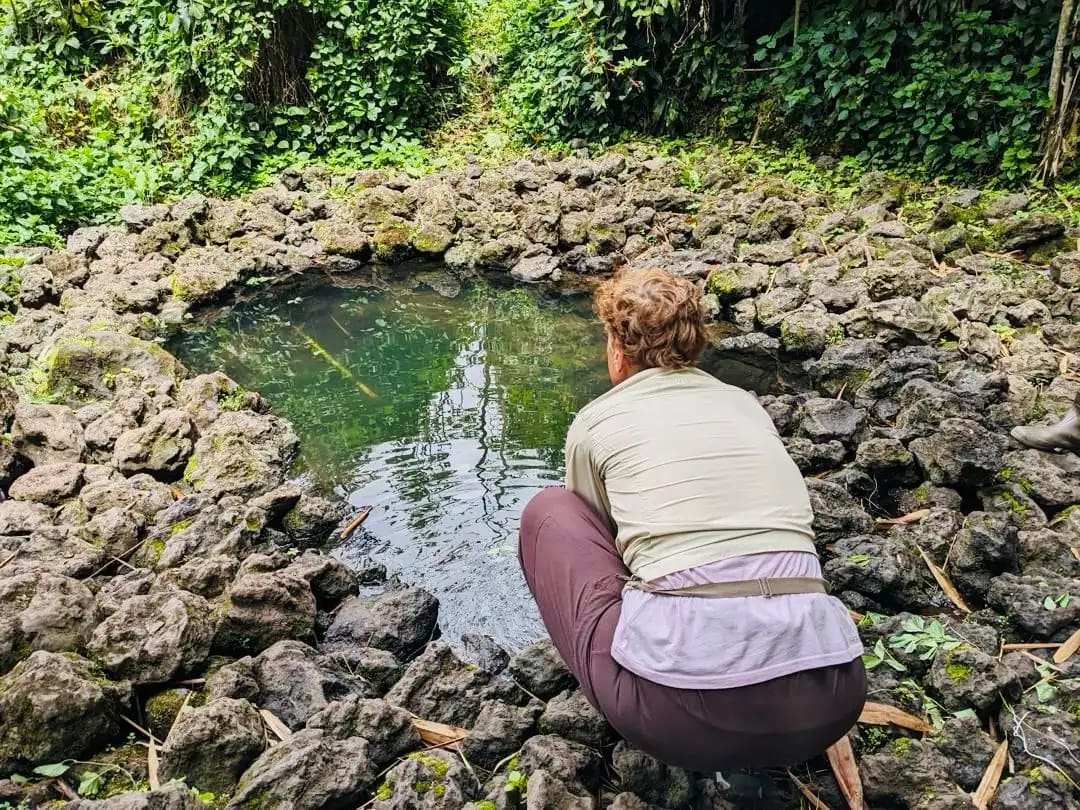
Why Rwanda Is So Highly Regarded for Safety?
It’s not only tourism advertising that gives Rwanda its reputation for order and security. The Rwanda National Police has a countrywide regional, district and local police unit structure, and specialized traffic and emergency services. Rwanda also has a single emergency number, 112, while 113 is used for road accidents and 111 for fire and rescue. The Rwanda National Police also alludes to community policing as a critical pillar of the country’s security strategy. According to the 2024 Citizen Report Card in Rwanda, 93.82% of the population were satisfied with the country’s security institutions, the police said in 2025. It is not a measure of the fact that every traveler is free of risk, but a measure of domestic perception and helps explain the country’s strong reputation for public order. The difference shows itself in everyday moments for visitors. You can walk through Kigali’s commercial areas and see people going about their business without the usual street harassment that you might experience elsewhere. The travel between the main tourist areas will be with an experienced driver guide and the journey will be organized with planned stops and not improvised. It doesn’t mean you should be reckless.” Rwanda’s security environment is better described as well-organized than risk-free. That’s a far more useful way of making sense of the country.
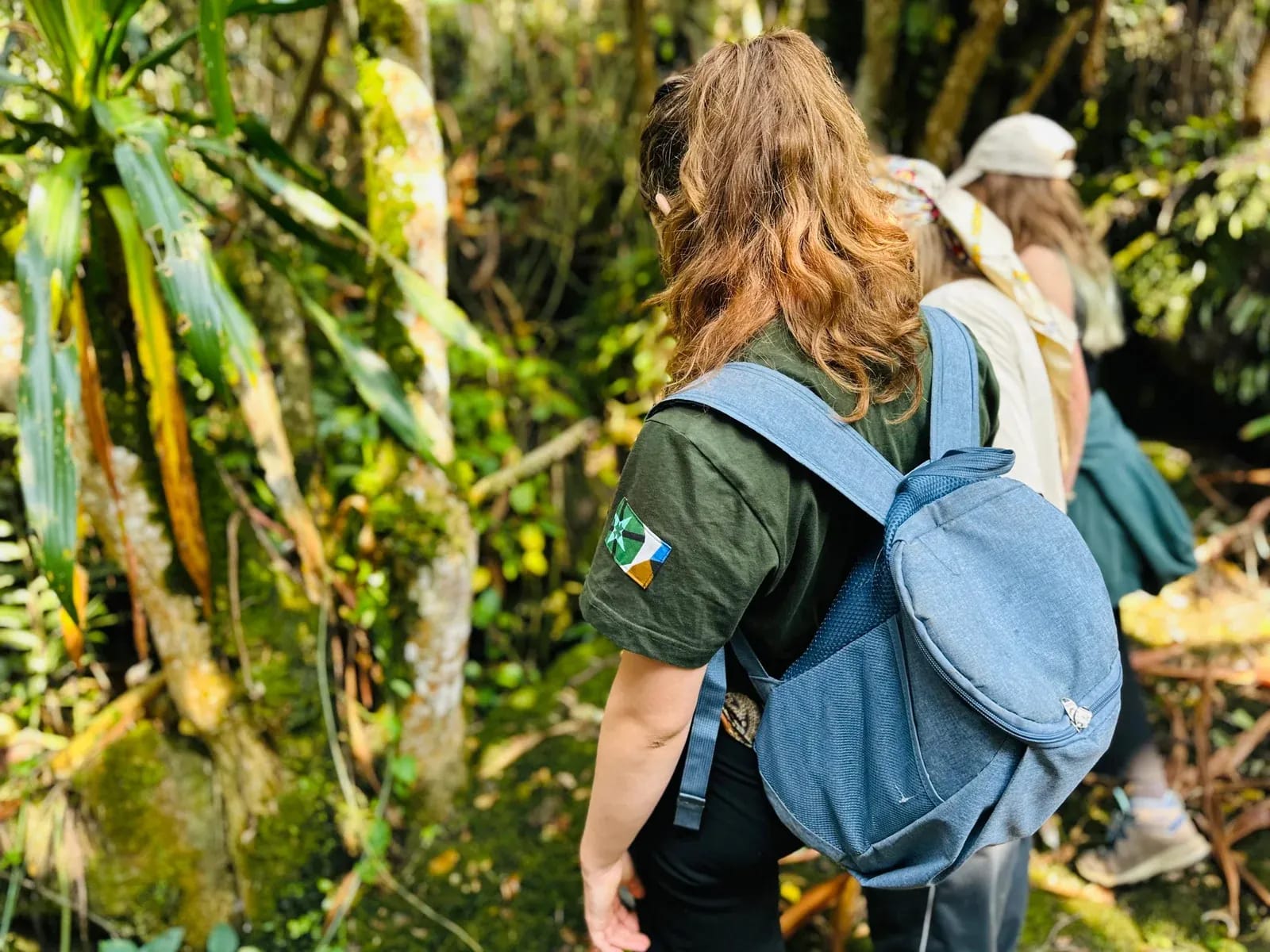
Is Rwanda Safe for Tourists and First-Time Visitors?
First-time visitors can find navigating Rwanda relatively straightforward, as tourism infrastructure is concentrated around established destinations. Kigali International Airport is about 10 kilometers from central Kigali, so the transfer from your international flight to your hotel is relatively short. Visit Rwanda suggests also organized tourism experiences through licensed tour operators. This organization can make a real difference for the outsider and someone new to Rwanda. Instead of arriving and trying to sort out unfamiliar transport systems, roads and rural routes, you can have a driver-guide waiting for you, accommodation pre-arranged, and park activities organized around permits and official requirements. This is especially handy if your tour is going to be in different parts of the country. A typical route on safari will link the city of Kigali with Volcanoes National Park, Akagera National Park, Nyungwe National Park or Lake Kivu. Each destination has different environment, activity profile and road condition. So the safest thing to do is not to ask, “Is Rwanda safe? Instead, ask: “Am I traveling in Rwanda in a safe and well-planned way?” Much better answer to that question.
Is it safe to travel to Kigali?
Kigali is generally seen as one of the more orderly urban environments in the region, but normal city precautions still matter. Note that petty crime such as pickpocketing and bag snatching occurs, especially around crowded locations, while more serious incidents such as burglary, armed robbery and assault are described as less common. The practical lesson for the tourist is simple. Never leave your phone lying on a café table next to a busy road. Do not show large amounts of cash. Keep your passport and important documents safe. Be extra cautious in crowded markets, transport hubs and busy public areas. In fact, the most dangerous thing about the often quite laid-back feeling of Kigali is feeling comfortable. A traveler who believes there is no crime in a clean, well organized city may behave differently than one who knows that low crime is still crime. During the day, many visitors get around Kigali with the appropriate level of awareness and comfort. Make sure you have reliable transportation for a night out, not to secluded or unfamiliar places. That little choice can take an unnecessary risk out of your holiday.
Is Kigali Safe at Night?
Night-time safety warrants its own discussion. The Government travel advice advises that you exercise caution after dark, particularly when walking or traveling alone. That does not mean that as soon as the sun sets, Kigali becomes unsafe. So that means the risk calculation is different.
A restaurant in a busy commercial area with transport arranged is not the same as walking down an unfamiliar street at midnight with poor lighting. If you want to enjoy the restaurants, music, cafés or evening atmosphere of Kigali, arrange your return transport in advance.
Licensed tour operators usually arrange transportation, and coordinate evening movements as part of a planned experience. This is even more useful when you are traveling alone.
You don’t want to be concerned about your safety all night. It’s about clearing away avoidable uncertainty before you leave your hotel.
Is Rwanda Safe for Solo Travelers?
Rwanda is a good destination for solo travelers You can get around in Kigali much more easily on your own than on a remote forest trail or long rural adventure. But when you get to the national parks the nature of travel changes. Gorilla trekking, chimpanzee tracking, mountain hiking and forest walks are not simply ordinary sightseeing, they are organized activities. For these activities, travel with licensed tour operator with expert guides. A professional tour operator knows where you’re going, understands the local terrain and can communicate with park authorities, accommodation providers and drivers. You still have the freedom to travel alone, but you are not really alone.
Are Motorcycle Taxis Safe in Rwanda?
Motorcycles are an important part of everyday transport in Rwanda, especially in Kigali.
Visitors should be careful, however.
The current travel advice is to avoid motorcycle transport and use licensed taxis. If you are not familiar with Kigali then an arranged vehicle can be more predictable especially when carrying luggage, cameras or other expensive equipment.
If you go on safari you also don't need to haggle for transport between destinations if you have private transport with an experienced driver-guide.
What Should Travelers Know: Health Safety in Rwanda
Travel safety is more than about crime. Health planning is equally important.
Malaria is present in Rwanda. Travelers should seek advice on prevention from a qualified travel-health professional before departure. Other specialist travel resources such as Responsible Travel also advise planning vaccinations and health precautions in advance.
Water is another thing.
If you are unsure of the source of water, use treated or bottled water instead of assuming that every tap provides safe drinking water.
Health preparation is even more important when traveling to remote areas, because medical facilities are more limited outside major centers.
Therefore, a safari with trekking, hiking or remote national parks, travel insurance with adequate medical cover and, if necessary, evacuation is a good idea.
What Should You Do if Something Goes Wrong?
One of the easiest travel safety tips for Rwanda is knowing what to do before an emergency. The official emergency number of Rwanda is 112. Traffic accidents can be reported on 113 . Fire and rescue services use 111 .
Rwanda National Police has also put in place a customer care contact through its official channels. Have your accommodation details, passport details and travel insurance details at hand.
Lost your passport? Contact your country’s diplomatic mission. If you have been victimized by theft, report it rather than trying to recover your property yourself.
And if you are on a safari or trekking tour, let your tour operator know immediately. Knowing about a minor problem early on makes it much easier for the person helping you to deal with it.
How safe is Rwanda compared to other African countries?
Comparisons between countries can be misleading because what is “safe” is not the same everyplace. One country may have great urban security but bad roads.
Another might have low petty crime but poor emergency infrastructure. A third may have great wildlife management but difficult transportation. Rwanda’s unique strength is the confluence of public order, compact geography, organized tourism and strong conservation management.
The geography of the country also helps tourism. Major experiences are combined from Kigali without the huge internal distances of some larger safari destinations. Established itineraries take a three hour drive from Kigali to Volcanoes National Park. It’s about two and a half hours by road to Akagera, with Lake Kivu and Nyungwe National Park offering even longer options.
This makes Rwanda especially attractive to travelers who want to combine wildlife, primates, culture, natural beauty, and relaxation, without spending most of the holiday in transport.
What Makes a Rwanda Safari Feel Safer?
Feeling safe is not the same as feeling confidently supported. An excellent safari will typically include airport transfer, reliable driver-guide, booked accommodation and pre-arranged park activities (some expert licensed tour operators offer signature tours. Ckeck their offers).
You know where you are sleeping tonight.
You know how you are getting to the next destination.
You know who to blame for what happened today.
And if the weather, road conditions, or activity schedules change you have someone who can help.
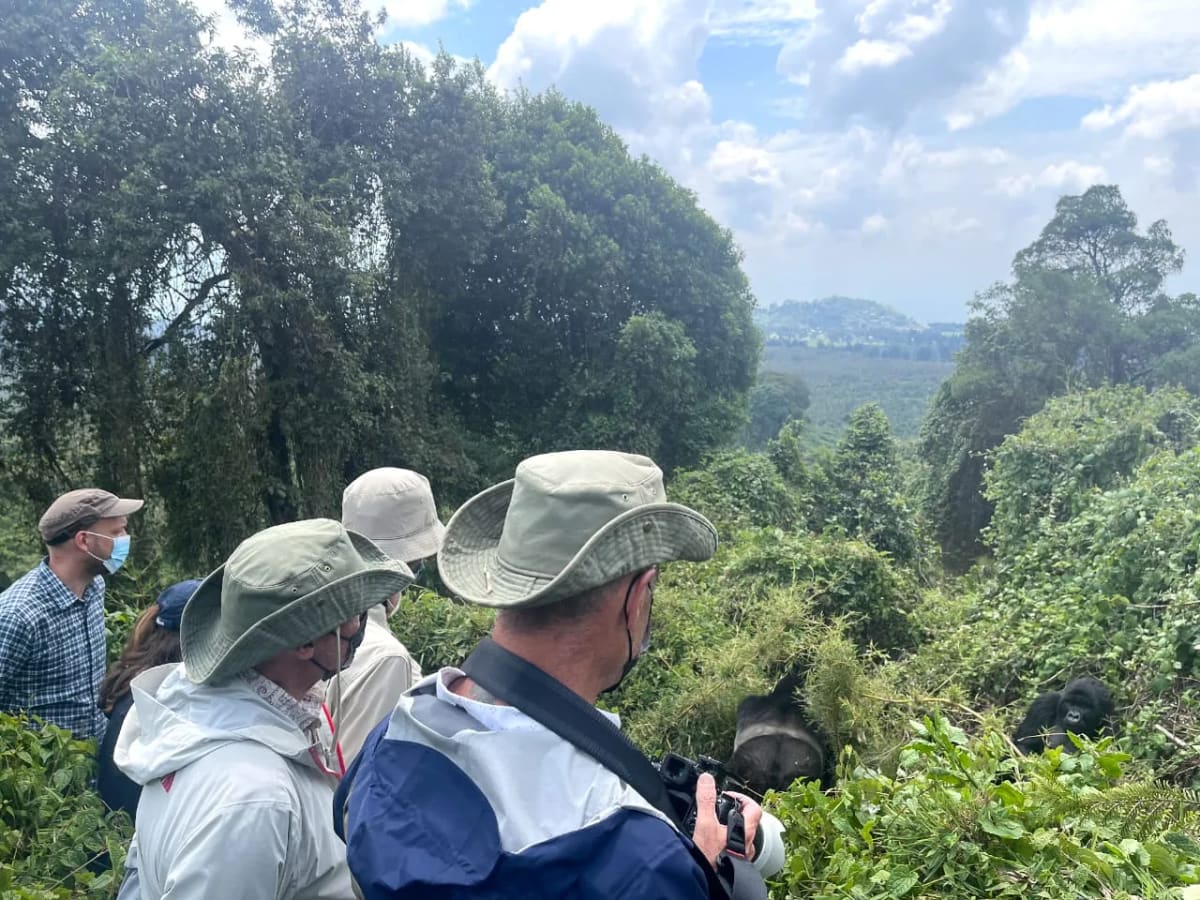
This is especially useful for gorilla trekking safari. The official system already demands guides and structured park procedures. A professional safari company can then organize permits, transport, accommodation and timing to fit that framework.
Visit Rwanda recommends gorilla experiences be done with licensed operators, which is another reason why travelers should check out who is organizing their trip and not simply go with an operator because of an attractive online price.
Planning to Visit Rwanda?
Explore our sample itineraries or contact Swift Africa Safaris for a personalized Rwanda safari quote. Our expert local team can organize transportation, permits, accommodation, guides and activities, then experience Rwanda like a local.
Frequently Asked Questions About Rwanda Travel Safety
Is Rwanda safe for foreigners?
Rwanda is generally considered a well-organized destination for international visitors, although foreigners should use normal precautions against petty theft, particularly in crowded areas, and exercise greater care after dark. Current Canadian and Australian guidance advises normal safety precautions across Rwanda overall.
Is Rwanda safe for first-time visitors?
Yes, Rwanda can be relatively straightforward for first-time visitors when accommodation, transportation and activities are planned in advance. This is especially helpful when travelling beyond Kigali to national parks where professional guides and organized activities are important.
Is Rwanda safe for solo female travelers?
Solo female travellers can visit Rwanda, but the usual precautions remain important. Avoid isolated areas after dark, use reliable transportation and choose established accommodation and tour providers. For remote trekking and national park activities, use official guides rather than travelling independently.
Is Rwanda safe for Americans?
Americans can travel to Rwanda, but they should review the current U.S. State Department advisory shortly before departure because the U.S. assessment can change. The current June 2026 advisory cites crime, unrest and health risks and provides specific guidance for travellers.
Is Rwanda safe during gorilla trekking?
Gorilla trekking is a regulated activity involving park briefings, guides and specific wildlife-viewing rules. Visitors should maintain the required distance, follow the guide's instructions and avoid approaching or touching gorillas.
Is Rwanda safe to walk around Kigali?
Kigali is generally orderly, but visitors should remain aware of their surroundings. Petty theft can occur, and official travel advice recommends greater caution after dark. Using arranged or licensed transportation at night is a sensible precaution.
What is the emergency number in Rwanda?
The principal emergency number in Rwanda is 112. The Rwanda National Police also lists 113 for traffic accidents and 111 for fire and rescue.
How much does gorilla trekking cost in Rwanda?
The current published price for an international visitor's gorilla trekking permit is US$1,500 per person, with a minimum age of 15. Safari accommodation, transport, meals and other services are additional depending on the itinerary.
Is Rwanda safe to visit during the rainy season?
Yes, Rwanda can be visited during rainy periods, but rain can make mountain trails muddy and slippery. Visitors planning gorilla trekking or hiking should prepare suitable waterproof clothing and footwear and discuss seasonal conditions with their tour operator.
How far is Volcanoes National Park from Kigali?
Established tourism itineraries commonly describe the road journey from Kigali to Volcanoes National Park as approximately three hours, depending on traffic and road conditions. The journey passes through Rwanda's densely cultivated highland scenery before reaching the volcanic region.