
The best hiking trails in Rwanda are the volcano climbs in Volcanoes National Park (Karisimbi, Bisoke, Muhabura and Gahinga), the walk to Dian Fossey's grave, the waterfall and canopy trails of Nyungwe Forest and the multi-day Congo Nile Trail along Lake Kivu. Most treks in the national parks need a guide and a permit arranged through the Rwanda Development Board (RDB) or a licensed operator, and the drier months, June to September and December to February, give the best trail conditions.
The ten trails below are ordered by region, with the difficulty and the time you should allow. Distances and times vary with the weather and your pace, so treat them as guides. The details were checked in October 2026. For hikes combined with gorillas, see our complete guide to gorilla trekking in Rwanda.

Which Hikes Are in Volcanoes National Park?
1. Mount Karisimbi
At 4,507 metres, Karisimbi is the highest of the Virunga volcanoes and Rwanda's highest peak. The hike usually takes two days, with a night camping at around 3,700 metres. The climb is demanding, through misty forest and high-altitude moorland, and it suits fit hikers. Expect cold nights.
2. Mount Bisoke
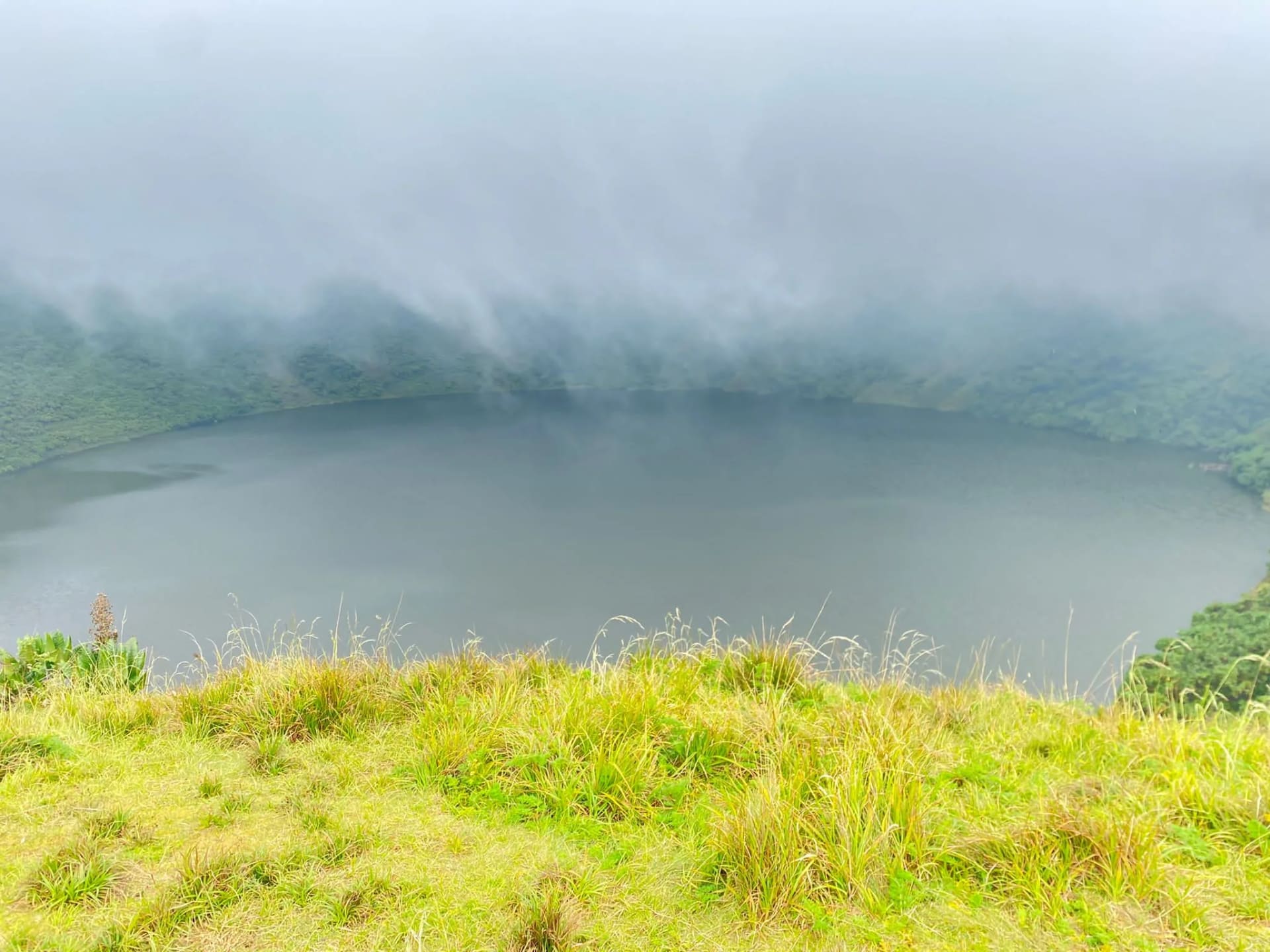
Bisoke, at about 3,700 metres, ends at a crater lake. The hike takes five hours to a full day, depending on the weather and your pace, through rainforest and bamboo. It is steep and often wet. See our 3-day Mount Bisoke hike and Twin Lakes tour.
3. The Dian Fossey trail
The walk to Dian Fossey's grave and the former Karisoke site is a moderately strenuous uphill hike through forest, taking about three to four hours on the trail. Read about it in our guide to the Dian Fossey grave.
4. Mount Muhabura
Muhabura, at 4,127 metres, is steep and open, with views over Lakes Burera and Ruhondo on a clear day. It is a long day hike for fit hikers.

5. The Ngezi trail
A shorter, scenic walk to a crater lake surrounded by forest, suitable for travellers who want a taste of the volcanic landscape without a long climb.
6. Mount Gahinga
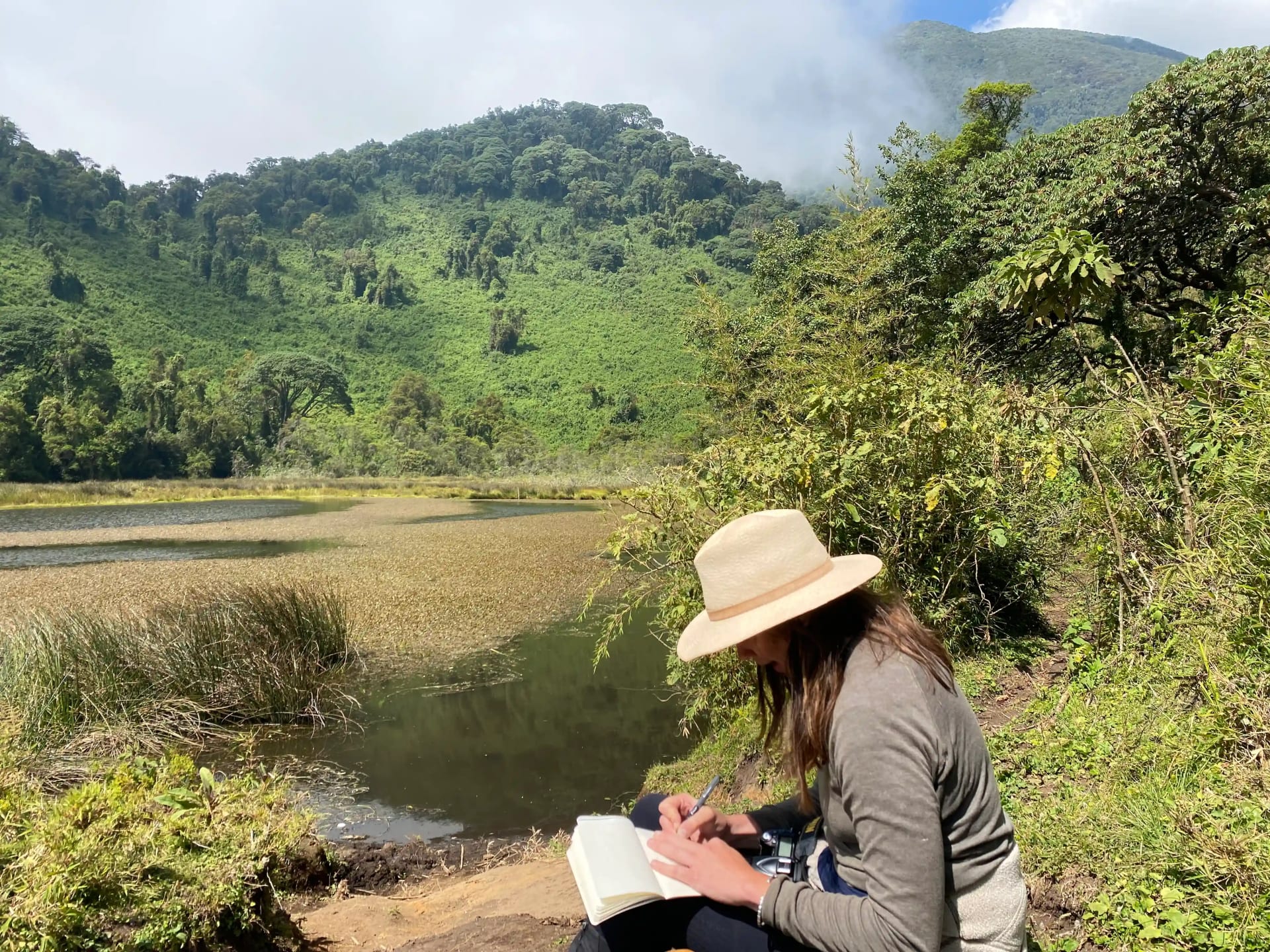
Gahinga is the gentlest of the Virunga hikes, through bamboo to a swampy crater. It suits hikers who want a balanced challenge.

Which Trails Are in Nyungwe Forest?
7. Igishigishigi trail
A short trail with tree ferns, orchids and butterflies, leading to the suspended canopy walkway. It suits most hikers.
8. Imbaraga trail
The name means "strength", and the trail demands it. It runs for several hours through mossy forest to waterfalls.
9. Isumo trail
The trail begins by tea plantations and descends through forest to the Isumo waterfall. It is popular and moderate. Read the Nyungwe travel guide.
What About the Congo Nile Trail?
10. Congo Nile Trail
The Congo Nile Trail follows the ridge between the Congo and Nile basins along Lake Kivu for about 227 to 250 km, and it is walked or cycled over several days, through villages, forest and hills with lake views. See our 6-day Congo Nile Trail hiking tour and the guide to cycling in Rwanda.

When Is the Best Time to Hike in Rwanda?
The drier months, June to August and December to February, give firmer trails and clearer views. The wetter months bring mud and cooler temperatures, but the hikes can still be done. Mountains make their own weather, so carry rain gear. Our packing list covers what to bring.
Do You Need a Permit or a Guide?
In Volcanoes National Park, hikes require a permit and a guide arranged through RDB or an operator. Nyungwe trails normally need a guide too. Ask your operator for the current rules and fees, because RDB changes them.
Best for
- Active travellers who want a hike in addition to or instead of gorillas
- Couples and friends who enjoy views and quiet
May not be ideal for
- Travellers with knee or breathing problems
- Anyone who dislikes cold, wet weather
What Hiking Mistakes Do Visitors Make in Rwanda?
- Underestimating altitude. Karisimbi and Muhabura are above 4,000 metres.
- Wearing trainers. The ground is wet and steep.
- Booking late. Permits are limited.
- Skipping layers. Temperatures fall fast.
Frequently Asked Questions About Hiking in Rwanda
Is hiking in Rwanda safe?
Yes, with a guide. Trails in the parks are regulated and rangers accompany hikers.
Do I need a permit?
For Volcanoes National Park trails, yes. Ask your operator.
Planning Your Trip?
Tell us which trails you want and your fitness, and our tour specialist can build a hiking itinerary. Talk to Our Tour Specialist.


