From The Drumbeats of Intore Warriors to The Dignity of Community
Rwanda, a land of a thousand hills, offers more than awesome landscapes. It is country rich in culture and history. Travelers looking for genuine experiences will find Rwanda's cultural tapestry both vibrant and inviting.
From traditional dances to community gatherings, Rwanda's cultural experiences are deeply rooted in its past. These traditions are not only preserved; they are celebrated with pride. Each experience offers a glimpse into the heart of Rwandan life.
Visitors can engage themselves in the rhythm of traditional music or the stories of Rwandan myths. Festivals and ceremonies provide a unique opportunity to experience the country's cultural richness firsthand.
Rwanda's cultural experiences are a bridge between the past and present. They connect travelers to the spirit and resilience of its people.
Each of the experiences below opens a different doorway into Rwandan life; some joyful and loud, others reflective and intimate that invites you to walk right into the story.

1. Discover the Intore Dance: Rwanda’s Living Storytelling
The Intore dance is a traditional performance that is both captivating and narrative driven. It is an essential part of Rwanda's cultural fabric. Known for its vibrant display of skill and grace, Intore illustrates stories of valor and victory.
This dance is a true life celebration of Rwandan history and is often performed during important ceremonies and festivals. Each movement is precise, with dancers dressed in traditional regalia, adding to the spectacle. Their headdresses and spear-like implements make the dance both powerful and elegant.
Experiencing the Intore dance offers travelers an opportunity to see storytelling in a unique form. Its performances are carefully choreographed, involving:
● Traditional drums setting the rhythm.
● Energetic footwork that synchronizes with the music.
● Dancers leaping and spinning with exuberance.
Every traveler should observe or simply engage with this dance, which encapsulates the spirit of Rwanda. Its echoes of the past resonate through each heartbeat, keeping history alive.

2. Step Into Tradition at Iby’Iwacu Cultural Village
Nestled in the heart of Rwanda, Iby’Iwacu Cultural Village offers an authentic peek into Rwandan life. It's a place where the past meets the present. Visitors are greeted by the warm smiles of local people eager to share their culture.
The village provides awesome experiences that highlight daily life and traditional practices. Guests can learn about age-old customs and participate in unique activities. This hands on approach makes the visit truly memorable.
Activities at Iby’Iwacu include:
● Traditional Rwandan drum making tutorials.
● Lessons in Rwandan cooking and local cuisine.
● Storytelling sessions featuring Rwandan tradition.
Walking through the village, travelers testify the beauty of Rwandan hospitality. Artisans display their crafts, showcasing skills passed down for generations. Each interaction enriches the understanding of this vibrant culture.
Visiting Iby’Iwacu is more than a cultural tour; it's an expedition into the heart of Rwanda's heritage

3. Celebrate at Rwanda’s Vibrant Cultural Festivals
Rwanda's cultural festivals are merge of music, dance, and tradition. They are not only events but heartfelt celebrations of the Rwandan spirit. Each festival provides a unique lens into the country's rich cultural heritage.
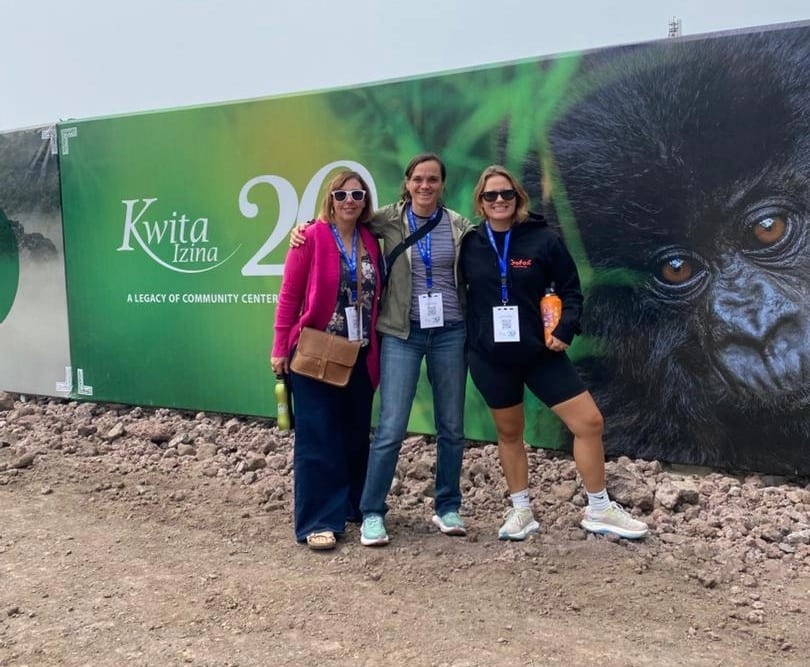
The Kwita Izina ceremony is a standout among these festivals. It’s a vibrant event held annually to name new baby gorillas. This celebration intertwines conservation efforts with cultural pride, drawing visitors worldwide.
Other notable festivals include:
● KigaliUp Music Festival: Showcases both local and international music talents.
● FESPAD (Pan-African Dance Festival): Celebrates Africa's diverse dance heritage.
● Ubumuntu Arts Festival: Focuses on human rights and artistic expression.
Festivals bring people together in a joyful atmosphere, fostering a sense of community. Through music, dance, and storytelling, these events allow participants to experience Rwanda's traditions firsthand. They are a celebration of unity, culture, and creativity.
Attending these festivals is an unparalleled way to connect with Rwandan culture. It's where tradition meets modern artistic expression, offering an amazing experience.
4. The Art and Meaning of Traditional Rwandan Clothing
Traditional Rwandan clothing is rich in cultural significance. The most iconic garment is the Umushanana, a flowing wrap worn by women. It symbolizes grace and cultural pride.
This elegant attire is often worn during special occasions. Weddings, cultural festivals, and ceremonies are common settings. The Umushanana reflects the wearer’s identity and heritage.
Men’s traditional clothing includes the Umwitero. It’s a knee-length garment paired with a sash. Both these attires feature vibrant colors and patterns, representing Rwandan artistry.
Key elements of traditional Rwandan clothing include:
● Umushanana: Worn by women for elegance and tradition.
● Umwitero: Men's wear for formal occasions.
● Bright colors and patterns: Symbolize cultural richness.
Through traditional clothing, Rwandans express themselves and celebrate their roots. This attire serves as a bridge between past and present, telling the stories of ancestors.
5. Experience the Kwita Izina Gorilla Naming Ceremony
The Kwita Izina Gorilla Naming Ceremony is a unique cultural event in Rwanda. This annual celebration centers around naming newly born baby gorillas. It highlights the country's commitment to conservation.
The ceremony is inspired by a traditional Rwandan naming practice. It's held near Volcanoes National Park, a hub for gorilla conservation. Each name given is symbolic, reflecting hopes and aspirations.
Visitors lovely and enchanting vibrant performances during the event. Traditional dances and music create a festive atmosphere. The community gathers, honoring these majestic creatures and their protection.
Highlights of the Kwita Izina ceremony include:
● Naming of baby gorillas: Highlights conservation efforts.
● Traditional performances: Celebrate Rwandan culture.
● Community involvement: Promotes unity and awareness.
Attending Kwita Izina offers insights into Rwanda’s efforts in wildlife protection. It is a blend of tradition and modern conservation success.
6. Explore the National Museum of Rwanda in Huye
The National Museum of Rwanda in Huye is a cornerstone of cultural education. It offers deep insights into Rwanda's rich history and heritage. Each exhibit tells part of the country's complex story.
Visitors can admire traditional artifacts displayed throughout the museum. Items include ancient tools, clothing, and musical instruments. These relics underscore the nation's vibrant cultural tapestry.
A trip to the museum is both educational and enriching. It provides a window into Rwandan life from past to present. Engaging displays reveal the evolution of Rwandan customs and beliefs.
Key features of the National Museum of Rwanda include:
● Historical artifacts: Connect visitors to Rwandan history.
● Cultural exhibits: Highlight traditional Rwandan life.
● Educational programs: Enhance understanding of Rwanda's past.
Exploring the museum enhances appreciation for Rwanda's cultural journey. It is an enlightening stop on any cultural tour.
7. Listen to the Echoes of Rwandan Myths
Rwandan folklore is a vibrant tapestry of myths and legends. These stories have been passed down through generations, shaping the country's cultural identity. Oral traditions are central to preserving these narratives.
Many of these stories offer moral lessons or explain natural phenomena. They are often shared in community gatherings or family settings. This storytelling tradition unites families and communities alike.
Folklore in Rwanda is not just about stories, but also about performance. It includes singing, dancing, and dramatic expressions. This dynamic form of folklore adds depth to Rwanda's cultural heritage.
Rwandan folklore features:
● Mythical tales: Offer insights into cultural beliefs.
● Moral lessons: Provide guidance on life values.
● Interactive storytelling: Engages and entertains listeners.
Embracing Rwandan folklore enriches one's understanding of Rwandan culture. It serves as a living connection to the country's past.
8. Feel the Rhythm: Traditional Rwandan Music and Instruments
Traditional Rwandan music is an enchanting voyage into rhythm and soul. It is deeply woven into the fabric of daily life and cultural celebrations. Music in Rwanda is not only heard; it is felt and lived.
The soul of Rwandan music lies in its unique instruments. Each one tells its own story. The inanga, a string instrument, is known for its soothing melodies. The ikembe, a traditional thumb piano, provides a distinctive rhythmic sound.
Engaging with Rwandan music offers a joyous attention into its cultural richness. Whether you’re attending a festival or a cherched community event, the music invites you to move and feel.
Traditional Rwandan instruments to explore include:
● Inanga: Creates melodic tunes.
● Ikembe: Produces rhythmic beats.
● Drums (Known as Ingoma in Kinyarwanda): Central to dance ceremonies.
Every note played carries an echo of Rwanda's history and spirit. Listening to traditional music offers an emotional and cultural connection.

9. Join Umuganda: Rwanda’s Community Spirit in Action
On the last Saturday of each month, Rwanda celebrates Umuganda, an inspiring communal event. This day is dedicated to improving community welfare and fostering unity among people. It is a powerful testament to Rwanda's collective spirit.
Participation in Umuganda is an enriching experience for travelers. By joining locals in activities like planting trees or cleaning streets, one gains insight into Rwandan communal values. This unique tradition strengthens social bonds and improves local infrastructure.
Umuganda is not just about physical work. It is a celebration of unity, respect, and shared purpose. It fosters a sense of belonging and offers a meaningful way to connect with the Rwandan community.
Activities during Umuganda may include:
● Planting trees and gardens
● Building community facilities
● Cleaning and maintaining public spaces
Taking part in Umuganda provides a deep appreciation for Rwanda's commitment to community development and solidarity.
10. Savor Rwandan Cuisine and Coffee Culture
Rwanda’s culinary scene is a delightful blend of flavors and communal dining traditions. Visitors can enjoy dishes like brochettes, a popular grilled meat skewer, paired with fragrant isombe, a cassava leaf dish. Every meal in Rwanda is a celebration of its rich agricultural bounty.
The nation’s coffee culture is equally captivating and promises a sensory adventure. Coffee tours offer a glimpse into the artistry of Rwandan coffee farming and production. Visitors can savor world renowned brews while learning about the coffee making process.
Rwandan food and drink provide a taste of the country's spirit and hospitality. Whether through a shared meal or sipping coffee, travelers connect deeply with Rwanda’s vibrant culture.
Some traditional Rwandan foods and drinks to try:
● Brochettes and Akabenz
● Isombe and Ugali
● Rwandan coffee and banana beer

Bridging Past and Present Through Rwanda’s Culture
Rwanda’s culture is a beautiful tapestry woven from its rich history and traditions. Each cultural experience is a portal to understanding its past. This vibrant heritage fuels a sense of unity and pride among its people.
Visitors to Rwanda find more than just a travel destination; they discover a community welcoming them with open hearts. Engaging with local traditions illuminates Rwanda's journey from its storied past to its dynamic present. These connections bring stories to life, fostering empathy and understanding.
Embracing Rwanda’s culture invites travelers to celebrate resilience, creativity, and unity. The experiences are enriching and transformative, leaving a lasting impression on all who come to explore this incredible land.
As you think about your own trip, which of these Rwanda cultural experiences speaks to you first? the drumbeat of Intore, the quiet of a museum hall, the taste of coffee on a misty hillside, or the simple act of joining neighbors for Umuganda?
Click here and contact us today for best customised cultural tour in Rwanda