
The Ancient Heart of Rwanda
Nyungwe Forest National Park in Rwanda is not like any forest, it is one of Africa’s most ancient mountain rainforests, its roots stretching back before the last Ice Age. Nestled between rolling hills and misty valleys in southwestern Rwanda, this place hums with life: more than 13 species of primates, hundreds of bird species, and a lush tapestry of orchids and giant lobelias.
Its altitude varies dramatically, from around 1,600 to almost 3,000 meters, giving it extraordinary biodiversity and dramatic landscapes. But beyond the statistics, Nyungwe feels like a heartbeat of the planet wild, wise, and deeply peaceful.
In this blog, you'll be taken into its quiet trails, reveal insider tips for planning your Nyungwe forest visit, and help you understand how chimpanzee trekking here works including costs. If you’re drawn to conservation, wildlife, or simply to reconnect with nature on a deeper level, read on.
What Makes Nyungwe Forest Special?
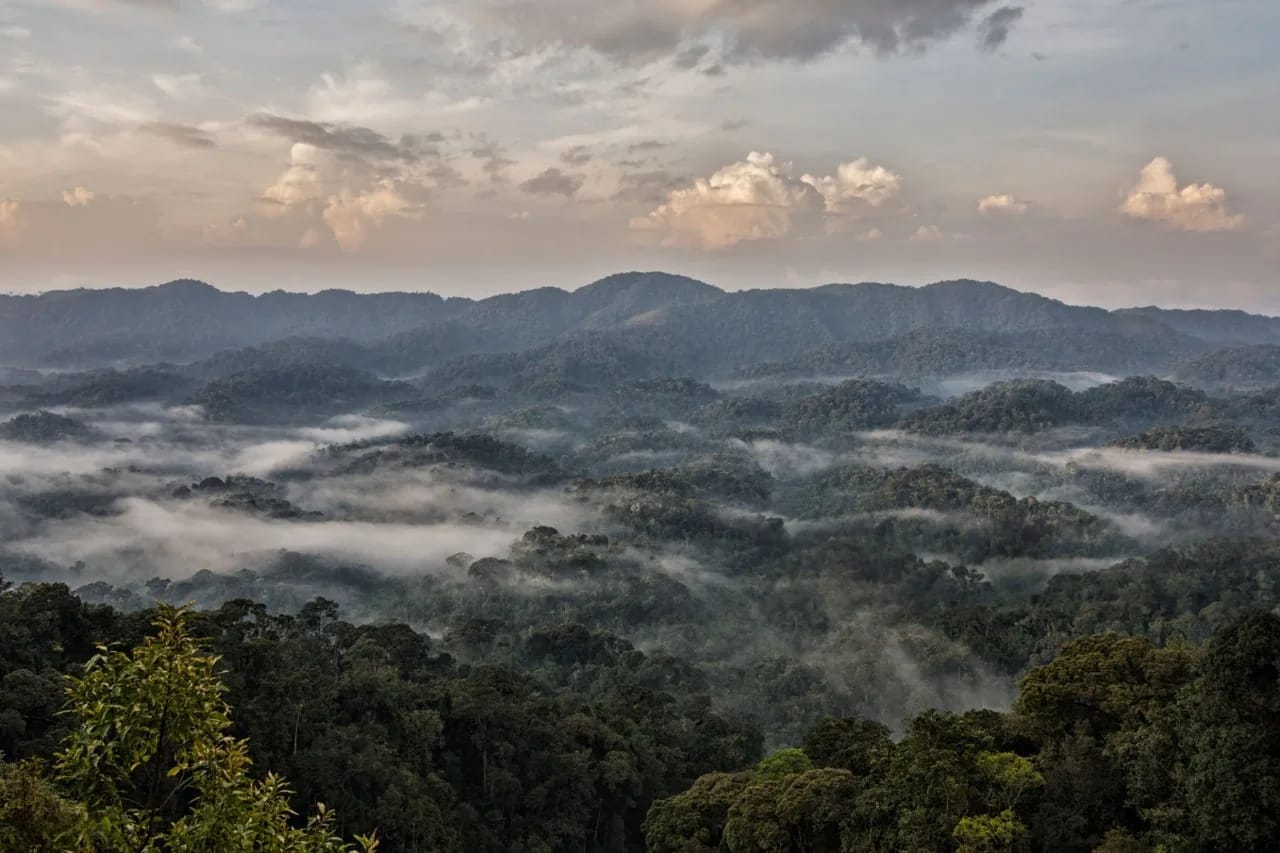
The Nyungwe is not just big at roughly 970 tp 1,019 km², it’s Rwanda’s largest single block of montane forest. Scientists believe that Nyungwe remained a refuge during the last Ice Age, which is partly why its biodiversity is so rich.
Rising from 1,600 to 2,950 meters above sea level, Nyungwe’s terrain varies from fog shrouded valleys and bamboo stands to high altitude grasslands. Because of this, Nyungwe supports a staggering diversity of life: over 1,000 plant species, more than 300 species of birds, and 13 different primate species including Chimpanzee, Colubus monkeys and many other.
Humans, too, are part of its long history. People have lived around Nyungwe for tens of thousands of years, and forest management dates back to colonial times. Today, the forest is managed jointly by the Rwanda Development Board and African Parks, blending conservation with community engagement.
A Walk Among the Trees: Top Things to Do in Nyungwe
Chimpanzee Trekking in Nyungwe
If you’ve been dreaming of an up close encounter with our closest relatives, Nyungwe offers chimpanzee tracking and it’s deeply rewarding, both emotionally and for conservation.
The Experience
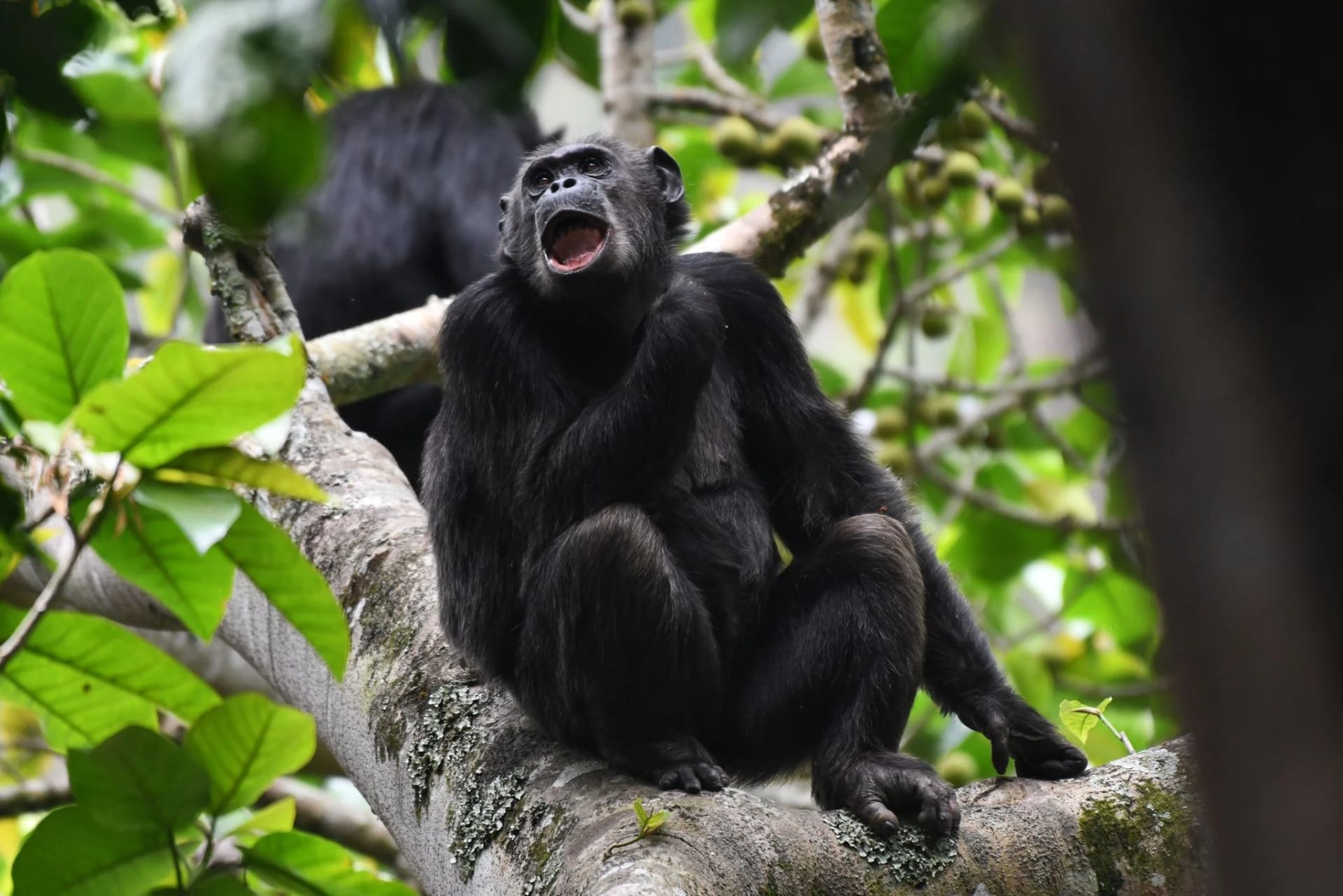
Chimp trekking begins early. at either Uwinka Visitor Center or Gisakura, have a briefing around 5 a.m., and head into the forest with your guide and a tracker. The search might take 2 to 6 hours, depending on where the chimp community is that day. When you finally find them, you may see them grooming, playing, or even quietly observing you in return, a humbling mirror to our own social lives.
Primates Wildlife and Birding in Nyungwe National Park
Nyungwe is a paradise for wildlife lovers. Among its 13 primate species are chimpanzees, L’Hoest’s monkeys, and Angola colobus monkeys. Birdwatchers will be excited too: about 310 bird species, including the spectacular blue turaco, call this forest home.

Tea Plantation Visits Near Nyungwe Forest
At the forest’s edge lie rolling tea plantations, where the mist soaked hills meet rows of emerald tea bushes. Many eco-tour operators such as Swift Africa Safaris offer tours of these plantations, a chance to sample fresh picked leaves and connect the human story to this forest’s ecosystem.

Trails and Waterfalls in Nyungwe National Park
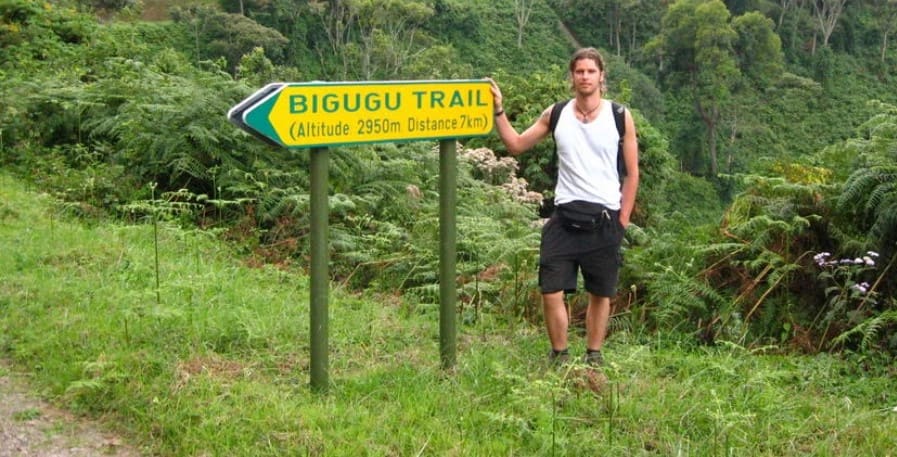
Beyond the canopy, an extensive network of trails carries you to hidden waterfalls, amazing vantage points, and deep forest valleys. One particularly memorable hike leads to Mount Bigugu, Nyungwe’s highest peak at nearly 2,950 m, rewarded with sweeping views over the forest and far beyond.
Nyungwe Canopy Walk: A Window into the Forest Roof
One of the most famous experiences in Nyungwe is the canopy walk, a suspended bridge that stretches through the treetops, giving you a bird’s eye view of the forest. From that height, the forest feels alive in a different way: the rustle of leaves, distant calls of monkeys, the play of sunlight on moss and orchids.

When to Visit Nyungwe National Park
You can trek chimpanzees year round, but the wet seasons (March to May and October to November) might be more favorable. During these times, food is abundant in the forest, and chimps move less, which improves your chances of experience. That said, sightings are never guaranteed because chimps roam widely and unpredictably.
Permit Cost & Rules
Here is the latest on chimpanzee tracking pricing:
-
A chimpanzee tracking permit now costs US$ 150 for international visitors.
-
For foreign residents (living in Rwanda or the EAC), the permit is US$ 75.
-
For Rwandan and East African citizens, the fee is RWF 25,000 per person.
-
There is also a chimpanzee habituation experience (spend more time with chimps), which costs US$ 200 for internationals, US$ 100 for residents, and RWF 30,000 for Rwandan/EAC citizens.
Permits must be prebooked, ideally well in advance, as numbers are limited. Also, children under 15 are not allowed to trek.
Conservation & Community: Why Nyungwe Matters
When you pay for a chimp permit or join a hike in Nyungwe, your money isn’t only buying a tour, it’s fueling conservation. According to the park, much of the income goes toward protecting primates, managing the forest, and supporting local communities.
The history of Nyungwe is deeply connected with its neighbors: local communities, ancient culture, and traditional crafts. Park revenue supports initiatives such as Eco Hive Guadians initiative and others surrounding villages, and many guides and trackers come from local families.
This is ecotourism in its truest sense, a partnership between people and the wild, preserved not just for profit but for legacy.
Practical Tips for Planning Your Visit
If you’re ready to plan a trip, here are some insights to make the most of your Nyungwe forest visit:
-
Book early: For chimp trekking, permits are limited and for canopy walks or guided nature hikes, all must often be booked in advance. contact your tour operator today for best planning
-
Stay nearby: Accommodation options range from campsites to lodges.
-
Pack smart: Bring waterproof hiking boots, a rain jacket (the forest is wet!), insect repellent, binoculars, and a camera.
-
Wake up early: Day starts around 5 a.m. for trekking. Be ready.
-
Combine experiences: Pair chimp trekking with a canopy walk or a tea plantation tour. The forest’s diversity rewards those who linger.
Why Choose Swift Africa Safaris?
If you’re looking for a trip that’s more than just a checklist, Swift Africa Safaris can help. Whether you want to book chimpanzee trekking, canopy walks, or a full multi day nature safari, we can put together a tailored itinerary. Your trip 5% price reinvested and support our community and conservation initiatives, respects local communities, and ensures that your visit to Nyungwe is both meaningful and smooth.
FAQs About Nyungwe National Park
Q: How old is Nyungwe Forest?
A: Nyungwe is one of Africa’s oldest forests, scientists believe parts of it date back before the last Ice Age. People have lived in and around it for tens of thousands of years.
Q: What is the altitude of Nyungwe Forest?
A: The park ranges from about 1,600 m to 2,950 m above sea level, which contributes to its varied habitats.
Q: How much does chimpanzee tracking cost?
A: For international visitors, a trek permit is US$ 150 according to the current pricing scheme.
Q: Do children under 15 years old get to track chimpanzees?
A: No, chimpanzee trekking in Nyungwe is only allowed to people aged 15 and over.
Q: Can I combine a chimp trek with other activities?
A: Absolutely. You can add canopy walks, tea plantation visits, birding, or waterfall hikes to your itinerary to make your trip richer.
Nyungwe Forest National Park is a living cathedral
Whether you’re standing on the canopy bridge, heart pounding as you search for chimpanzees at first light, or simply sipping tea as mist swirls over a plantation, this forest offers moments that stay with you long after you leave.
If you’re ready to make that tour, contact us today to design a trip that matches your pace, your passions, and your purpose.


