Is the Iby'Iwacu Cultural Village worth visiting? Yes, if you want a half-day introduction to Rwandan dance, music, crafts and village life close to Volcanoes National Park and you accept that it is a staged cultural experience rather than a spontaneous one. It works best as an afternoon after a gorilla trek, when you are tired and want something relaxed, and it works less well if you expect a quiet, unscripted visit with no performance. The village was set up to give people who lived on the edge of the park, including former poachers, a way to earn from tourism, and a share of the entrance fee supports the community.
This guide describes what the visit includes, who it suits, the reported cost, and how to visit respectfully. Fees and programmes change, so confirm them with the village or your operator before you go. We checked the details in October 2026. It supports our guide to the best cultural experiences in Rwanda.
What Is the Iby'Iwacu Cultural Village?
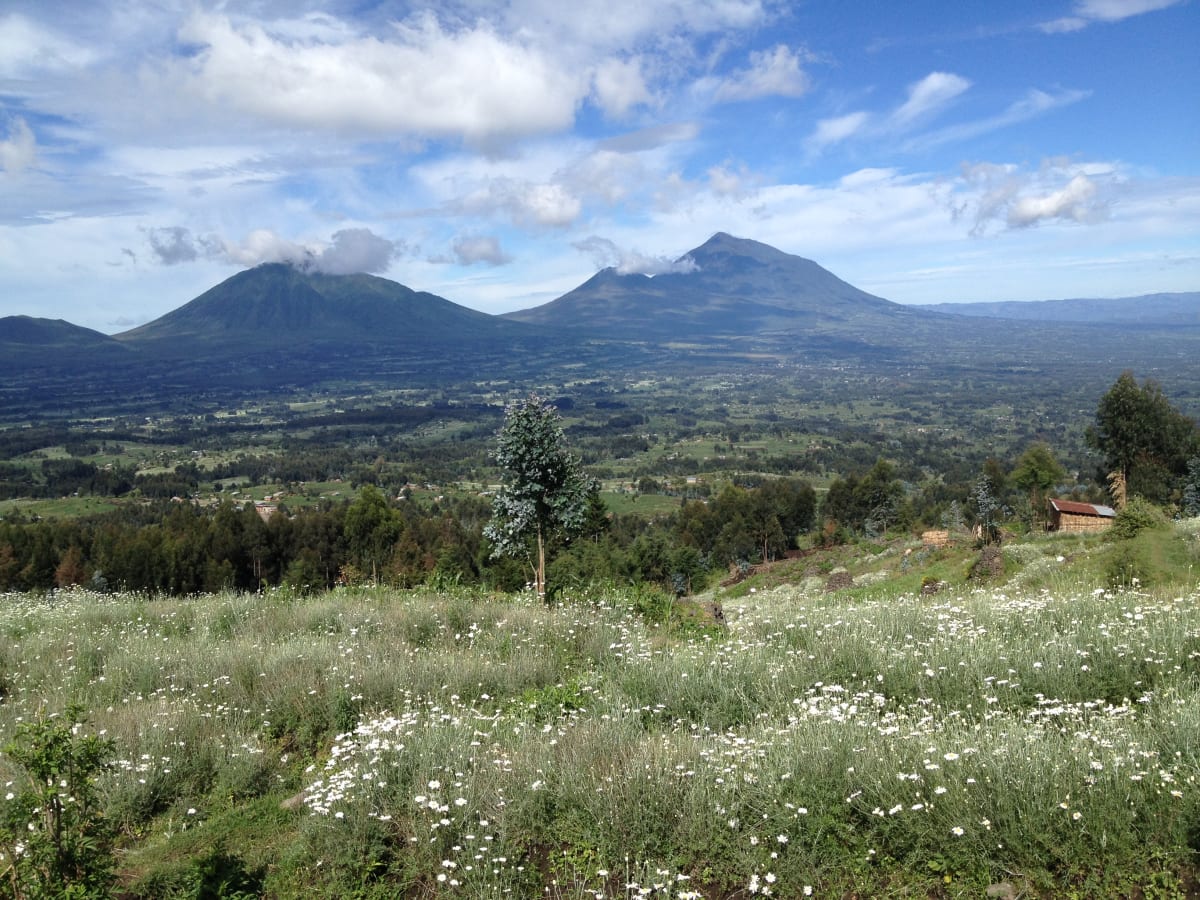
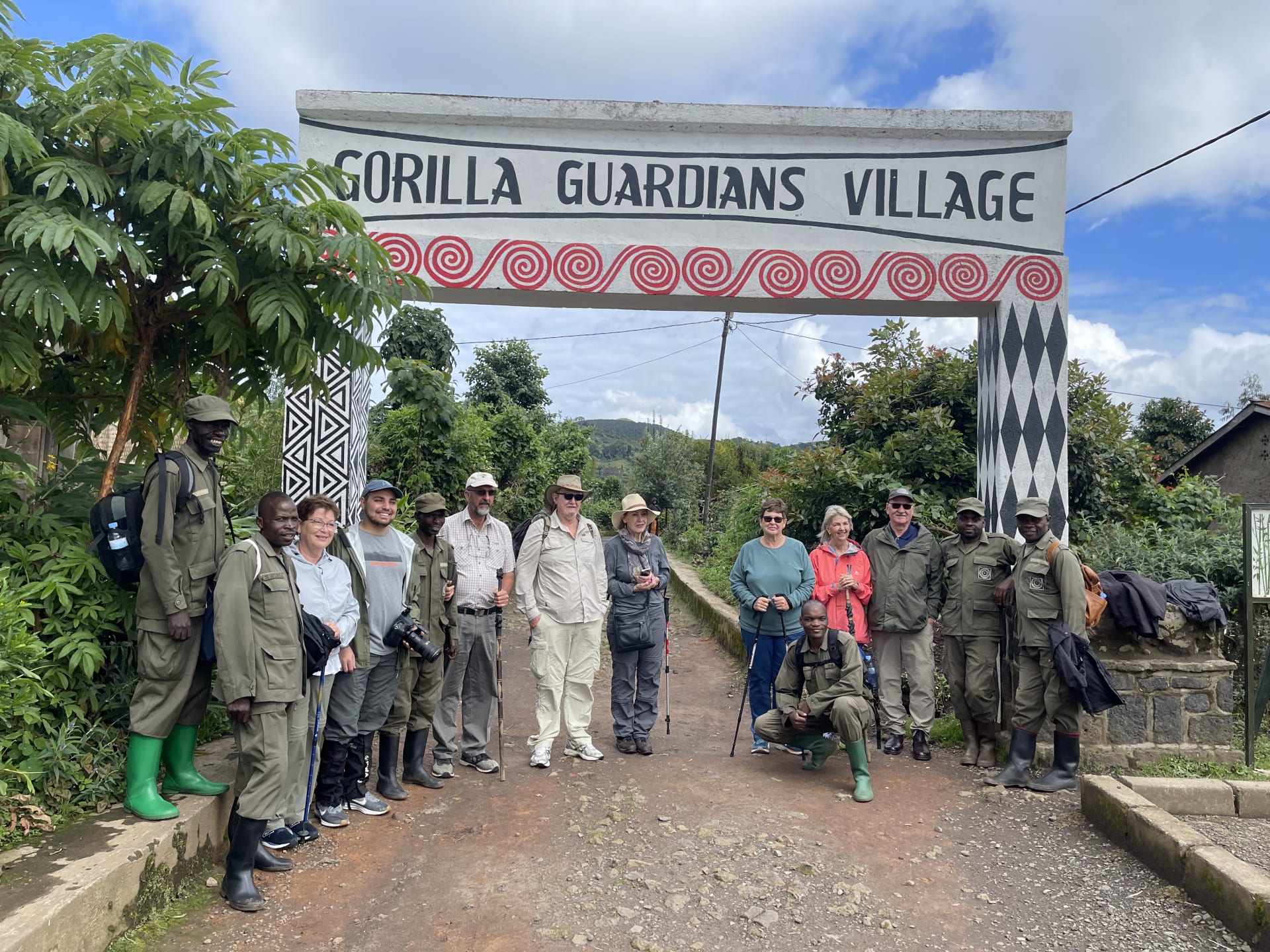
Iby'Iwacu, which also appears as Ibyiwacu and Ibyi'Iwacu, is a cultural centre near the edge of Volcanoes National Park, close to Musanze. Its entrance sign now reads Gorilla Guardians Village, so you may see either name in guidebooks and on maps. It presents traditional Rwandan life through a series of activities, many of them led by local residents. The name is generally translated as "treasures of home". The centre was started to offer an alternative livelihood to people who had relied on the forest, and income from visits supports community projects. Our article on how ecotourism supports conservation and communities in Rwanda explains why that matters for gorilla protection.
What Do You Do During a Visit?
Visitors commonly report the following:
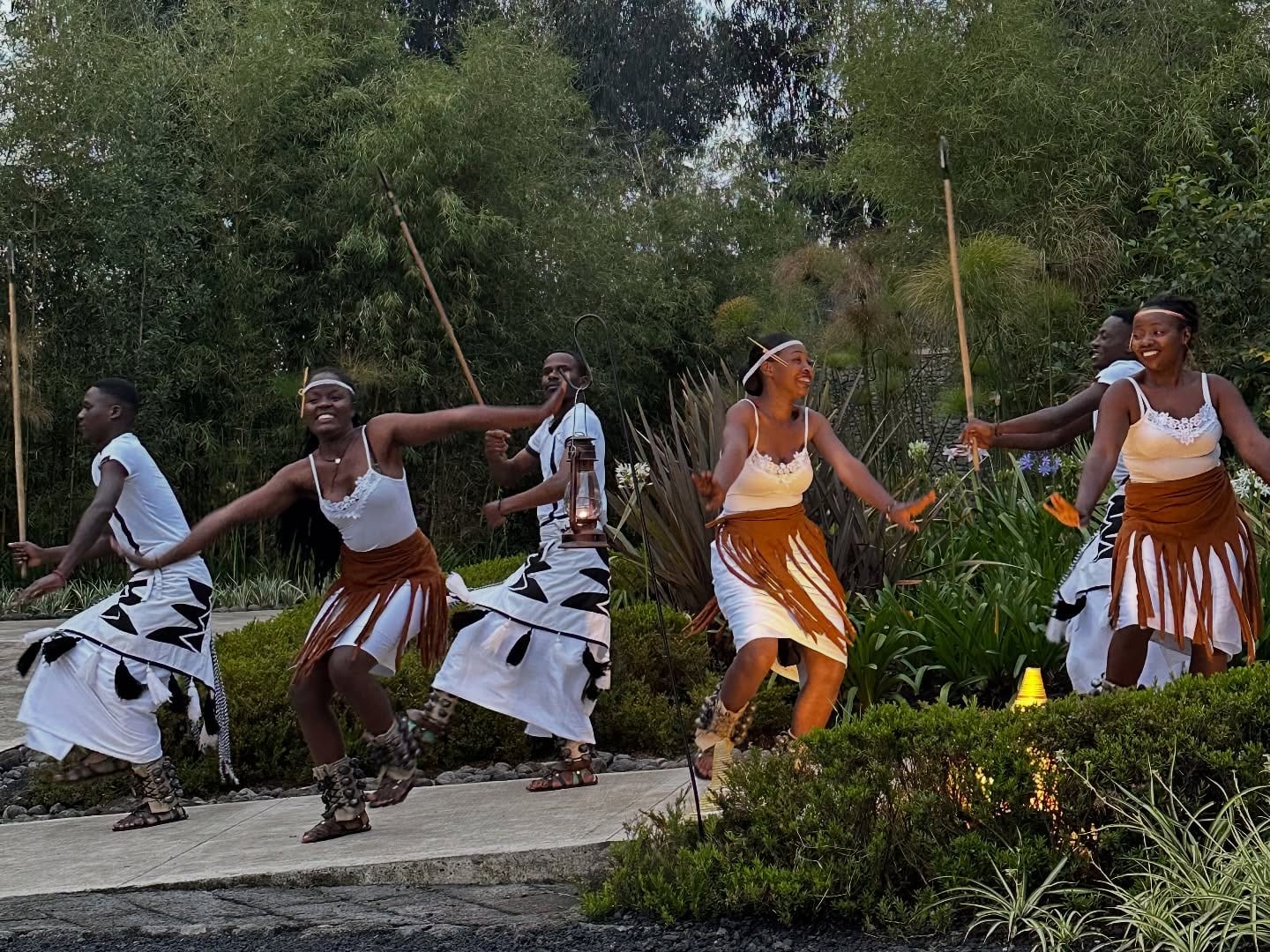
- Intore dance. A performance of the warrior-style dance, with drums, spears and shields, often photographed against the volcanoes.
- A mock royal court. A short demonstration of how a traditional king's court worked.
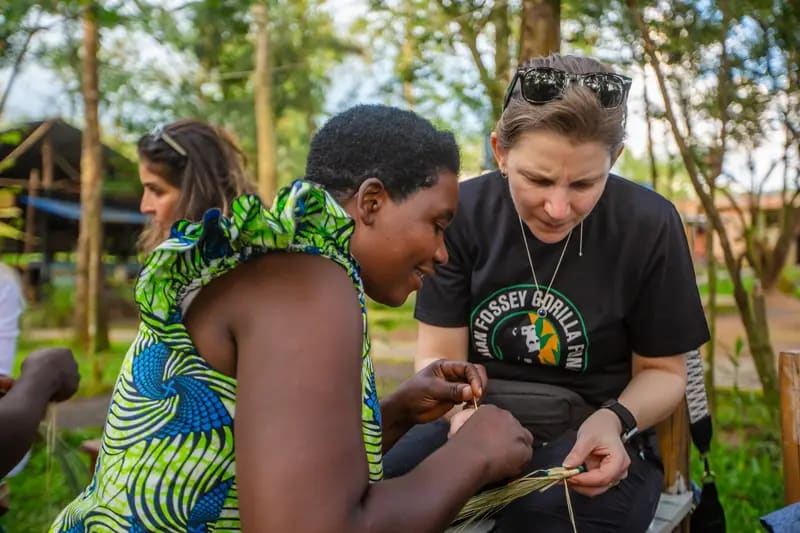
- Craft and pottery demonstrations. Pottery, basket weaving and other crafts, with chances to try.
- A walk through the village. Traditional houses, farming and the way people live around the park.
- A market and shop. Local crafts for sale.
Programmes differ from day to day, so ask what will be offered. The visit usually takes a half day.
How Much Does It Cost?
Third-party guides report about US$35 per person for a visit, with a higher price if you stay overnight. These figures come from tour sites, not from the village itself, so treat them as indicative and confirm the current rate. Some of the fee goes to staff and some to community projects. If you book through us, the visit is included in the itinerary or priced in your quote.
Is It Worth It? Pros and Cons
| Worth it because | Think twice because |
|---|---|
| You see dance, crafts and village life in one place | It is a performance, so it is planned and sometimes touristy |
| It is close to the park, easy after a trek | You will not meet people in their normal routine |
| Part of the fee supports local people | Programmes vary, so ask what is included |
| Good for photographers and families | It can feel busy if several groups arrive together |
If you want something closer to everyday life, add a farm or village walk or a community project visit. Read how to experience Rwanda like a local.
When Is the Best Time to Visit?
The visit works at any time of year. Many travellers go in the afternoon after the morning gorilla trek, when they need a gentle activity. If you plan to trek golden monkeys or do the Dian Fossey hike, do the cultural visit on a different afternoon. Mornings are cooler for dancing in the sun, but the programme often suits the afternoon light for photos.
How Do You Visit Respectfully?
- Ask before photographing people, especially close up.
- Take part when invited, and thank the performers.
- Buy crafts directly; they support the artists.
- Dress modestly and be patient with timing.
- Ask how the fees are used, and listen to the answer.
How Does It Fit Into a Gorilla Trekking Trip?
A typical day: gorilla trek in the morning, lunch at the lodge, then a cultural visit in the afternoon. Our 5-day luxury Rwanda safari and the 5-day golden monkeys and Musanze caves tour leave room for community and cultural activities. For more ideas, read what to do in Volcanoes National Park and things to do in Rwanda besides gorilla trekking.
What Is the History Behind the Village?
The communities around Volcanoes National Park have a long and complicated relationship with the forest. Some residents, including the Batwa people who lived in the forests, relied on them for food, honey and building material, and some turned to poaching when other work was scarce. When the park was protected, many people lost access to the forest. Cultural villages like this one were created to offer a different income, with former poachers working as guides, dancers and craft makers. The story is told on the visit, and it is worth asking your host about how things changed. Treat it as a conversation, not a script.
How Does It Compare With Other Cultural Visits in Rwanda?
| Experience | What it offers | Style |
|---|---|---|
| Iby'Iwacu / Gorilla Guardians Village | Dance, crafts, a mock royal court, village walk | Performed and organised |
| A community or farm visit | Farming, cooking, a meal with a family | Informal and personal |
| A tea or coffee estate visit | Picking, processing and a tasting | Educational |
| A Congo Nile Trail village stop | Meeting hosts on the trail | Spontaneous |
| Kigali museums and markets | History and everyday life | Urban |
Read the best cultural experiences in Rwanda and how to experience Rwanda like a local to build a mix.
What Do Families and Children Think of It?
The visit tends to work well for families because it is active, short and visual. Children can join the dancing, try a craft and see how people live. Teenagers who are too young to trek gorillas can take part without any age limit. The programme is relaxed, with room for questions, and the setting is safe. If your children get bored quickly, ask your host to shorten the programme or to focus on the activities they like. Read gorilla trekking with kids for other family ideas.
How Do You Make the Visit Count for the Community?
Buy crafts from the makers directly, pay the fee in full, tip your guides and dancers, and ask where the entrance fee goes. If you want to do more, ask your operator about a community project that you can visit or support. Our Signature Journeys include community visits, and the ecotourism guide explains why these visits matter. Avoid handing out sweets or money to children, which encourages begging and does not help the community.
Best for
- Families and first-time visitors who want to learn about Rwandan culture
- Travellers who want a relaxed activity after an early morning trek
- Photographers who enjoy dance and colour
May not be ideal for
- Travellers who dislike staged performances
- Those who want a quiet, unplanned encounter; a farm or community project visit is better
What Mistakes Do Visitors Make?
- Expecting a museum. It is a live programme.
- Booking it right after a long trek without a rest. Allow lunch first.
- Photographing without asking. Ask first.
- Not asking what is included. Check the programme and the fee.
Frequently Asked Questions About Iby'Iwacu Cultural Village
How long does the visit take?
Usually a half day, depending on the programme.
How much is the entrance fee?
Third-party guides report about US$35, but confirm the current rate.
Can children go?
Yes. It is one of the more child-friendly activities near the park.
Where is it?
Near the edge of Volcanoes National Park, close to Musanze.
Should I confirm the fee and the programme before I go?
Yes. Fees and programmes change and our figures come from third-party guides, so confirm the price and what is included with the village or your operator.
Is it better to visit before or after gorilla trekking?
After is usual, because you are tired and want something gentle. Either works, as long as the dates do not overlap with a 7:00 start.
Planning Your Trip?
Tell us how much time you have near the park and what you enjoy, and we will fit in the cultural visit. Talk to Our Tour Specialist.
Source: Visit Rwanda.