Gorilla Trekking Rwanda Packing List
The Gorilla trekking experience in Rwanda happens in cool, misty, high altitude rainforest where daytime temperatures is around 16°C and rain can show up almost any day of the year.
Trails climb from about 2,400 to over 3,000 meters above sea level, which means thinner air, high slopes, thick vegetation, and mud that can turn a tender walk into a serious workout. On top of that, a gorilla permit costs around 1,500 USD and only a limited number are issued daily, so you really don’t want gear mistakes to ruin the one precious hour you’ll spend with a family of mountain gorillas.
Many visitors underestimate how wet, cold, or slippery it can get in Volcanoes National Park, especially if they’ve just come from a warm city like Kigali. Others pack too much, wear the wrong fabrics, or forget small items that make a huge difference like gloves or dry bags.
The good news is that with a smart, updated gorilla trekking packing list, you can stay comfortable, focused, and fully present when those quiet brown eyes finally look straight into yours.
This guide walks you through exactly what to pack for gorilla trekking in Rwanda, why each item matters, and how to adapt your packing for different seasons. By the time you zip up your backpack, you’ll feel calm, prepared, and ready to enjoy every moment into the forest.
Why Gorilla Trekking Needs Its Own Packing List
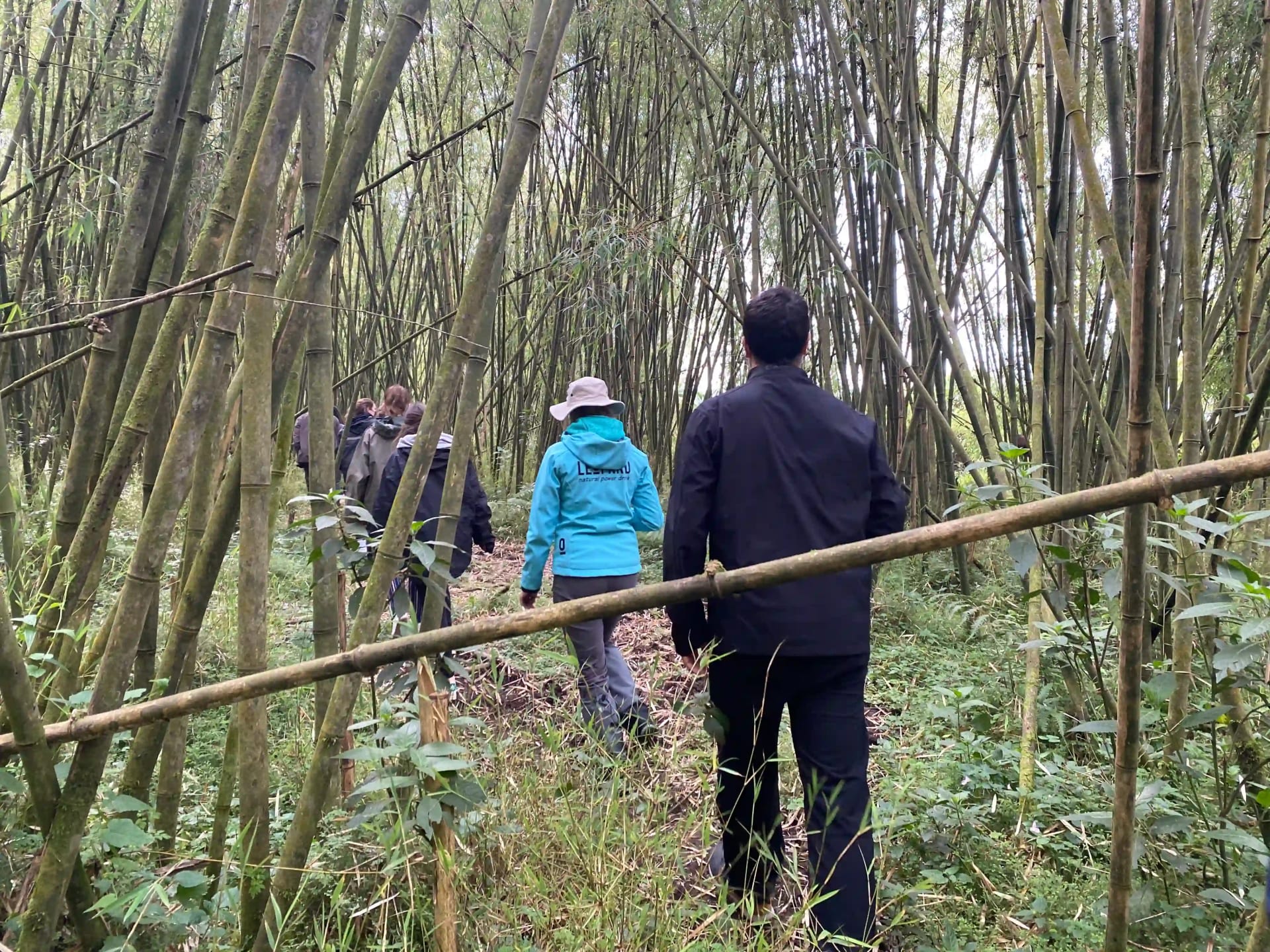
Gorilla trekking isn’t a walk between viewpoints; it’s a guided hike into impenetrable mountain forest where there are no boardwalks and very few flat sections. Rangers cut fresh paths through ferns and bamboo, and your route depends entirely on where the gorillas decided to feed or rest that morning.
Unlike a savannah safari, you are on your feet for several hours, often leaning on walking sticks, grabbing branches for balance and stepping over slick roots.
Temperatures are cool but humid, so you can be sweating on the climb yet feel chilled as soon as you stop near the gorillas. Trails are at their driest in the June to September and December to February dry seasons, but even then you’re in rainforest, so showers are normal rather than surprising.
All of this means your gorilla trekking packing list has to balance four things at once: protection from rain and mud, warmth at altitude, breathability during steep climbs, and respect for a fragile ecosystem.

Understanding Volcanoes National Park Conditions
Volcanoes National Park sits in Rwanda’s far northwest and protects the high slopes of the Virunga volcanoes, home to mountain gorillas and golden monkeys. The altitudinal range from about 2,400 to over 4,500 metres brings thinner air, cooler temperatures and quickly changing cloud cover.
Even in “summer” months, mornings at the park headquarters in Kinigi can feel cold, especially for visitors flying in from warmer cities. Under the forest canopy the air is often damp, and mist clings to leaves long after the rain has stopped. In the wettest months of March to April and October to November, trails become significantly muddier and more slippery, but the forest is intensely green and atmospheric.
Knowing this in advance helps you decide what to pack for mountain gorilla trekking: not heavy winter gear, but clever layers and fabrics that still work when damp and that protect you from vegetation as much as from weather.

Clothing: What to Wear for Gorilla Trekking Experience
1. Base and Mid Layers
The best starting point is a breathable, moisture wicking T-shirt or long sleeved base layer. Synthetic or merino fabrics move sweat away from your skin so you don’t cool down too quickly when you stop walking. Over this, a lightweight long sleeved shirt or trekking top gives you another barrier against insects and plants without feeling bulky.
For warmth, pack one mid layer such as a thin fleece or lightweight insulated jacket. You’ll appreciate it during the morning briefing, on exposed ridgelines, or when you stand still near the gorillas for an hour. It should compress easily into your daypack when you warm up on the climb.
Bright whites and neon colours aren’t ideal; neutral greens, browns and greys are recommended across most specialist gorilla trekking packing guides because they blend better into the forest and feel calmer for wildlife.
2. Trousers & Protection from Vegetation
Gorilla habitat is thick with bamboo, vines and occasionally stinging nettles, so long trousers are non negotiable. Quick dry hiking pants are far better than jeans or heavy cotton: they shed light rain, dry more quickly and are easier to move in when you’re stepping over logs or climbing short, steep sections.
Many regular trekkers like to tuck trouser legs into high socks to keep ants and burrs out; others use lightweight gaiters, especially in the rainy season, for extra protection around shins and ankles. If your trip combines gorilla trekking with time in Kigali or on the savannah, choose trousers you’re happy to wear in both settings so you don’t overpack.

3. Outer Layers & Rain Protection
No matter when you travel, include a waterproof, breathable jacket on your gorilla trekking packing list. The forest can deliver drizzle, sudden rains or just constant dripping from leaves even after the sky clears. tour operators and lodges consistently highlight a good rain shell as one of the most important items for what to wear for gorilla trekking.
If your trek falls in the rainier months, lightweight waterproof overtrousers are worth the space. They keep mud and moisture off your base layer and make it easier to sit or kneel when you find the gorillas.
4. Footwear & Socks: Where Comfort Starts
Ask any tracker and they’ll tell you: if you invest in one thing beyond your gorilla trekking permit, make it proper boots. Trails in Volcanoes National Park can be steep, slick with mud, and dotted with loose volcanic rock.
Sturdy, waterproof hiking boots with ankle support and good grip are the standard recommendation across Rwanda gorilla trekking packing lists. Trail running shoes may feel lighter, but they offer less support on uneven ground and let in more water when you sink into a muddy patch.
Equally important are your socks. Choose high quality hiking socks in merino or synthetic blends that cushion your feet and dry quickly. For many travelers, packing a second pair of socks for the trek day is a small luxury that makes a big difference: you can change into a dry pair just before visiting the gorillas if your first pair gets wet on the climb.
Most importantly, break in your boots before you arrive in Rwanda. Even the best shoes will cause blisters if they’re brand new on a three hour climb.

5. Daypack & OnTrail Essentials
On trek day you’ll carry (or a porter will carry) a compact daypack with your essentials. A 20 to 30 litre pack is enough for layers, water, snacks and a camera without feeling bulky. Many visitors hire local porters at the trailhead (with 10 to 15USD); it’s an affordable way to support nearby communities and keeps your hands free for balance.
Inside the pack, start with water around two litres is a good baseline at altitude and on high trails. Tour operators here in Rwanda such as Swift Africa Safaris and Lodges usually supply/ pack for you bottled or filtered water; using reusable bottles or a hydration bladder cuts down on waste. Add energy rich snacks like nuts, dried fruit or granola bars, especially if you’re used to early dinners and find your stomach rumbling by mid morning.
Your passport and gorilla permit should travel in a small waterproof pouch or dry bag inside the daypack; you won’t be allowed to trek without them. A thin travel towel or bandana is useful for wiping sweat or rain from your face, and a small bottle of hand sanitiser is helpful before snack breaks.
Because Rwanda has one of the strictest bans on non-biodegradable plastic bags in the world, avoid packing loose polythene bags; reusable fabric or silicone bags and dry sacks are the best way to separate clean and muddy gear.
6. Health, Safety & Ecofriendly Extras
A compact personal health kit doesn’t take much space but adds a layer of reassurance, especially when travelling longhaul. Include any prescription medication, painkillers, anti-inflammatory tablets, rehydration salts and a handful of plasters or blister patches. Gorilla trekking is generally safe and well managed, but you’ll feel more relaxed knowing you can deal with a mild headache or hotspot yourself.
Insect repellent and sunscreen are important year round. Even on overcast days, UV exposure at altitude is stronger than many visitors expect, and you’ll often pass through open clearings before re-entering the forest. A sun hat or cap, plus a simple buff or neck gaiter, gives extra protection from breeze, dust and sun.
From an ecoperspective, the key principle is to leave as little trace as possible. Take any wrappers or used tissues back out with you in a zip bag, avoid single use plastics, and follow your guide’s instructions on where to stand or walk near the gorillas. Tourism revenue from gorilla permits funds conservation and community projects, and travelling thoughtfully helps keep that story positive
Updated Essential Packing List for Gorilla Trekking
This is the one section where we’ll keep everything in a clear, scannable list so you can double check your suitcase before flying to Rwanda.
-
Waterproof hiking boots with ankle support
-
Hiking socks (at least two pairs for trek day)
-
Moisture wicking base layers (tops)
-
Lightweight long sleeved trekking shirt
-
Quick dry long hiking trousers
-
Warm mid layer (light insulated jacket)
-
Waterproof, breathable rain jacket; optional rain trousers
-
Lightweight gloves with grip (for holding vegetation and walking sticks)
-
Sun hat or cap, and a buff or neck gaiter
-
20 to 30L daypack, ideally with rain cover
-
Two litres of water in reusable bottles or a hydration bladder(Swift Africa Safaris pack it for you)
-
High energy snacks from home or your lodge
-
Passport and Rwanda gorilla trekking permit in a waterproof pouch
-
Basic personal first aid kit and prescription medications
-
Insect repellent, sunscreen and SPF lip balm
-
Travel size hand sanitiser and tissues in a reusable bag
-
Camera or smartphone (no flash) plus reserve battery or power bank
-
Reusable dry bags or packing cubes instead of plastic bags
-
Lightweight casual clothes to change into at the lodge after the trek
Seasonal & Multi-Country Safari Considerations
Many visitors combine gorilla trekking with classic safaris in Akagera, Tanzania for safaris and cultural experiences, Uganda for Murchison falls and other activities or with time in South Africa. That means luggage weight and airline rules matter as much as comfort on the trail. Soft sided backpack bags are usually easier to handle in 4×4 vehicles and small planes than rigid suitcases.
If you’re travelling in the June to September dry season, prioritise layers you can wear multiple times and plan to do laundry at lodges rather than packing extra outfits. In shoulder or rainy seasons, shift weight towards waterproofs and extra socks rather than more shirts. A single set of neutral trekking clothes can usually work across gorilla trekking, chimpanzee and golden monkey treks in Rwanda and Uganda.
Photography: Capturing The Hour Respectfully
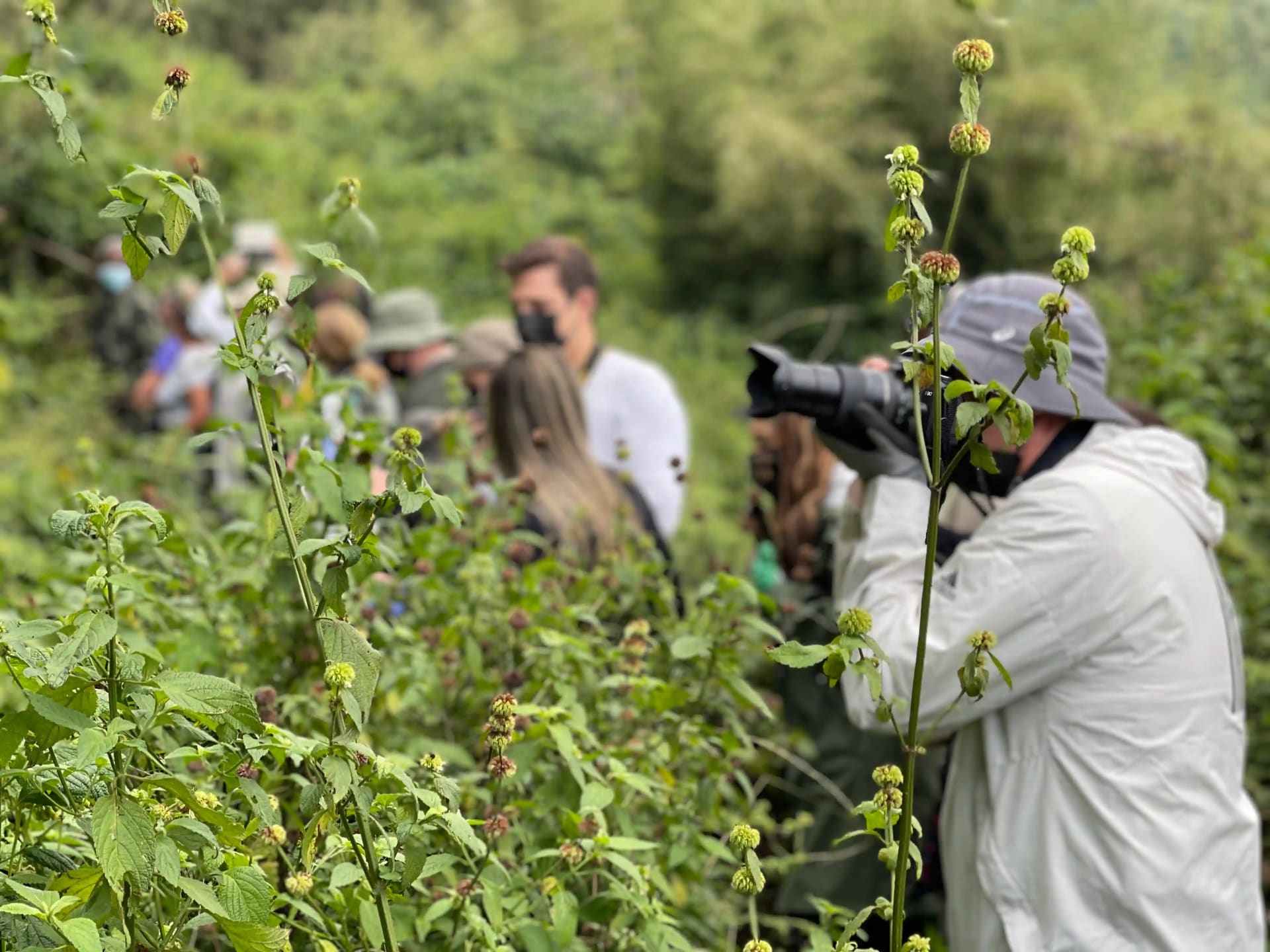
When you finally step into a forest clearing and see a gorilla family feeding, your instinct will be to reach for a camera. Modern smartphones are more than capable of recording beautiful images in the soft, diffused light of Volcanoes National Park. Those who bring DSLRs or mirrorless cameras generally find that one mid range zoom lens (for example 24 to 70mm or 70 to 200mm) is easier than juggling multiple lenses in the rain.
Flash is not allowed, so it’s worth practising low light photography before your trip. A simple rain cover or dry bag for your camera and a microfiber cloth to wipe the lens are extremely useful, especially in the rainy season. Extra batteries drain faster in cool, damp air, and a compact power bank keeps phones charged when you’re also using them for photos, navigation and reading.
Most importantly, remember that the best memories aren’t always the closest zoomed in portrait. Sometimes the most powerful image is a wide shot that shows the gorillas in their forest home, with you quietly watching from a respectful distance.
FAQs: What to Pack for Gorilla Trekking in Rwanda
Do I really need waterproof hiking boots?
Yes. Trails in Volcanoes National Park can be steep, muddy and uneven, especially in March to April and October to November. Waterproof hiking boots with ankle support and good tread keep you stable and protect you from slipping, twisting an ankle or hiking all day with wet feet.
Can I wear shorts for gorilla trekking?
Shorts are strongly discouraged. Trekking routes pass through tall grass, nettles and thorny plants, and you may need to kneel or sit to get a stable view of the gorillas. Long, quick dry trousers protect your skin and are recommended by nearly every gorilla trekking packing list for Rwanda and Uganda.
Are walking sticks or trekking poles necessary?
They’re not mandatory, but many trekkers are grateful for them on steep or slippery sections. Simple wooden sticks are often provided at the trailhead, and you can also bring collapsible trekking poles from home if you use them regularly. They’re especially helpful if you have knee issues or are trekking during the rainy season.
Do I need gaiters for gorilla trekking?
Gaiters are optional comfort gear. In drier months you can often manage without them, but in rainy periods they help keep mud, seeds and water out of your boots and provide an extra layer against plants and insects around your lower legs. Many experienced guides list gaiters among the top upgrades if you tend to feel the cold or dislike wet ankles.
What about Rwanda’s plastic bag ban, how does it affect packing?
Rwanda has enforced a national ban on non-biodegradable polythene bags since 2008, and they can be confiscated on arrival. Swap single use plastic bags for reusable packing cubes, cloth bags and dry sacks. They keep your luggage organised, comply with local law and reduce waste in a country that takes cleanliness and environmental protection seriously.
Can I rent gorilla trekking gear in Rwanda instead of bringing everything?
Some lodges and outfitters near Volcanoes National Park can provide items such as gaiters, rain ponchos or walking sticks, but sizes and stock are not guaranteed. Key items like hiking boots, socks and base layers should come from home so you know they fit and are comfortable. Renting or borrowing a few extras locally can then fill any gaps.
Now Gorilla Trekking Packing List is No Longer an Issue
When you know exactly what to pack for gorilla trekking in Rwanda, your whole tour shifts. Instead of worrying about wet socks, cold hands or permits, you can focus on the smell of damp earth, the crunch of bamboo under your boots and the quiet, powerful presence of a silverback nearby.
If you’d like customized gorilla safari that fits your travel month, fitness level and wider safari plans, Swift Africa Safaris can help refine your gorilla trekking packing list, secure permits and match you with lodges that suit your style.