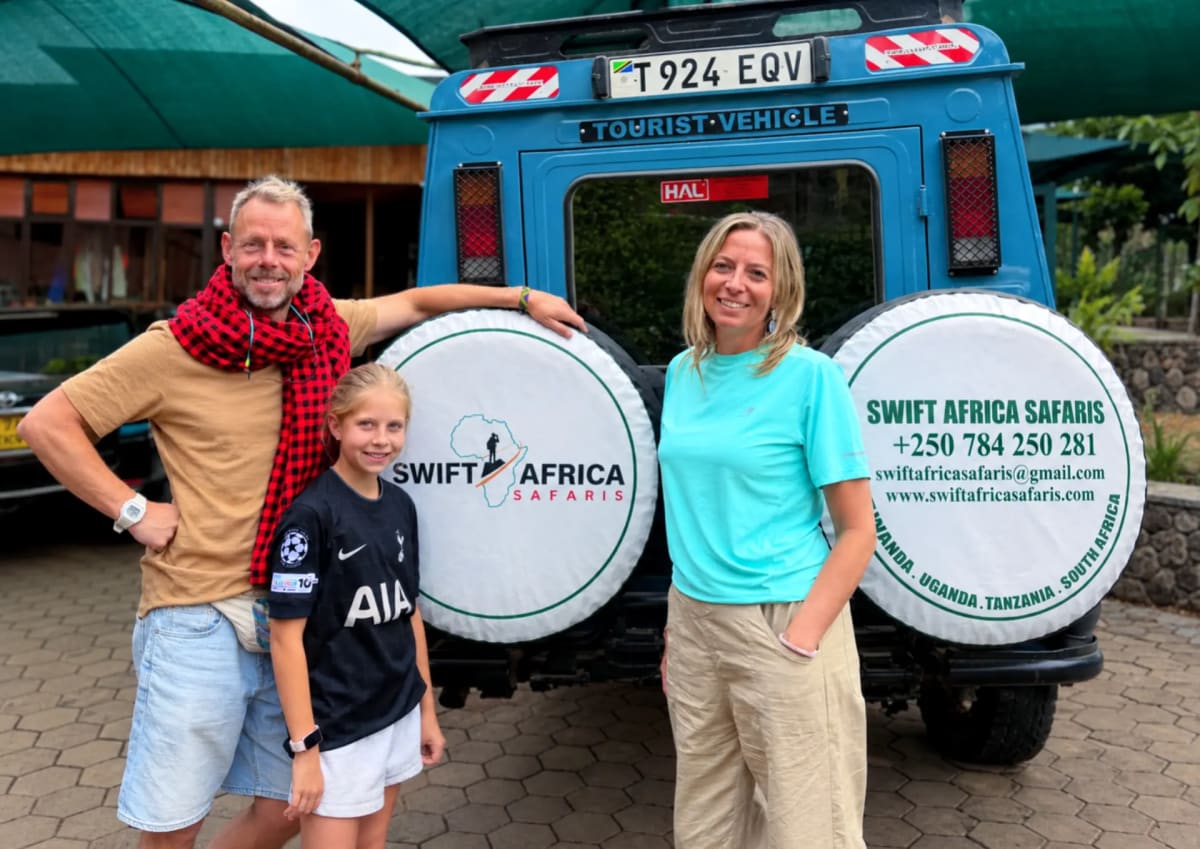
Can Family Travel to Pearl of Africa?
When they say Pearl of Africa, think of Uganda, its national parks are known for its unique plants, animal life and protected rainforest landscapes.
You can see both savannah animals and forest primates in Uganda without feeling like you are always in hurry.
Many parents find it easier to pick the right pace and activities for their whole family, from who want to go on sunrise game drives to the child who needs snacks, shade and some time to just be a kid.
The good news is that Uganda offers a lot of things to do such as leisurely boat cruises, short nature walks, visit to local communities, and wildlife parks that are exciting without being too extreme.
The cultural experiences don’t come a “bonus day” when you plan it right; they become the center of the story your family tells back home.

What Makes Uganda Family Safari Seem Easier Than Expected?
There is only one thing that can go wrong with a family safari: when it becomes a checklist. Every day is busy, kids are tired, adult get tense, and even seeing wildlife starts to feel like doing a work instead of relaxing.
Uganda takes care of this problem very well and quietly. A lot of best wildlife viewing here can be done without spending hours in a car.
You can watch hippos and crocodiles from a safe seat on boat cruise while the landscape moves like movie.
A walk with other people slows everyone down and connects, the trip to real people, with names, smiles, crafts, and stories children may like listening to often and tell again and again.
Primate experiences like chimpanzee tracking or mountain gorilla trekking, which are often the main event, have clear rules that keep both visitors and animals safe. This helps you make plans that are appropriate for the kids’ ages and level of energy.
Uganda is like a mix of two safaris: a safari for the senses and a safari for the heart.
Uganda Family Safari: Where to See Wildlife
1. Murchison Falls National Park for big views and relaxed wildlife time.
Many families often think of Murchison as the perfect place to experience. You should definitely go to this park if you want to see a lot of wildlife without having to work hard at every activity.
The water is one reason why families love this sport most. On the Nile, you can take a boat ride that let you get close to animals that live along the banks. Often, hippos, crocodiles, and other animals coming to drink are visible while everyone stays comfortable.
Adults who are not Ugandans must pay USD 45 per day for entrance fees. That clarity is important for Uganda family safari budgeting, especially when you are trying to find a balance between trips to the park and cultural stops.
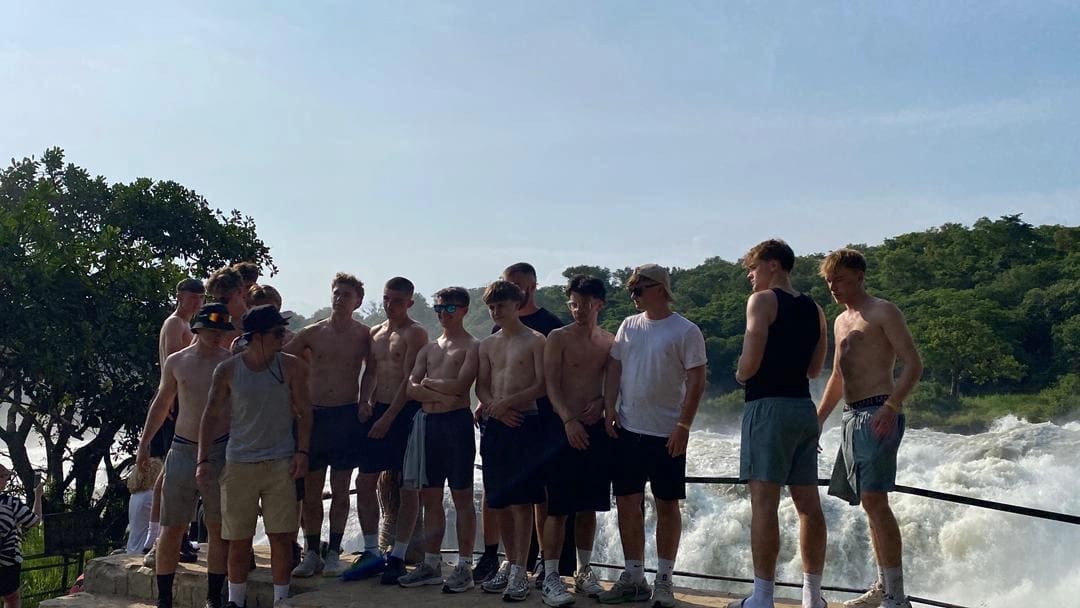
2. Queen Elizabeth National Park for boat safaris and easy variety
It feels like Queen Elisabeth National Park was made for families because there are many ways to see wildlife in open place. You can mix driving and viewing from the water and still feel like you’ve done a lot.
For many travelers, The Kanziga channel is the main attraction. A natural channel about 32 km long connects Lake George to lake Edward. Animals like to live there because there is always water nearby.
During boat tours here, you can often see hippos, crocodiles, elephants, and a lot of birds along the shores.
This is a gift because kids can get close to wildlife without having to stop and start, which can get annoying for younger travelers.
The fee to enter Queen Elizabeth National Park for non-resident foreigners is USD 40 per adult per day.
The park is a good example of “high reward, manageable effort,” especially when combined by with cultural activities in nearby towns.
3. Lake Mburo National Park is the place to go for private walking safaris
It is easy to forget how great lake Mburo is for families because it is not well known. Not too far away to be useful, but far away enough to standout.
It is also known for safari activities that don’t involve driving, like walking and biking, which can be a nice change after long drives.
One family friendly fact is that some sources say the park is good for walking because it's small and is thought to have fewer predator problems.
Because of this, the safari feels personal, with zebras and antelope moving at a normal walk, and feeling of being inside the landscape. Instead of just looking at it from a window.
The cost to enter Lake Mburo Park as a foreigner is USD 40 per adult per day.

4. Ziwa Rhino Sanctuary for the Big Five without a long safari
A lot of the time, rhinos are on the must-see list of family members. Travelers say that Ziwa is important because it is the only place in Uganda where you can follow rangers on foot to find rhinos.
For kids, the sanctuary gives them a powerful experience: they get to see ho conservation works in real life, not only in documentary.
Foreigners must pay USD 20 per person to enter the Ziwa Rhino Sanctuary park. For families want to make a trip feel complete, this is one of the clearest and easiest things to add.
5. Bwindi & Mgahinga for gorillas: planning based on age and comfort
The dream animal to see is endangered mountain gorilla, and travelers should treat them with respect, not only for amazed.
It is known all over the world for its biodiversity and conservation value and UNESCO has even said that Bwindi is an area of exceptional ecology value
That’s why Bwindi is important to tourist: it’s home to almost half of the world’s remaining mountain gorillas.
Making plans around the official rules is the most important part for families. Uganda Wildlife Authority says that you have to be at least 15 years old to go gorilla tracking.
There can be no more that eight tourists per gorilla group, and you can spend only an hour with the mountain gorillas.
The price for mountain gorilla trekking permit is USD 800 for people who are not Ugandans (for East African people the gorilla tracking price is UGX 300, 000).
Here is where smart planning for a family shine through. The trip doesn’t lose its magic if some of the guests are under 15; you can also focus on the other activities and cultural experiences that are more that appropriate for their age while the older family members go on the trek.

6. Kibale National Park for chimpanzees and forest energy
Seeing chimpanzees changes the mood. They are loud, quick, smart, and hard to predict.
As per the rules for Uganda Wildlife Authority, you have to be 12 years old or older to go chimpanzees tracking, and you can only do it for an hour at a distance of 10 miters.
Chimpanzees tracking permits costs USD 250 for travelers who are not Ugandans.
For families with younger children, you can still enjoy Kibale’s forest story through kinder nature activities made for kids.
In fact, Uganda Wildlife Authority’s tariff even talks about guided short nature walks for kids in Kibale.
Cultural Must-dos in Uganda That Don't Feel Forced But are Warm
1. Experiencing Batwa culture in Mgahinga or Bwindi National Park
Having cultural experiences that make you think of way back, rather than just smiling for a picture, is what makes them truly meaningful.
The Batwa trail is often talked about in Mgahinga as being led by Batwa guides who share their knowledge of the forest, survival skills, and scared sites that are important to their culture.
Batwa people have also been forced to move because of protected areas in the past, which is another reason ethical, community-led experiences are important.
It costs USD 80 per person to do the Batwa trail experience in Mgahinga, which includes entrance fees. In Bwindi it costs USD 40 per person, which doesn’t include entrance fees.

2. Bigodi Wetland Community walk for tender learning and birdlife
Dances and drums aren’t necessary in every cultural events. When a local shows a child a plant on slow nature walks, the child learns that nature has many layers.
Many tour operators, and even travelers talk about Bigodi as a community linked wet land experience close to Kibale. It is known for its many birds and guided walks that link ecology with local stewardship.
For families, this kind of activity is great because it’s fun and doesn’t get too tiring. It’s also a nice breakdown from primate trekking days.

3. Kampala culture for one high-impact evening
A cultural night can connect your trip if it starts or ends near Kampala. The Nderere Cultural Centre is often praised as a great spot to see and hear Ugandan music and dance in a well-kept and welcoming space
Families like it because it’s simple: you sit, watch, listen, and eat and you can feel the diversity of the country
4. Kidepo and Karamoja for families who want a deeper cultural frontier
The fact that Kidepo is out in the middle of nowhere is part of its appeal. There are big skies, fewer people, and different pace of life in the northeast.
This area’s cultural tours usually focus on Karamong communities, traditional dances, and local architecture, which helps you understand the landscapes you are driving through.
Families with older kids or teens who want to learn more about Africa than what you see on a postcard will enjoy this the most. The conversations are more interesting when everyone can question and stay involved.
Essential Family Travel Tips for Uganda Safaris
Do you some time have questions like: when to go to bwindi for mountain gorilla trekking for best experience?
The best safaris for families are built on small, useful choices. Begin with the timing. Uganda’s dry seasons are less slippery, making them ideal for primate experiences.
Even though it may be rainy, the months can still be beautiful, but planning needs to take into account drive times and comfort more.
Next, make your plan based on the rules, not on what you think will happen. Uganda Wildlife Authority also says that foreigners who are not residents in Uganda can only book gorilla and chimp permits through licensed tour operators.
This is important to know if you are looking or trying to do too much of the work yourself.
Early planning is key for health. Before you book your international flights, you should read Uganda travel advice.
It talks about vaccines, medicines, and how to lower your risk of getting mosquito bites and other common problems.
Simple advice for families: talk to a travel clinic early, carefully plan how to avoid malaria, and pack for sun, rain, and dust sometimes all in the same day.
Last, keep the trip’s mood safe. Keep snacks and water close by and choose lodges that really welcome kids – where meals can be changed and the staff knows that family travel doesn’t always go in a straight line.
FAQs about a Uganda family friendly safari
What is the best time of year for a family safari in Uganda?
Many families prefer the dry seasons typically June to August and December to February because wildlife viewing is strong and travel logistics are easier, especially for forest walks and primate tracking.
Can children do mountain gorilla trekking in Uganda?
Uganda Wildlife Authority states the minimum age for mountain gorilla tracking is 15 years, and visits are limited to one hour with strict distance rules. If children are younger, you can still build a high quality safari around savannah parks, boat cruises, community experiences, and kid-friendly nature walks.
What is the minimum age for chimpanzee tracking?
Uganda Wildlife Authority states the minimum age for chimpanzee tracking is 12 years, with distance rules and a one hour limit with the chimps.
How much should we budget for key permits and park fees?
Uganda Wildlife Authority lists gorilla permits for foreign non residents at USD 800 and chimp tracking in Kibale at USD 250, with park entrance fees commonly around USD 40 to 45 per adult per day in major parks (depending on the park category). Your total cost will vary based on lodging level, transport style, and how many parks you include.
Which wildlife parks feel most comfortable for families?
Families often find a strong balance in Murchison Falls (wildlife plus river time), Queen Elizabeth (Kazinga Channel boat cruise), and Lake Mburo (shorter distances and non-vehicle activities). The “best” choice depends on your pace and how much driving you want.
Do we need a tour operator for permits?
Uganda Wildlife Authority states that mountain gorilla and chimp permits for foreign non residents and rest of Africa visitors can only be booked through licensed tour operators. Even beyond the rule, an operator helps you match activities to ages, energy levels, and realistic driving time.
The Safari Your family Deserve
A safari in Uganda that is good for families works best when it feels like a shared story rather that a test of endurance.
Even though wildlife should be easy from time to time. A boat cruise where everyone can relax, a slow community walk where kids can ask questions, or cultural evening where a country is more than only maps and becomes faces and music.
We can help you plan a trip that fits your family’s age range, level of comfort and way of traveling. Swift Africa Safaris can create a Uganda Safari that combines cultural tours without rushing through the important moments.
What type of family memory do you want to bring back from Uganda?