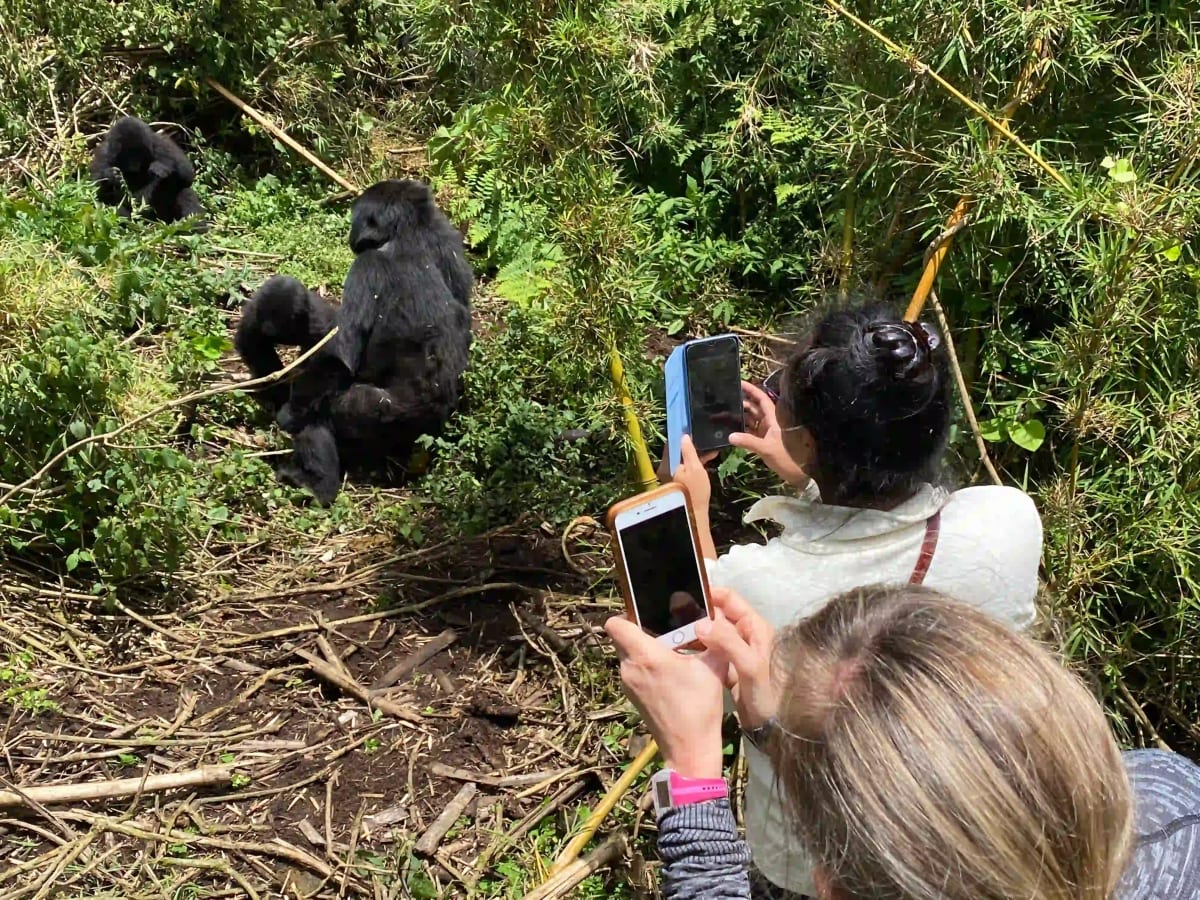
The best time to visit Bwindi for gorilla trekking is during the drier months, June to August and December to February, when trails are firmer and the light is clearer. Treks run all year, because the gorillas stay in the forest in every season. The wetter months, March to May and September to November, are greener and quieter but muddier, and the transfers can be slower. The permit costs US$800 for international visitors under the standard Uganda Wildlife Authority (UWA) tariff (checked in October 2026), and UWA has advertised reduced rates for some low-season months.
This guide explains what each season is like for trails, photography, crowds and cost. It is part of our wider Bwindi gorilla trekking guide and relates to our complete guide to gorilla trekking in Rwanda.

What Is the Weather Like in Bwindi?
Bwindi Impenetrable National Park lies between about 1,160 and 2,607 metres above sea level, and it is a rainforest. Mornings are cool, clouds move quickly and short showers can fall even in the drier months. The heaviest rain falls in March, April and May, and again in September to November. June to August and December to February are the driest.
Is the Dry Season Better for Gorilla Trekking?
For most travellers, yes. The trails are less slippery, the climbs are easier and photographs are brighter. The disadvantage is demand: permits and lodges in the dry months sell out first, so you need to book early. Pack for rain anyway, because Bwindi is a rainforest. Our gorilla trekking packing list applies in Uganda too.
What Is Bwindi Like in the Wet Season?
The forest is lush and the crowds are smaller. Trails are muddier and steeper climbs are harder work, and photography needs a rain cover. Roads to some lodges can be slow after heavy rain. If you do not mind mud, the wet months can be rewarding, and UWA has advertised reduced permit rates for April, May and November. Ask your operator whether the reduced rate applies on your dates and what the conditions are, because the terms can include full payment at booking and no rescheduling.
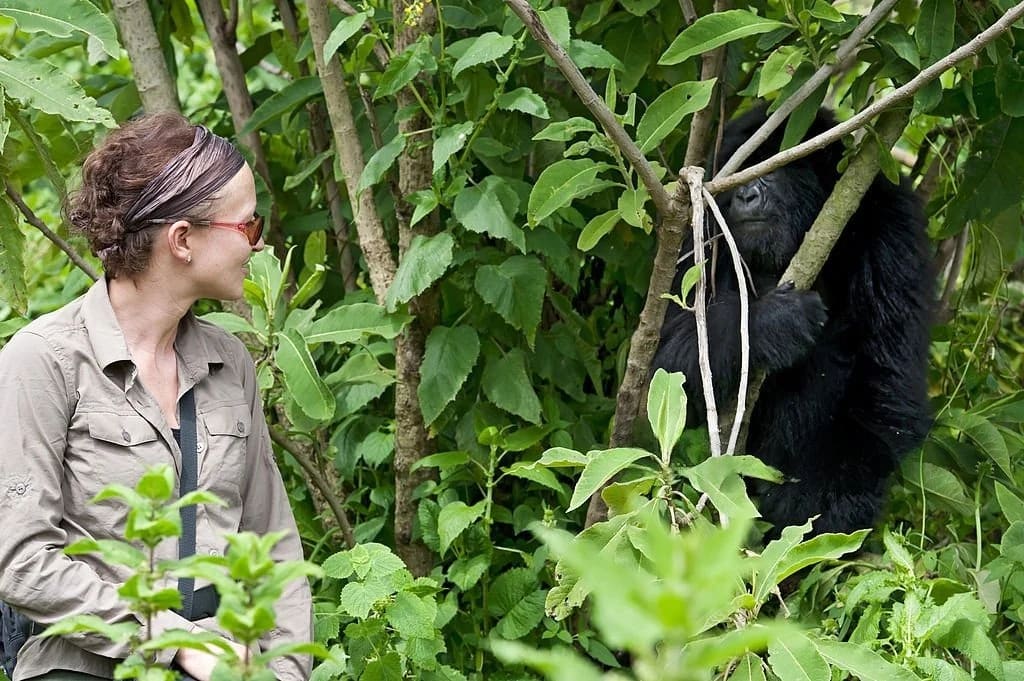
How Much Does a Bwindi Permit Cost, and Does It Change With the Season?
The standard permit for international visitors is US$800. The gorilla habituation experience, a longer encounter, costs more; US$1,500 was the rate in 2026, and operators report an increase for 2027, so confirm it. Residents pay different rates. Lodges and transfers are what change most from season to season. For comparison, see how much gorilla trekking costs in Rwanda. Tariffs can change, so confirm the current rate with UWA or your operator.
Does the Sector Matter in the Rainy Season?
It can. Bwindi has four sectors: Buhoma, Ruhija, Rushaga and Nkuringo. Steeper approaches are harder when the ground is wet. The most important rule is that your lodge and your permit sector match, so you do not drive for hours on the morning of the trek. Read our guide to the best gorilla trekking sector in Bwindi.

How Far Ahead Should You Book?
For June to August and December to February, book several months ahead, ideally six months or more. For the wetter months, a shorter lead time may work, but permits are still limited and some dates sell out. Book the permit and the lodge together. Read how booking works in how to book a gorilla permit, which explains the same principle for Rwanda.
Which Month Should You Choose?
| Months | Conditions | Good for |
|---|---|---|
| June to August | Driest, clearer light, busiest | Comfort, photography, combining with Queen Elizabeth |
| September to November | Rain returns, forest is greener | Fewer visitors, mud tolerance |
| December to February | Second dry season | Festive travel, firm trails |
| March to May | Wettest, quietest | Lower prices at some lodges, travellers who like mist |
Best for
- Travellers who want the easiest trails: June to August or December to February
- Travellers who prefer fewer visitors and do not mind mud: March to May or September to November
May not be ideal for
- Anyone with a fixed date in the dry season who books late
- Travellers who dislike wet conditions but plan to travel in April or May
What Mistakes Do Visitors Make When Choosing the Time?
- Assuming the dry season means no rain. Pack waterproofs in every month.
- Assuming the wet season has cheaper permits. The standard rate is the same, and reduced rates have conditions.
- Waiting too long to book for the dry months. They sell out first.
- Booking a lodge in the wrong sector. Match the lodge to the permit.
Frequently Asked Questions About the Best Time to Visit Bwindi
Is there a bad time to go gorilla trekking in Bwindi?
No month is bad. Heavy rain in March to May makes trekking harder, but the gorillas are in the forest all year.
What is the driest time of year?
June to August and December to February. It can still rain briefly, because Bwindi is a rainforest.
Do permits cost less in the low season?
UWA has advertised reduced rates for April, May and November. Confirm the current terms for your date.
How much does a Bwindi gorilla permit cost?
US$800 for international visitors under the standard tariff, checked in October 2026.
Planning Your Trip?
Tell us your preferred months and what else you want to see, and our tour specialist can match the season, the sector and the lodge. Talk to Our Tour Specialist or see the 5-day Bwindi gorilla trek.
Source: Uganda Wildlife Authority.