For the Congo Nile Trail, plan about five days to cycle the whole route and up to ten days to walk it, because the trail runs for roughly 227 to 250 km along Lake Kivu from Rubavu to Rusizi. Most visitors do not do the whole trail. Three to six days is enough to walk or ride two or three of the best stages, with boat rides, coffee and tea visits and time for a village evening. The right number depends on whether you walk or cycle, how fit you are and how much else you want to see in Rwanda.
This guide gives the distances, the stage lengths, sample plans for three, five, six and ten days, and tips on pace. We checked the details in October 2026. For costs, read how much the Congo Nile Trail costs in Rwanda.
How Long Is the Congo Nile Trail?
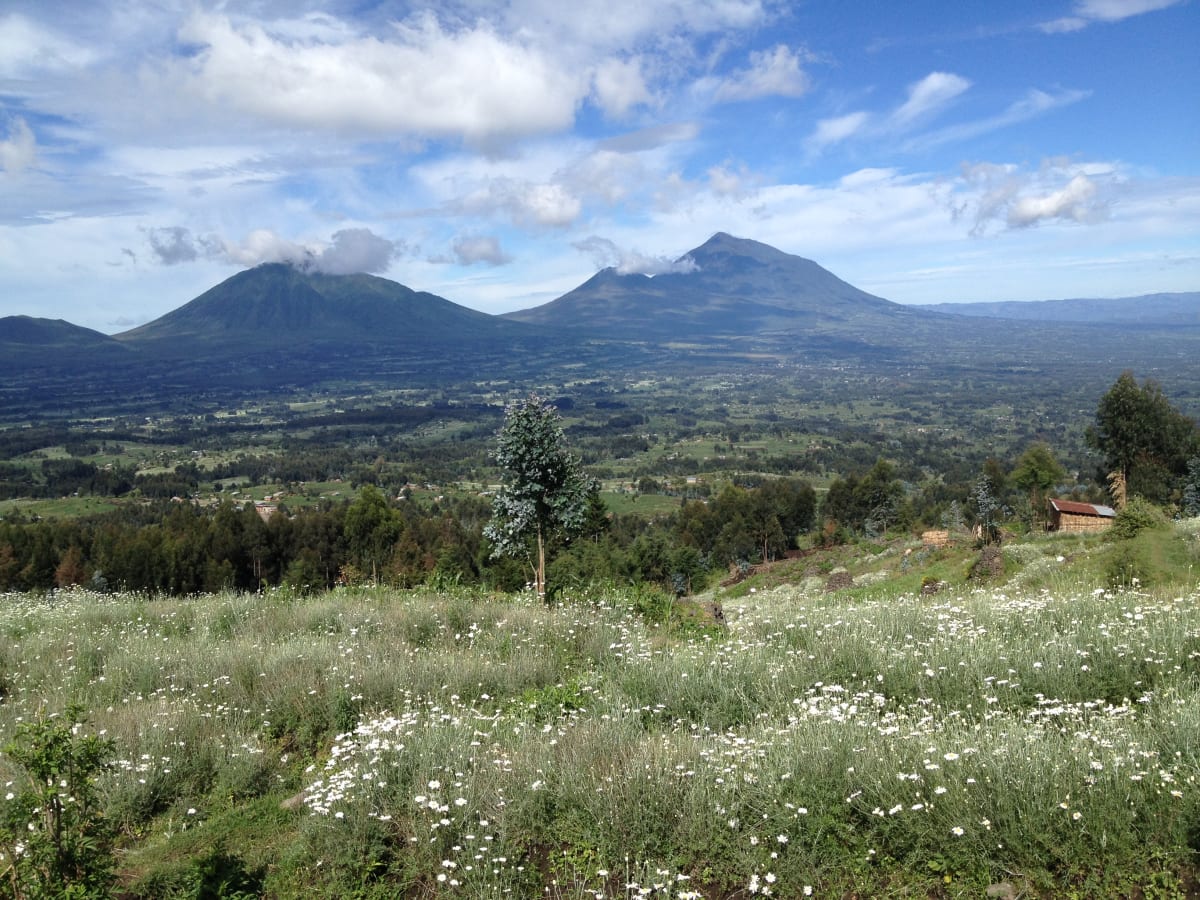
Sources give about 227 km for the main route, and some measure longer variants of 250 km or more depending on detours. It runs south from Rubavu (Gisenyi) through Rutsiro and Karongi (Kibuye) to Nyamasheke and Rusizi. The terrain is hilly, with steady climbs and drops, and stages are commonly broken into 25 to 90 km. Our guide to the route, Congo Nile Trail: hiking, biking, night fishing and tea, explains the places along it.
How Many Days Do You Need on Foot or by Bike?
| Mode | Whole route | Sections only |
|---|---|---|
| Cycling | About 5 days with long riding days | 2 to 3 days for a few stages |
| Walking | Up to 10 days | 3 to 4 days for the best stages |
| Mixed walking, cycling and boat | 6 to 8 days | 3 to 5 days |
These are guides, not rules. Fitness, weather and the amount of time you spend visiting people along the way change the pace. Add one day at each end for travel to and from Kigali.
What Do Sample Plans Look Like?
3 days: a taste of the trail
Drive from Kigali to Rubavu on day one and walk or ride a short stage. Day two covers a longer stage with a coffee stop and a boat across a bay. Day three finishes with a lake cruise and the drive back to Kigali. It suits travellers who want a short break before or after gorilla trekking.
5 days: three stages and Kigali
Add a second night on the lake, a village evening and a tea estate. You still need time for the transfer.
6 days: the route we run
Our 6-day Congo Nile Trail hiking and Nyungwe canopy walk tour arrives in Kigali, visits the Kandt House Museum and drives to Lake Kivu. Three trail days cover Rubavu to Kinunu, Kinunu to Bumba and Bumba to Kibuye (Karongi), with banana beer brewers, a canoe on the lake and a boat to the Island of Peace. Day five visits the Nyungwe canopy walk and zipline before the drive to Kigali.
8 to 10 days: a long walk
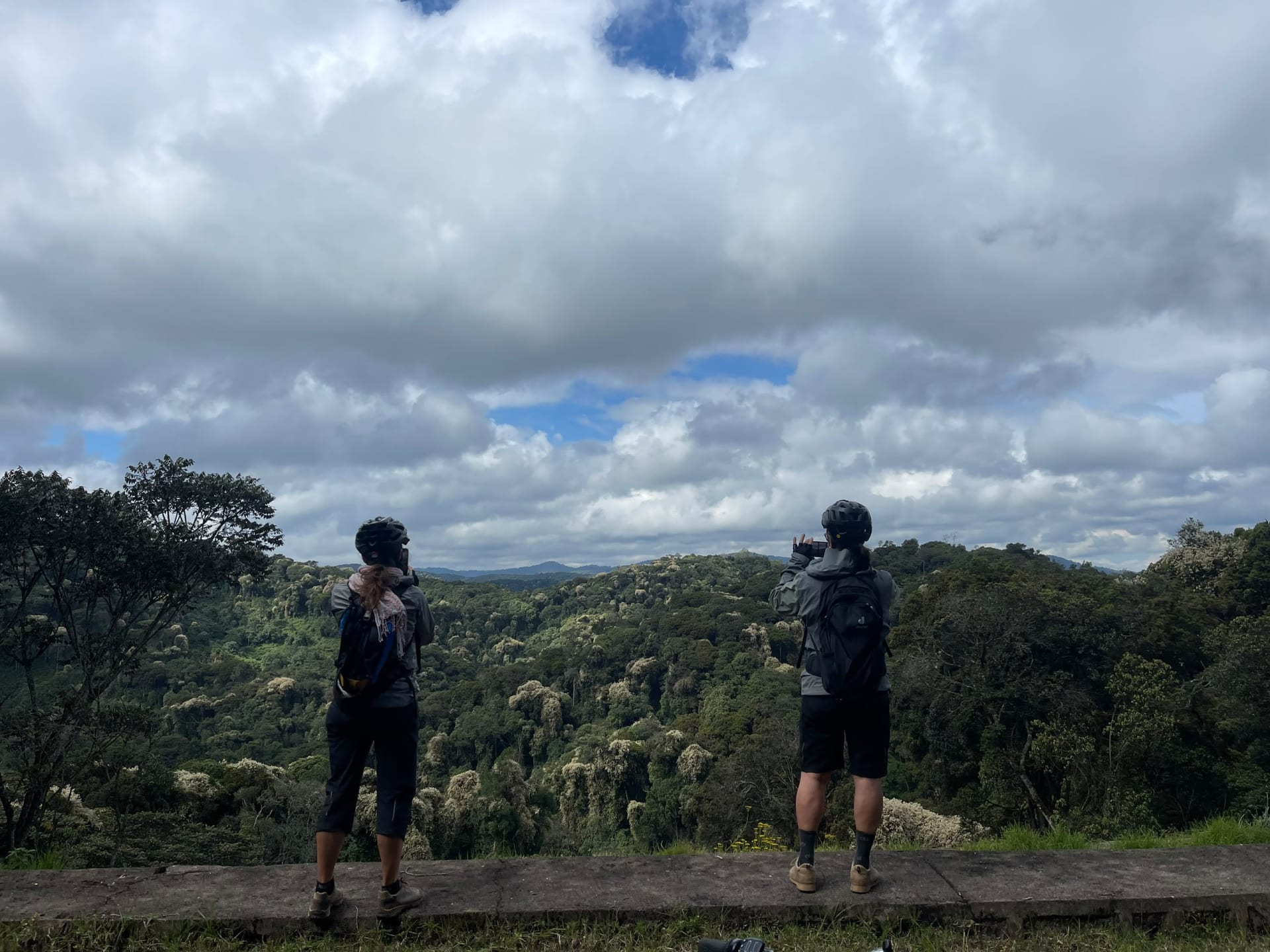
Strong walkers can plan 20 to 25 km a day and cover most of the route, with a rest day and boat sections for variety. Book lodging in advance, because the villages are small. For a cycling version see the 8-day gravel cycling tour and our cycling tours guide.
How Fit Do You Need to Be?
The trail is not technical, but it is hilly and the days are long. For walking, you should be able to hike 15 to 20 km over rolling hills with a small pack. For cycling, practise on gravel and hills, because the surface can be loose in the dry months and slippery after rain. A support vehicle that carries luggage and picks you up when you are tired makes the trail accessible to many travellers who do not think of themselves as athletes.
When Is the Best Time to Go?
The trail is open all year. June to September and December to February give firmer tracks and clearer views. March to May and October to November bring rain and mud on some sections, and the long rains can make the steepest parts slippery. Start early, because the ridge is hot at midday.
What Should You Pack?
- Broken-in walking shoes or trail shoes with good grip
- A hat, sunscreen and a light rain jacket
- A swimsuit for the lake, and a small towel
- A refillable water bottle and snacks
- A small first aid kit and any regular medicine
For a wider list, see our packing list, which also works for hikes.
How Do You Combine the Trail With Other Rwanda Activities?
A common plan is gorillas in Volcanoes National Park, then the trail along Lake Kivu, then chimpanzees in Nyungwe. See a Rwanda itinerary without gorilla trekking and things to do in Rwanda besides gorilla trekking.
What Is Each Stage Like?
Stages follow the lake and the ridge. The northern stage from Rubavu climbs through coffee farms and small villages, and the first views of Lake Kivu appear within a few hours. The middle stages cross rolling hills with tea and banana plantations, rivers, and small markets, and some sections follow gravel roads used by motorbikes and bicycles. The southern stages descend toward Nyamasheke and Rusizi, with more forest and quieter lanes. Surfaces are mostly gravel, dirt and some paved sections, and weather changes the difficulty. On our 6-day tour the three trail days run Rubavu to Kinunu, Kinunu to Bumba and Bumba to Kibuye, and each includes a stop for coffee, a community or a craft.
Is It Better to Walk, Ride or Mix Both?
Walking lets you meet people and notice details, and it needs more time. Riding covers more distance and suits strong cyclists who enjoy hills. A mix gives variety: walk the steep ridges with views, ride the descents and take a boat across a bay for a break. Mixing also protects against bad weather, because you can swap a muddy walk for a vehicle section. Ask your operator how they arrange the support vehicle and the bikes, and read our cycling tours in Rwanda guide for the cycling side.
Where Do You Sleep and Eat on the Trail?
Options include village guesthouses with simple rooms and shared bathrooms, lodges on the lake with better facilities, and community-run homestays. Food is local and simple: fried lake fish (sambaza), brochettes, cassava-leaf stew (isombe), beans, rice and plantains, with fresh coffee and tea. Water must be treated or bought, and a refillable bottle with a filter helps. Book accommodation before you set out, because the villages are small and rooms are limited in the busy months. A guide or an operator can arrange this and tell you what to expect.
How Do You Get to and From the Trail?
The trail starts near Rubavu (Gisenyi), about three hours by road from Kigali, and ends near Rusizi in the south-west, where you can continue to Nyungwe or return to Kigali by road in five to six hours. A one-way plan needs a vehicle to bring you back, so most travellers arrange a driver. A common choice is to start in Rubavu and finish at Karongi (Kibuye), where road links to Kigali are good. Read how much the Congo Nile Trail costs for the transport lines in the budget.
Best for
- Walkers and cyclists who want villages, lakes and hills
- Travellers with three to six spare days
May not be ideal for
- Visitors who cannot walk for several hours a day
- Anyone who wants a luxury-lodge-only holiday
What Mistakes Do Visitors Make?
- Trying to walk the whole trail in a few days. Choose stages.
- Starting late. Midday heat slows everyone.
- Skipping the support vehicle. Luggage and tired legs are real problems.
- Forgetting the return. Plan how you get back to Kigali.
Frequently Asked Questions About the Congo Nile Trail
How long is the Congo Nile Trail?
About 227 km on the main route, and some variants run longer.
How many days does it take to walk?
Up to ten days for the whole route, or three to four days for sections.
Can I do it by bike?
Yes. About five days for the whole route, or two to three for sections.
Do I need a guide?
We recommend one for route finding and local introductions.
Should I confirm trail conditions before I go?
Yes. Paths, bridges and boat services change, so confirm the route and the weather with your operator or guide close to your dates.
Can I do the trail in a long weekend?
Yes, one or two stages. A long weekend gives you a good taste but not the whole route.
Planning Your Trip?
Tell us how many days you have and whether you want to walk or ride, and we will plan the stages. Talk to Our Tour Specialist or see the 6-day Congo Nile Trail tour.
Source: Visit Rwanda.