Volcanoes National Park is a Photographer’s Dream
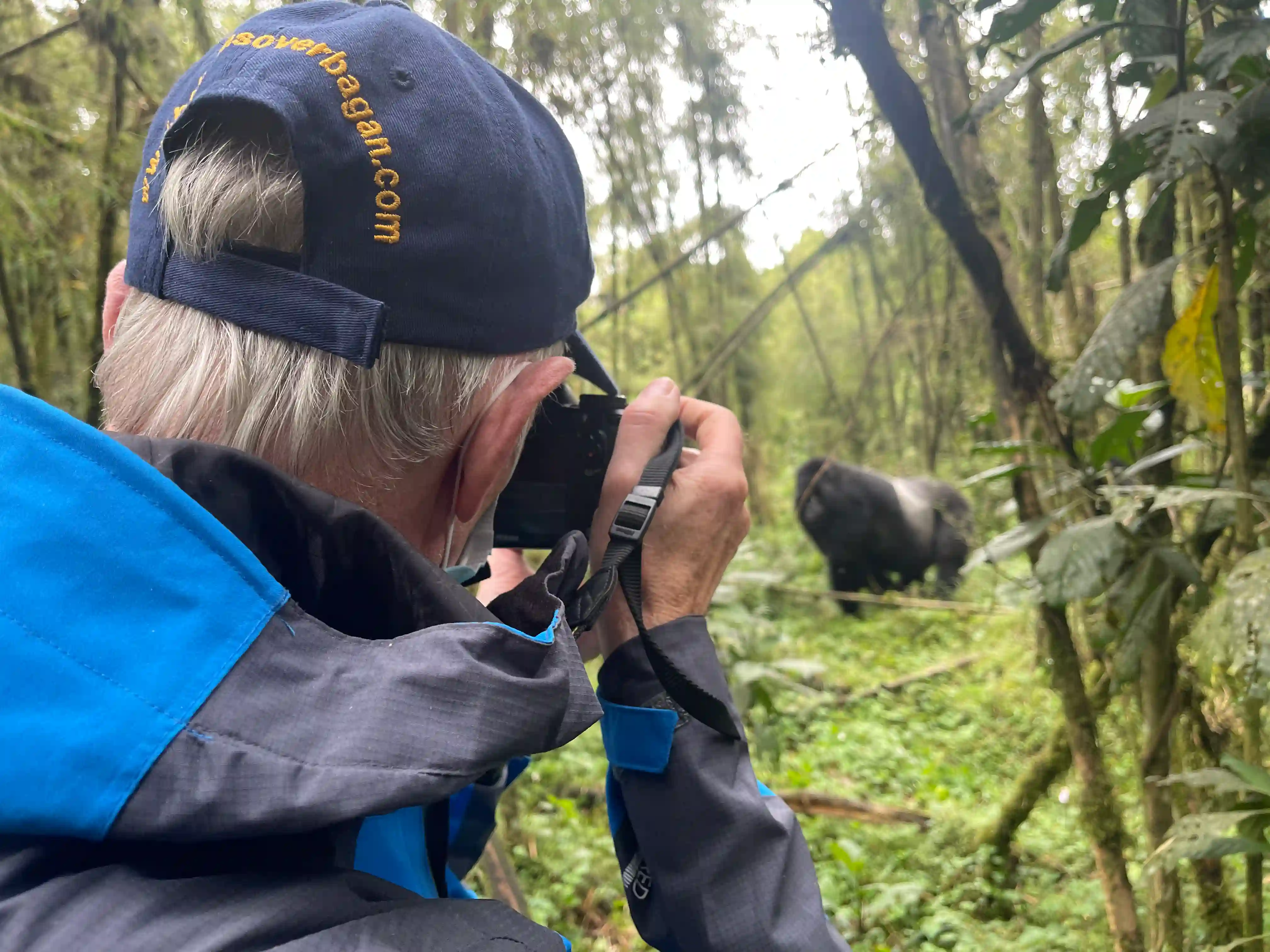
In Rwanda’s Volcanoes National Park, this dream becomes real. And for you adventure seeker, luxury traveler, wildlife lover, conservation minded cultural lover., this is your chance not only to capture awesome images, but also to connect, learn, and act.
What Makes Volcanoes National Park Ideal for Gorilla Photography
The park lies in the Virunga volcanic range and is home to the endangered Mountain Gorilla. This species exists only in a few places globally: Rwanda, Uganda and the DRC, so the chance to photograph them in their wild habitat is a privilege.
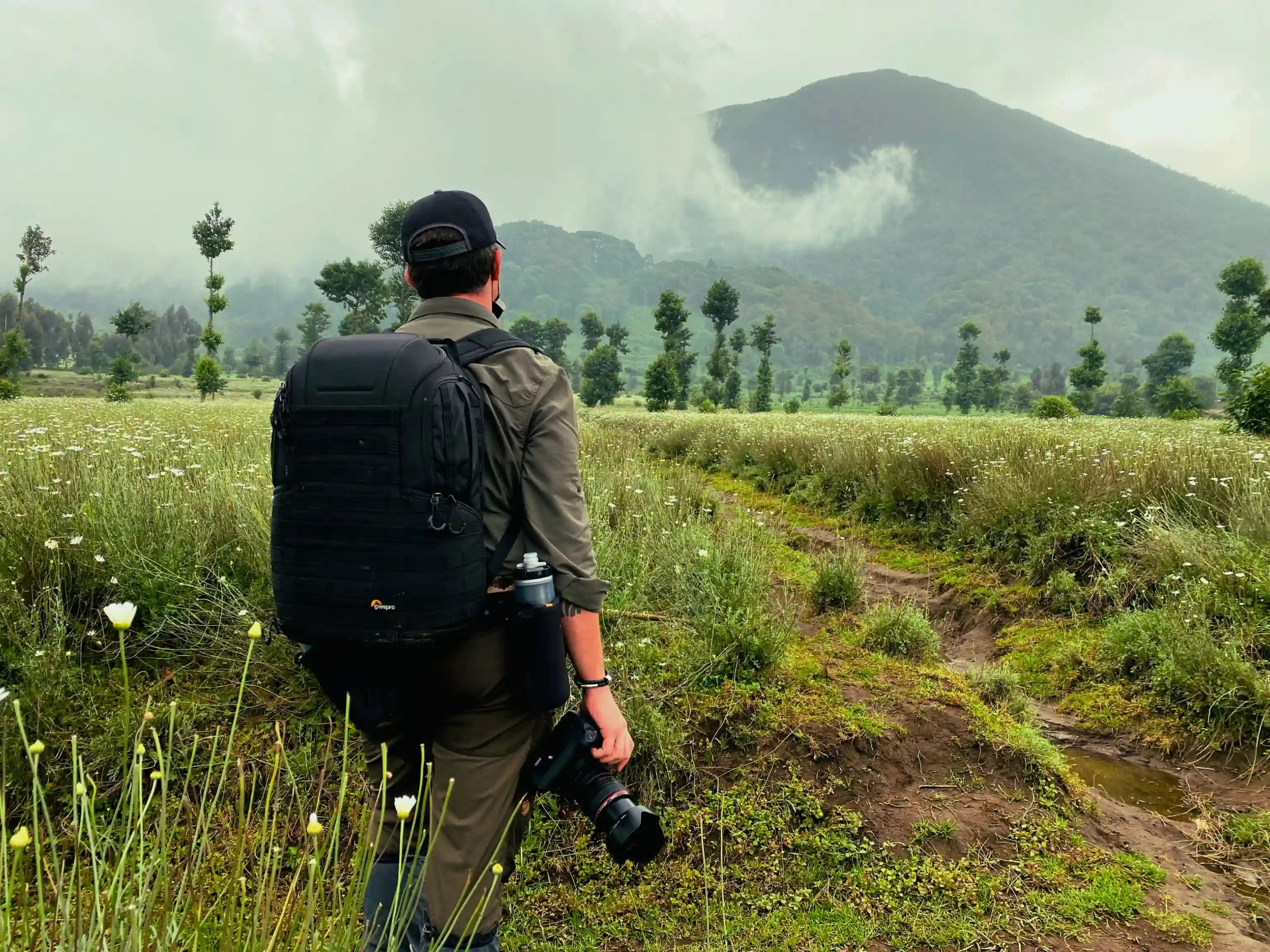
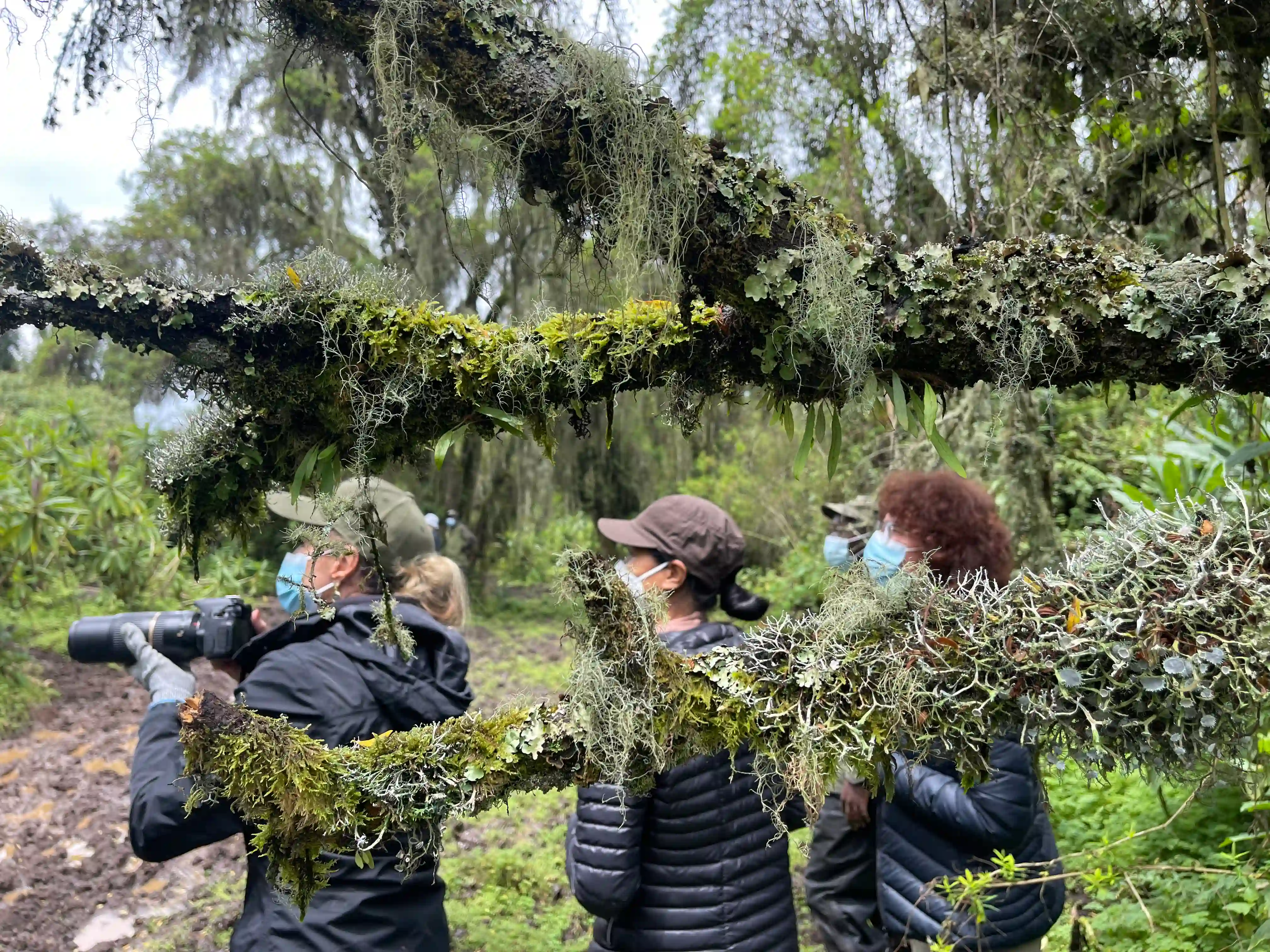
Volcanoes National Park features lush forests, steep slopes, bamboo and montane vegetation, and the volcanic backdrop adds epic scale to your shots. From a photography standpoint, this means you’ll be capturing more than gorillas: you’ll capture context, story, emotion.
Top Tier Conservation & Tourism Setup
The park operates a strict gorilla trekking regime: permits, guided groups, health checks, distance rules all of which both protect the gorillas and enhance the experience.
As a photography traveler, this means you have the infrastructure and support to focus on the experience and the imagery.
Planning Your Trip: Timing, Permits & Travel Details
Best Time to Visit Volcanoes National Park for Photography
-
The dry seasons (June to August and December to February) are ideal: easier trekking, better lighting, clearer skies.
-
The rainy seasons (March to May and September to November) can offer lush vegetation, misty ambiance, dramatic skies, great for mood shots, but more challenging terrain.
-
Book permits well in advance: demand is high and slots are limited.
Permits & Practicalities
-
A trekking permit is required and in Rwanda, quite costly compared to other locations.
-
Trekking routes can be physically demanding: steep, muddy, high altitude ( 2,750 m above sea level).
-
You’ll spend up to one hour with the gorillas when found.
Travel Logistics & Accommodation
- The park is a few hours (approximately 2 hours) from Kigali, Rwanda’s capital, so you can combine ecolodging, cultural tours and the trekking experience in one itinerary.
-
As a photography traveler, it’s worth opting for lodges that provide comfortable gear, support staff (porters, guides), and concierge level service so you can focus on the photography.
Ethical & Behavior Guidelines (So You Capture Responsibly)
-
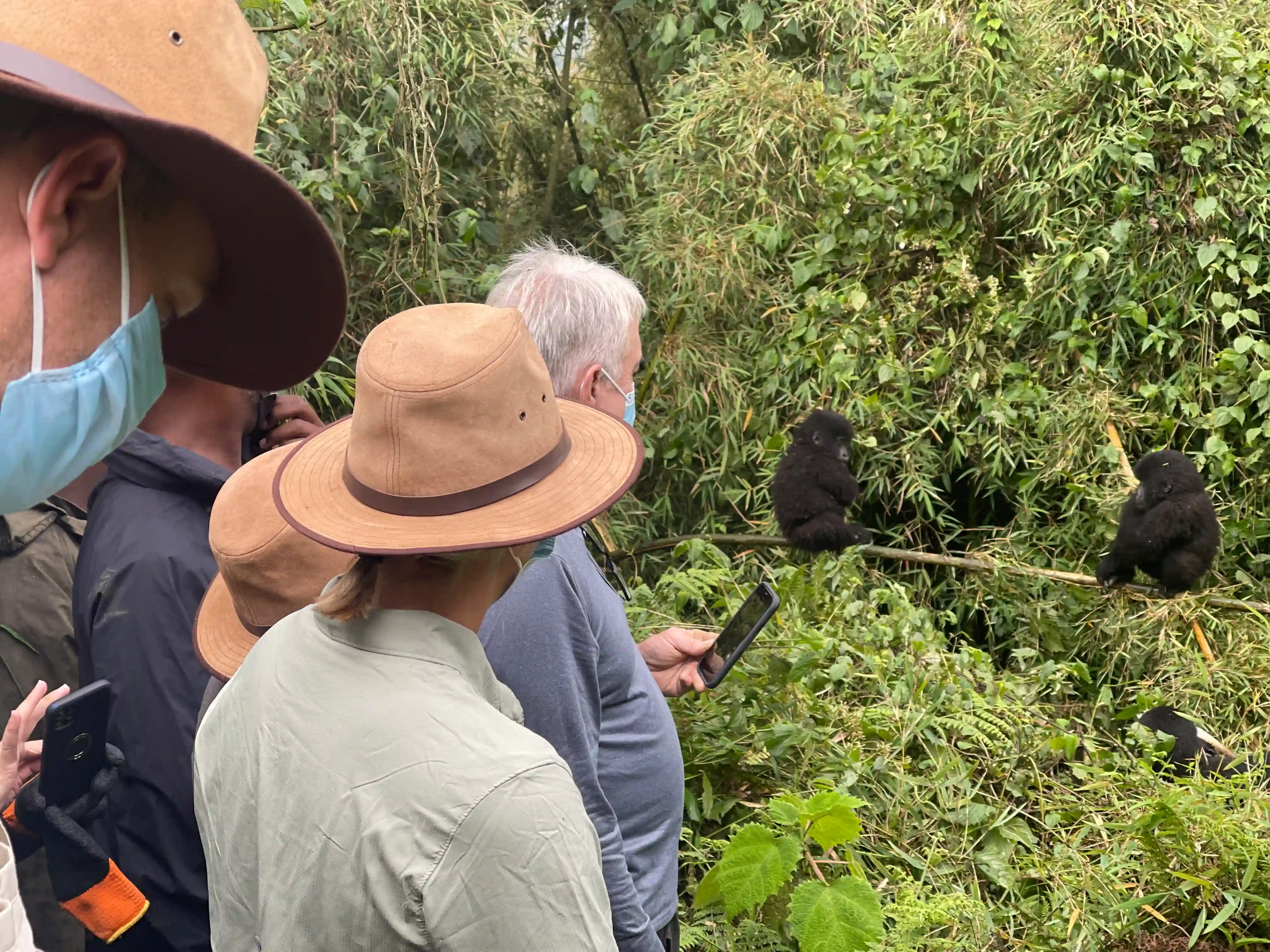
Maintain at least 7 metres ( 22 feet) distance from gorillas.
-
No flash photography (can disturb the gorillas).
-
Travel only if you’re healthy: gorillas are vulnerable to human illnesses.
-
Limit your time: up to one hour per group when the family is located.
What to Expect on the Ground: The Story of Your Day
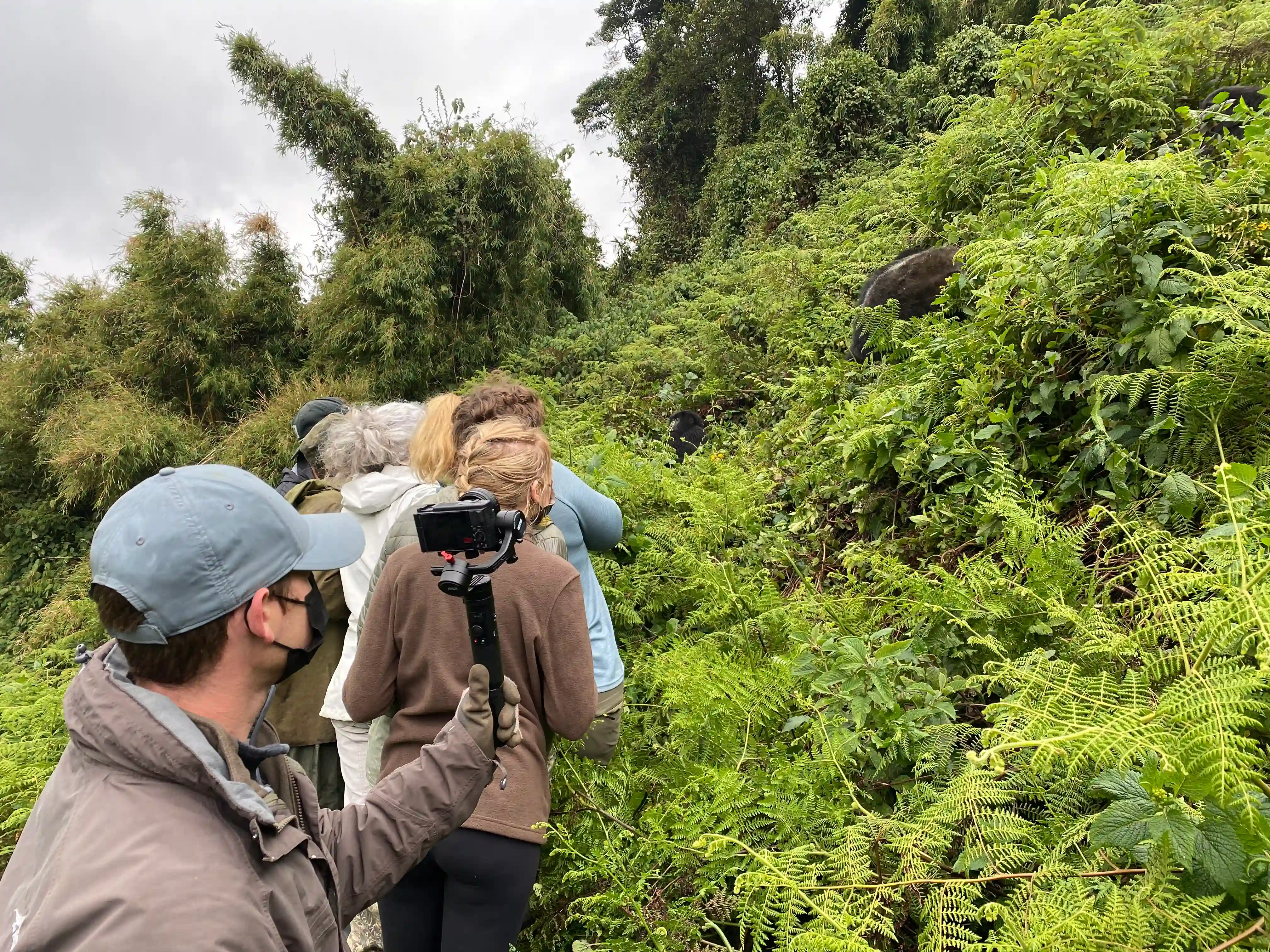
Picture this: You wake predawn at an ecolodge in Musanze. After a gourmet breakfast, you meet your tracker and porter, slip into gaiters and boots, grab your camera bag, and head into the forest. The trail climbs through bamboo, ferns drip with dew, the volcanoes loom overhead. Then: the trackers radio. We’re close.
You enter the clearing. And there they are the gorilla family. A silverback near a bamboo shoot, young gorillas play nearby, the forest hushes. You raise your camera, but you also pause. A moment. The eyes of a gorilla meet yours. Incredible.
You’ll capture frames of one of the world’s rarest creatures and you’ll feel privileged. You’ll also know that your permit and presence support local guides, conservation staff, and communities. By evening, you’re back at your lodge, perhaps sipping Rwandan coffee, reviewing your shots, thinking: this was worth every effort.
Hidden Gems & Insider Tips for Luxury Travel
-
Stay longer than one day. Instead of rushing in for a single trek, build in mid range or luxury ecolodge days, spa/massage recovery, local cultural experiences (coffee tour, village visit).
-
Choose a photographer friendly lodge. Some offer after hours photo review, dedicated hideouts, equipment charging stations.
-
Time golden hour. Early morning or late afternoon light adds soft emotion, and you’ll get fewer crowds.
-
Combine experiences. Add a cultural excursion (visiting local villages, learning about Rwandan conservation history) or stay at a vineyard style lodge on the hills of Rwanda.
-
Prepare for ruggedness but in style. Even the fittest traveler should pack waterproof boots, gloves, gaiters, rain shell a luxury upgrade lodge will store gear and offer porter support.
-
Respect the quiet. The best shots sometimes come when you’re still, silent, and letting nature unfold around you.
Frequently Asked Questions.
Q: What camera gear should I bring?
A: Bring a versatile zoom (70 to 200mm f/2.8), a wider zoom (24 to 70mm f/2.8), plenty of memory cards and spare batteries. Keep gear lightweight for trekking.
Q: How physically demanding is the trek?
A: It can be quite demanding steep, muddy forest trails at high altitude. Some routes are easier; fitness and proper gear help.
Q: When is the best season for photography in Volcanoes National Park?
A: Dry season (June tp August, December to February) offers easier trekking and clearer light; rainy seasons offer lush visuals but more challenging conditions.
Q: How many hours do I get with the gorillas?
A: Up to one hour once the family is found.
Q: Is this responsible tourism?
A: Yes when done with care. The park has strict rules, high permit fees fund conservation and local communities; your respectful presence makes a difference.
Traveler With a Passion for Wildlife & Photography
Book your gorilla trek photography safari. Subscribe to our updates for new, exclusive packages. Become part of the conservation story while indulging in comfort and adventure. The gorillas and your lens are waiting.