Choosing The Way To Experience Zanzibar Island
Zanzibar welcomes hundreds of thousands of visitors every year, but many never see beyond their resort walls. This Indian Ocean archipelago off Tanzania is a layered blend of Swahili, Arab, Persian and European influences shaped over centuries of trade.
At its heart is Stone Town Zanzibar, a UNESCO listed old quarter where carved wooden doors and the call to prayer frame daily life. If you’re wondering how to visit and experience Zanzibar in a way that feels real, welcoming and unhurried, you’re already asking the right question.
This guide walks you through everything from Zanzibar flights and the best time to visit Zanzibar to what to do in Stone Town Zanzibar and how to choose the right beach for your style. Along the way we’ll talk frankly about money, culture and safety so you can relax into the rhythm of island life instead of worrying about logistics.
Most importantly, you’ll see how to connect with local people, food and stories so your Zanzibar trip becomes more than a holiday, but a memory that pulls you back to East Africa again and again.
Where is Zanzibar and is it a country?
Let’s clear up one of the most Googled question first: no, Zanzibar is not a country.
Zanzibar is a semi-independent region of Tanzania, made up of two main islands: Unguja (often called “Zanzibar Island”) and Pemba plus smaller islets in the Indian Ocean. In 1964, Zanzibar joined with mainland Tanganyika to form the United Republic of Tanzania, and it now has its own local government within that union.
For you as a traveler, that means:
-
You’ll enter Tanzania, not a separate state.
-
The local currency is the Tanzanian shilling (TZS).
-
Most people speak Swahili and English, especially in tourism.
Stone Town is the historic centre of Zanzibar City on Unguja Island, this is where your trip really begins.
How to Get to Zanzibar: Flights & Ferries
When you search Zanzibar flights, it can feel like there’s no straightforward way in. The reality is simpler than it looks once you understand the main gateways.
Flying to Zanzibar
Zanzibar’s main airport is Abeid Amani Karume International Airport (ZNZ), just outside Stone Town. Many travelers arrive on two step routes:
-
From Europe and the UK, you’ll often connect through hubs like Doha, Istanbul, Amsterdam or Nairobi, or take seasonal direct flights from cities such as Frankfurt, Rome or Zurich with airlines like Condor, Neos and Edelweiss.
-
From the USA, Canada and Australia, there are currently no direct flights to Zanzibar. You’ll connect through a major European, Middle Eastern or African hub such as Doha, Dubai, Istanbul, Addis Ababa or Nairobi.
If you’re combining Zanzibar with a safari in Tanzania, you might:
-
Fly into Kilimanjaro (JRO) or Arusha, explore the northern parks (Serengeti, Ngorongoro, Tarangire), then connect on a short flight to Abeid Amani Karume International Airport, Zanzibar
-
Fly into Dar es Salaam (DAR) and either connect by air to Zanzibar or travel by ferry.
Ferry From Dar es Salaam
If you like to arrive by sea, fast ferries run between Dar es Salaam and Zanzibar in around two hours. For non residents, a one way ticket typically costs around 35 to 60 USD, depending on class and company.
Ferries dock right by Stone Town’s waterfront, so within minutes of stepping off the boat you’re walking past coral stone buildings and the Old Dispensary.
Visa note: Entry requirements change often. Before booking, check the latest guidance from the official Tanzania immigration services or your nearest Tanzanian embassy, especially if you’re planning multiple entries (for a safari plus Zanzibar).
Best Time to Visit Zanzibar
Knowing the best time to visit Zanzibar changes everything, from how crowded Stone Town feels to whether you’re kitesurfing or dodging tropical downpours.
Zanzibar has a tropical climate with two dry seasons and two rainy seasons:
-
June to October: Cool, dry and ideal
This is widely considered the best time to visit Zanzibar. Expect warm days, lower humidity and calm seas, perfect for beach time, snorkeling and wandering the pathways of Stone Town without melting. It’s popular, so book flights and tour to your operator such as Swift Africa Safaris early. -
December to February: Hot, sunny and lively
Another great window. Days are hotter and stickier, but the sky is often clear and the water visibility is excellent for diving and snorkeling. Festive season and New Year can be busy and pricier. -
March to May: Long rainy season
This is when Zanzibar feels most dramatic: heavy rains, lush green landscapes, and fewer tourists. On the flip side, some lodges close, roads can be muddy and certain excursions may be cancelled. Budget travelers who don’t mind the rain sometimes enjoy the lower prices. -
November: Short rains
Showers are common but often brief. If your dates aren’t flexible, November can still work, especially if you’re focusing on Stone Town’s culture more than beach only days.
If your dream is endless sunshine and gentle seas, plan your Zanzibar trip between June to October or December to February and try to anchor your stay around those windows.
First Steps in Stone Town Zanzibar
You’ve arrived, the air smells faintly of cloves and sea salt, and there’s a soft chaos of honking tuk-tuks, call to prayer and merchants chatting at their doorways. Stone Town Zanzibar is not only a stopover, it’s the cultural heartbeat of the islands.
Getting oriented in Stone Town
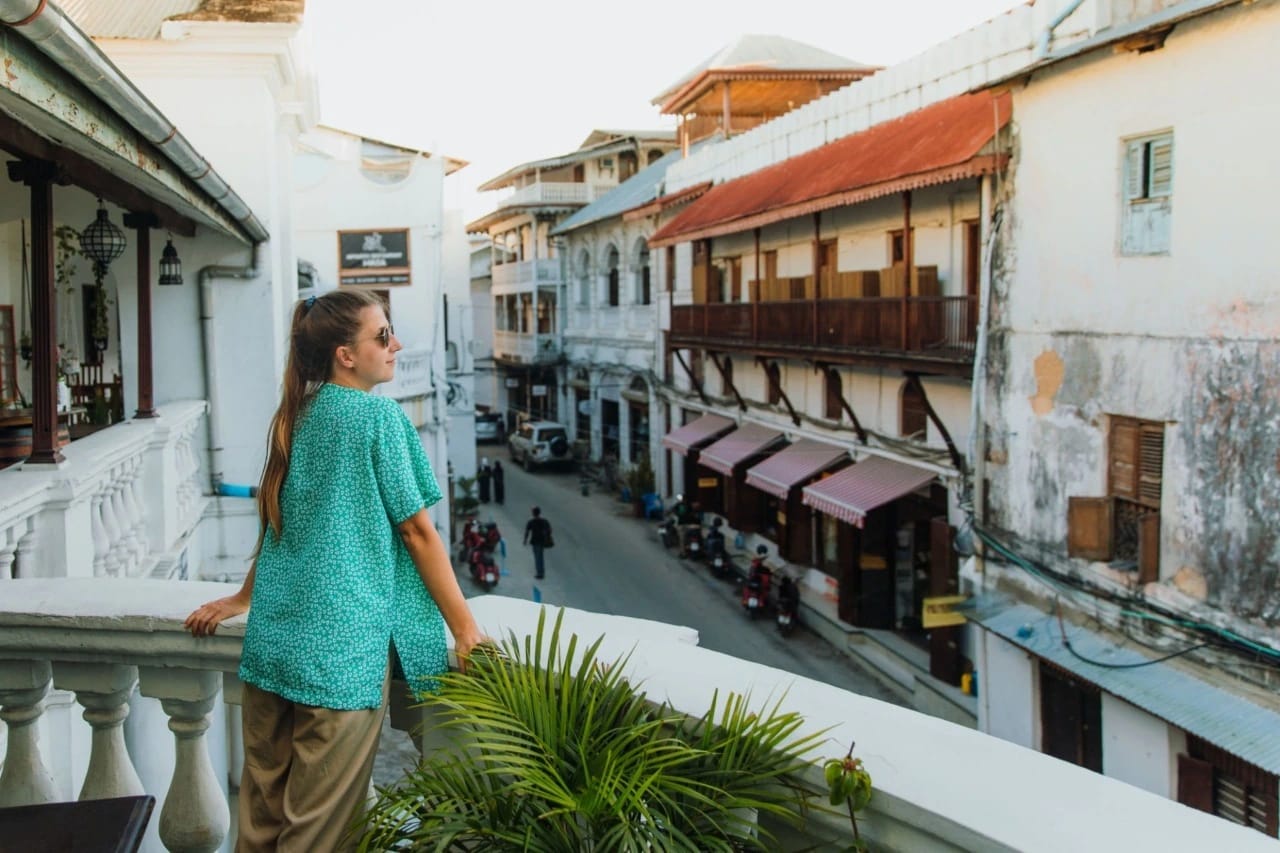
Stone Town is a compact maze of narrow pathways, carved wooden doors and coral stone houses, many dating back to the 19th century. Cars can’t reach most streets, so you explore on foot, which is exactly the point.
A few tips for your first afternoon:
-
Dress modestly (shoulders and knees covered) out of respect for the island’s largely Muslim community, especially away from the seafront and beaches.
-
Learn simple Swahili words: jambo (hello), asante (thank you) and you’ll see faces light up.
Many travelers choose to start their trip with one or two nights in Stone Town before heading to the Zanzibar beaches. It gives you time to adjust, shake off jet lag and connect with the island beyond the sun loungers.
What to do in Stone Town Zanzibar
Here’s a quick at a glance list of classic experiences that help you feel the city rather than just ticking off sights:
-
Visit the former slave market and Anglican Cathedral, a powerful reminder of Zanzibar’s role in the Indian Ocean slave trade and the abolition story.
-
Wander through the Old Fort and House of Wonders area along the seafront, watching local kids play football and dhows sailing by.
-
Explore the Darajani Market for spices, tropical fruit and everyday life, go in the morning when it’s most lively.
-
Book a Stone Town walking tour with a licensed tour operator; they’ll weave together history, politics, architecture and personal stories in a way you simply can’t get from a guidebook.
As evening falls, follow the smell of charcoal grills to Forodhani Gardens. This waterfront night market is famous for Zanzibar pizza, seafood skewers and sugarcane juice, and it’s one of the easiest ways to taste local food in Stone Town Zanzibar without overthinking it.

Tasting Stone Town: Best Food & Restaurants
Zanzibar’s nickname, the Spice Islands, isn’t only branding. Cloves, nutmeg, cinnamon and pepper once flowed out of these ports in staggering quantities, and you still taste that history in every plate.
If you’re curious about the best food in Stone Town Zanzibar, think of it as a crossroads of Swahili, Arab, Indian and coastal African flavors:
-
Coconut based curries, especially with octopus or fish.
-
Grilled seafood, fresh from local fishing boats.
-
Chapati, pilau rice and spiced tea (chai maziwa).
For local food in Stone Town Zanzibar, small canteens and family run spots around the market and side streets offer hearty plates for just a few dollars. Food tours often include a mix of sit down restaurants, market tastings and street snacks, making them a smart way to understand what you’re eating and how it connects to daily life.

When it comes to the best restaurants in Stone Town Zanzibar, you’ll find:
-
Casual local joints where you line up with office workers and taxi drivers.
-
Romantic rooftop spots with sunset views over the harbor.
-
Garden cafés serving lighter, more international dishes and fresh juices.
A simple strategy is to mix both worlds: one night on a rooftop watching the sunsets into the Indian Ocean, the next in a crowded local eatery sharing a table with strangers and trying whatever the waiter suggests.
Choosing your Zanzibar beaches
Once you’ve reached in Stone Town, it’s time to decide which Zanzibar beaches match your travel style. The island’s coastline changes dramatically from north to south and east to west.

Northern beaches: sunsets and easy swimming
The north of Zanzibar, especially around Nungwi and Kendwa, is known for classic “wow” beaches: powdery white sand, palm trees and clear greenish water. Tides are noticeable but don’t pull the sea far away, so you can swim throughout the day, one reason many operators rate Nungwi among the island’s top beaches.
Nungwi feels lively and social, with guesthouses, midrange hotels and a few larger resorts. Kendwa has a slightly more laidback, sunset cocktail vibe, but both areas are great if you want simple beach time with the option of boat trips, snorkeling and diving.
East coast: tides, kites & calm villages
On the east coast, villages like Paje and Jambiani offer a very different experience. Wide tidal flats mean the sea can retreat hundreds of meters, revealing rippled sand and seaweed farms, then sweep back in for dreamy late afternoon swims.
-
Paje is popular with younger travelers, with cool cafés and surfstyle lodges.
-
Jambiani feels quieter and more traditional, where fishermen push out wooden dhows at dawn and children play football on the sand at sunset.
If you’re the type who likes long walks, reading under a palm tree and wandering into small, family run restaurants for fresh fish and coconut rice, the east coast can be perfect.
Day trips from the beach
From most beach areas you can easily arrange:
-
Snorkeling trips to nearby reefs.
-
A visit to Nakupenda Sandbank, a dazzling strip of sand that appears and disappears with the tides.
-
Dolphin tours from Kizimkazi: just make sure you choose an operator that doesn’t chase or harass the animals.
Ask about group size, environmental practices and whether life jackets and proper equipment are provided before you commit.
Practical Tips For Visiting Zanzibar Tanzania
Money, cards and costs
-
Currency: Tanzanian shilling (TZS). US dollars are widely accepted for tours and some hotels, but shillings are better for markets and small restaurants.
-
ATMs: You’ll find reliable ATMs in Stone Town and at the airport. On the beaches, ATMs exist but can be limited, it’s wise to withdraw enough cash before leaving town.
-
Cards: Larger hotels and some restaurants take cards, but smaller businesses are often cash only and card machines can go offline.
Zanzibar can be as affordable or as luxurious as you choose. Beachfront guesthouses start at budget friendly rates, while boutique and high end resorts easily rival Indian Ocean islands like the Seychelles in price.
Culture, dress and alcohol
Zanzibar is predominantly Muslim, especially in Stone Town and local villages. Swimwear is normal on the beach, but in town:
-
Cover shoulders and knees.
-
Avoid very tight or see through clothing.
-
Ask permission before photographing people, especially women.
Alcohol is available in most hotels and tourist restaurants, but it’s respectful to avoid drinking in the street or near mosques.

Health and safety
Most visitors experience Zanzibar as welcoming and safe, especially in tourist areas. As with any destination:
-
Keep valuables out of sight.
-
Use hotel safes where available.
-
Take officially licensed taxis or transfers at night.
Before travel, speak with a medical professional about vaccines, malaria prophylaxis and any personal health needs recommendations change over time.
Experiencing Zanzibar more deeply
If you want your trip to feel meaningful, there are ways to go beyond simply checking off things to do in Zanzibar Tanzania.
Join local experiences, not just excursions
-
Spice farm visits can be touristy, but choosing a smaller, well reviewed farm with good guiding turns them into fascinating walks through clove, cinnamon and vanilla groves.
-
A Stone Town food or walking tour with our expert ocal guide lets you ask questions about history, religion and everyday life in a way that’s hard to do on your own.
-
Visiting Jozani Forest to see the rare red colobus monkeys supports conservation, especially when you book ethical operators who follow park rules.
Travel responsibly
Zanzibar’s economy still relies heavily on tourism and spices, but seaweed farming is now a fast growing sector employing thousands of mostly women farmers. Look out for small brands and cooperatives selling soaps, scrubs and oils made from locally processed seaweed, buying from them keeps more value on the islands.
When booking tours:
-
Prioritise tour companies that treat staff fairly and avoid exploitative wildlife encounters.
-
Ask how they support local communities: some contribute to schools, swimming lessons for seaweed farmers or conservation projects.
Working with a specialist operator like Swift Africa Safaris that knows Tanzania and Zanzibar well means you can link your beach time with safaris in Serengeti, Ngorongoro, Rwanda or Uganda in a way that feels seamless rather than stressful.
FAQs (Frequently Asked Questions) About Visiting Zanzibar
Is Zanzibar a country?
No. Zanzibar is a semi-autonomous region of Tanzania, formed when Zanzibar joined with mainland Tanganyika in 1964 to create the United Republic of Tanzania. It has its own local government but is not an independent country.
How many days do you need in Zanzibar?
For a first time trip, many travelers find 5 to 8 days in Zanzibar ideal: a couple of nights in Stone Town and several days on the beach. With less time, focus on one base; with more, you can split between north and east coasts or combine with a mainland safari.
Is Stone Town safe to walk around?
Stone Town is generally considered safe for visitors who take normal city precautions. Walk confidently, avoid deserted paths late at night, and use licensed tour operators or transfers after dark if you feel unsure.
Can you drink alcohol in Zanzibar?
Yes. Despite being predominantly Muslim, Zanzibar allows alcohol and you’ll find it in hotels, beach bars and some restaurants. Just avoid drinking in public streets or near mosques, and be discreet in more conservative areas.
What’s the best time to visit Zanzibar?
The best time to visit Zanzibar is during the dry seasons: June to October for slightly cooler, less humid weather and December to February for hot, sunny beach days and clear seas for diving. Avoid March to May if you dislike heavy rain.
How do I get from safari parks to Zanzibar?
Most safari circuits in Tanzania connect directly to Zanzibar by air. From northern parks like Serengeti or Ngorongoro, small regional airlines fly to Zanzibar, often via Arusha or Dar es Salaam. From southern parks, you’ll usually route via Dar es Salaam before continuing to the island.

Turning Your Zanzibar Dreams Into a Real Trip
Now that you know how to visit and experience Zanzibar, when to come, what to eat and how to move respectfully, the next step is simple: turn those ideas into dates on a calendar.
If you’d like your island time to flow perfectly alongside a safari in Tanzania, Rwanda, Uganda or South Africa, your specialist operator Swift Africa Safaris is ready to craft your tour by offering: trusted expert local guides, hand picked lodges and seamless transfers.