Uganda ist das ultimative Ziel für Schimpansen-Trekking
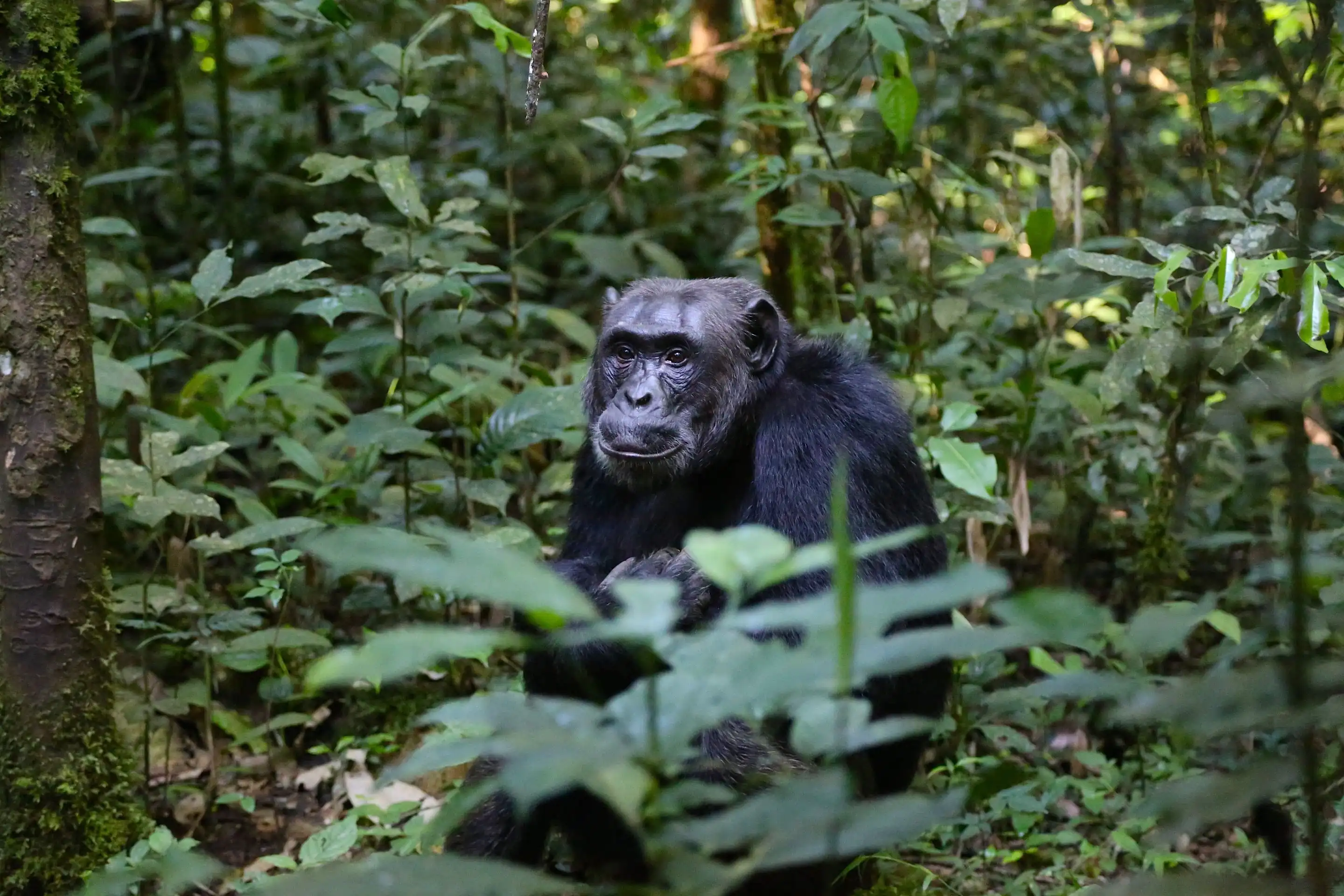
The eastern chimpanzee population in Uganda is one of the biggest in East Africa, with about 5,000 critically endangered individuals living there. Approximately 1,250 chimps, or about 25% of all the chimps in Uganda, live in Kibale National Park.
Karibibo and the woods nearby (Kalinzu and Maramagambo) are home to about 1,800 chimpanzees. There isn't another East African country where having this experience is so easy and safe as here. A travel writer named Bella Falk says that Uganda is known for its primates. "Of course, mountain gorillas are the most popular animals here, but chimpanzee trekking is just as exciting because you get to meet our closest relatives."
The Primate Capital of Africa is what many people call Kibale National Park in modern-day western Uganda. On top of that, it has over 120 animal species and 370 bird species, including 13 species of primates like red colobus, black-and-white colobus, mangabeys, and more.
The world-famous Kanyanchu Chimpanzee Trail has been used by and watched over by the group of chimpanzees that live there since 1993. Kibale's tracking success rate is over 90%, which is much higher than most parks. Sightings are almost certain to happen during that 30-year project. Almost every trekker actually sees chimps eating or swinging from tree to tree.
There are three guided treks a day, at 8 a.m., 11 a.m., and 2 p.m. The trips last between 2 and 5 hours and include up to an hour of watching the chimp family. Because the groups are small (no more than six people), each meeting is private and exciting.
Other great places to see chimpanzees in Uganda are Budongo Forest (near Murchison Falls), which is known for its mahogany trees and big groups of chimpanzees; and Kalinzu Forest and Maramagambo Forest (near Queen Elizabeth National Park), which are home to about 900 chimpanzees between them.
An entire family of chimps lives in Kyambura Gorge in Queen Elizabeth National Park. The atmosphere in each park is different. The lush jungle in Kibale is the best, the secondary forest in Kalinzu is quieter, the thick and wild forest in Budongo is the best, and the adventurous but less likely to see chimpanzees Kyambura is the best.
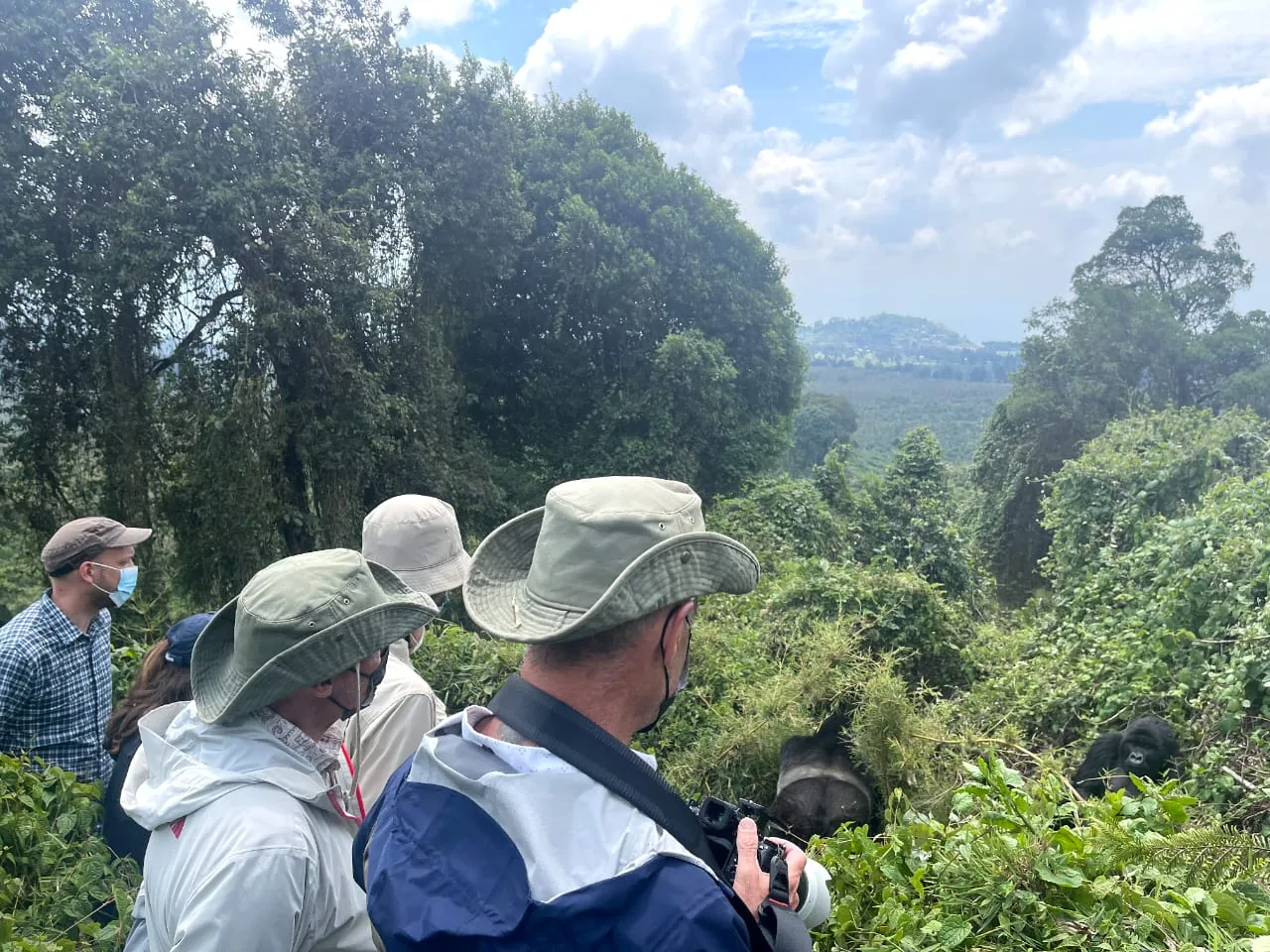
For example, one one of our guests recalled how her Ugandan guard showed her "Big Poppa," a big male silverback, relaxing in a clearing. There were loud yells when another male walked in. He had been "messing with the females," and the dominants chased him up a tree. Safari stories are full of events like this, where chimps perform unexpectedly dramatic acts. A lot of our guests say they are amazed when they see the chimps clean, play, and even hunt (chimps hunt colobus monkeys in groups). This activity always makes people feel very close to nature and these amazing animals.
MIL: Check out our guides on Uganda and Rwanda Safaris for more exciting trips.
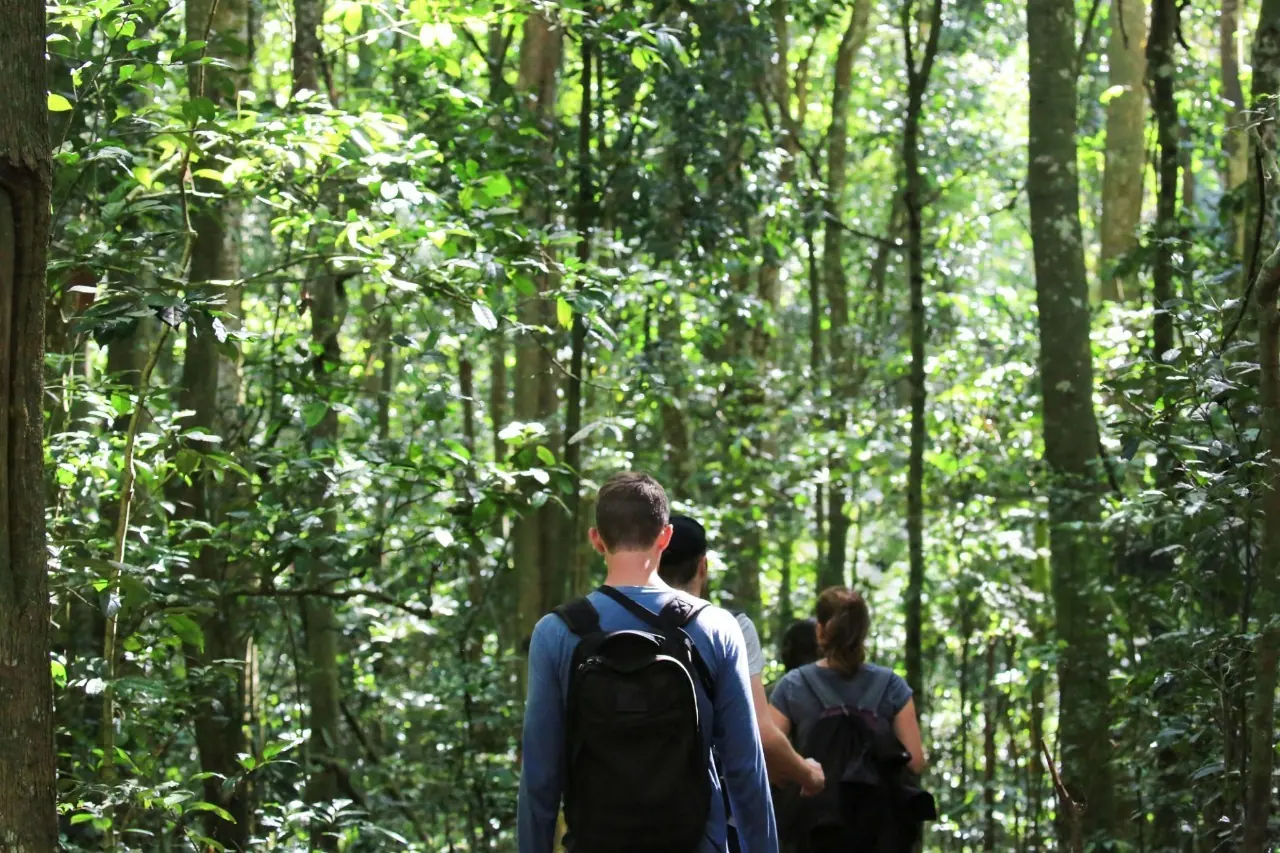
Planung Ihrer Schimpansenwanderung: Genehmigungen, Kosten, Zeitplanung & Tipps
1.Bookings and permits: required. You can't go trekking without a valid permit. You have to book your permit ahead of time through an approved safari operator or direct through UWA. Most guests let a tour company take care of this. For booking, you'll need a chosen trek date and the names and passport numbers of each person.
Chimpanzee permits are rare, especially in Kibale, so book your trip two to three months ahead of time to make sure you get a spot. An organised safari will apply for the permit and then send you proof. Please note that you cannot just walk up to the park gate and buy the chimpanzees trekking permit.
2. Trekking Fees: Allowances to trek with chimpanzees are much cheaper than permits to trek with gorillas. For instance, a pass in Kibale costs $200 for non resident. Kalinzu or Kyambura licenses, on the other hand, cost only about $100. Bugongo licenses cost around $120. (People from East Africa and Uganda pay less).
Notably, these costs cover entering the park and paying a ranger, but not getting there or staying there. Those are covered by your tour operator.
3. When to Go: You can go chimpanzee hiking all year, but the trails are best from June to September and from December to February, when it's dry.
For chimps, the best places to stay are places with fruit when it's dry outside. During the rainy seasons (March through May and October through November), the forest paths may be wet and chimps may get lost, which makes hikes longer. Chimpanzee trekking is often combined with gorilla trekking or a tour to see big five. If you only have one day, one plan says to see the chimpanzees in the morning it is impossible to do see gorillas in the afternoon. If you want to go chimp climbing gorilla trekking, you should plan to stay for three to four nights. Health and Safety: Make sure you have all of your regular vaccines before you go on your walk, and because Uganda is a warm country, think about getting yellow fever and malaria shots as well. Never go against what your guide tells you.
The rules at UWA are very strict. Trekkers must be at least 12 years old, and they can't go on treks if they have a cold or the flu. Chimpanzees can get close, but park rules say you must stay at least 10 meters away. Chasing, using flash photos, or making loud noises are also not allowed. Pay close attention to the pre-trek safety training. Guides talk about proper behaviour, such as how to sneeze and how not to feed or tease the chimps. As a result of these steps, both you and the chimpanzees will be safe.
4. Fitness Level: Chimp trekking isn't too hard compared to gorilla hiking. The land around Kibale is mostly flat and open, so even older guest can usually make it. Some parts of the trail may require you to crawl over roots or climb small hills.
It is important to wear climbing boots or shoes that are strong and have good grip. Please remember to bring long-sleeved shirts and trousers to protect yourself from thorns and bugs, as well as a quick-drying rain jacket for protection in case it rains or shines, and lots of water. To see chimps high in the trees, you'll need binoculars or a good camera lens.
The cost of best cheepanzees tracking safari package may includes the permit fee, lodging in a lodge (from basic tented camps to high-end lodges), meals, transportation, park guides and any extras like hot air balloon rides or trips to local communities (most tour operators allows you to customise).
This is an example of a moderately priced Uganda chimp safari: $300 to $500 per day, with more expensive options. We suggest that you carefully compare what each tour company includes. A good safari company will usually take care of all the details, like domestic flights, transfers, and permits. Saying something like, "Plan your trip with our Uganda safari experts" can save you months of work.
NB: For more choices, visit our tours page and choose about Uganda Safari Packages you may like and Primate Habituation Experiences.
Das Trek-Erlebnis: Was Sie bei Ihrem Chimp Trek erwarten können
Seien Sie bereit, Ihre Reise am selben Tag früh zu beginnen. Für eine kurze Einweisung müssen Sie bis 7:30 Uhr am Schimpansen-Tracking‑Zentrum des Parks sein. Zusammen mit vier bis sechs weiteren Gästen treffen Sie nach der Registrierung Ihren Parkranger und Guide. Halten Sie Abstand, sprechen Sie leise und bringen Sie weder Essen noch Blitz mit. Der Wächter wird diese Regeln noch einmal wiederholen. Dann beginnt das eigentliche Abenteuer. Wenn Sie losgehen, kann der Waldweg je nach Jahreszeit schlammig oder staubig sein. Hören Sie auf kleine Geräusche, wie ein brechender Ast oder ein plaudernder Affe. Die Luft ist kühl und feucht.
Erfahrene Guides folgen den Spuren und Rufen der Schimpansen und sprechen manchmal über Funk mit anderen Pfadfindern. Der Spaziergang kann zwei bis fünf Stunden dauern, aber meistens finden Sie die Gruppe innerhalb ein bis zwei Stunden. Sie werden Dinge sehen, die es schwer machen, Menschen und Tiere zu unterscheiden, wie ein Schimpanse, der einen Stock als Werkzeug benutzt, Brüder, die sich gegenseitig putzen, oder ein Männchen, das beim Spielen lacht. Während die Menschen „zusehen, wie sie fressen, stillen, jagen, kämpfen, spielen, ruhen und ihre Jungen pflegen“, klicken die Kameras leise. Wenn ein Männchen die Regeln bricht, ist ein lauter Schrei zu hören, doch insgesamt schenken die Schimpansen Ihnen wenig Aufmerksamkeit, weil Sie neu im Busch sind. Wenn die Stunde vorbei ist, ist es Zeit zu gehen. Die Guides führen die Gruppe langsam weg, damit die Schimpansen zu ihrem normalen Leben zurückkehren können, ohne gestört zu werden. Die Aufregung bleibt spürbar, während Sie zurück zum Camp gehen.
Viele Gäste sagen, der schwierigste Teil sei das Ende der Stunde. Ein Reiseblogger meinte: "Ich konnte kaum atmen und meine Kamera nicht schnell genug bereit machen." Die UWA begrenzt die Gruppengröße auf sechs Personen, plus ein oder zwei Wächter. So können Sie ein privates Erlebnis haben, ohne mit vielen Menschen umgehen zu müssen. Es gibt einen Platz für alle, um die Sonnenfinsternis zu sehen. Dieser Kleingruppen‑Ansatz erleichtert auch das Knüpfen neuer Freundschaften. Paare oder Alleinreisende, die beide begeistert sind, Schimpansen zu sehen, werden oft eng. Couples or single guests who are both excited to see chimps often become close.
Tour Guide Knowledge: Ihre Guides kommen aus der Region und verfolgen Schimpansengruppen seit Jahren. Sie zeigen Ihnen unterwegs Pflanzen und Tiere im Wald. Bitte scheuen Sie sich nicht, Fragen zu stellen! Zum Beispiel könnten sie darüber sprechen, wie Schimpansen komplizierte soziale Taktiken einsetzen, um menschliche Dramen im Wald nachzuspielen.
Comfort and Difficulty: Die Tour kann leichter erscheinen als ein Gorilla-Trek, sobald die Schimpansen sich daran gewöhnt haben. Obwohl Kibale hügelige Landschaften hat, ist der Waldboden größtenteils flach. Trotzdem werden Sie schwitzen, weil die Wälder Ugandas heiß sind. Nehmen Sie stets Wasser und Energieriegel mit. Bevor Sie hineingehen, tragen Sie Sonnencreme und Insektenspray auf. Wenn die nahegelegenen Tourhütten warme Duschen und Terrassen mit Blick auf den Wald haben, können Sie nach Ihrer Tour wieder zum Frühstück oder Kaffee zurückkehren. Viele Reisende planen ihren Schimpansen‑Trek tatsächlich für den Morgen, damit sie den Nachmittag entspannt im Camp verbringen oder etwas anderes tun können, wie Vogelbeobachtung.
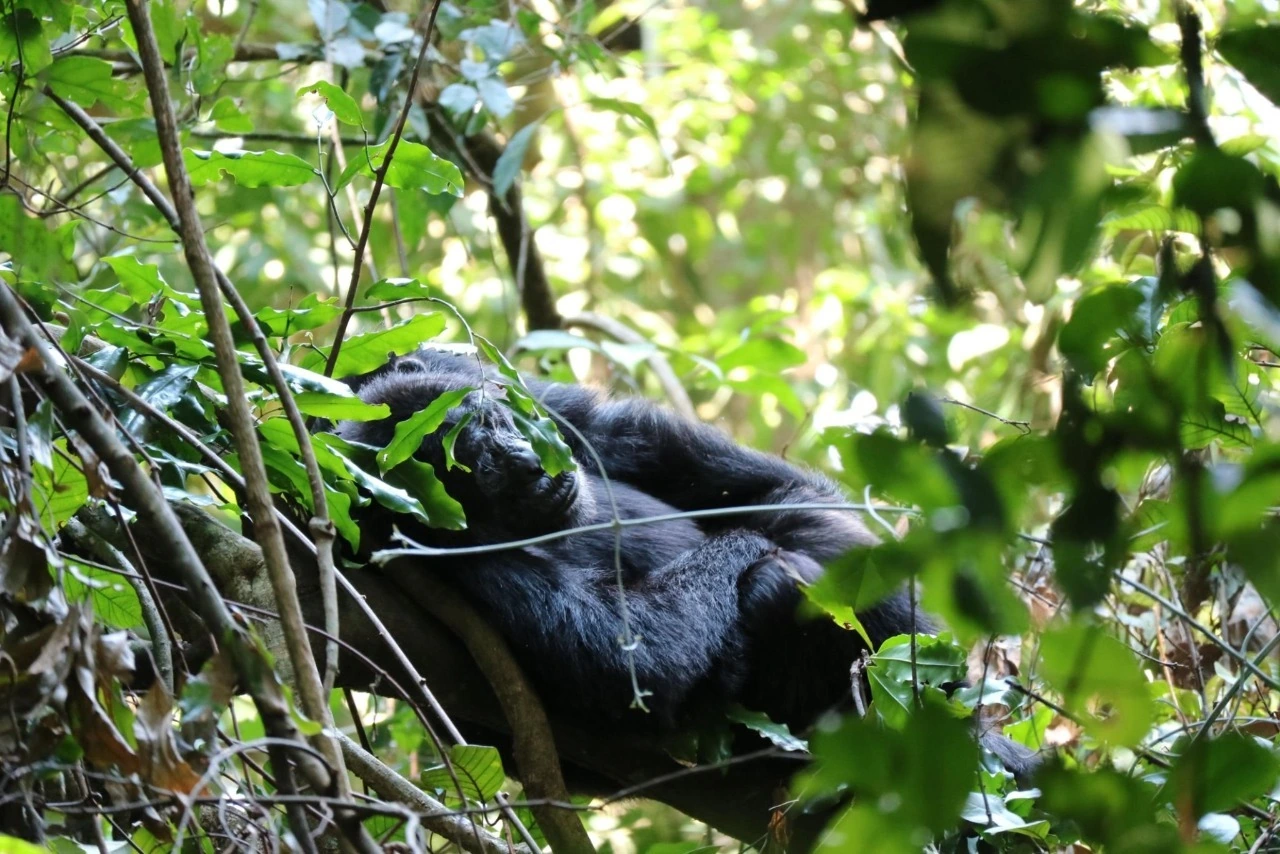
Tipps für verantwortungsvolles Schimpansen-Trekking in Uganda
Please remember that you are a guest in the chimps' home. Never break the rules, like not eating or drinking in front of them or moving quickly or talking loudly. Keep your mask on and stay away if you can. Right now, some parks ask visitors to wear masks for extra safety. As a curious chimpanzee comes closer, stay calm and let the guides keep the space. Every nice thing you do (or don't do) for these animals benefits their survival.
Support conservation: The money you pay for the trek goes straight to the Uganda Wildlife Authority and the people who live in the area. The money helps fight poaching and habitat loss and pays park guards. Many tours offer optional trips to Batwa pygmy villages near Bwindi or craft markets near Kibale.
You might also want to check out community projects. And you can meet Ugandans whose lives are connected to these woods. A lot of tourists say that going on safari is better when they eat with a village family or listen to jungle folklore.
Ugandan culture: The people there are friendly and open. It's likely that guides or lodge staff will welcome you in English, Swahili, or a local language. For example, "Mulibuulwa" means "you have arrived." If the guides find a chimp, don't be afraid to say something like "Gyebale ko," which means "well done" in Luganda.
If you stay at a lodge, talk to the staff or go to a traditional dance night. A friendly smile at dinner or a child waving as you drive by a hut on the side of the road are examples of human interactions that add to the experience beyond the animals.
Expert Photography Tip: Chimpanzees are quick on their feet and usually hang out in trees. A camera with at least a 300mm zoom lens or a good smartphone will help you get great pictures. Flash is not allowed, so turn it off. Darkness in the forest means that you'll need a camera that can handle high ISO.
Also, don't forget to enjoy the moment. You'll see a lot more if you put down the camera every once in a while and just watch.
The essentials for packing are:
- Light long pants and a long-sleeved shirt to protect against bugs and scratches.
- Hiking boots or shoes that are strong and socks that let your feet breathe.
- A light rain jacket or cover (it often rains in the afternoon).
- Hat and polarised sunglasses (for the way out on the open trails).
- Water bottle that can be filled up again and again (keep thirsty).
- Binoculars or a camera that can zoom in.
- Sunscreen and bug sprays.
- Your own medicine (plus a simple first-aid kit).
- A small rucksack to carry snacks and extra batteries.
Häufig gestellte Fragen (FAQs)
What is the best time of year for chimpanzee trekking in Uganda?
Chimp treks are available year-round, but the dry season (June to September and December to February) is generally best. Trails are easier and chimps may be more active near waterholes. During the wet season (March to May, Oct to Nov) expect muddy paths and occasional cancellations. However, note that chimps can be seen any time, and lush green forests after rains also have their charm.
Which parks in Uganda allow chimpanzee trekking?
The primary sites are Kibale National Park (Western Uganda) and Kalinzu Forest Reserve (near Queen Elizabeth NP). Others include Budongo Forest (Murchison Falls area) and Kyambura Gorge (Queen Elizabeth). Kibale is the most popular by far (highest chimp densities and habituation), but each site offers a quality experience. Some travelers do multiple treks (e.g. Kibale and Kalinzu) for fun and higher success rates.
How much does a chimpanzee trekking permit cost?
Prices vary by park. As of 2026, a foreign non-resident permit is about $200 in Kibale. Kalinzu and Kyambura permits are cheaper, around $50 each. Budongo is about $120. Ugandan and East African residents pay lower fees (ask your operator). Remember, permit fees are fixed by UWA and go directly to park conservation.
What is the minimum age for chimpanzee trekking?
By Uganda Wildlife Authority rules, you must be at least 12 years old to trek chimps. (By contrast, gorilla treks require age 15.) No exceptions are made. If you have younger children in your group, they can enjoy other activities like forest walks, boating, or cultural visits instead.
How physically demanding is chimpanzee trekking?
It’s moderately easy to moderate. Kibale’s terrain is fairly flat, so the hike is usually shorter than a full-day gorilla trek. You should be comfortable walking for a couple of hours over uneven ground and up gentle inclines. People of all ages and fitness levels often succeed; our guides say even clients in their 70s have done it. If you have mobility concerns, you can request a porter in most parks.
What should I bring on a chimp trek?
Travel light but prepared. Pack a small daypack with: water, camera (no tripod), rain gear, sun hat, insect repellent, and maybe a snack. Wear long pants and sleeves to protect against brush and bugs. Hiking boots are recommended. Leave valuables at the lodge (though parks are safe). Also, bring a mask and hand sanitizer – UWA often asks trekkers to use these to protect chimp health.
How long is a chimpanzee trek?
Typically 3 to 4 hours total (2 to 3 hours trekking, plus 1 hour with the chimps). Some hikes are shorter or longer depending on chimp location. Plan on being in the jungle early morning for a half day. Most operators break for lunch back at the lodge afterwards.
Is chimpanzee trekking safe?
Yes, very safe when you follow guidelines. You will always be accompanied by trained park rangers who carry radios and (in remote areas) rifles for safety. Chimpanzees can be curious but they are used to humans if habituated; they rarely act aggressively. The main risks are disease transmission (hence the health rules) and slipping on trails. Simply obey ranger instructions (keeping distance, no touching) and you’ll be fine.
How do I book a chimpanzee trekking tour?
It’s easiest to work with a reputable tour operator who will handle permits, transport, and lodgings. We recommend booking at least several months in advance, especially if your travel dates are fixed. Your operator will request permits (per UWA rules) once you pay a deposit. If you prefer DIY, the Uganda Wildlife Authority office in Kampala can also issue permits but they only sell through operators, not directly to tourists.
Bereit, die Schimpansen Ugandas zu trekken?
Nachdem Sie über die hohe Erfolgsquote in den Dschungeln von Kibale, die Genehmigungen kosten, und was Sie einpacken sollten, gelesen haben, können Sie mit der Planung Ihrer Reise beginnen. Sie werden das Trekking mit Ugandas Schimpansen lieben, egal ob Sie allein reisen oder mit einer Gruppe von Freunden.
Nehmen Sie Kontakt zu unseren Safari-Experten auf, um einen individuellen Plan zu erstellen oder ein Angebot zu erhalten. Unsere Guides kommen aus der Region und lieben Schimpansen genauso sehr wie wir.
Kontaktieren Sie uns und lassen Sie uns noch heute Ihre Reise planen, die wilden Schimpansen heißen Sie im wahren Afrika willkommen!