For a Tanzania safari, pack layers in neutral colours, a fleece and a waterproof jacket, closed walking shoes, a wide-brimmed hat, sunscreen, insect repellent, binoculars and your passport, visa and insurance, all in a soft duffel bag. Light aircraft between parks usually limit luggage to about 15 to 20 kg per person, and 15 kg is common, so confirm the limit with your operator before you pack. Avoid black, dark blue and bright colours, and do not bring camouflage clothing, which is not allowed for civilians in Tanzania.
This guide covers luggage, clothing, health, documents, camera gear and what to buy locally. Rules and airline allowances change, so confirm them with your operator. We checked the points in October 2026. For gorilla trips, see our gorilla trekking packing list.

What Luggage Should You Bring?
Use a soft-sided duffel, not a hard suitcase. Small aircraft have strict weight and space limits, and a bag that does not fit may travel on a later flight. Weigh your bag with your camera gear before you leave home. Pack a small daypack for the vehicle. If your trip combines Rwanda or Uganda with Tanzania, check every airline's rules.
What Clothes Should You Wear on Safari?
- Neutral colours: khaki, olive, beige, grey. They hide dust and do not draw attention. Dark blue and black can attract tsetse flies in some areas.
- Long-sleeved shirts for sun and insects, and a few T-shirts.
- Quick-dry trousers, or convertible trousers.
- A fleece or light jacket for cold early drives, and a waterproof jacket in the rainy months.
- A swimsuit for lodge pools and Zanzibar.
- A scarf or buff for dust and sun.
- One smart-casual outfit for dinners and town.

Which Footwear and Accessories Help?
Bring comfortable closed shoes for camp and low hiking boots or sturdy trainers for any optional walk. Sandals are fine at the pool. A wide-brimmed hat, good sunglasses and a buff help with dust and sun. Pack two pairs of socks per day of activity. Temperatures swing, so a light pair of gloves can be welcome on early drives.
How Do You Protect Your Health?
- Ask a travel-health professional about malaria prevention, and bring any prescription medicines from home.
- Use insect repellent with DEET or picaridin.
- Use high-SPF sunscreen and lip balm. The equatorial sun is strong.
- Carry a small first-aid kit: painkillers, antihistamines, anti-diarrhoea tablets and plasters.
- Drink plenty of water. A reusable bottle helps. Many operators supply water in the vehicle.
Which Documents and Money Do You Need?
- Your passport, with printed and digital copies, and a visa if required. See our visa guide.
- Travel insurance and your vaccination card.
- A printed itinerary, lodge confirmations and contact details.
- A mix of small US dollars for tips and cash-only places, and a bank card.
- A UK-style plug adapter. Tanzania uses 220 to 240 V.
What Camera Gear Is Worth Carrying?
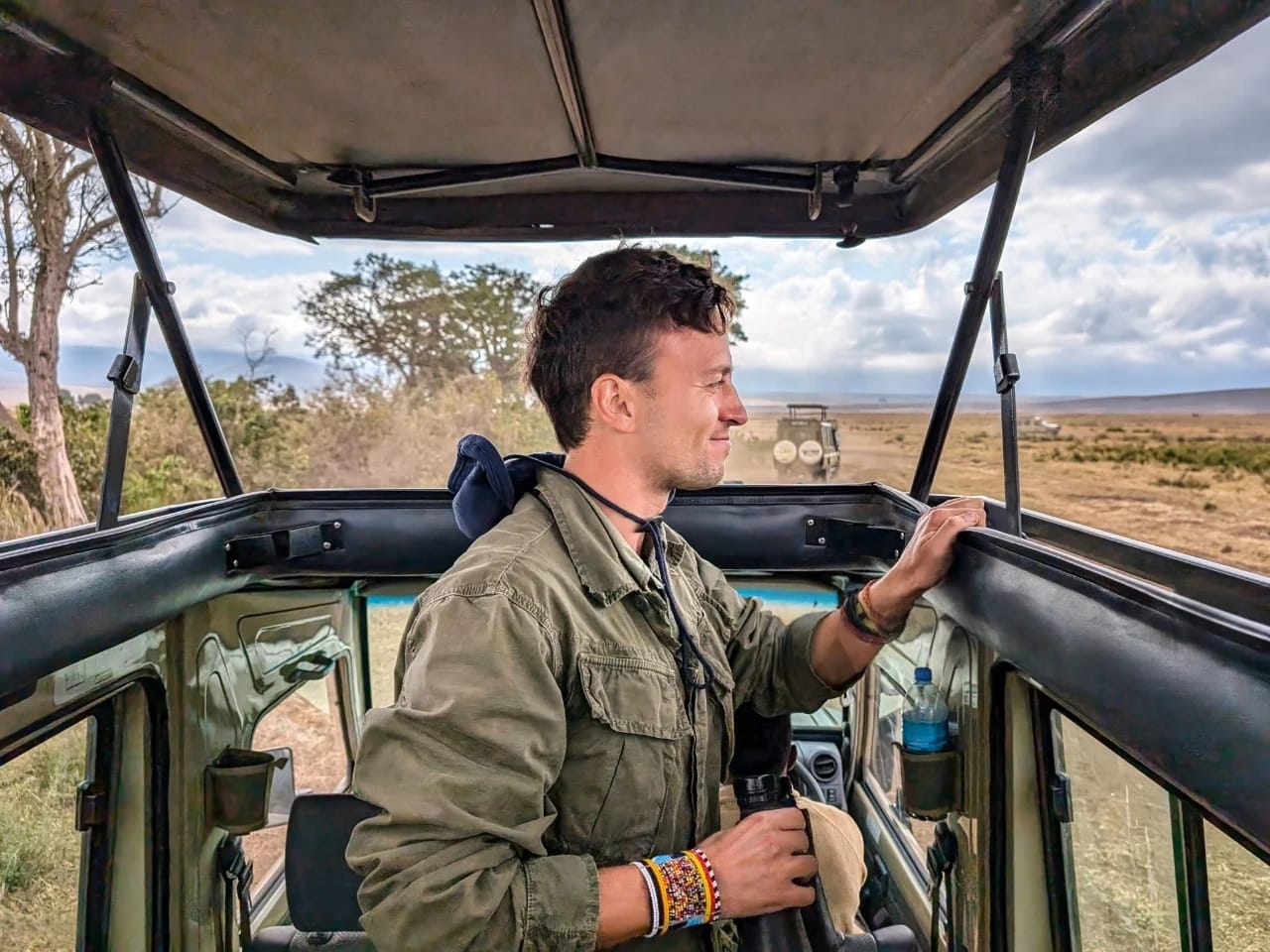
A camera with a zoom lens, binoculars (8x42 is a common choice), spare batteries and memory cards, a small power bank and a dust cover. Charging can be limited in remote camps, and a headlamp helps in the evening. Skip heavy lenses you will not use. See the Serengeti safari guide for what to photograph.

What Can You Buy Locally?
Sunscreen, basic medicines and toiletries are available in Arusha and larger towns, but prescription items are not guaranteed. Many lodges offer refill programmes for water and toiletries. Bring solid toiletries and a microfibre towel to save space.
Best for
First-time safari travellers and anyone flying between parks on small aircraft.
May not be ideal for
Gorilla trekking, which needs different kit. Use the gorilla packing list instead.
What Packing Mistakes Do Travellers Make?
- Hard suitcases. They do not fit light aircraft.
- Bright or dark clothing. Choose neutral colours.
- Camouflage. It is not allowed.
- Heavy lenses. They add weight.
- Forgetting prescription medicines. Bring them from home.
Frequently Asked Questions About Packing for a Tanzania Safari
What is the weight limit for luggage?
Often about 15 to 20 kg per person on light aircraft, and 15 kg is common. Confirm with your operator.
Do I need neutral colours?
It is a strong recommendation. They reduce dust and avoid attracting insects.
Can I buy malaria tablets locally?
Bring prescription prevention from home.
Planning Your Trip?
Tell us your route and we will confirm baggage limits and send a packing list. Talk to Our Tour Specialist or see the 8-day Tanzania safari.