Picking the Superior Uganda Tour Operator
Selecting the best Uganda tour company can mean the difference between a fantastic safari and a lost chance. In order to assist you in selecting a trustworthy, superior Uganda travel agency, we address important aspects in this recommendation, including license, local knowledge, safety, transparency, and sustainability. We give first-hand information and actual data. If you follow these tips, you'll be able to plan a fun, safe, and wonderful trip.
Why Choosing the Correct Tour Operator Is Important
Uganda had 1.37 million foreign visitors in 2024. They came to see gorillas in Bwindi and go on game drives in large savannah parks. The right tour company is more important than ever as the number of tourists grows. An unskilled operator can make an amazing trip into a nightmare by taking the wrong turn and missing permits or not planning well.
How can you tell the real professionals from the rest? When picking a Uganda safari company, this piece tells you about all the things that exist. We'll tell you what to look for in qualifications, what to ask, and what services to expect behind the scenes. We will also share stories and facts, like how money from tourists helps local communities, so you can make an educated decision and plan a great trip.
An excellent tour guide is both a safety net and a storyteller. Aside from booking your campsites, they also help you deal with problems and give your trip meaning.
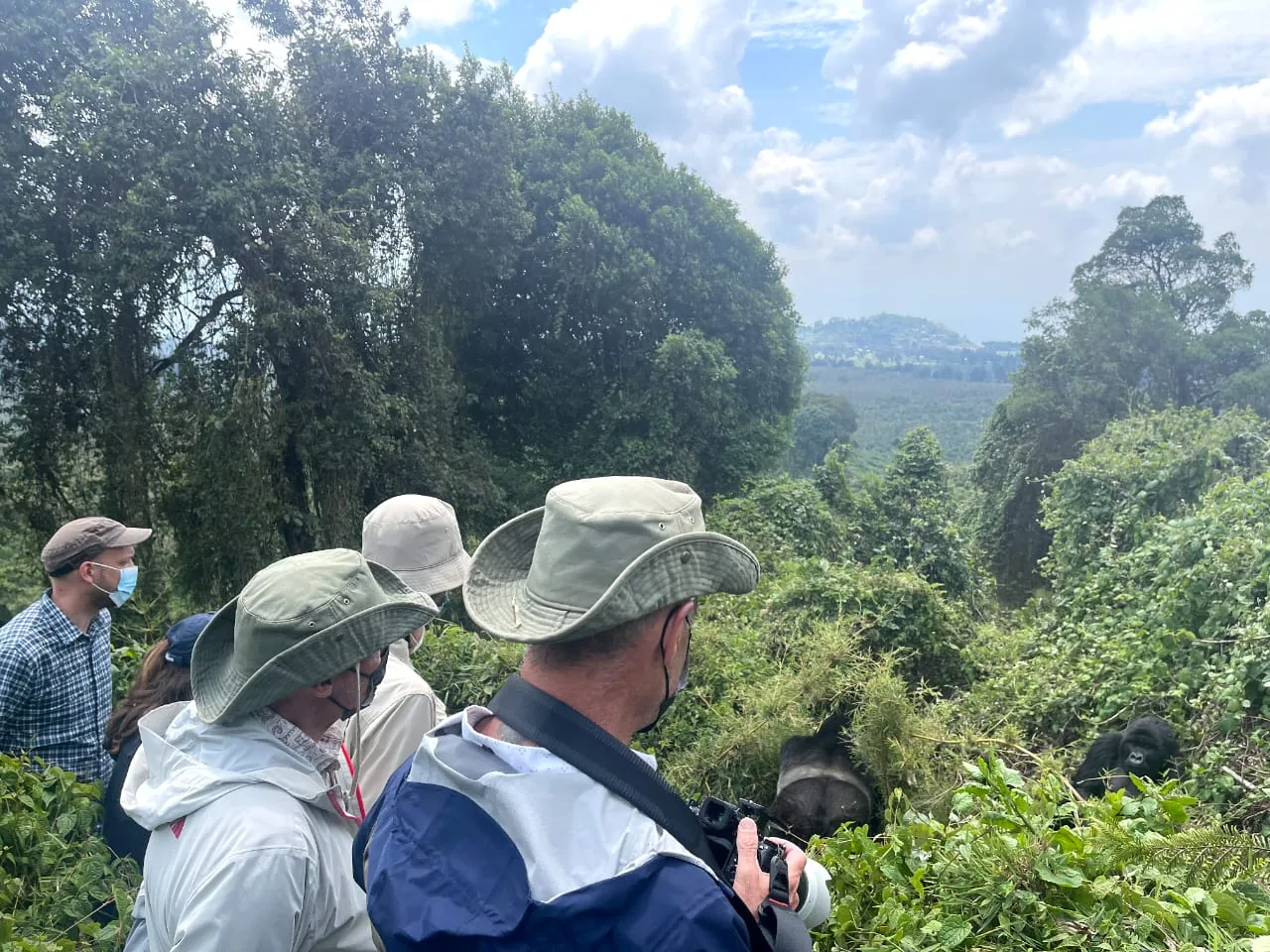
Imagine, for instance, that a family is trekking gorillas in the Bwindi Impenetrable Forest when the road ahead is washed away by an unexpected downpour. If the company isn't experienced, they might leave guests stuck, but a local guide who knows the forest like the back of his hand will find a different way to keep the walk safe. With that kind of quick thought, a near-crisis became an adventure those guests will never forget.
It's common for small companies to be great at adding that personal touch. One guest described how, while on a safari in Uganda, her guide taught her and her kids the songs of the indigenous tribes around a campfire, turning an ordinary evening into something extraordinary. Not in any brochure, but these times make memories that last a lifetime.
Although, some cheap tours don't include bonuses like this. Guests who book with the cheapest operator to save a few dollars often feel bad about it later because they missed out on surprises or respect that a better operator would have handled easily.
Picking a tour company with a good reputation is very important. It means that your trip to Uganda will be well planned and tailored to your needs. A good planner makes sure that problems don't ruin your trip and turns unplanned events into highlights. Here are some useful things you should look for in a Uganda safari partner to help you make an informed choice.
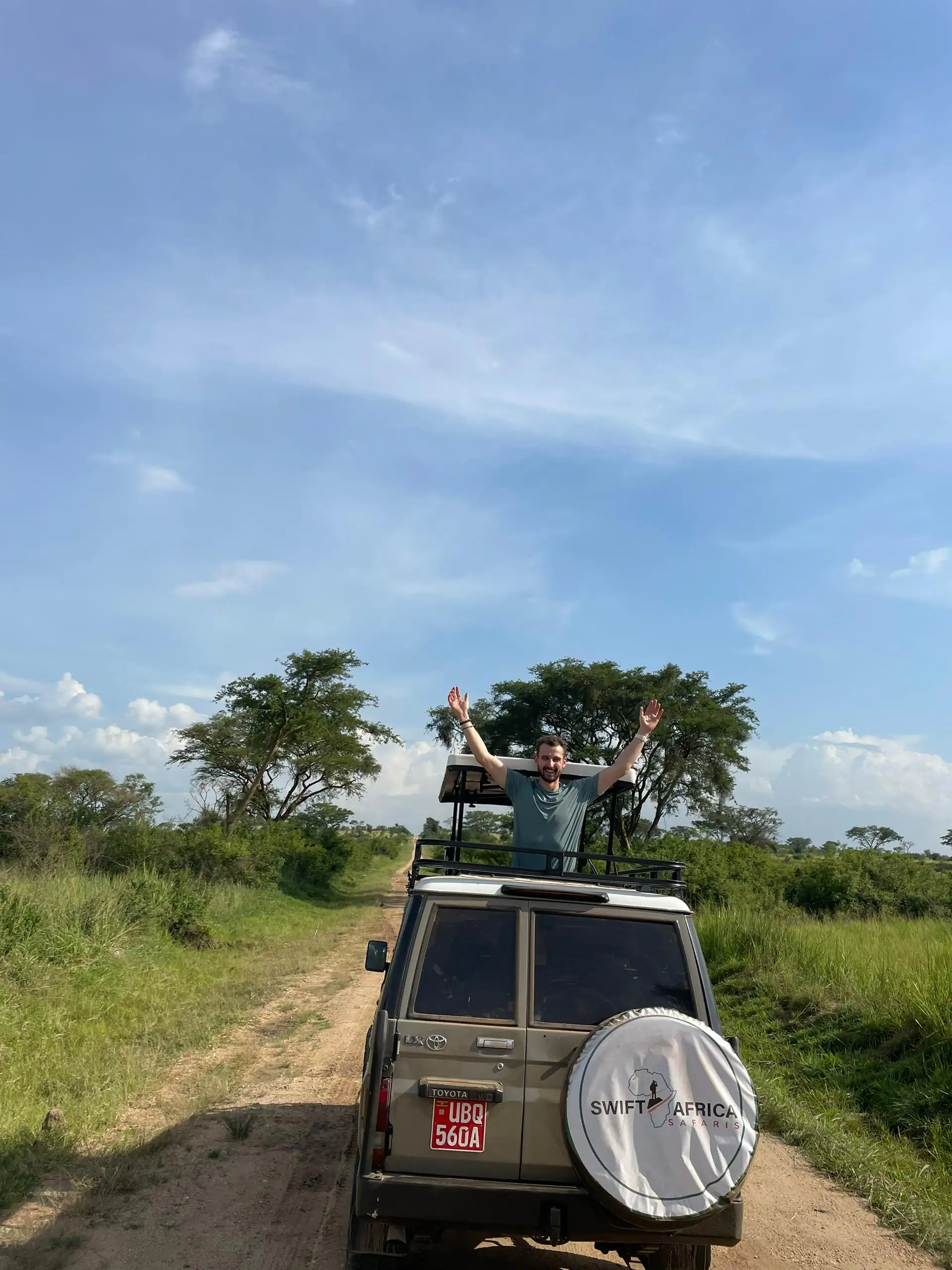
Licensed, Accredited, & Honest Tour Operator
Beginning with the most important: all tour companies in Uganda should be fully approved and registered. A company that meets certain standards is given a licence by the Uganda Tourism Board (UTB). You can check an operator's state on the UTB website or by asking to see their licence number.
Being a part of the Association of Uganda Tour Operators (AUTO) is also a good sign, since this group checks out its members to make sure they act in an honest way. If these documents are confirmed, it means that the operator follows Ugandan laws and safety rules.
Real tour operator will also know how to properly handle money. Deposits can only be made into company bank accounts, which can only be opened by authorised businesses. People should be very careful if a business asks them to pay through an app that can't be tracked or in cash to a personal account.
A lot of the top tour perators also have a business address and phone number that can be checked. Make sure that their office is marked on Google Maps; it may be in their Knowledge Panel. Again, this openness is a reliable sign. When you're ready to hire, make sure each company on your shortlist is real.
Check the UTB's list of approved tour operators to see if they are on it, or call the UTB to make sure they are registering correctly. With these steps, you can be sure that your money and yourself are safe. When you book your trip through a licensed and legal operator, you are also helping Uganda's economy because licensed operators pay taxes and fees.
Experience and Knowledge of the Area
Getting to know Uganda's unique surroundings is very important. Look for companies that stress how knowledgeable their guides and staff are. You can tell a company is good even if it's new if its employees have been taking safaris for decades. Check to see how long the tour company and guides have been in the business.
Many of the best companies were started by experienced guides or park rangers who wanted to run their own business. These people know the best ways to get around in national parks and through the jungle better than anyone else. Expertise in the area goes beyond knowledge of nature.
There are many languages spoken in Uganda and more than 50 different tribe groups. The best guides are Ugandans who live there and speak English (and often a tribal language) as well as English. They can give you culture information that tourists from other countries would miss. A Ugandan tour guide might, for instance, explain what the music sounds in a village mean or help you bargain for a price in a nearby market.
After a lot of training on how to protect animals and keep people safe, some guides are even certified by the Uganda Wildlife Authority (UWA) or by the expert tour operator companies. When you're looking at companies, try to find ones that talk about how qualified their guides are.
A guide profile or qualifications should be on the company website. Should you not know who will be leading your tour, don't be afraid to ask for more information.
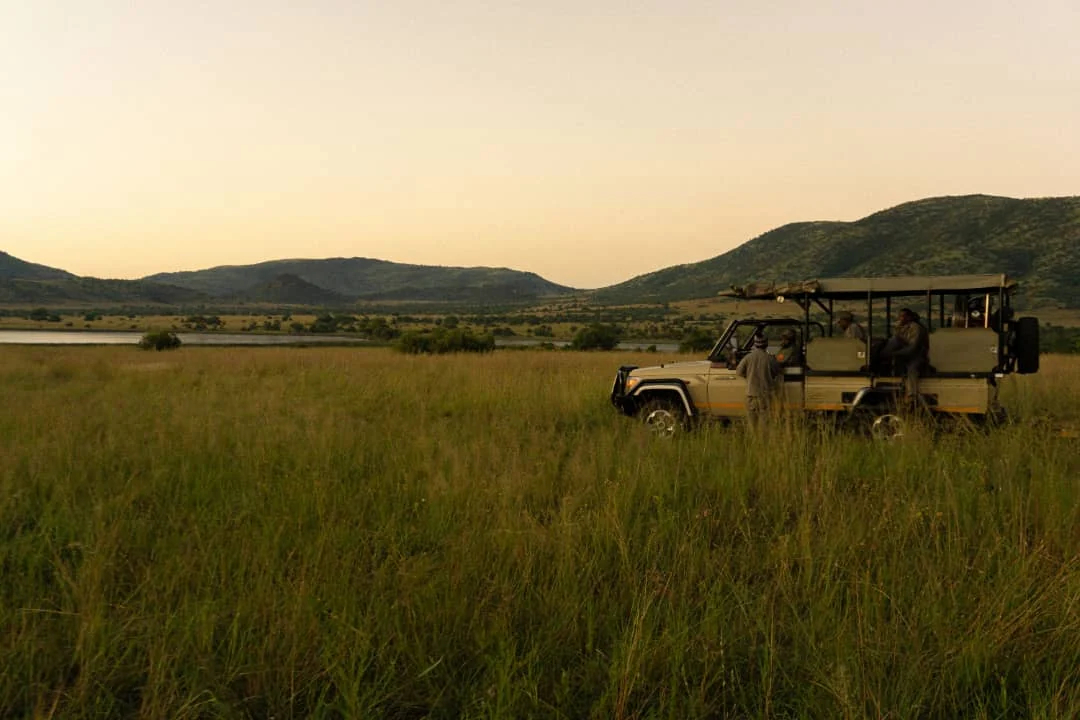
Customized Itineraries and Group Size
The things you want to do on safari must align with your interests. The best Uganda tour companies will ask you about your travel goals and then plan your trip around those. If you like to watch birds, for example, they might include a stay at Mabamba Bay, which is known for its shoebill storks. If your goal is to fully experience the Batwa culture, you might be able to stay with a Batwa family. Do not deal with companies that only offer rigid, "one-size-fits-all" packages.
Adjusting schedules is very important; a flexible operator might let you stay in the woods longer or switch lodges if that's what you want. It's also important how big the group is. Wildlife parks and gorilla forests in Uganda have official limits on how many people can come. The same ape family can only be trekked by eight people at a time, for example.
Look at examples of tours that your company usually offers. You should be able to choose a solo tour or a small group tour if that's what you want. A lot of companies focus on safaris with only 6 to 8 people, which feel more private and less crowded. Tours with 10 or more people maybe be cheaper, but it might feel crowded at popular places. By looking at their tour pictures, you can tell if they are telling the truth if you see vehicles full of people.
For your pleasure, the best tour companies will not overcrowd their vehicles and will give you options.
Customer Service and Communication
Details that happen before the trip tell you a lot about the tour company. When you ask them questions, keep track of how quickly and completely they answer them. Interacting with them could be difficult if they answer vaguely or take days to reply. As you talk, the operator will likely be happy to help you get ready and will often give you useful travel tips, like about visas, vaccines, and packing lists.
The best tour operator gives your reservation to a dedicated safari expert. As your trip gets closer, this person should check in to confirm things like park passes, lodge reservations, and meeting places. So you can stay in touch while you're travelling, some providers even set up a WhatsApp group or give you a local phone number.
You want to be able to text a tour consultant with a question at 10 p.m. and get a quick, clear answer that same night. The tour operator's ability to talk to you is also very important. Upon arriving, you should be introduced to your guide and given a local phone number. If planes are delayed or plans change, your operator should let you know ahead of time.
Tour operators that do a good job of taking care of guests often ask for comments after the trip. With all of these steps, an operator shows how much they care about your safety. Ask them a few detailed questions when you book and see if they answer clearly and with energy.
Clear Costs and Good Value
Even though price is important, the lowest quote isn't always the best deal. Look at what you're getting instead of only the price itself. A trustworthy operator gives you a quote with all the details. For example, the $800 for a Ugandan gorilla permit should be in your budget. Any company that gives you a very low price without including this information is dishonest. Also, make sure that the tour price includes normal costs like an accommodation to stay and park fees. If important information is missing or written in an unclear way, like "pay on arrival," make sure you understand it before you book. When something is a good deal, it's clear what's included: park fees, a safari vehicle with petrol, lodging, most meals and skilled driver-guides. Often, things like bottled water, tips for tour guides, alcoholic drinks, and foreign flights are not included. Just make sure that you know that from the start. Prices and service will be fair at a fair business. From what we've seen, the best providers may charge more, but their great service and dependability make up for it. As a general rule, if something looks too good to be true, it probably is. It is always a good idea to get more than one price, and if one seems too low or too high, find out why. Ultimately, spending a little more on a well-reviewed operator is usually a good idea. The money you spend pays for the guides' knowledge of the area, safe gear, and easy handling.
Responsible Tourism and Sustainable Practices In Uganda
Practices that are responsible and long-lasting The natural beauty and cultures of Uganda are rare and valuable. In order to be sustainable, the best tour companies know this and act accordingly. Find out how a company reduces its impact. Do the lodges recycle and save water to be good for the environment? Provide reusable water bottles to avoid single-use plastics?
Are local groups involved? Some tour operators work with village projects or hire people as guides and staff.
Residents of Uganda directly gain from tourism.
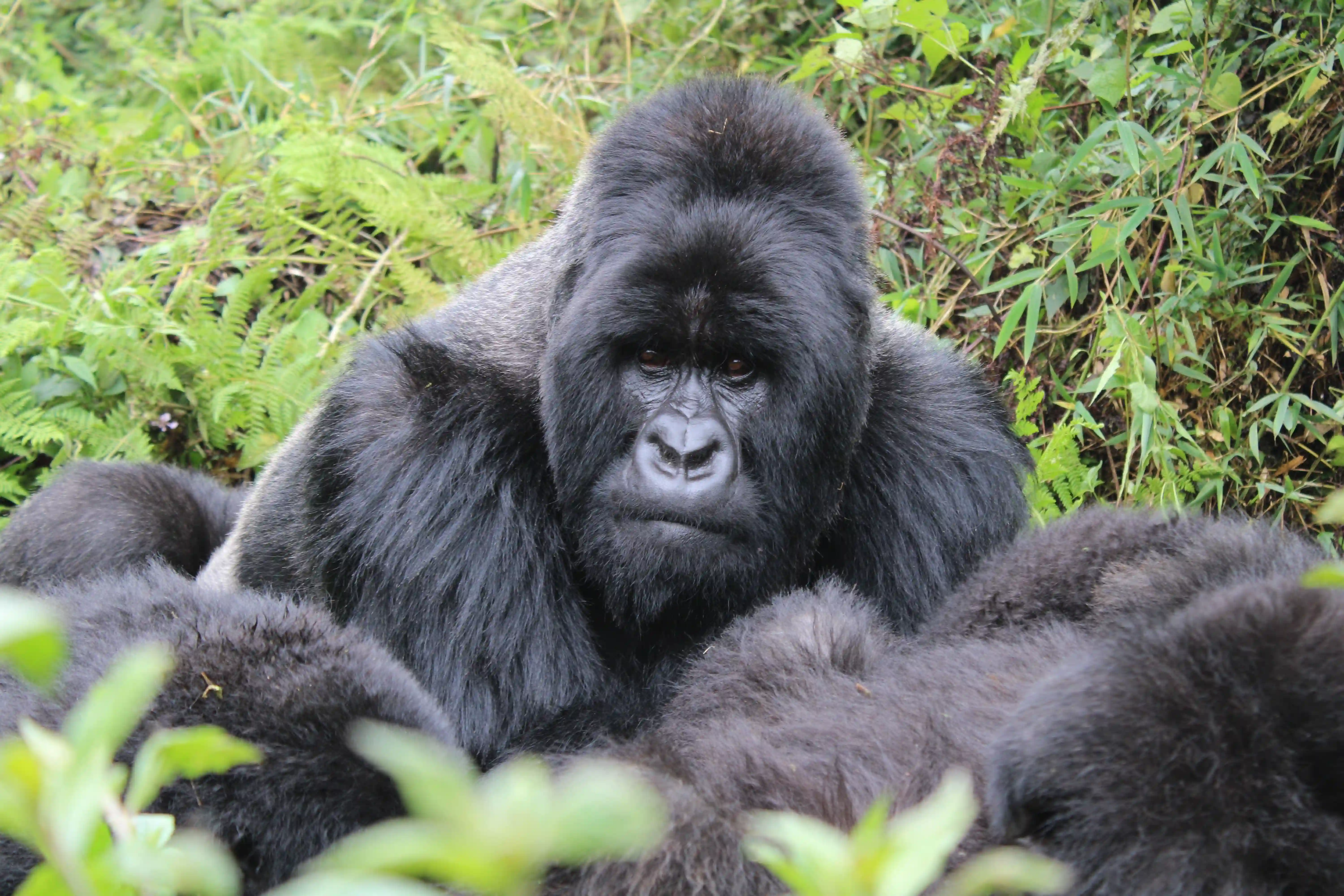
Each gorilla permit legally gives $10 back to the community, plus 20% of the yearly park fees. Sincere operators will draw attention to this, not hide it. If guests want to see a community project that was paid for, they might even plan a stop.
Finally, check to see how the operator handles meetings with wildlife. Being a responsible guide means not yelling at animals, keeping a safe distance, and knowing how animals act (for example, when to stop and wait for a leopard to cross). Selecting a best tour company with strong social and environmental standards will make sure that your trip benefits Uganda as well as your own enjoyment.
Frequently Asked Questions
Q: What should an Uganda safari package include?
A clear, all-inclusive package generally covers park entrance fees, wildlife permits, lodging, meals, and transportation in a 4×4 vehicle with a driver-guide. These costs should appear in your tour quote. The tour should also include accommodations (lodge or tent) and most meals. Common exclusions are international flights, visa fees, travel insurance, and tips. Always ask for a detailed itinerary and cost breakdown so you know exactly what’s covered.
Q: When should I book my Uganda safari and gorilla permits?
Uganda’s gorilla permits are limited (only 8 per gorilla group per day) and go fast in peak seasons (roughly June–August and December–February). We recommend booking your safari at least 4–6 months in advance, and up to a year ahead for gorilla permits if you travel during busy times. Since only Ugandan citizens and residents can buy permits directly, most international visitors have a tour operator handle it. A good operator will notify you about when to pay for your permit and will secure it for your dates once you confirm. In practice, lock in your permits as soon as your dates are fixed to avoid disappointment.
Q: Is it safe to travel in Uganda, and what health precautions should I take?
Uganda is considered relatively safe for tourists, with friendly locals and stable infrastructure. Petty crime exists, as in any country, so take normal precautions (watch valuables, avoid walking alone at night). Your operator should always prioritize safe accommodations and transport. Follow your guide’s instructions in the parks: for example, don’t approach wildlife on foot and maintain required distances (like 7 meters for gorillas).
Health-wise, Uganda requires a yellow fever vaccination certificate for entry. Protect against malaria (most regions are risk zones) and take other routine vaccines (e.g. typhoid, hepatitis). Drink bottled or treated water. A responsible tour operator will brief you on all recommended precautions and have a first-aid kit on hand. They may also recommend travel insurance that includes medical evacuation, which is strongly advised for any African safari.
Q: How do I reach my tour operator if I need help during the trip?
The best companies provide a 24/7 emergency contact. This might be a guide’s mobile number or a WhatsApp line to the tour office. Many set up a group chat (WhatsApp or Telegram) including your guide and a local agent, so you can ask questions on the go. Make sure to exchange contact info before you depart. On arrival, you should meet someone from the company who can give you local SIM cards or phone numbers. If you have an issue (flight delay, missed connection, etc.), a reliable operator will already have an on-call person to handle changes. In short, clear and responsive communication throughout your journey is a hallmark of a professional safari operator. Reliable firms make it clear you can reach them anytime.
Making the Safari of Your Dreams
Remember that a lot of guests say the guide and the tour operator company that they hired made or broke their vacation.
Now that you know this, you can choose a tour operator who will treat you like more than just a booking. Our group of local travel experts is here to help you plan your Uganda itinerary.
We can plan your perfect Uganda tour, from a 3-day gorilla trek to a 10-day wildlife tour. We can change everything about it.
Get in touch with us or get a free quote today to begin your travels.