The best time to visit Queen Elizabeth National Park is during the dry months of June to August and December to February, when the grass is shorter, the animals gather near water and the roads are firm. But the park is open and rewarding all year. It sits on the equator, with two rainy seasons, and each season favours something different: dry months for game drives, wet months for birds and quiet.
This guide goes through the seasons, month by month, and then matches them to the main activities, so you can choose the time that fits your priorities.
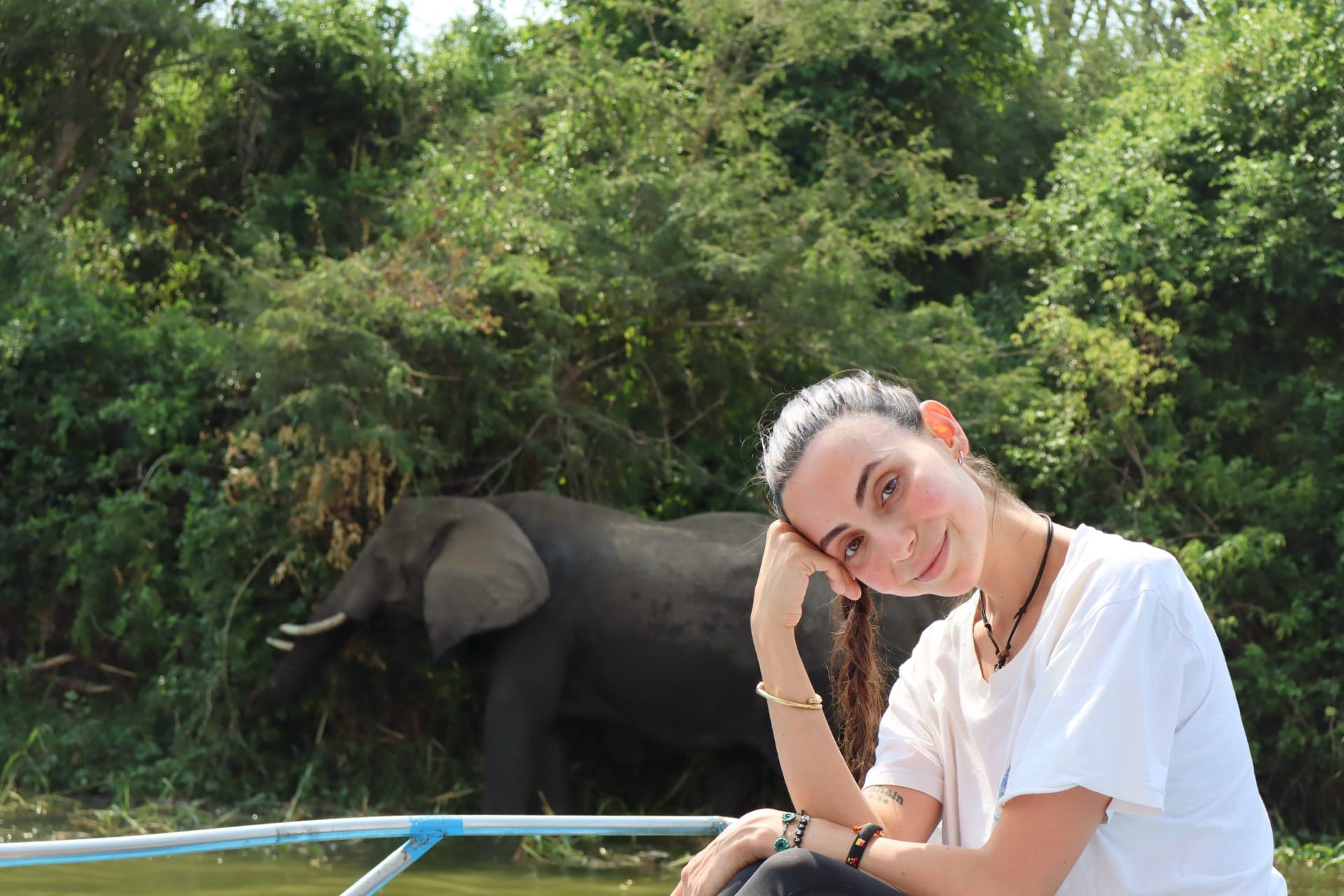
What Is the Climate Like in Queen Elizabeth National Park?
The park lies in western Uganda on the equator, with warm days and mild nights throughout the year. Rain falls in two periods: the longer rains from March to May, and the shorter rains from September to November. The driest spells are June to August, and December to February. Even in the dry months, afternoon storms happen, and during the rains there are many bright mornings. Temperatures vary little, so rain and road conditions are the main seasonal differences.
The park covers savanna, lakes, forest and wetlands, and each habitat reacts differently to the weather. The Kazinga Channel and the crater lakes hold water all year, and the savanna changes from green to gold.
Which Months Are Best for Game Drives?
June to August and December to February
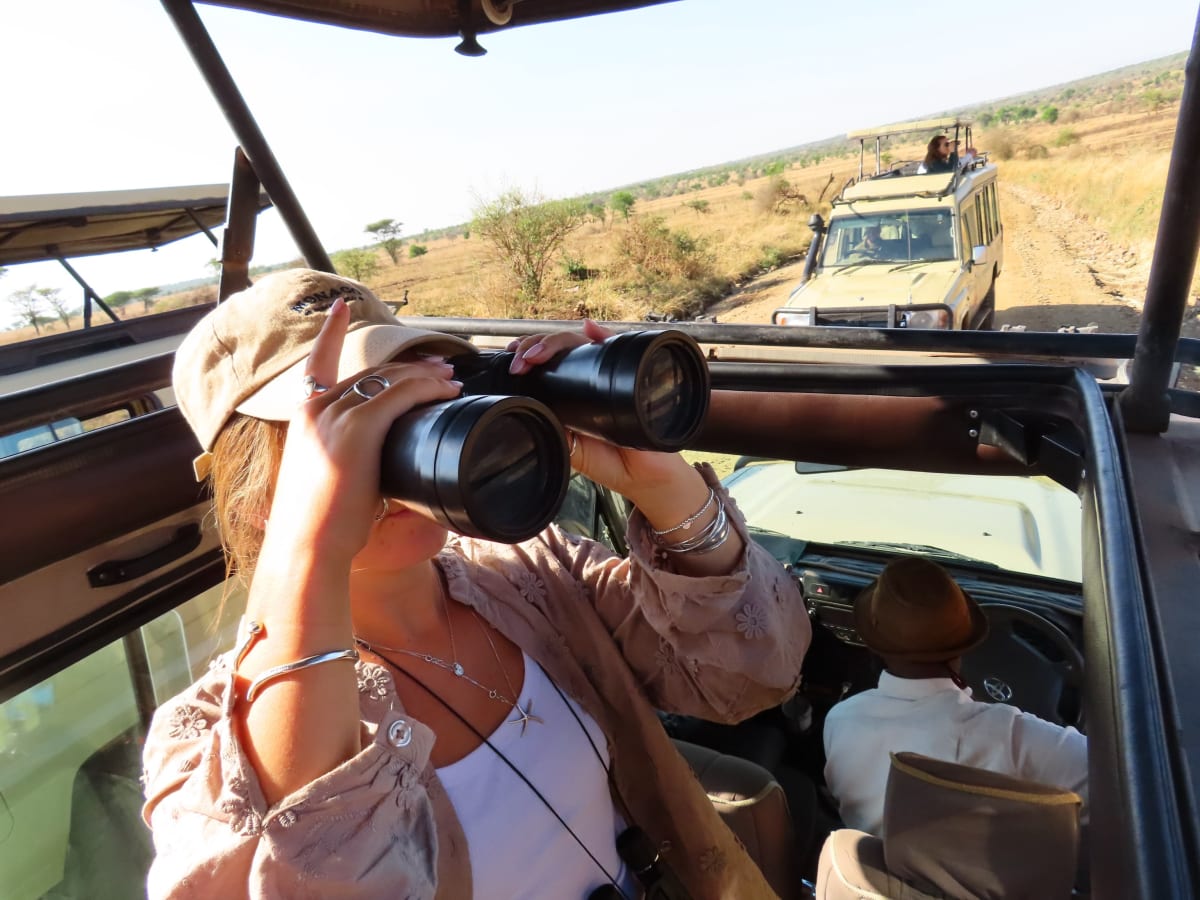
These months offer the easiest game viewing. The grass is shorter, so animals are easier to see, and herds gather closer to the Kazinga Channel and other water. Elephants, buffalo, Uganda kob and waterbuck are visible on the Kasenyi plains and along the channel. Lions and leopards are possible, as always, but they remain wild animals, and no sighting is guaranteed. Roads are in their best condition, which makes long transfers more comfortable.
March to May and September to November
The rains turn the park green. The grass grows taller, and animals disperse, so sightings can take longer. In return, the park is quiet, the light is soft, and lodge rates are lower. Mornings are often clear, with storms later in the day. Some tracks are muddy, and a 4x4 vehicle with an experienced driver matters more.
When Is the Best Time for the Kazinga Channel Boat Cruise?
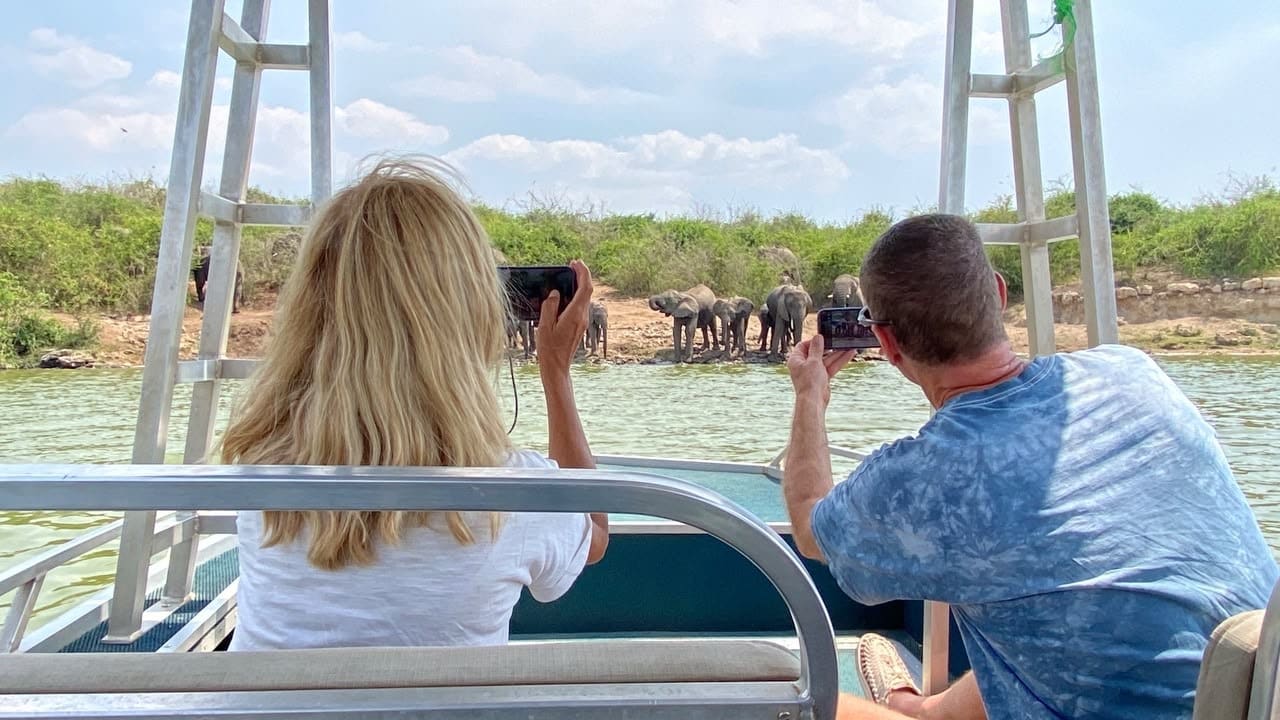
The boat cruise runs all year, and hippos, buffalo, elephants and birds are along the channel in every month. Dry months bring more animals to the shore, and the wet months offer fewer visitors and better birdlife. Afternoon cruises are popular for the light, and morning cruises are calmer and cooler. A cruise lasts around two hours. Read whether the Kazinga Channel cruise is suitable for families for the practical side.
When Is the Best Time to Look for Tree-Climbing Lions in Ishasha?
The Ishasha sector in the south of the park is known for lions that rest in fig trees. They are seen on some days and not on others, and the habit is not tied to a single month. Dry months, when the grass is short, can make finding them easier. A morning or afternoon drive in the sector is usually enough to look, and many visitors combine it with a transfer to or from Bwindi. Treat the sighting as a pleasant possibility, not a plan. See the 6-day Ishasha, boat safari and chimp tracking tour.
When Is the Best Time for Birding?
The park has a bird list of more than 600 species, among the highest of any East African park. The wet months, roughly November to April, bring migrants from the north and breeding plumage for resident species, and many birders prefer them. The dry months are easier for getting around. Mabamba and other wetlands further east are better for waterbirds. Read the best bird-watching spots in Uganda to plan a wider route.
When Should You Combine Queen Elizabeth With Other Parks?
Queen Elizabeth is the middle of the western loop. In the dry months, the roads to Kibale and Bwindi are at their best. In the rains, allow more time for transfers. Plan one or two nights in the park, three if you want to include Kyambura Gorge chimpanzees and the crater lakes. Read how to combine Kibale chimpanzees with gorilla trekking, and the best things to do in Queen Elizabeth National Park for the activities.
A route that links the park with big game and the Nile is the 6-day chimpanzee tracking and Kazinga Channel safari.
What Do Chimpanzee Tracking and Lion Tracking Look Like by Season?
Kyambura Gorge chimpanzee tracking runs all year, and the gorge is more slippery in the wet months. Lion tracking, offered on some days with researchers who follow collared animals, depends on the lions' movements and on the season in the same way as a game drive: easier in the dry months, when the grass is short, and harder in the thick wet-season vegetation. Neither activity is guaranteed. Ask your guide for the latest information when you arrive, and keep your plans flexible by adding a second day to your stay.
How Does the Season Affect Roads and Transfers?
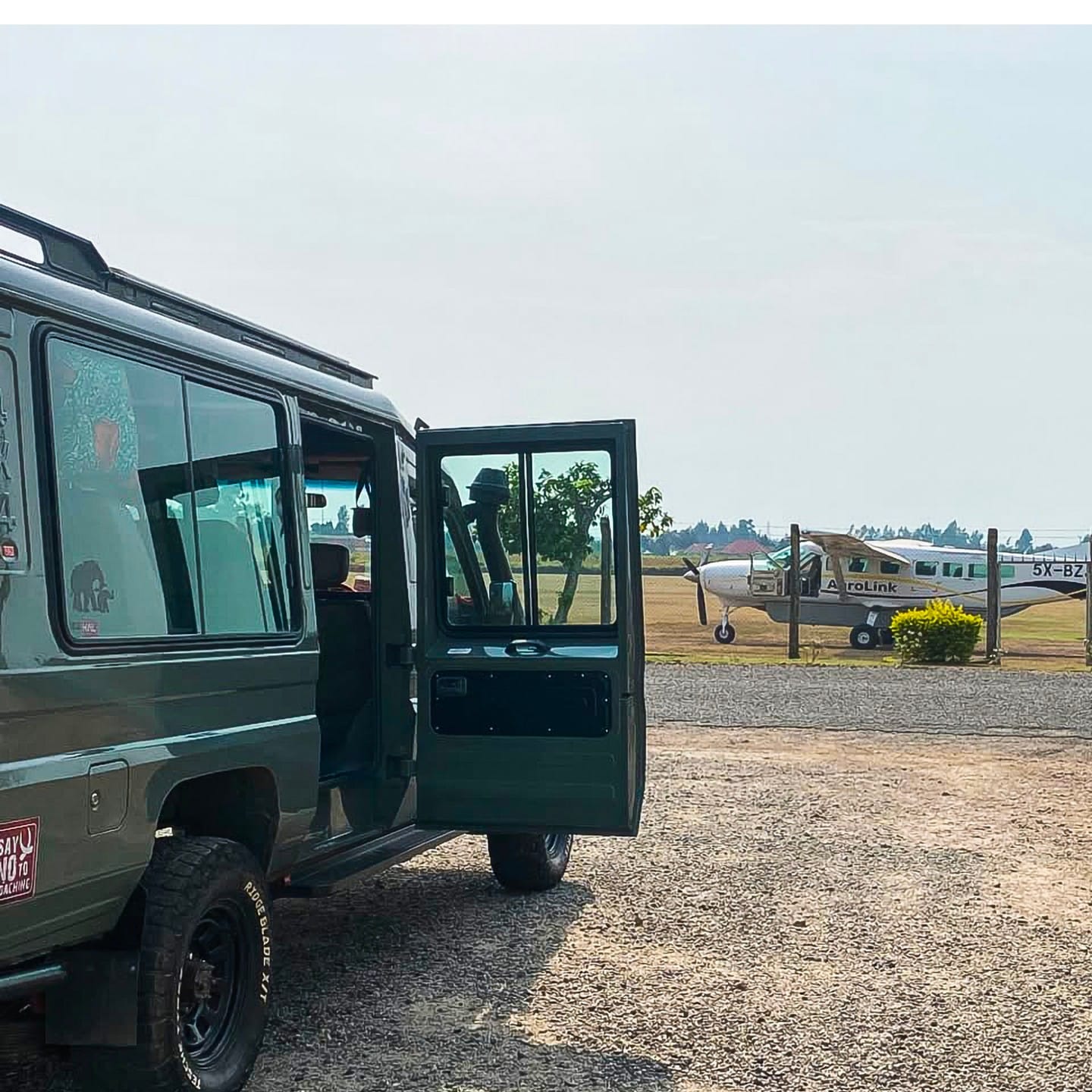
The main road to the park is paved, and the tracks inside are gravel and earth. In the dry months, they are dusty but fast. In the rains, they can be muddy and slow, and some side tracks close. The road from Queen Elizabeth to Bwindi through Ishasha is bumpy even in the dry months and slower in the wet. Add buffer time to your plan, and travel with an experienced driver in a 4x4. If you plan flights, ask about delays in rainy weather, since small aircraft depend on visibility.
What Should You Pack for Each Season?
For the dry months, bring light neutral clothing, a hat, sunscreen, a scarf for dust and a fleece for early mornings. For the wet months, add a waterproof jacket, waterproof shoes and a dry bag for electronics. Binoculars and insect repellent matter all year. Read what to pack for a safari for the full list, and what to pack for chimpanzee tracking if you plan to track in the forest.
Is the Park Worth Visiting Even if You Cannot Travel in the Dry Season?
Yes. The park changes character in the rains, but it does not close. The Kazinga Channel is lively, birds are in breeding plumage, the grass is green and the crowds are thin. Lodge rates are lower, and you may have an animal sighting to yourself. Choose a morning for your game drive, since the sky is often clearer, and use the afternoon storms for rest. A wet-season trip suits birders, photographers who like moody skies and travellers on a budget.
Which Season Should You Choose?
Best for the dry months
- First-time visitors who want the easiest game viewing
- Travellers combining the park with gorilla trekking
- Photographers who prefer clearer views
May not be ideal for the dry months
- Budget travellers who want lower lodge rates
- Birders who want migrants and breeding plumage
How Long Should You Plan to Stay?
Two nights is the practical minimum in any season, because it allows an afternoon drive, a full morning and the boat cruise. Three nights suit travellers who also want Kyambura Gorge, the Ishasha sector or the crater lakes. In the wet months, a third night is also a useful buffer for weather. Tell us your month and your interests, and we will suggest the right length.
What Mistakes Do Travellers Make When Choosing a Month?
- Avoiding the wet months entirely. The park is quieter and cheaper then.
- Booking one night. Two nights give you a morning drive and a boat cruise.
- Assuming a sighting. Lions and leopards are never guaranteed.
- Ignoring road time. Transfers are long in every season.
Frequently Asked Questions About Visiting Queen Elizabeth
Is the park open all year?
Yes. Game drives, the boat cruise and other activities run in every month.
Which month is the busiest?
July and August, followed by December and January. Book lodges early.
Is it safe in the rainy season?
Yes, with a skilled driver and a 4x4 vehicle. Allow extra time for transfers.
How many days should I spend there?
Two nights is a good minimum, three if you want Kyambura Gorge or the Ishasha sector.
Which month has the most wildlife?
Animals are present all year. The dry months make them easier to see.
Is it better to visit in January or July?
Both are dry. July is busier and more expensive, and January is warmer and quieter.
Planning Your Trip?
Tell us your month, and we will say honestly what to expect and how to plan the days. Talk to Our Tour Specialist, or see the Uganda destination page.