Hike in the Misty Rainforest to Meet Gorillas, Then local People
For a week, picture waking up to misty mountains of Volcanoes National Park and hiking through emerald rainforest, the amazing places where silverback mountain gorillas with their families live. To spend a wonderful hour with rare mountain gorillas, you'll have to hike through the dense rainforests of Volcanoes National Park in Rwanda or Bwindi Impenetrable Forest in Uganda.
Traditional music, dance, and stories show you how lively village life is along the way. Before you leave on your trip, you'll bring back more than only photos. You'll also remember the kindness of the villagers, the stories of our expert guides you met who have been in the wild for years, and the times you actually saw animals that share 98% of our DNA.
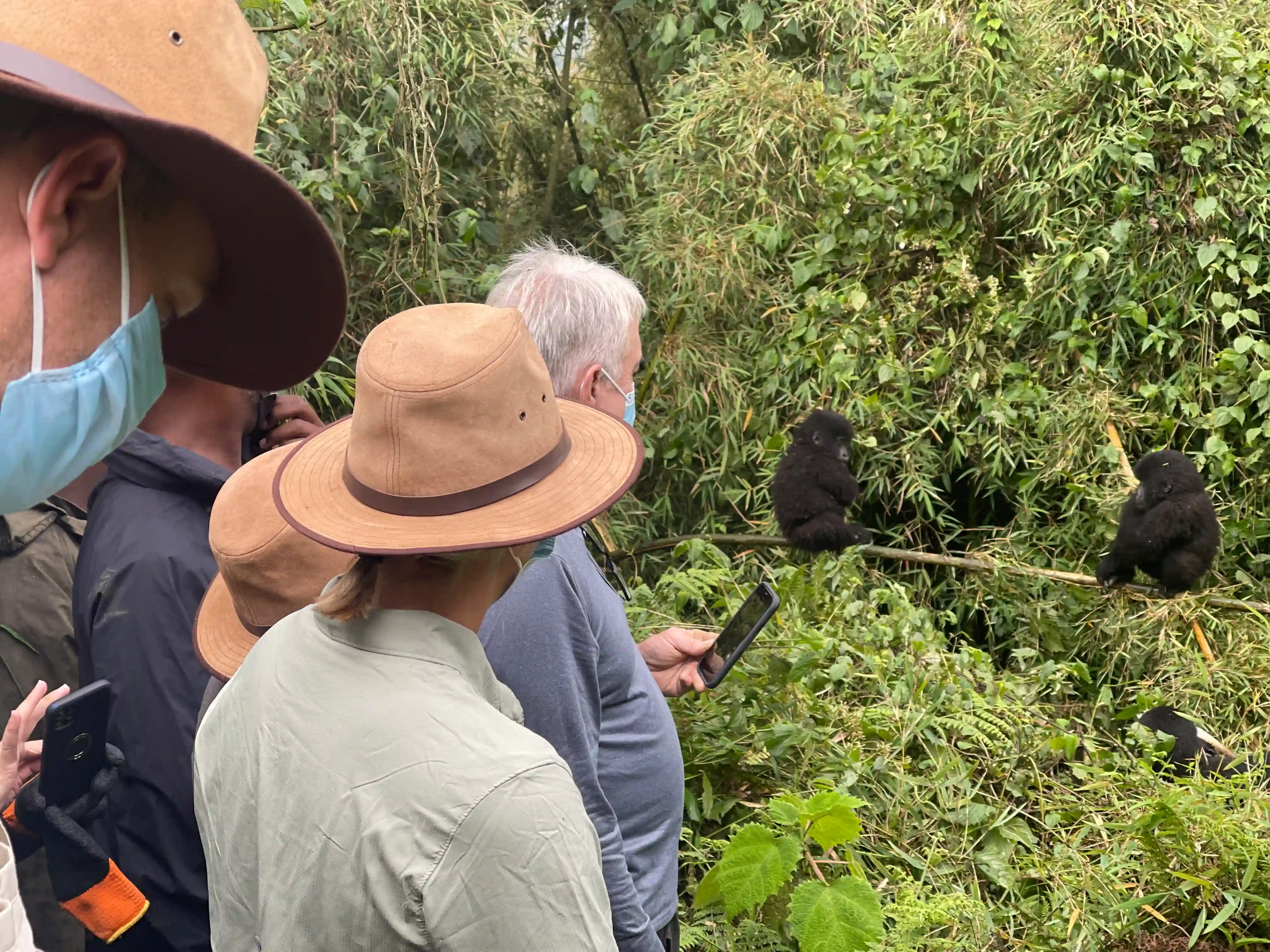
Each day goes by like a part of a nature show. Seeing a silverback lumber through the bushes or hearing babies laughing in the trees gives you a sense of wonder from the first morning at dawn. In the evening, you can camp out with a Ugandan coffee farmer and laugh around a campfire or with people staying in a traditional town.
Because of this, the trip is like a story with action and culture wrapped up in one. To help you plan your once in a life time mountain gorilla experience, we'll provide you with useful information, up-to-date facts, and personal stories from our recent guests.
Into the Wild: Getting to See Rwanda’s Mountain Gorillas
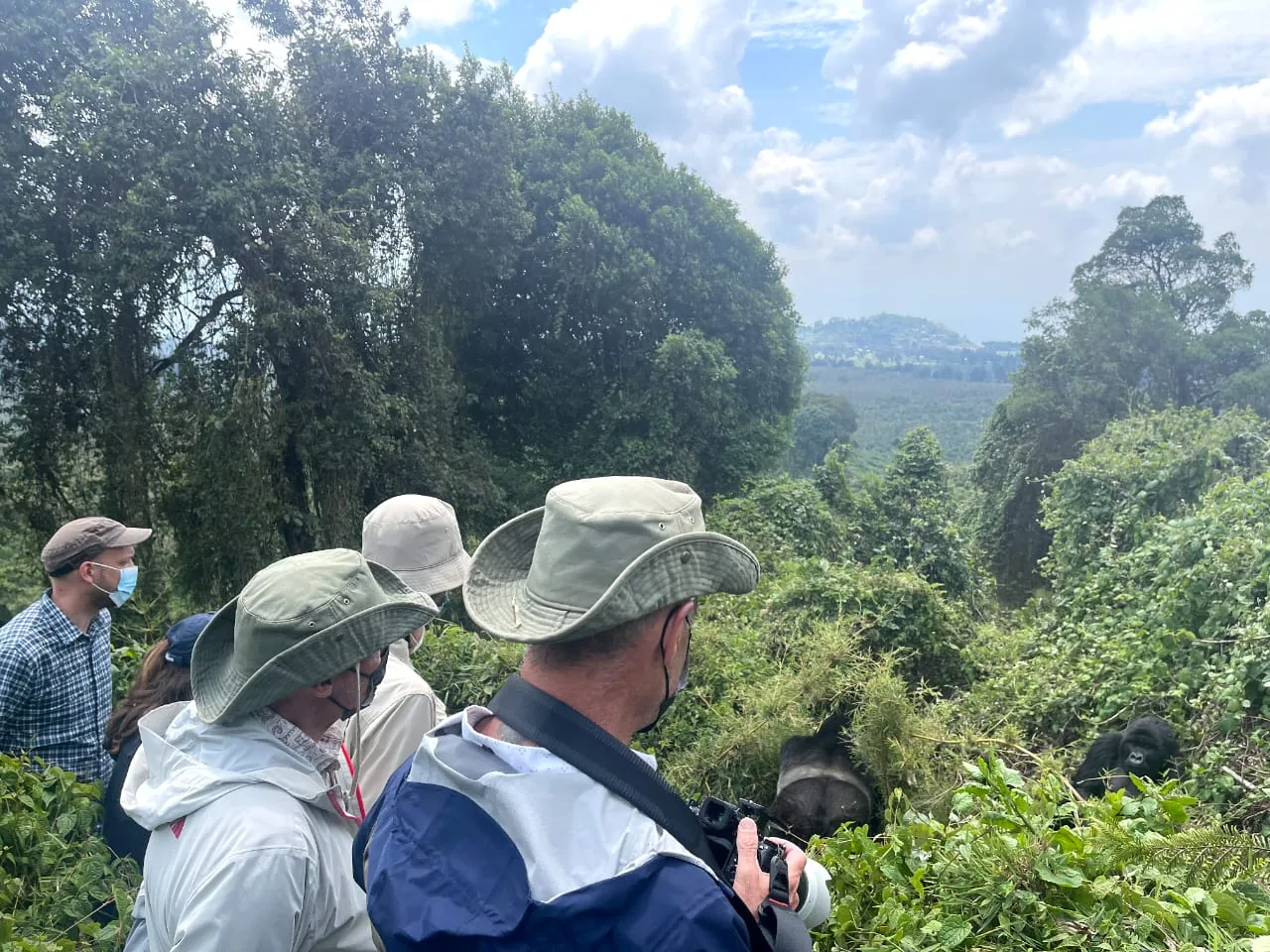
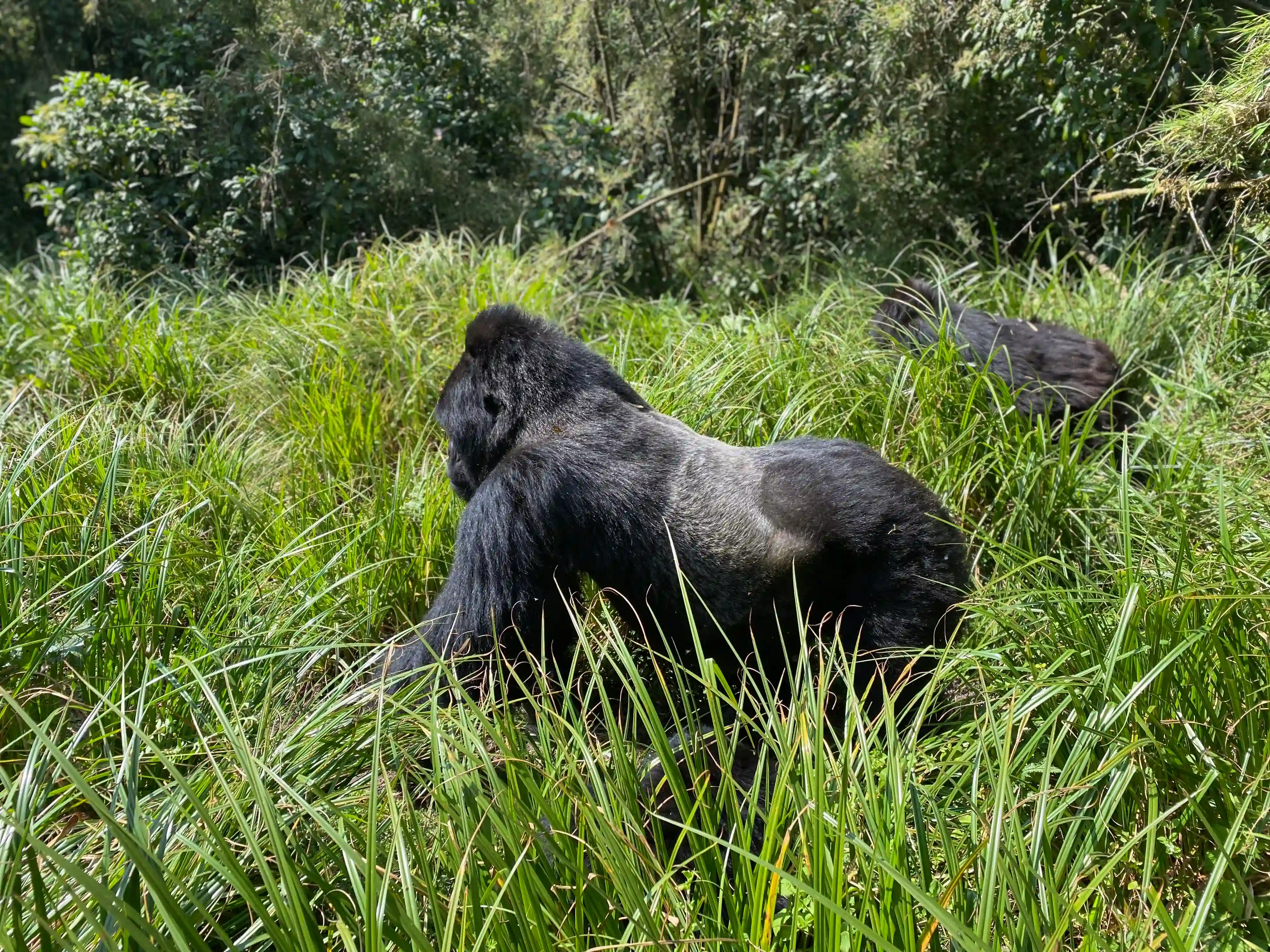
It's hard to overstate how amazing that first sighting is. There are tall ferns and big bamboo plants in the sky, and a filtered green dusk covers the whole area. Moist grass covers the forest floor, which is alive with the sound of dew. There is only the sound of leaves crunching under your feet as your scout group moves quietly. But then you hear a rustle in the trees ahead.
As you slowly turn around, you see movement: a silverback mountain gorilla's gentle chest heaves are coming out of the trees. Mountain gorilla trekkers feel like they're on a slow tour back home, not a busy one like this.
Families of mountain gorillas are called troops, and they usually have five to fifteen members. We share about 98% of our DNA with them, and their eyes seem to hold a soft intelligence.
Today, thanks to protection efforts, these primates are doing very well after being almost extinct a hundred years ago. Recent studies show that there are only about 1,063 mountain gorillas left in the wild. This means that every sighting is a conservation success.
Things are pretty easy for the mountain gorillas. They can eat shoots and leaves peacefully for hours on end. Although the guys are playing, the silverback is in charge and keeps an eye out for danger. After being with the mountain gorilla family for an hour, which is the usual amount of time to keep things quiet, it's hard to leave. You're happy even though the trail back out is steep and wet.
Rwanda's Cultural Diversity: Traditions and Villages
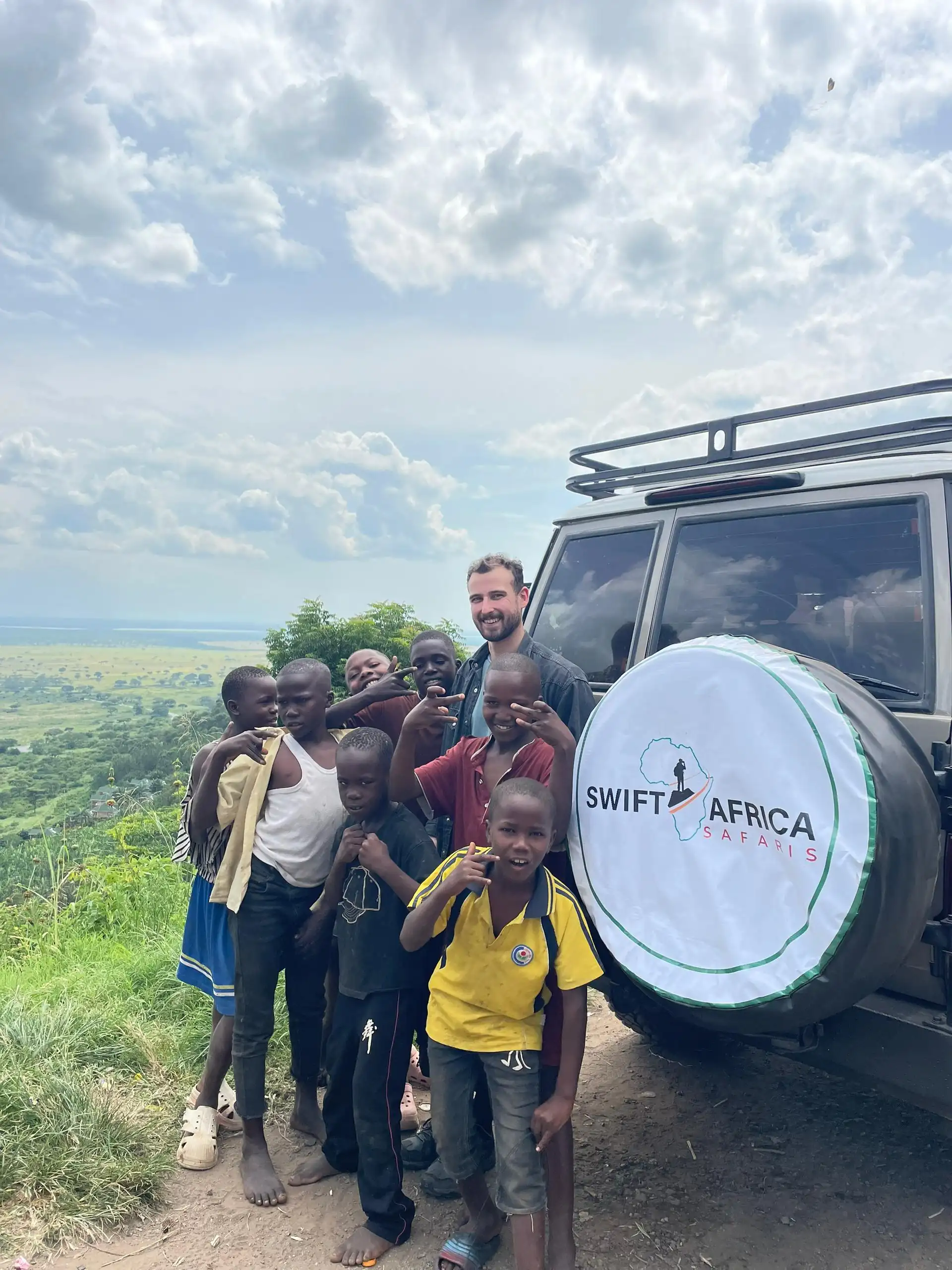
Different kinds of warm welcomes are waiting for you after the jungle. Children wave shyly at cars going by in the small villages close to Volcanoes National Park.
Not far from the park gate is the Iby'Iwacu Cultural Village, which is a must-see. When you come here, you'll be met with good cheer and traditional songs. Inside round huts, elders talk about the old ways, like how group leaders lived, how homes were made with thatch, and how families farmed to make money.
People often clap along to the beat of drum and dance acts. Pottery and basket making are just a few of the skills that are taught in workshops. You might even get to make a small bracelet as a souvenir. This crafts is very different from the manufactured items back home because it is made by hand with intricate designs that tell stories about the area.
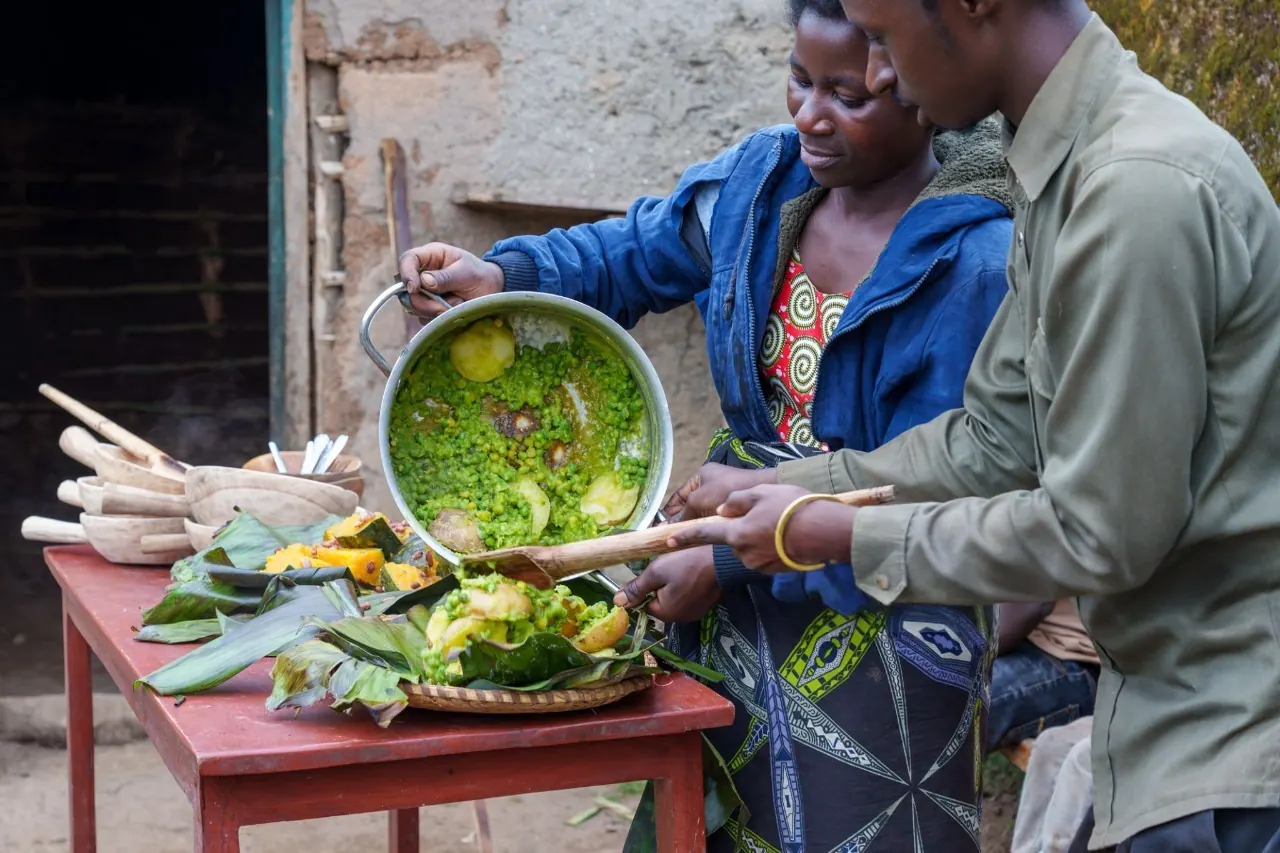
As part of the experience, you get to try food from the area. People usually eat ugali, which is a type of cornmeal, with soups of greens and goat that taste great. Inside, you can use a stone mill to help grind coffee beans and smell the sweet roast. This is a reminder of how this coffee-loving area depends on both farming and tradition.
One of our guests said that the break at Iby'Iwacu after trekking made the trip "feel even more special" because it gave them a new view of everyday life in Rwanda. Indeed, considering how much you learn, $35 for the whole village experience seems like a steal.
By the time you're eating dinner under the stars in a local house in the evening, you'll understand how wildlife and culture tours together make up East Africa's whole way of life.
Crossing Borders: The Home of the Mountain Gorillas in Uganda
In Uganda, which is often called the "Pearl of Africa," the excitement continues. Biodiversity in Bwindi Forest is amazing. Over half of the world's mountain gorillas live in its forested areas, where they live in 20 habituated groups. Rangers go into the bush early every morning to find gorillas and then radio back to let people know where the trek will start.
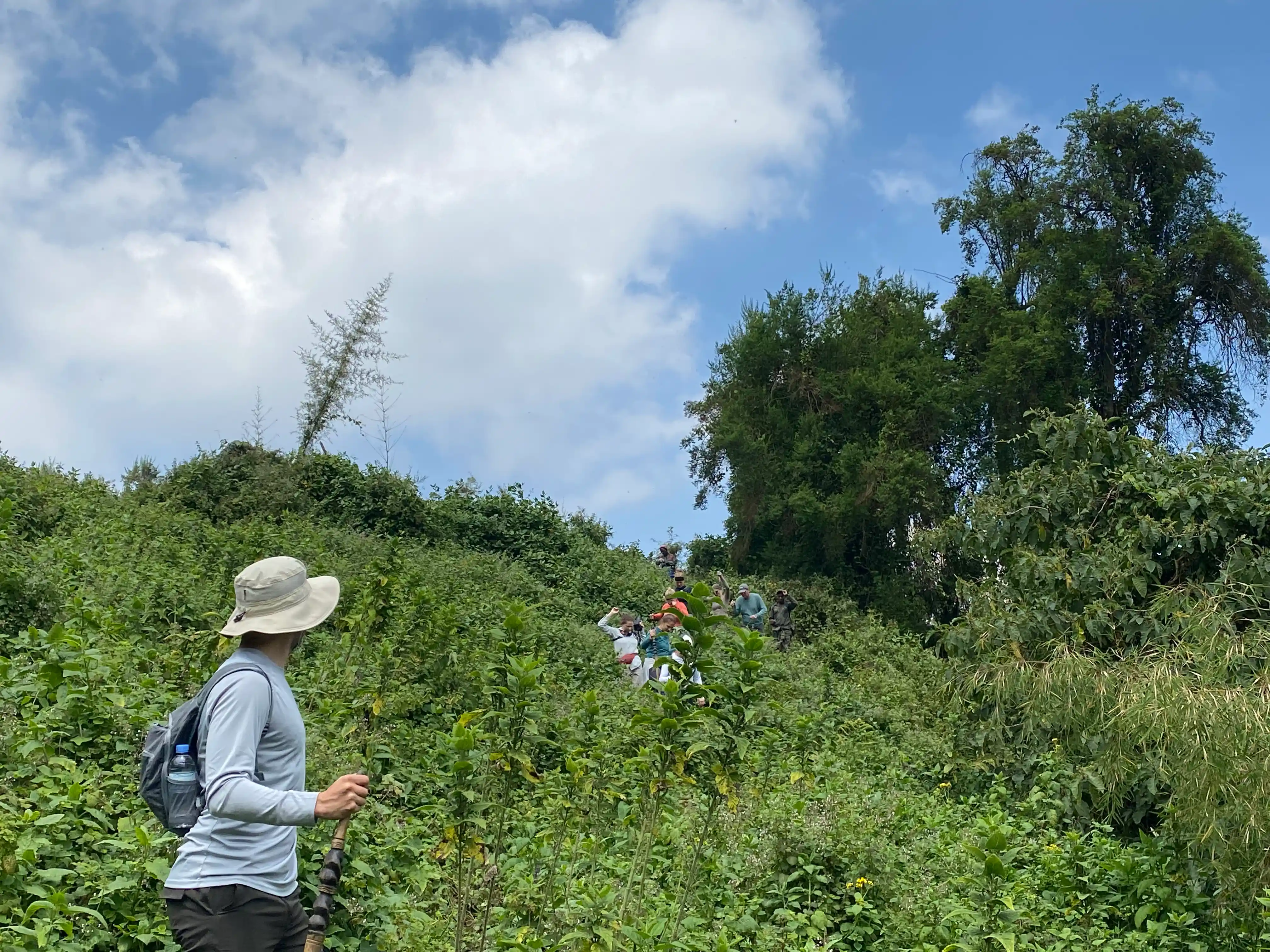
After putting on your boots and meeting your group, you start walking on well-made paths that quickly turn into wild areas. Huge ferns and old trees covered in moss let light through, and the damp air is sometimes warmed by rays of sunlight. Voices of tropical birds like turacos and hornbills fill the air, making it feel alive.
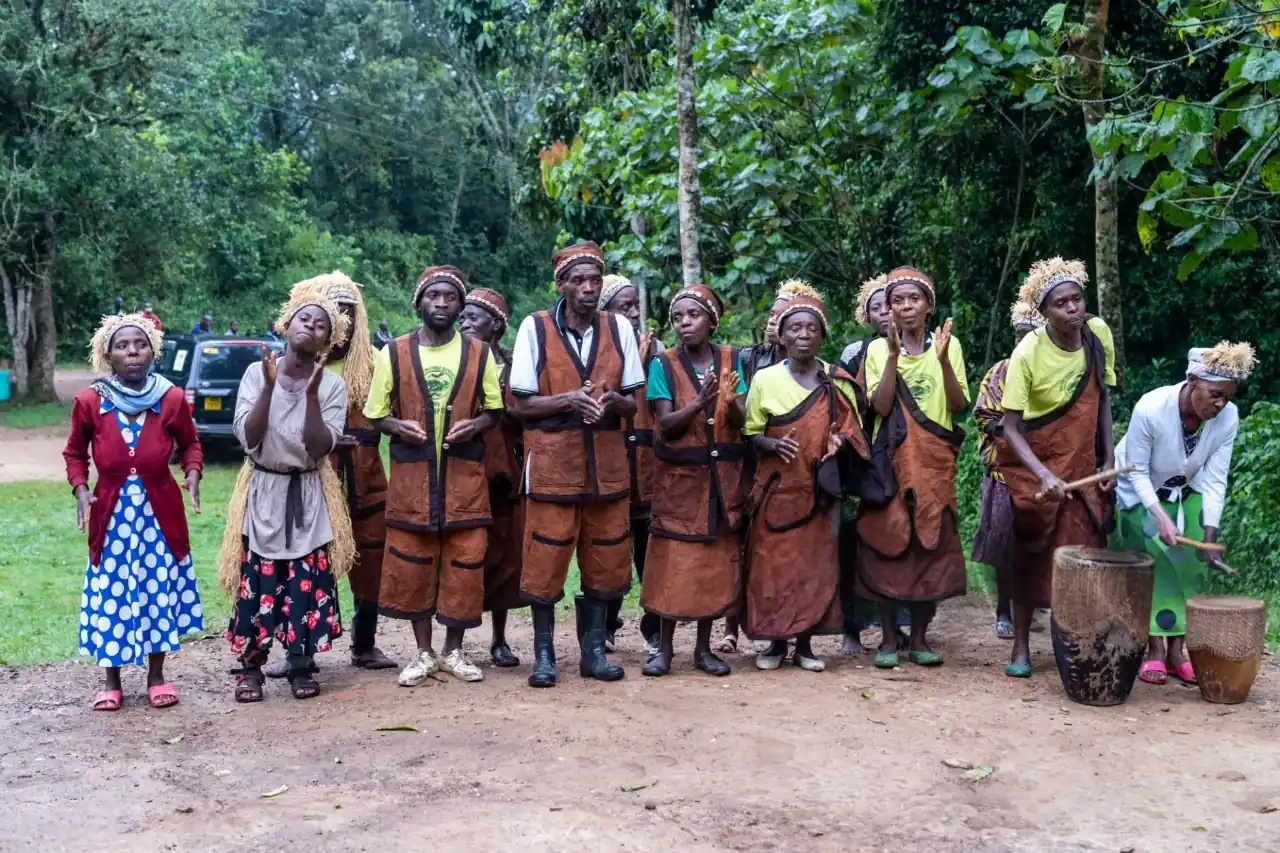
You can also find another world in these hills: the world of the Batwa pygmies. Many thousands of years ago, the Batwa lived in this forest. Now, they mostly live on the edge of the forest. A trip to a Batwa village is frequently part of touring packages. You sit on benches at the edge of the bush while the Batwa dancers come out.
As they sing in an old language, their feet make complicated beats on the ground. At times the songs are happy, and at other times they are sad about lost forest places. It's easy to see how much they care about conservation because their eyes are shining with feeling. Despite this, the Batwa are very generous with their customs.
They may offer you the chance to play traditional shooting games, like aiming a bow and arrow at a target, or to try banana wine, a home-fermented drink made from plantains. These scenes show the good side of tourism here: every dollar spent on the Batwa Trail tour (a bout $30–$40) helps these families stay alive and carry on their culture.
Both guests and locals feel linked when they laugh and tell stories around a campfire or a simple meal.
Planning Your Mountain Gorilla Trekking & Cultural Safari
Sometimes the best parts of a trip happen off-road, so you still need a map. Keep these important things in mind and follow these travel tips:
- When to go: The best times to go are from late June to September, when it's dry, and from December to February, when it's wet. It's easier to see and the trails are less wet. In any case, you can go gorilla hiking all year long. If you're interested in safaris, one expert says that gorilla tours "definitely" happen all year, even when it's raining, because the experience is so satisfying. Book early (up to 6–10 months) because permits are limited and people want them very much.
- Costs and permits: Everyone in your group will need a gorilla trekking permit. It costs USD 1,500 per person for foreign travel in Rwanda and USD 800 per person in Uganda. These fees pay for protected areas and neighbourhoods. They pay for guides and park entrance, but not for things like meals, lodging, or culture tours. Visits to Iby'Iwacu or Batwa villages, for example, generally cost between USD 30 and USD 35 per person, and many guests agree they are worth it.
- Fitness & what to pack: Prepare for intermediate to difficult hiking. It's possible for trails to get very steep and slippery. To stay safe from vines and thorns, bring trekking trousers and long arms. Many hikers slip on mud, so bring gloves, good knee support, and clothes for when the weather changes in the mountains.
- Conservation and Local Guides: Your guides do more than only tell you stories; they also look out for the forest. They give us an interesting look at how animals behave and how ecosystems work in our area.
Tipping is expected and appreciated but not a must. It's common for people to leave 10–20% of the tour cost as a tip. Each trip takes up to eight people at a time, so everyone gets to have a good time. We only get to spend a short amount of time with gorillas each time (about an hour), so enjoy every shot. Also, don't forget that moving slowly and quietly is good for everyone, including animals.
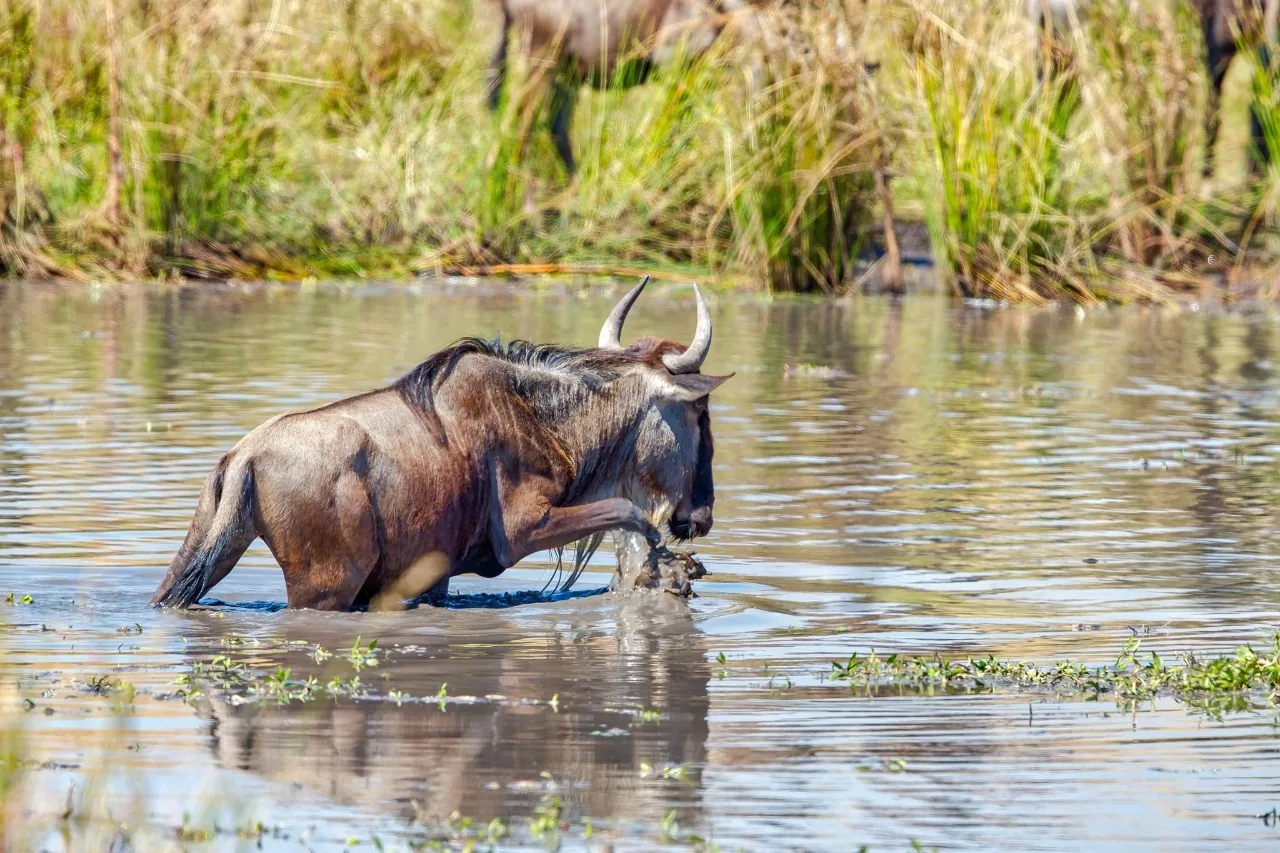
- Combining More Activities: A lot of guests extend their trip to see other sights. Spend some time relaxing on the shores of Lake Kivu by kayaking,canoeing, nigt fishing or speedboat, or go to Kibale Forest to track chimpanzees. Animal lovers can add game drives in Rwanda's Akagera National Park to see lions, elephants, and hippos if they have extra days.
MIL: For more experiences like this, check out our 4-Day Gorilla Trekking Rwanda Tour or Golden MonkeysTrekking Tour
Planning well means even more enjoyment later. Consult with travel experts to customize your trip, whether it’s adding a volcano hike or organizing family-friendly options. Plan your trip with our experts, they’ll handle logistics so you can focus on the experience.
Explore our Rwanda and Uganda itineraries for sample schedules and ask about booking permits as soon as you’re sure of dates. Remember, the best trips are often made with a bit of flexibility, a spirit of adventure, and an open heart to new experiences.
Frequently Asked Questions
How physically demanding is a gorilla trek?
Mountain gorilla trekking can be strenuous. Treks often involve hiking steep, muddy trails for 2 to 6 hours. You may need to crouch under vines or climb slopes. However, guides and porters assist as needed, and many visitors of moderate fitness succeed. It’s a personal choice: people in good health and average fitness typically manage, while those with severe mobility issues might find it very hard. In Rwanda and Uganda, the permit rules only require that you be at least 15 years old, but hikers under 16 tend to need extra help. Always mention any health concerns to your tour operator.
What should I pack for mountain gorilla trekking?
Long-sleeve shirts and long pants are a must (to ward off mosquitoes and scratches). Pack sturdy, broken-in hiking boots, a waterproof rain jacket, and layers for warmth. Gloves are recommended; many trekkers carry garden or hiking gloves for muddy climbs. Essential extras: a rain cover for your daypack, sunscreen, insect repellent, and a camera with extra batteries. Some items can be rented (e.g., gaiters, flashlights) at the parks. Check the packing list provided by your tour operator – being prepared lets you fully enjoy the trek.
How many hours do we spend with the gorillas?
Both Rwanda and Uganda allow exactly 1 hour with the gorillas per trek. This is a legal restriction to minimize impact on the animals. (Uganda also has a special 4-hour habituation permit for researchers or very experienced trekkers, but that’s rare for tourist trips.) Guides will signal when time is up, usually after quite possibly two thrilling minutes of an hour! Use the time gently: click your camera or quietly take in the scene. Many say an hour goes by in a heartbeat once the gorillas appear.
Is the permit fee included in tour prices?
Typically, yes. Most reputable operators include the gorilla permit in the overall trip cost. It will be listed as such in your itinerary or invoice. Always double-check before booking. For example, a full package might say “includes Uganda gorilla permit ($800)”. If you see a surprisingly low quote, ask if the permit is extra. Note that cultural visits are not covered by the permit. Expect to pay locally for community tours (about $30–$35 each) if they aren’t already included in your package.
What are the benefits of combining gorilla trekking with cultural experiences?
Mixing wildlife and culture makes your trip richer and more balanced. Seeing gorillas and then meeting local villagers reveals the full story of the region. By visiting cultural villages (like Iby’Iwacu in Rwanda or Batwa communities in Uganda), you deeply personalize the experience: you don’t just hear about conservation in theory, you see the people whose lives intertwine with the forests. Guests often report that the musical dances, storytelling, and even conversations over dinner gave them perspectives they never expected. Moreover, tourism dollars directly support local communities: every cultural tour ticket helps fund schools, crafts, or healthcare in the village. In short, you come for the gorillas but leave with a heart touched by people’s hospitality and history.
When is the best time to go on this tour?
The dry seasons are generally best. In Rwanda, December to February and June to September have less rain and clearer trails, as do the same months in Uganda. However, gorillas live in these forests year-round, and some travelers actually prefer the lush green of the short wet season (Marc to May) when there are fewer crowds. Just note that heavy rains (particularly in April/May and November) can make treks muddy. Whatever the season, permits sell out quickly especially for travel from mid-year through August, so book early to secure your spots.
What’s the age limit for gorilla trekking?
The minimum age is 15 in both Rwanda and Uganda. There’s no upper age limit, but trekkers should be in reasonably good health. If you have mobility challenges, let your operator know: some individuals use walking sticks (often provided) and go at a comfortable pace. The park fees are the same regardless of age (15+), and children under 15 simply cannot trek by law.
Can I take photos or video with the gorillas?
Yes! Photography is allowed and encouraged, as long as it’s done safely and respectfully. Use only flash free cameras (a flash startles and can stress the animals). Remember the primary rule: keep about 7 meters (23 feet) distance at all times. If a curious gorilla approaches, stay very still and calm; do not try to touch or feed them. Save any celebratory selfies for after the trek with your group. Good guides will remind you of the rules before the encounter and may even help frame a picture.
What other wildlife might I see beside gorillas?
Besides gorillas and the Batwa, the itinerary can include other wildlife wonders. In Rwanda, you might see buffalos, elephant families or antelope on a game drive in Akagera National Park (ask about a possible extension). In Bwindi, the forest teems with birdlife, turacos, green barbets, hornbills and you may glimpse squirrels and monkeys (watch for L’Hoest’s or vervet monkeys). If your trip includes a drive through Queen Elizabeth NP (en route from Bwindi), keep an eye out for tree-climbing lions on the Ishasha plains or hippos in the Kazinga Channel. For an aerial thrill, consider adding a bird-watching day. Each extra experience can be discussed with your tour operator.
How do I prepare in advance?
Get in reasonable shape: some light training (hills, stairs) helps with higher-altitude hikes. If you’re coming from overseas, allow a day in Kigali or Kampala to acclimatize and rest before heading into the forest.
Pack your travel documents carefully (passports, visa requirements, yellow fever card). Book flights well ahead, especially since peak season drives up costs. Read a bit about local customs – for instance, it’s polite to ask before taking photos of people, and always accept hospitality (tea, snacks) with thanks. Our experts can provide detailed prep checklists. Plan your trip with our specialists to ensure every detail is covered, from lodging to last-minute tips.
Time to Go
Explore our Rwanda and Uganda itineraries and get in touch with us for a custom price. Whatever kind of wild lodge or camp you choose, each night in Africa brings a new story. Take it as your own; these are the times you'll remember forever.