The best time for chimpanzee tracking in Kibale is the dry months, roughly June to September and December to February, when the trails are firmer, the forest is easier to walk and the roads to Fort Portal are in better shape. But Kibale is a forest that stays green and active all year, and chimpanzees are tracked in every month. The rain changes the experience more than it ends it.
This guide goes month by month, then looks at morning against afternoon, what the weather does to the walk and how to choose the season that fits your trip.
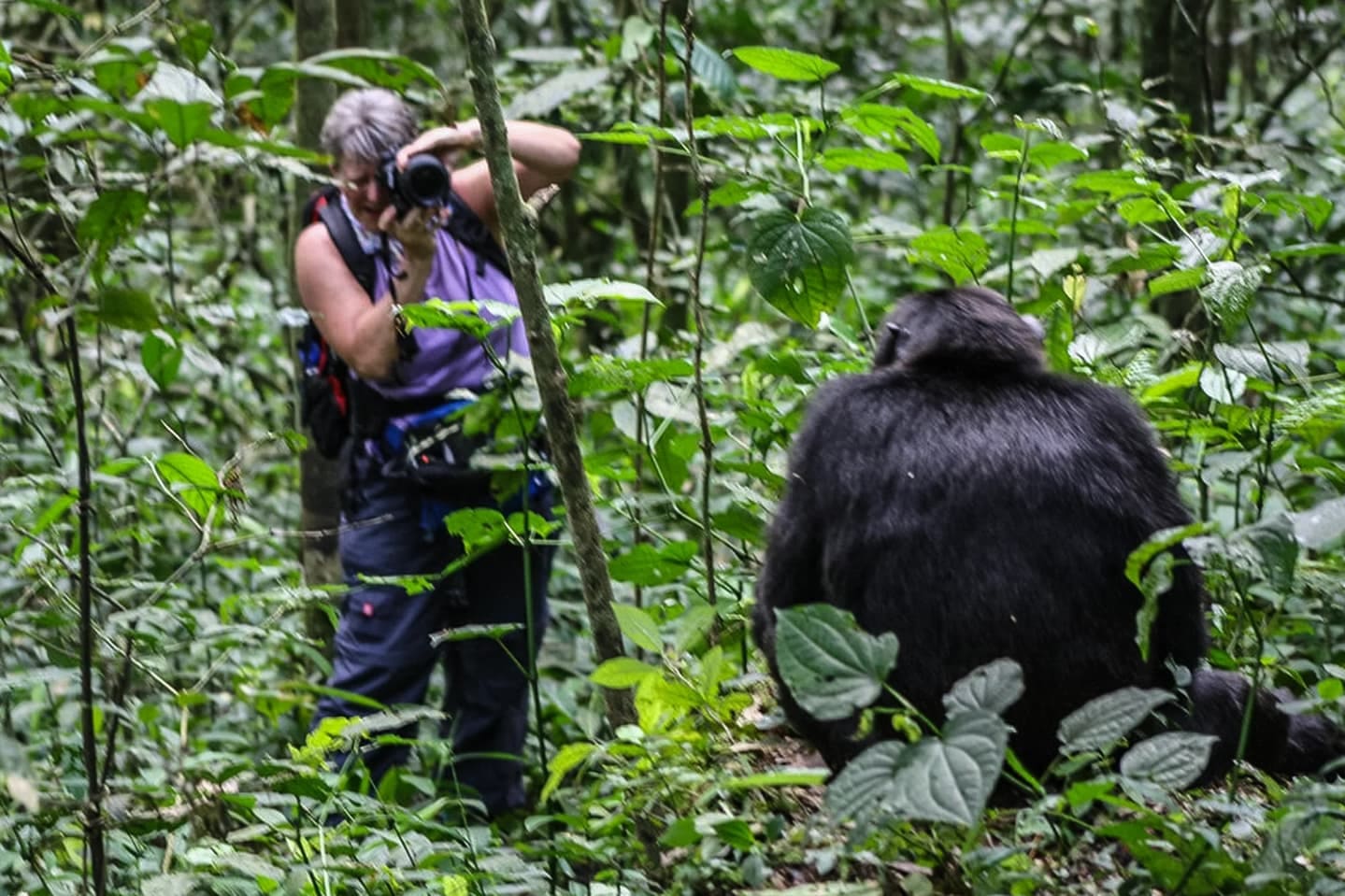
What Is the Weather Like in Kibale?
Kibale lies in western Uganda, at a medium altitude, with warm days and cool nights. Rain falls in two seasons: the longer rains from March to May, and shorter rains from September to November. The driest spells are June to August and December to February. Even in the dry months, the forest is humid, and a shower is possible on any day. Temperatures vary less than rainfall, and you will want a light layer in the early morning.
Which Months Are Best for Chimpanzee Tracking?
June to September: the driest months
These months are the most comfortable for walking. The trails are drier, the mud is lighter and the roads are easier. Visibility through the undergrowth is generally good. The cost is crowds: lodges fill, permits go fast and the prices are at their highest. If you plan to travel in July or August, ask for your dates well ahead.
December to February: the second dry season
This is another reliable window, with warm days and fewer showers. Fruit availability changes through the year, and chimpanzees follow it, so they may be found in different parts of the forest from month to month. Guides adjust the search, and your outcome depends more on the animals' movement than on the calendar. Christmas and New Year are busy, so book permits early.
Mars à mai : les longues pluies
This is the wettest period. Trails are muddy, the forest is thick and green, and some roads are slow. The advantages are real, though: lower lodge rates, far fewer visitors and a forest that feels alive. Tracking still goes ahead, and chimpanzees do not stop for rain. Bring waterproofs and shoes with grip, and allow extra time for transfers.
October and November: the shorter rains
Rain returns, usually in the afternoon, and the landscape is fresh after the dry season. Rates are lower than in the peak months, and permits are easier to book. Mornings are often clear, so a morning session is a good choice. See also our month-by-month guide to Bwindi if you plan to combine primates.
Is a Morning or an Afternoon Session Better?
Tracking sessions are offered in the morning and in the afternoon. Morning groups start early, when the chimpanzees are active after waking and often moving to feeding trees. Afternoon groups start later, and the animals may be resting or moving to nest sites. Many visitors prefer the morning, because the light is cooler and a late search leaves time for lunch and the drive. An afternoon session suits travellers who arrive from Kampala in the morning and want to track on the same day.
Neither is guaranteed to be better. What matters more is a rested group and a guide who knows the community. For a first visit, plan on the morning, and keep the afternoon free for a Bigodi wetland walk or a crater lake visit.
How Does Weather Change the Tracking Itself?
Rain affects four things:
- The trail. Mud and slippery roots make walking slower and more tiring.
- Visibility. Wet foliage and mist reduce photography light and make the chimpanzees harder to see clearly.
- The search. Chimpanzees move less in heavy rain, which can make them easier or harder to find.
- The drive. Fort Portal roads are slower after storms.
None of these stops a trip. They change what you pack and how you plan the day. Read what to pack for chimpanzee tracking in Kibale to prepare for either season.
What Else Changes With the Seasons in Kibale?
The forest offers more than chimpanzees, and the seasons shape those parts of the visit too. In the wetter months, fruiting trees, butterflies and amphibians are active, and the Bigodi Wetland Sanctuary is lively with birds. In the dry months, the crater lakes of the Fort Portal area are clear and the views are far-reaching on morning drives. Migrant birds arrive from the northern winter, roughly October to April, which adds to the birdlist for keen watchers.
If you enjoy birding, ask us to place the chimpanzee morning on one day and a wetland walk on another. Read the best bird-watching spots in Uganda for the sites that pair well with Kibale.
How Early Should You Start the Day?
The morning session begins at the park headquarters for a briefing, so you should plan to leave your lodge early, usually before breakfast is fully finished. The forest is cooler in the first hours, and the animals are usually active. If you stay in the crater lake district, allow extra time for the drive, since tracks can be slower after rain. A packed breakfast is a practical choice on tracking mornings, and we arrange it with the lodge.
The afternoon session suits those who arrive after a morning drive. It ends around dusk in the dry season, so a torch and a charged phone are useful, and your driver waits at the exit.
What About the Rest of the Trip?
Your best month for Kibale is also affected by what you plan to do afterwards. The nearby Queen Elizabeth National Park has game drives and a boat cruise on the Kazinga Channel that work in every season, with different strengths. Gorilla trekking in Bwindi is easier in the dry months, and the roads between the parks are better. If you are linking the forests, read whether you can combine Kibale chimpanzee tracking with gorilla trekking and the best time to visit Queen Elizabeth National Park.
For a route that links these places, see the 10-day Uganda primates and wildlife expedition.
Qui devrait choisir quelle saison ?
Meilleur pour les mois secs
- First-time visitors who want the easiest walking conditions
- Photographers who prefer more light
- Travellers combining Kibale with gorilla trekking
Peut ne pas être idéal pour les mois secs
- Budget travellers who want lower lodge rates
- Visitors who dislike crowds
The wet months suit travellers who accept mud in exchange for quiet and savings.
What Are the Rules You Need to Know on the Trail?
The rangers give a briefing before every session, and the rules protect both you and the animals. Keep a minimum distance from the chimpanzees, as set by the guide. Do not touch or feed them. Keep your voice low and avoid sudden movements. Do not use flash photography. Wear a face mask if asked, and stay away if you are unwell, since chimpanzees can catch human infections. Do not litter, and follow the guide when the animals move. If a chimpanzee approaches, stay calm and move aside as directed. These rules are simple and make the hour better for everyone.
Quel niveau de forme physique faut-il avoir ?
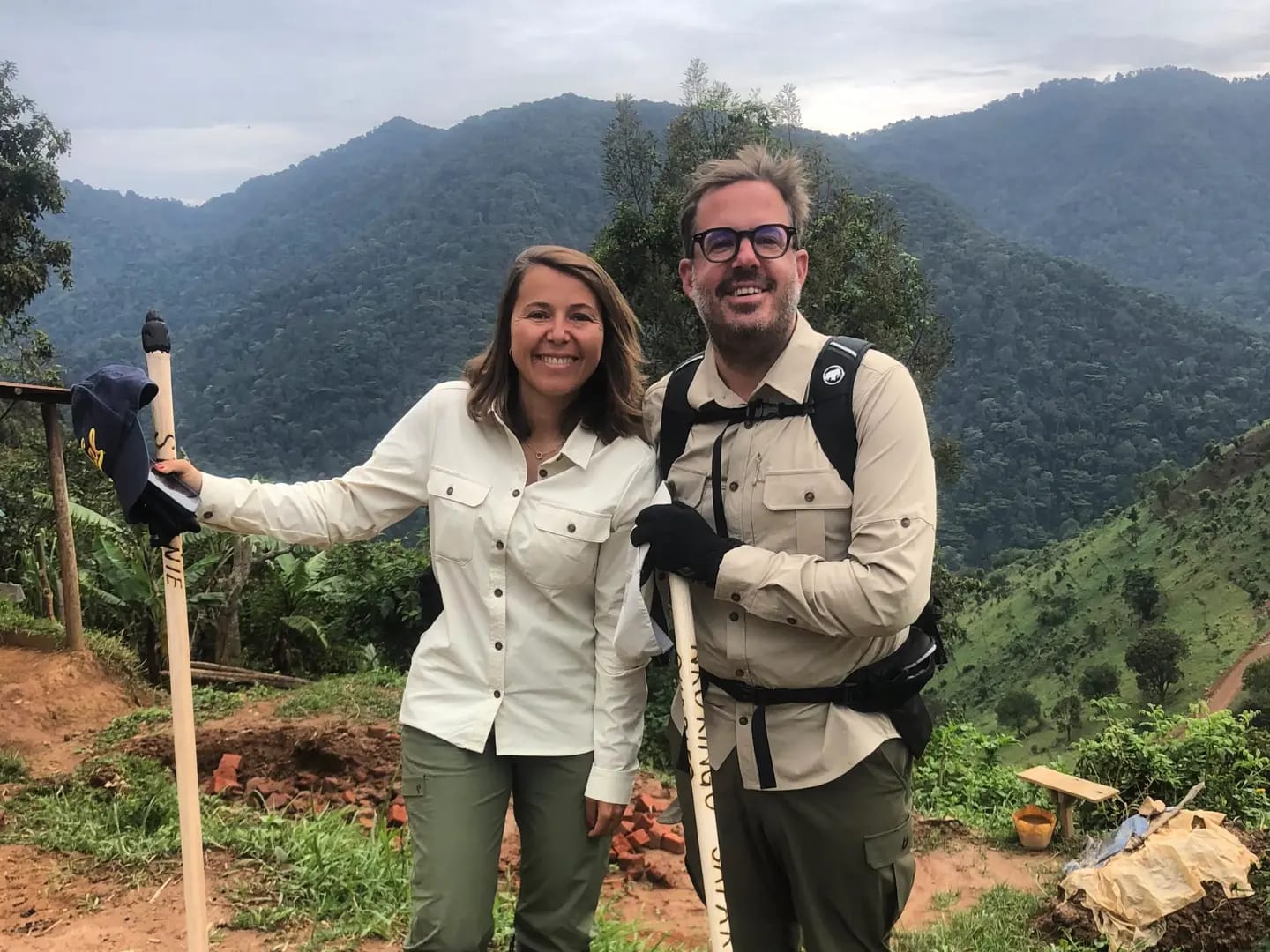
The walk can be short or long, flat or hilly, depending on where the chimpanzees are. Most visitors need only moderate fitness. You should be able to walk for a few hours on uneven forest ground. If you have knee or heart problems, tell the guide. A walking stick helps on slopes, and rangers can suggest a gentler group when one is available. Season does not change the fitness needed, but wet mud makes it feel harder.
What Mistakes Do Travellers Make When Choosing the Month?
- Avoiding the rains completely. Chimpanzees are still tracked, and you may find the forest quieter.
- Booking permits late in the dry months. The best dates sell out.
- Planning a tight transfer. Wet roads add time.
- Skipping waterproof gear. A shower can come at any time of year.
Frequently Asked Questions About the Best Time for Kibale
Can I track chimpanzees in the rainy season?
Yes. Tracking happens all year, and the main difference is the mud and the pace of the walk.
Do chimpanzees move more in some months?
They follow fruit, so their range changes during the year. Guides adapt the search.
Combien de temps à l'avance devrais-je réserver ?
For June to September and December to February, book several months ahead. For the rainy months, a few weeks may be enough.
Is one day enough?
It is possible if you arrive early, but two nights near the forest is more comfortable.
Planifiez votre voyage ?
Tell us your month, and we will say honestly what to expect, then match the permit, the lodge and the transfer. Talk to Our Tour Specialist, or see the 6-day Uganda chimpanzee tracking safari.