You can combine a Batwa cultural experience with gorilla trekking easily, because both take place in the same forests and the same stretch of south-western Uganda. The best way is to trek gorillas on one day and visit the Batwa on the day before or after, not on the same morning. Gorilla treks can be long and tiring, and the Batwa visit asks for attention and energy. Giving each its own day lets you enjoy both.
This guide explains how to order the days, which park to choose, what to book first and how to behave so that the cultural visit is respectful.
Why Do the Two Fit So Well Together?
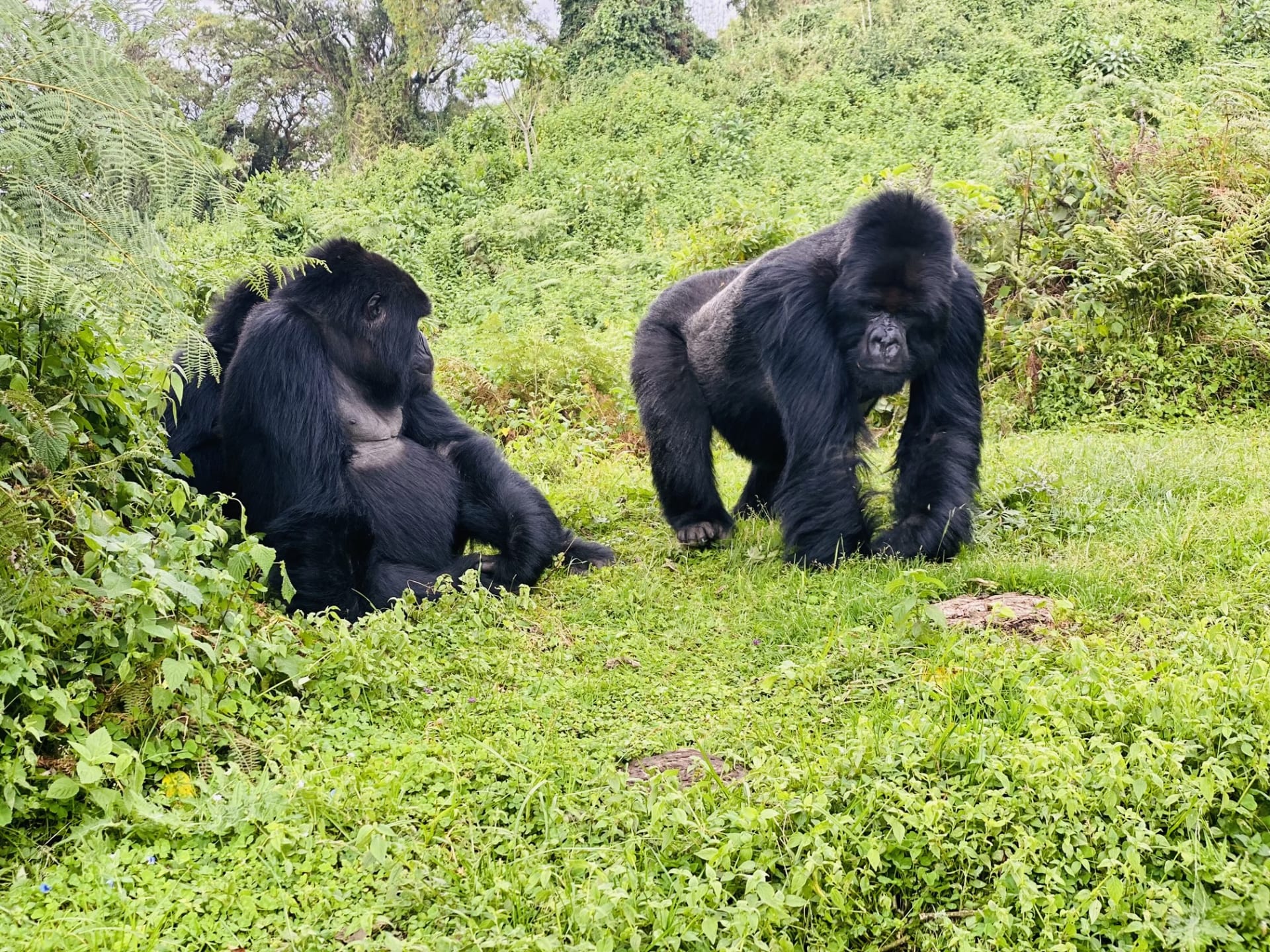
The mountain gorillas and the Batwa share a history. The Batwa lived in these forests long before they became national parks, and their knowledge of plants, trails and animals is deep. A Batwa visit gives the forest a human story, and many travellers say it changes how they see the gorilla trek. The experience also supports a community that lost its home when the parks were created.
Read how much a Batwa cultural experience costs for the price and where the fee goes.
Which Day Should You Choose for the Batwa Visit?
The day before the trek
This works when you arrive at the park the evening before. The visit is gentle and gets you used to the forest, though you should keep energy for the early start the next morning. Do not stay out late.
The day after the trek
Many travellers prefer this order. After the gorillas, you have a quieter day with a good story to listen to, and your legs can rest if the visit is short. It also leaves a buffer if the gorilla trek is delayed or cancelled.
Not on the same day
Avoid putting both on the same day. A trek can last from a couple of hours to most of the day, and the Batwa visit takes two to five hours. Doing both makes each less enjoyable.
Which Park Should You Choose?
Bwindi Impenetrable National Park has four sectors, and Batwa experiences are available near Buhoma and Rushaga. Mgahinga Gorilla National Park, on the volcanoes near the Rwandan border, has one gorilla group and a well-known Batwa trail. If you plan to trek in Mgahinga, the trail is a natural second activity. If you trek in Bwindi, the Batwa visit near your sector is easy to arrange. Read the best gorilla trekking sector in Bwindi to choose the area, and Bwindi vs Mgahinga to compare parks.

How Many Days Does the Combination Need?
A three-day trip fits one trek and a short cultural visit if you fly in. A five-day or six-day trip is more comfortable, with a rest day between activities. Our 7-day Uganda gorilla trekking and Batwa culture tour includes a stay at Lake Mutanda, and the 6-day Mgahinga gorilla trek tour fits the volcano area. The 5-day gorilla trek in Bwindi can be extended with a cultural visit.
What Should You Book First?
Always secure the gorilla permit first. Places are limited in every sector, and the best dates sell out months ahead. After the permit date is set, book the Batwa visit for the day before or after, and then your lodge. Read how to book a Uganda gorilla permit for the steps. We handle the permit and the visit together so that the dates match.
How Do You Keep the Visit Respectful?
Follow the lead of your Batwa guides and listen. Ask before photographing people, and accept a no. Do not give money or sweets to individuals, and pay the arranged fee through your operator. Buy crafts directly from the artisans, which is the best way to spread the benefit. Dress for the forest, with long trousers and closed shoes. Keep your voice low on the trail. Treat the visit as a conversation with hosts, not a performance.
Who Will Enjoy This Combination Most?
Idéal pour
- Travellers who want context for the forest as well as the gorillas
- Families with teenagers who can listen and ask
- Photographers who respect the rules
Peut ne pas être idéal pour
- Travellers with only one day in the park
- Anyone who wants only the gorilla trek
What Does a Five-Day Plan Look Like?
A five-day plan in the Bwindi area shows how the days fit together:
- Day one. Fly or drive to the Bwindi region, check in and rest. Meet your guide for a briefing about the permit and the weather.
- Day two. Gorilla trekking in the morning, with an early breakfast and a briefing at the park office. Spend the afternoon resting.
- Day three. A Batwa cultural experience, with a late start and a calm pace. Join the trail with Batwa guides and have lunch nearby.
- Day four. A free day. Many guests visit Lake Bunyonyi or Lake Mutanda, take a canoe trip or go birding.
- Day five. Return by road or by air.
The order of days two and three can be reversed. What matters is that the trek and the cultural visit do not share a day.
What Happens on a Batwa Trail?
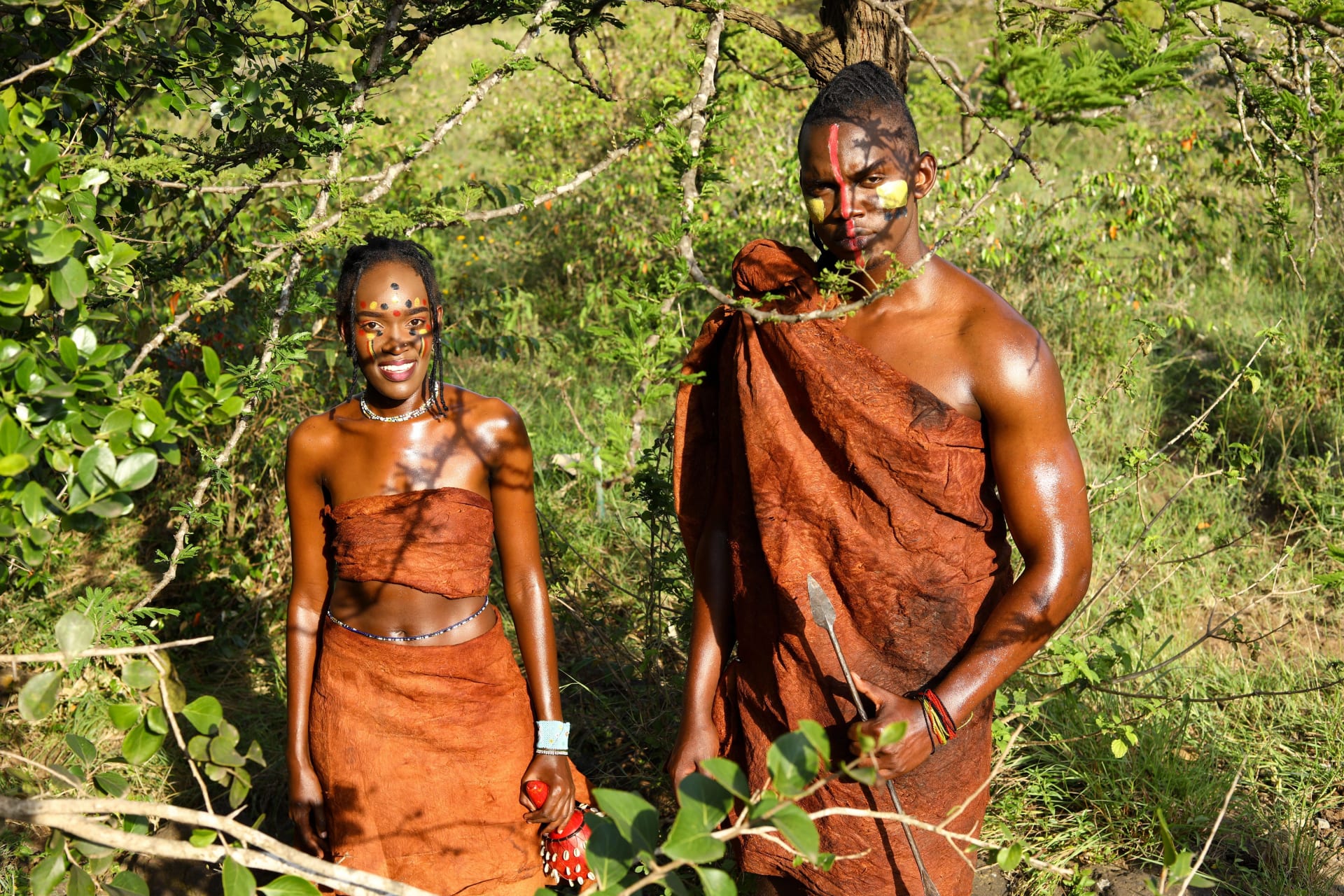
The experience usually begins with a welcome from Batwa hosts, followed by a guided walk into the forest. Guides show you how their families gathered honey, set traps, found medicinal plants and lit fires without matches. They explain which trees were used for shelter and which plants were food. A visit to a cave or a clearing that was once a home gives the walk its meaning, and the story of leaving the forest is told in the guides' own words. The visit often ends with songs and a short performance, and you may buy crafts directly from the artisans.
The walk is slower than a gorilla trek, and the ground is uneven. Wear closed shoes and bring water and a light rain jacket.
How Else Can You Support the Batwa?
The fee for the experience is the main way. Beyond that, you can buy crafts such as baskets, carvings and weaving directly from Batwa makers, so that the money reaches the family. Choose lodges that employ Batwa staff or support Batwa education and land projects. Do not give cash, sweets or clothes to individuals, because it changes how people see visitors and can create dependence. Ask your guide which community projects accept visitors or donations, and give through them. Respect photograph rules, and share what you learn when you return home.
What Should You Pack for Both Days?
The packing list is shared. For the trek, bring waterproof hiking boots, long trousers and sleeves, gardening gloves, a rain jacket, a hat, water and a walking stick if you like. For the Batwa visit, bring comfortable closed shoes, a light layer and a camera. Keep a small amount of cash for crafts and tips. Pack insect repellent and sunscreen, and carry a lightweight daypack. Read what to pack for gorilla trekking for the full list. Leave drones, bright clothing and strong perfume at the lodge.
How Early Should You Book the Visit?
The cultural visit has fewer constraints than the permit, but it still needs notice. Hosts organise their day around visitors, and group sizes are limited. We book it at the same time as the permit and the lodge, so that the days line up. Last-minute requests are sometimes possible, though a visit on short notice may be rushed. Give us your dates as early as you can.
Quelles erreurs les visiteurs commettent-ils ?
- Booking both on one day. It exhausts you.
- Leaving it until you arrive. Book ahead, so dates match.
- Treating it as a show. It is a history lesson.
- Skipping rain gear. The forest is wet.
Frequently Asked Questions About Combining the Two
Is the Batwa visit physically hard?
It is easier than a gorilla trek, but it involves walking on uneven ground.
Can children join?
Older children often do. Gorilla trekking needs a minimum age of 15.
How long is the visit?
From two to five hours including travel.
Can I visit without trekking?
Oui. La visite culturelle est distincte du permis.
La visite des Batwa va-t-elle me fatiguer avant les gorilles ?
Si vous la programmez un autre jour, non. C’est une activité douce, et de nombreux clients la trouvent un bon moyen de reposer les jambes après une randonnée.
L’expérience est‑elle la même à Bwindi et Mgahinga ?
L’idée est la même, mais le cadre diffère. Mgahinga possède un sentier sur les pentes du volcan et une grotte, tandis que Bwindi propose des expériences communautaires près de Buhoma et Rushaga.
Planifiez votre voyage ?
Dites-nous vos dates et le parc que vous préférez, et nous organiserons les journées autour du permis. Parlez à notre spécialiste des circuits, ou consultez la page destination Ouganda.