Safari-Paket
8‑tägige Rwanda Vogelbeobachtungs‑Safari: Akagera und Nyungwe
Tage
8 Days / 7 Nights
Ort
Ruanda
Schwierigkeit
Mäßig
Übersicht
This 8 day Rwanda birding safari is organised around birds. Two days in Akagera cover the lake edges, papyrus and savannah, then an overnight in Kigali breaks the journey, and three nights in Nyungwe National Park give you two guided dawn walks in a forest that holds many of the Albertine Rift endemics. The pace is slow on purpose: early starts, long breaks, and a guide who stays at a good spot rather than moving on. We do not promise specific species, because birds are wild and seasonal.
Reise auf einen Blick
- Dauer: 8 Tage, 7 Nächte
- Route: Kigali, Akagera National Park, Kigali, Nyungwe National Park, Kigali
- Main experiences: guided birding in Akagera and two morning walks in Nyungwe
- Travel: private 4x4 with fuel. Kigali to Akagera is about 2.5 to 3 hours, and Kigali to Nyungwe about 5 to 6 hours or more
- Fitness: moderate. Forest trails are steep and wet, and the dawn starts are early
- Birds: savannah, wetland and forest species. Sightings are not guaranteed
- Return option: a Kamembe flight to Kigali if a suitable service operates, or a road transfer
- Start und Ziel: Kigali International Airport
What You Will Do on This Rwanda Birding Safari
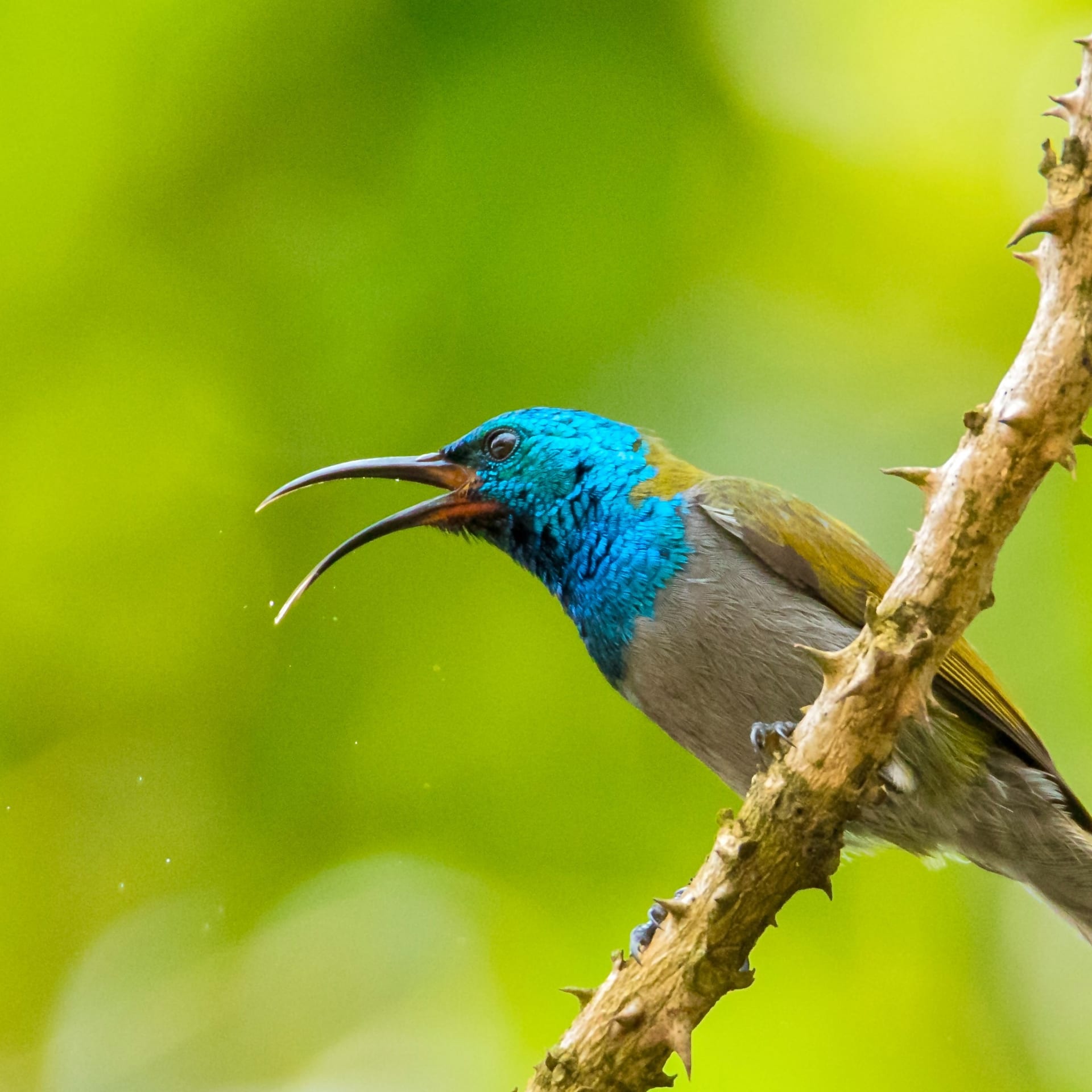
Rwanda holds more than 700 recorded bird species in a small country, and the easiest way to see variety is to combine two very different habitats. In Akagera, the lake edges and papyrus swamps hold waterbirds and specialities such as the papyrus gonolek, and the savannah has raptors, bee-eaters and ground birds. The shoebill is possible but rare there, and we will not tell you otherwise. In Nyungwe, one of the largest montane rainforests in East or Central Africa, the interest changes to Albertine Rift endemics, sunbirds, turacos and forest species that you hear before you see. Our guide to the best places for birdwatching in Rwanda and Uganda describes the species in more detail.
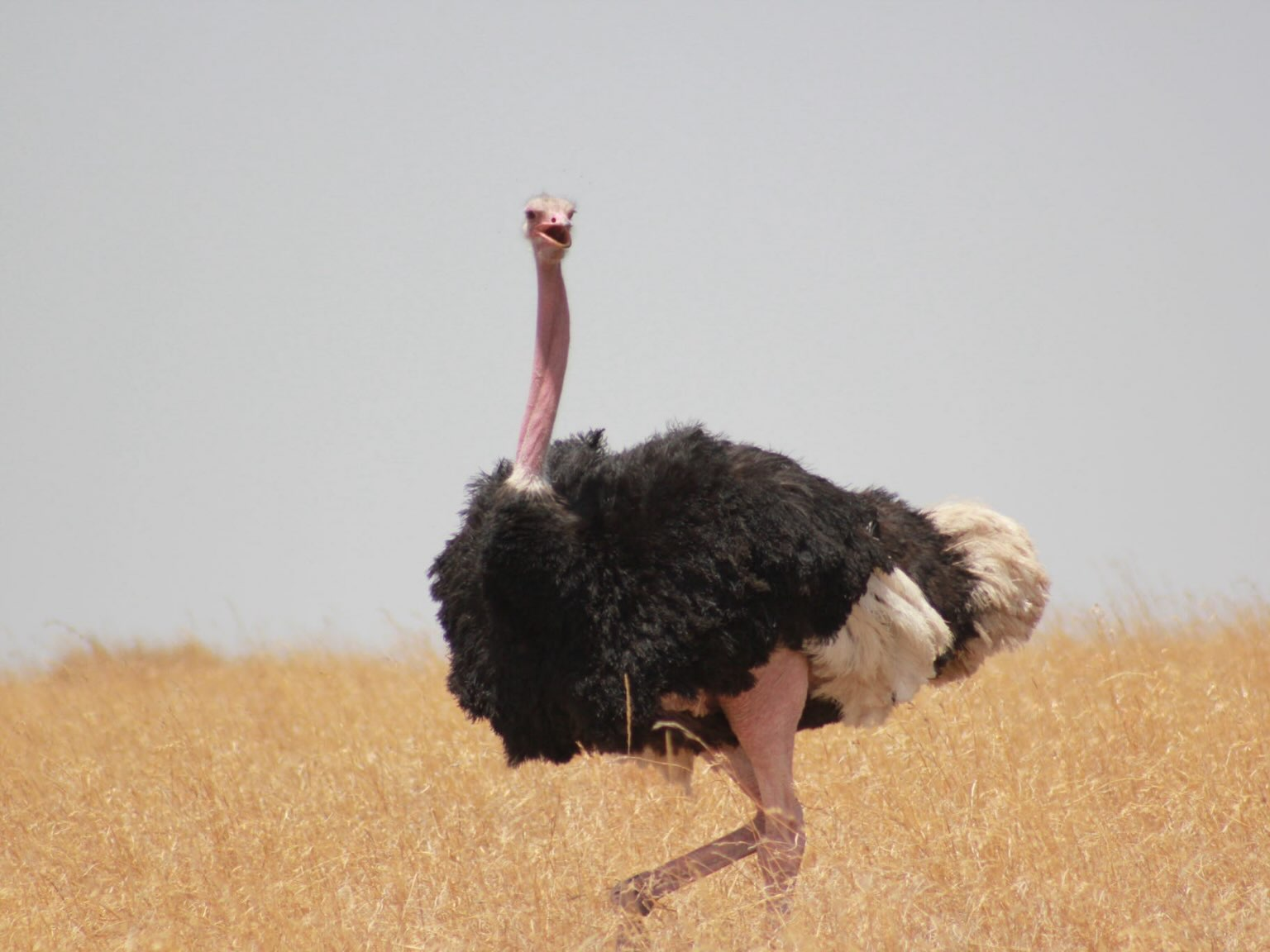
An ostrich on the plains.
The guide is the reason this trip works. A birder's walk is slow, with long stops and a lot of listening, and a general driver guide moves on too soon. We assign a specialist guide to the Akagera and Nyungwe days, and your driver guide handles the road. The break in Kigali on day four is deliberate: it avoids a ten-hour journey and lets you sort your photographs. Browse the Rwanda destination page, the Nyungwe travel guide and the game drives page.
Wie anspruchsvoll ist die Birding‑Safari?
Moderate. Akagera is easy and is done from a vehicle and at the water's edge. Nyungwe is the physical part: the forest trails are steep, wet and uneven, and the dawn starts mean you walk for several hours before breakfast. If you are a keen birder but not used to hill walking, tell us and we can shorten the forest walks. You need good binoculars and patience, and you need to be comfortable with early starts and some rain.
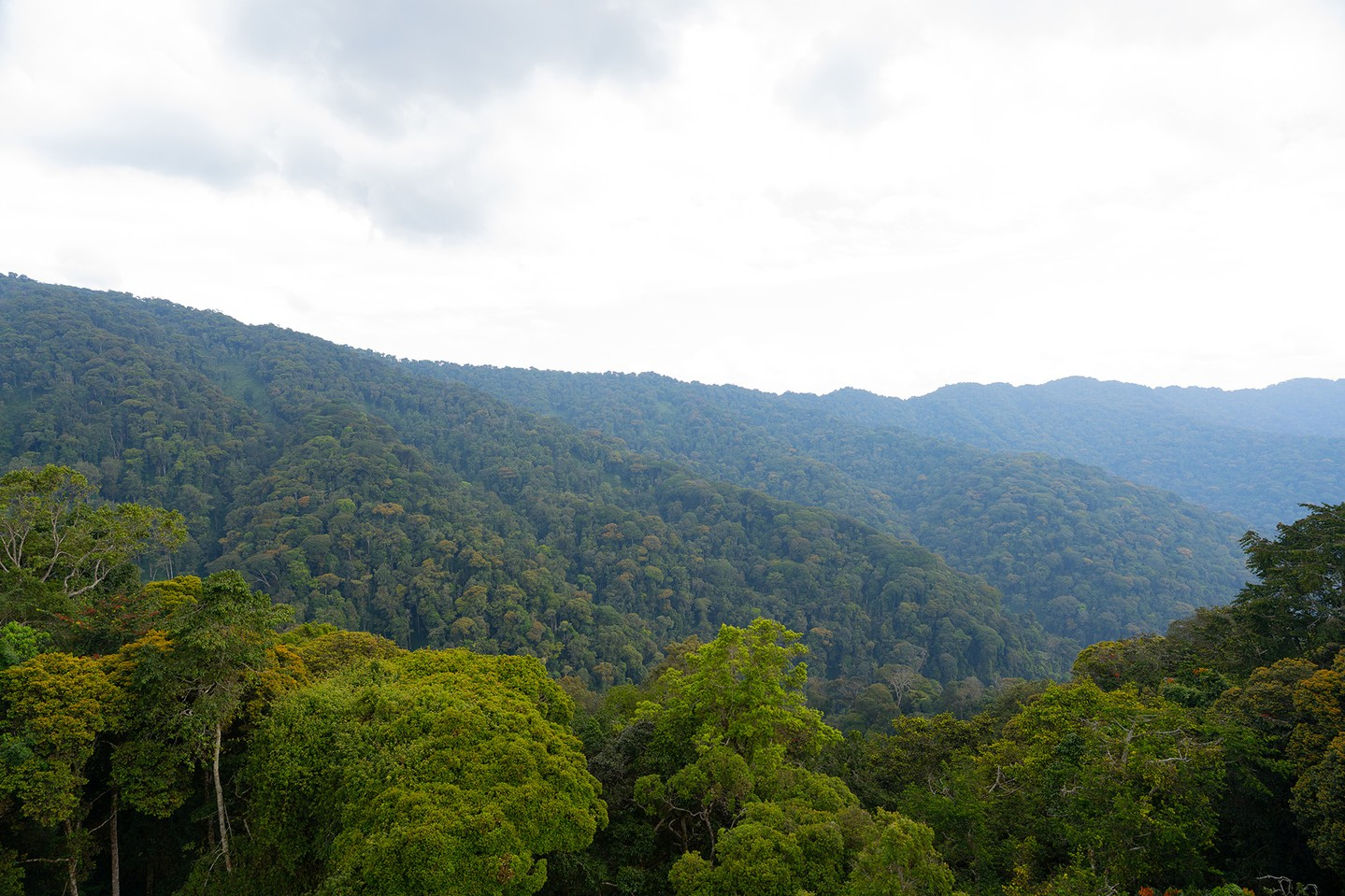
Nyungwe's forested ridges.
Beste Reisezeit
Birding is good all year, with different strengths. The dry months from June to September and December to February make forest trails easier. The wetter months, March to May and October to November, are green and can be good for breeding birds, and the paths are muddy. From November to April migrants from Europe and Asia add to the lists. Nyungwe is wet in every month, so bring rain gear whatever the season.
Für wen diese Reise geeignet ist
This tour suits birders of all levels, photographers who are happy to wait, and couples or friends who share the interest. It is not for travellers who want gorillas or a fast-moving safari. For primates, see the 7-day Rwanda primate safari, and for a mixed trip with culture and birds, our Signature Journey, the 8-day Rwanda cultural experience and birding with heritage.
Planen Sie Ihre Reise
Tell us your target species and how many you have already seen, so that we can brief the guide. We advise on visas free of charge and confirm your lodges once you book. Read the best bird-watching spots in Uganda if you want to pair this tour with a Uganda extension, and see the 4-day Akagera Big Five safari for the savannah side.
On the last day, the drive from Nyungwe is long. If a suitable flight from Kamembe to Kigali is operating on your dates we use it, otherwise we drive and recommend a late flight. We confirm this before you book.
Planen Sie diese Reise? Unsere Leitfäden zu wie man den Nyungwe Canopy Walk bucht und was zu erwarten ist decken die wichtigsten Fragen ab, die Sie vor der Buchung klären sollten.
Vielen Dank. Ihre Einreichung wurde erhalten.
Your 8‑tägige Rwanda Vogelbeobachtungs‑Safari: Akagera und Nyungwe booking request has been received.
Angebot anfordern
8‑tägige Rwanda Vogelbeobachtungs‑Safari: Akagera und Nyungwe
1
2
3
Pakettyp auswählen
Vielen Dank. Ihre Einreichung wurde erhalten.
Your 8‑tägige Rwanda Vogelbeobachtungs‑Safari: Akagera und Nyungwe booking request has been received.
Angebot anfordern
8‑tägige Rwanda Vogelbeobachtungs‑Safari: Akagera und Nyungwe
1
2
3
Pakettyp auswählen
Empfohlene Reisepakete
Empfehlungen werden geladen...