
Signature Tour
8-tägige kulturelle Erfahrung in Ruanda & Vogelbeobachtungstour
Stunden
8 Days
Ort
Rwanda
Schwierigkeit
Moderate
Von
$1,739
Übersicht
Rwanda's mountain gorillas are a common way to introduce the country, but they are only one part of its history. Beyond the well-known primates is a place where traditional culture, volcanic landscapes, forests, lakes, tea country, and amazing birdlife are all surprisingly close to each other. Rwanda's official tourism information lists 703 bird species and 29 Albertine Rift Endemics. The country's small size also lets you see a lot of different landscapes in one trip.
This cultural experiences of Rwanda will show you a different, calmer side of the country. You won't just be rushing from one famous site to the next; you'll have time to listen to birds around the lakes, walk through a sacred forest, meet locals, see traditional crafts, learn how farming is still a part of everyday life and engage in our 1k Tree ReGreen Initiative event with youth and elders of the community.
It will also be easy to switch between adventure and comfort. A tough climb up to a high altitude will be balanced by peaceful time by Lake Kivu and friendly interactions with locals. About 3,700 meters high is Mount Bisoke. The western highlands and volcanic areas of Rwanda are cooler than the warmer lowlands.
For tourists who have been to typical safari spots before, the variety in a relatively small country will be appealing. One morning might start with mist around the Virungas and end with a calm evening by a lake. Another day might find you in tea fields listening to farmers talk about the crop that has become one of Rwanda's main exports. Rwanda got its first tea plantations and factories in 1952, and many of them are now open to visitors.
During the trip, comfort will still be a top priority, but the experience won't become an overly expensive Rwanda luxury safari. Your private road transportation, carefully planned activities, sensible itinerary, and warmth local service will make the experience feel polished while still leaving time for spontaneous photos, conversations, and quiet times. Once your reservation is confirmed, you will be given exact information about your accommodations.
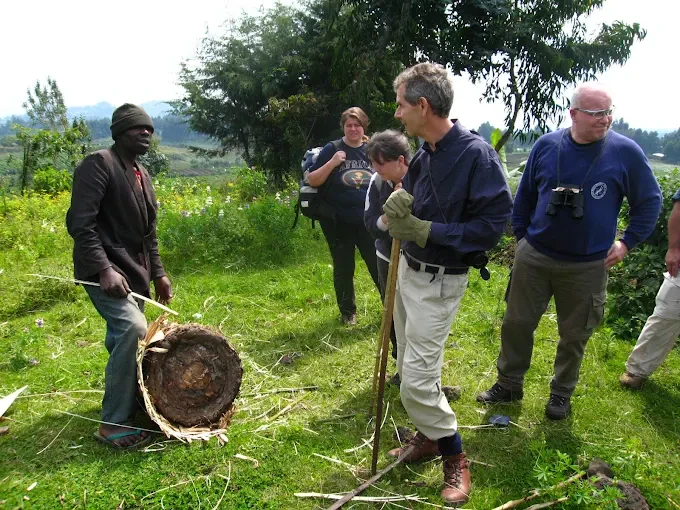
Freundliche Interaktionen mit Einheimischen
Schwierigkeitsgrad
Insgesamt wird diese Reiseroute moderat sein, aber ein Tag Wandern auf dem Mount Bisoke wird schwierig sein. Für die meisten Kulturtouren, Besuche von Vogelbeobachtungs Zielen, Straßentransfers und Aktivitäten am See, müssen Sie nur normal gehen können. Allerdings können einige Gemeindepfade und Naturpfade uneben, schlammig oder steil sein. Da Ruanda aus Vulkanen besteht, kann das Wetter schnell umschlagen, besonders in den Bergen.
Um Mount Bisoke zu wandern im Volcanoes National Park zu können, müssen Sie in bestmöglicher Verfassung sein. Sie sollten in der Lage sein, mehrere Stunden bergauf zu gehen und sich in großer Höhe zu bewegen.
Sie müssen nicht besonders gut klettern können, aber gute Wanderschuhe, ein gutes kardiovaskuläres Fitnesslevel und Geduld machen das Erlebnis viel angenehmer. Erwachsene, die aktiv sind, Paare, Familien mit mindestens 15‑jährigen Kindern, die in guter körperlicher Verfassung sind (gleiche Altersgrenzen für das Berggorilla‑Trekking), Alleinreisende und kleine private Gruppen können alle an der Reise teilnehmen. Für Rollstuhlfahrer funktioniert der Teil, der den Mount Bisoke hinaufführt, nicht, aber die Abschnitte entlang der Straße und am See können in der Regel angepasst werden, um ihren Bedürfnissen besser zu entsprechen.
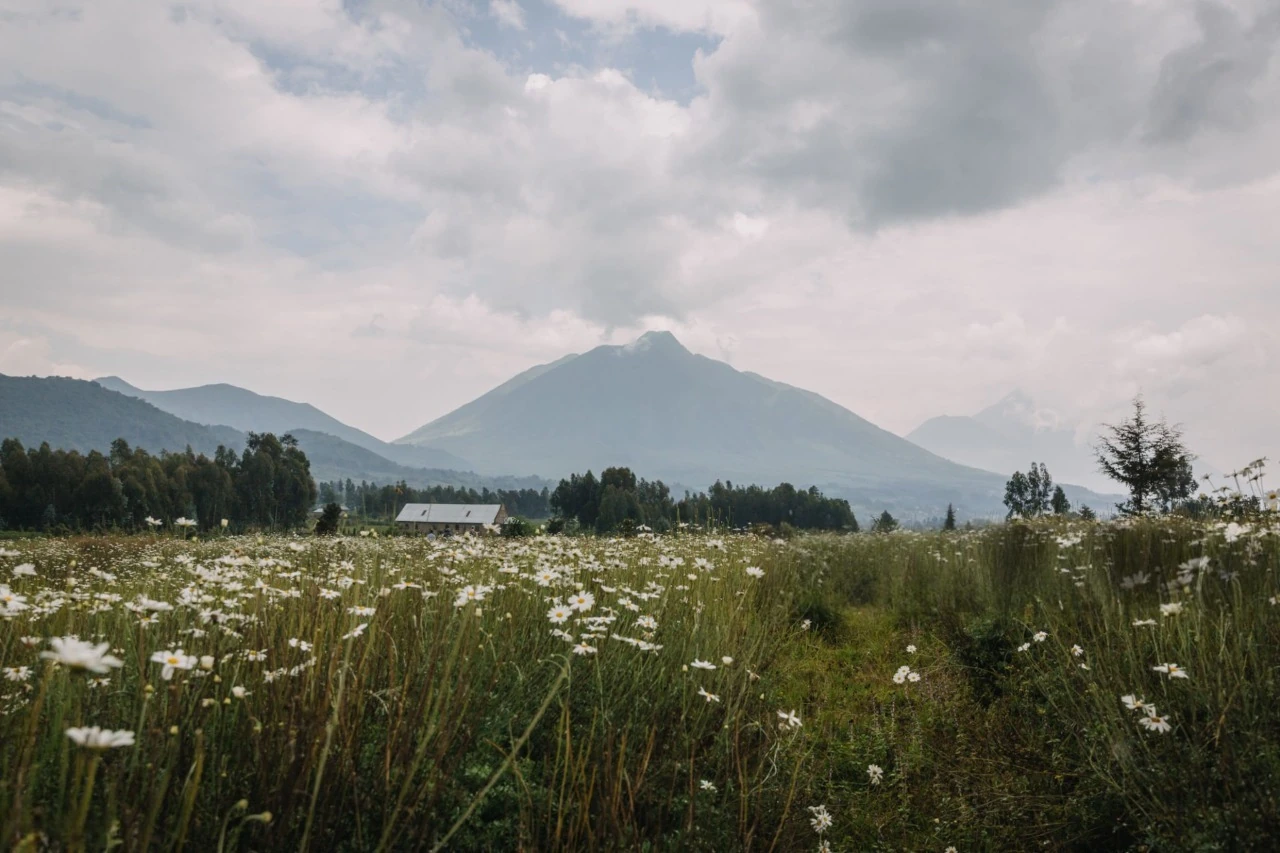
Um den Mount Bisoke zu besteigen, sollten Sie sich in bestmöglicher Verfassung befinden.
1
2
3
Select Package Type
1
2
3
Select Package Type
Empfohlene Reisepakete
Empfehlungen werden geladen...