Ob der Nyungwe-Baumkronenweg sich lohnt hängt davon ab, was Sie davon erwarten. Wenn Sie eine dramatische Aussicht oder eine Tier-Show wollen, könnte der Weg allein Sie enttäuschen. Wenn Sie über einem alten Bergwald stehen möchten, in kühler Luft, mit einem Führer, der die Bäume und Vögel kennt, ist es einer der denkwürdigsten Halbtage in Ruanda. Die ehrliche Antwort ist, dass der Spaziergang im Rahmen eines Aufenthalts in Nyungwe lohnenswert ist und selten allein wegen einer langen Anfahrt gerechtfertigt ist.
Dieser Leitfaden zeigt, was Sie erhalten, welchen Zeitaufwand er hat und wer ihn machen oder überspringen sollte.
Was Sie eigentlich vom Baumkronenweg erhalten?
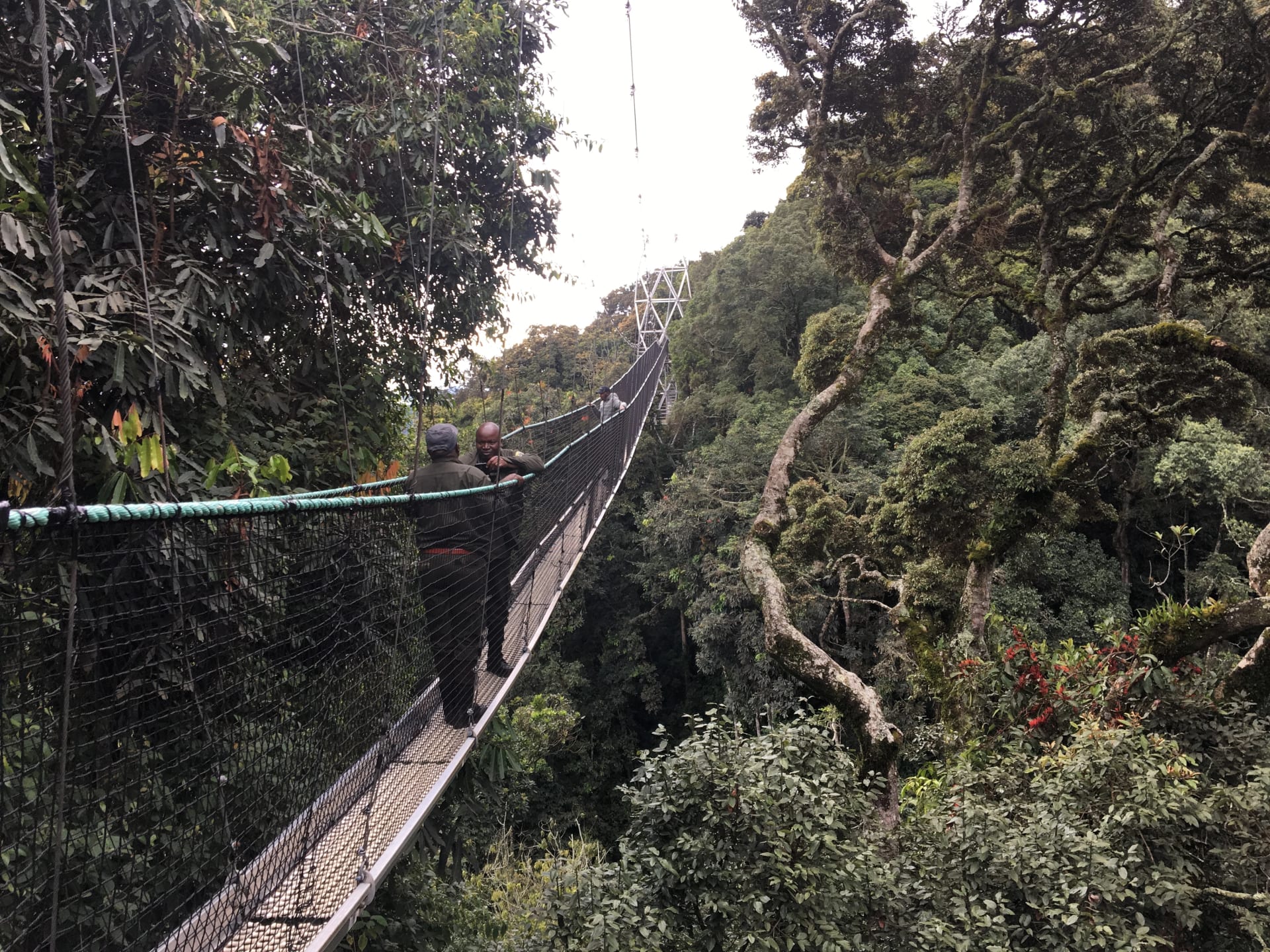
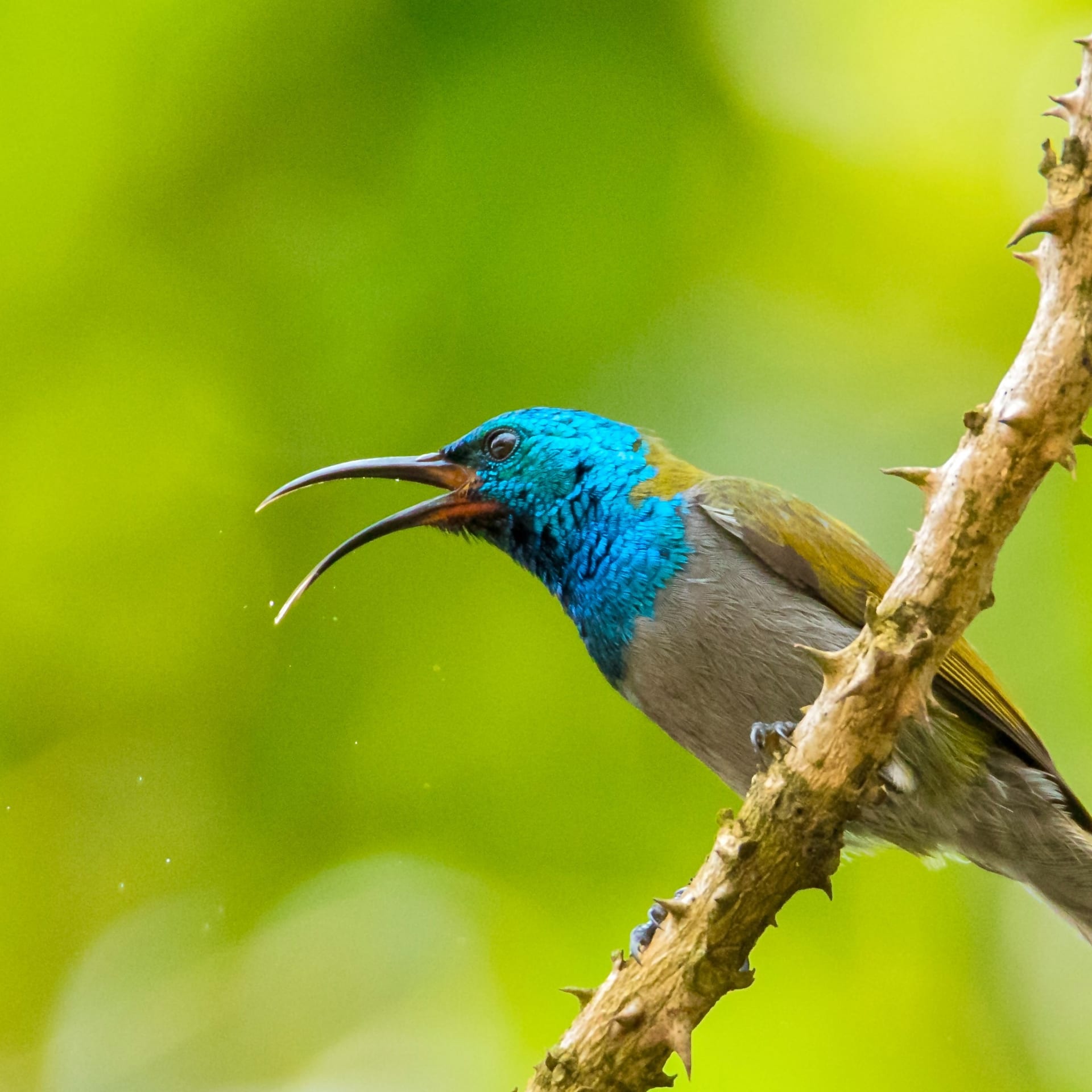
Sie erhalten einen anderen Blickwinkel auf einen Wald. Die meisten Waldwanderungen halten Sie unter den Bäumen, nach oben schauend. Der Weg führt Sie zu den Kronen, etwa 70 Meter über dem Boden, über eine Strecke von rund 200 Metern. Von dort sehen Sie die Schichten des Waldes, die sich abrollenden Höhenzüge und, bei klarem Wetter, den Nebel, der aus den Tälern aufsteigt. Vögel, die in der oberen Baumkrone verweilen, lassen sich leichter entdecken, ebenso wie Affen, die über dem Pfad unterwegs sind.
Was Sie nicht bekommen, ist eine garantierte Tierbeobachtung. Der Weg ist ein Aussichtspunkt, kein Wildtiererlebnis, und der Wald ist dicht. Manche Morgen sind voller Vogelgesang und Bewegung; andere sind ruhig, nass und grau. Mit dieser Erwartung zu gehen, macht den Tag besser.
Was kostet der Spaziergang an Zeit und Geld?
Die Weggebühr für internationale Besucher ist bescheiden, im Bereich von US $40 bis US $60 pro Person. Der größere Kostenfaktor ist die Zeit. Nyungwe ist fünf bis sechs Stunden mit dem Auto von Kigali entfernt, und der Spaziergang beginnt früh am Morgen, sodass die meisten Besucher mindestens eine Nacht im Wald und einen vollen Reisetag auf beiden Seiten einplanen. Lesen Sie wie viel der Nyungwe-Baumkronenweg kostet für das komplette Budget.
Wenn Ihre Reise kurz ist, fragen Sie sich, wo die Tage am besten verbracht werden können. Drei Tage in Ruanda, die eine Gorilla‑Tour im Volcanoes National Park einschließen, sind meist besser als eine Fahrt in den Südwesten. Sieben Tage oder mehr lassen Raum für Nyungwe, und dann wird es zu einem der preiswertesten Teile der Reise.
Wie vergleicht sich Nyungwe mit dem Volcanoes National Park?
The two parks offer different things. Volcanoes National Park is the home of the mountain gorillas, with farmland and volcano views and a short transfer from Kigali. Nyungwe is a vast, wetter forest with chimpanzees, a large variety of other primates, hundreds of bird species and the canopy walk. Visitors who want gorillas go to Volcanoes. Visitors who want a forest that feels untouched, with walking and birds, go to Nyungwe.
If you can only choose one, choose Volcanoes for the gorillas. If you can fit both, the pairing is excellent, because the two forests do not feel like repeats. Read the Nyungwe National Park travel guide and the Volcanoes National Park guide to compare them in detail.
What Is the Rest of a Stay in Nyungwe Like?
Part of the value of the canopy walk is what surrounds it. The forest covers a large area of south-west Rwanda, and the evenings are quiet, cool and dark, with a very different mood from the busy north. Lodges in the area range from simple to very comfortable, and many have forest views from the room. Meals tend to be unhurried because the days begin early.
The area also gives you a closer look at rural Rwanda: tea fields on the hills, small villages along the road and a slower pace than the capital. Travellers who want to add a gentle community visit can ask us about tea estate tours. Read how to experience Rwanda like a local for ideas on food and villages.
How Many Days Do You Need for Nyungwe to Feel Worth It?
Here is a simple way to think about it:
- One night: enough for the canopy walk, but it leaves no buffer for weather and makes the journey feel rushed.
- Two nights: the right amount for the walk plus a second activity such as chimpanzee tracking or a long hike.
- Three nights: good for birders, photographers and walkers who want to take their time.
Work backwards from your total days in Rwanda. A seven-day trip can include Kigali, Volcanoes National Park and Nyungwe with a little room to spare, as in the 7-day Rwanda primate safari. A four-day trip rarely can.
Who Gets the Most From the Walk?
Four kinds of traveller tend to enjoy it most:
- Birders and photographers, because the canopy puts them at eye level with species that are usually high above.
- Walkers who like forest trails and cool air.
- Families with older children who want an activity that is active but not extreme.
- Repeat visitors to Rwanda who have already trekked gorillas and want a second landscape.
For birds in particular, see the best places for birdwatching in Rwanda and Uganda. A specialist route is the 8-day Rwanda birding safari.

Who Should Skip It?
Skip the walk if heights frighten you. The walkway is narrow, and the movement is gentle but noticeable, and nobody enjoys it while feeling anxious. Skip it if you have a very tight schedule and the transfer would use up a day you want for the gorillas. Skip it if you hope to see chimpanzees without planning for it, since the walk is a separate activity and chimpanzee tracking is a different outing with its own early start.
It also may not suit travellers with knee or hip problems, because the forest trail has steps and roots. There is no shame in choosing another activity. We can swap it for a forest hike, a tea plantation visit or a quiet day by Lake Kivu.
How Do You Get the Most From the Visit?
A few choices improve the day a lot:
- Sleep near the park. A night in or beside the forest saves a long, tiring drive.
- Walk early. The air is clearer and the birds are active.
- Give it two nights. If mist or rain delays the crossing, you have a second chance.
- Add a second activity. A forest hike or chimpanzee tracking makes the journey worthwhile.
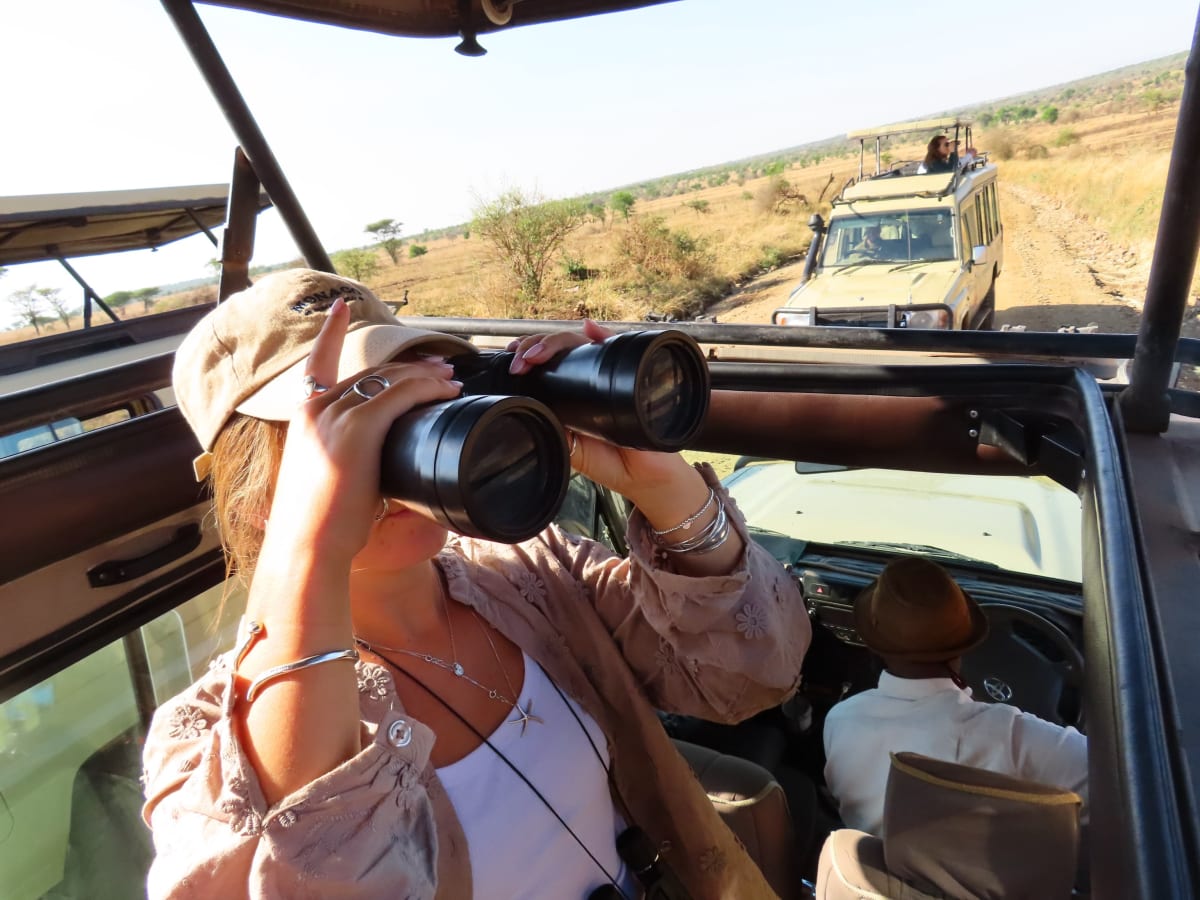
- Bring binoculars. They change what you can see from the walkway.
For the practical side of the day, read how to book the Nyungwe canopy walk and what to expect.
What Do Visitors Often Say Afterwards?
Visitors who enjoyed the walk tend to mention three things: the quiet of the forest, the feeling of height and the guide's knowledge of the trees and birds. Those who were disappointed usually had high hopes of seeing animals, or they went on a misty morning and saw little. The lesson is to treat the walk as a landscape experience and to give it a second chance if the weather is poor. The forest rewards patience.
Who Is the Canopy Walk Best For?
Am besten für
- Travellers with seven days or more in Rwanda
- Nature lovers who enjoy walking and birdwatching
- Visitors adding a second landscape to a gorilla trek
Kann nicht ideal sein für
- Short trips of three or four days
- Travellers who are afraid of heights
- Anyone expecting guaranteed wildlife from the bridge
What Mistakes Do Travellers Make When Deciding?
- Judging the walk by photographs. Pictures hide the trail, the mist and the time it takes.
- Underestimating the drive. Five to six hours each way adds up.
- Skipping the second night. One night leaves no room for weather.
- Comparing it with the gorillas. The two experiences serve different goals.
Frequently Asked Questions About Whether the Canopy Walk Is Worth It
Ist der Baumkronenweg beängstigend?
It feels high, and it moves a little. Most people who are comfortable on a normal footbridge find it fine, and the guide stays with the group.
Will I see chimpanzees from the walkway?
It is possible to see or hear primates, but the walk is not a chimpanzee outing. Tracking is a separate activity.
How much time should I give Nyungwe?
Two nights is the sensible minimum, three if you add chimpanzee tracking and a forest hike.
What if it rains?
The walk usually goes ahead in light rain, and strong wind or heavy rain can delay it. A second night in the forest protects the plan.
Planung deiner Reise?
Tell us how many days you have, and we will say honestly whether Nyungwe belongs in the plan. Talk to Our Tour Specialist, or see the 6-day gorilla trek and Nyungwe chimpanzee tour.