The best things to do on Lake Kivu in Rwanda are a boat or kayak trip, a swim and a sunset on the beaches of Rubavu, a visit to an island, a stretch of the Congo Nile Trail on foot or by bicycle and a coffee farm tour. The lake lies in the west of the country, on the border with the Democratic Republic of the Congo, and it is the quiet half of many Rwanda trips: a place to rest after gorilla trekking, with green hills, fishing boats and warm evenings.
This guide describes the main activities, the three towns you can use as a base and how many days to give the lake.
What Makes Lake Kivu Special?
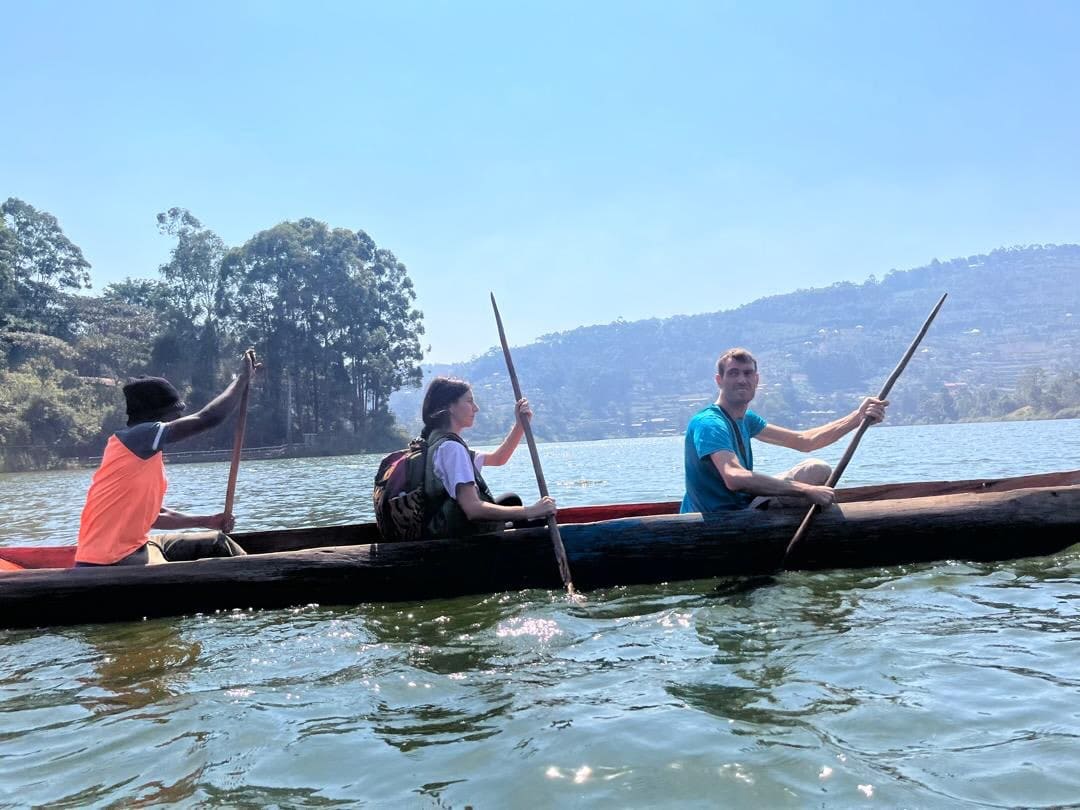
Lake Kivu is one of Africa's Great Lakes, and it is among the deepest on the continent. It is shaped by the Rift Valley, with steep green hills falling to the shore and hundreds of small peninsulas and islands. The water is clear and calm, and the lake is known to be free from hippos and crocodiles, which makes swimming and kayaking pleasant. Dissolved gases in the deep water are used for energy production, which is an unusual feature of the lake.
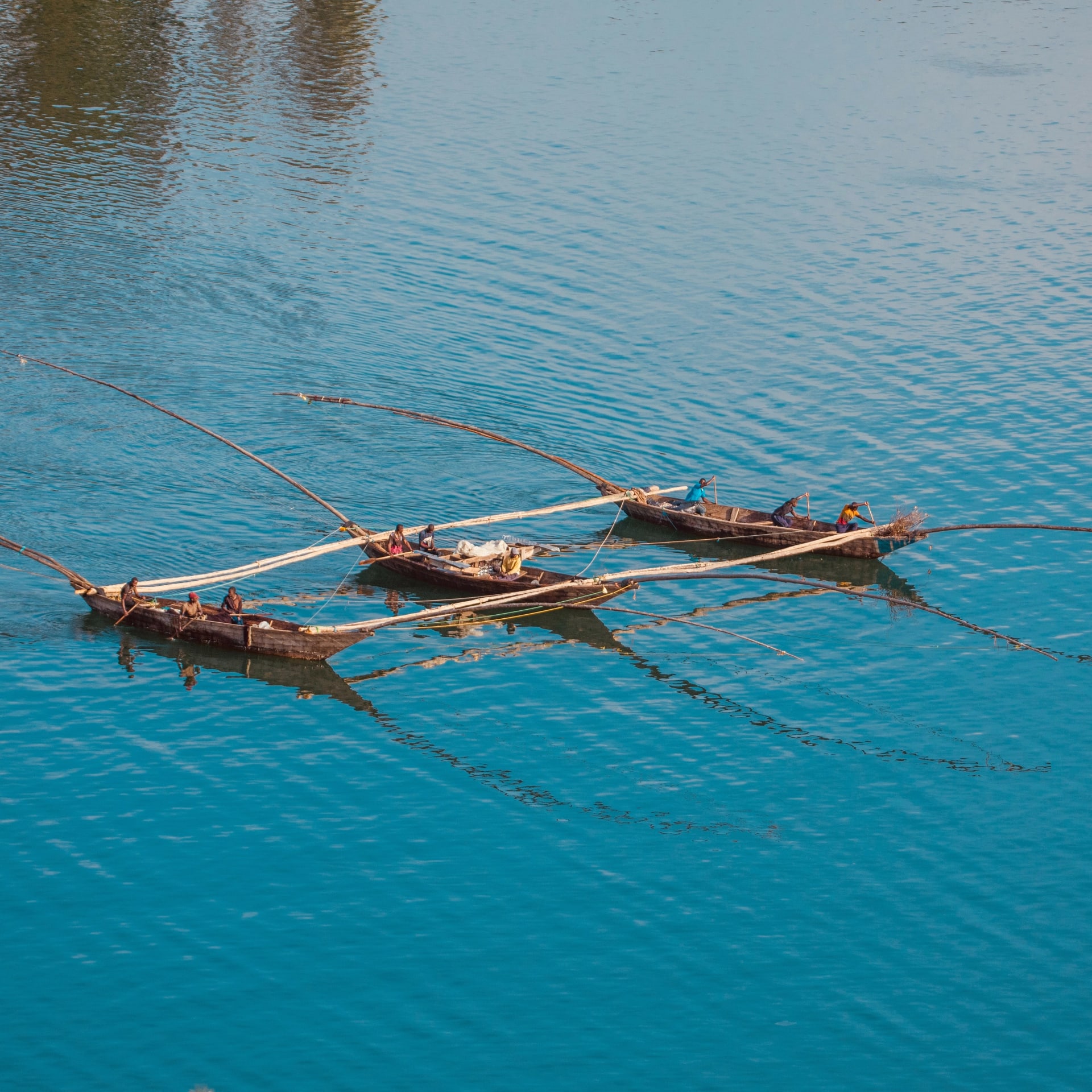
The climate is mild, with warm days and cool evenings. Fishermen paddle out at dusk with lights, and the sunsets are good. It is a place for slow days.
Which Town Should You Use as a Base?
Rubavu (Gisenyi)
Rubavu is in the north, about two to three hours from Kigali, and it has the best beaches, a lively waterfront and the easiest access from Volcanoes National Park. It suits a short stay after gorilla trekking. You can swim, take a boat, visit coffee estates and use the town as the start of the Congo Nile Trail.
Karongi (Kibuye)
Karongi is in the middle of the lake, about three to four hours from Kigali. It is quieter and greener, with bays, islands and viewpoints. It is a base for boat trips, kayaking and island visits. Napoleon Island, home to a colony of fruit bats, is reached from here.
Rusizi (Cyangugu)
Rusizi lies at the south end, near Nyungwe Forest. It is the end of the Congo Nile Trail and a natural stop between the lake and the forest. See how to book the Nyungwe canopy walk if you plan to continue south.
What Water Activities Can You Do?
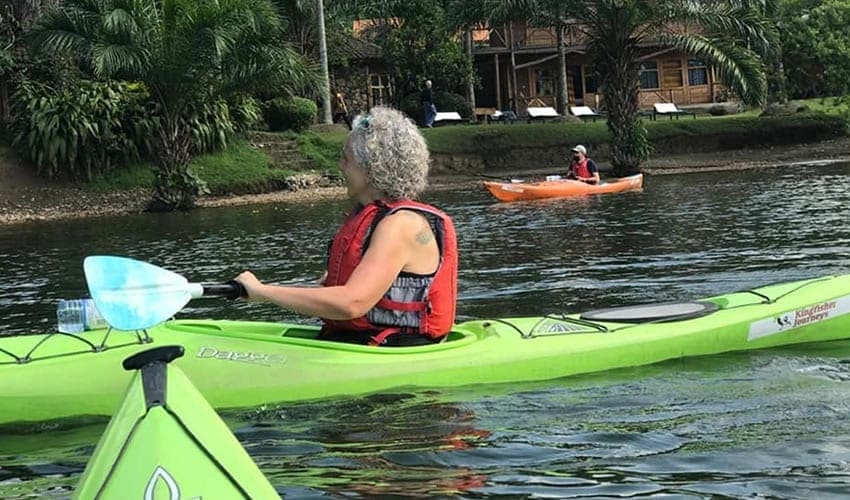
The calm water makes the lake ideal for activities that are hard on other lakes. Kayaking and stand-up paddling are popular in the early morning, when the lake is flat. Boat trips visit islands, fishing villages and quiet bays. Swimming is safe from beaches and hotels. A sunset cruise is a good end to a day. Fishing with local fishermen at night, with lights to attract fish, is a distinctive experience on some stretches. Always use life jackets and take advice from your host.
How Does the Congo Nile Trail Work?
The Congo Nile Trail follows the ridge above the lake from Rubavu to Rusizi, for roughly 227 kilometres. Walkers and cyclists cover sections of it in days, staying in villages and lodges along the way. It passes tea plantations, coffee farms, fishing villages and viewpoints. A short section is an easy day out, while the full route takes a week or more. Read how many days you need for the Congo Nile Trail and how much it costs. The 5-day Congo Nile Trail hiking and cycling tour covers sections in five days.
Can You Visit a Coffee Farm?
Yes. The hills around the lake are among Rwanda's best coffee-growing areas, and several farms and washing stations welcome visitors. You can walk through the plantation, see how cherries are picked and sorted, watch the washing and drying and taste the result. The harvest runs roughly from March to July. Read where to experience Rwandan coffee from farm to cup for the details.
What Else Can You Do?
A few other options round out a stay. Hot springs near Rubavu offer a relaxing soak. A visit to a memorial near the lake provides important context on Rwanda's history, and guides give it care and time. Village walks introduce farming and daily life. Birdwatchers can look for species on the shore and in the forests of the hills. For a lakeside finish to a safari, see the 8-day luxury Rwanda safari with gorillas, Akagera and Lake Kivu, and the 4-day golden monkey tracking and Lake Kivu tour.
How Many Days Should You Give the Lake?
Two nights is enough for a rest after the gorillas, with a swim, a boat trip and a coffee visit. Three or four nights let you add kayaking, an island and a section of the trail. If you plan to walk or cycle the Congo Nile Trail, allow five days or more. The lake fits between Volcanoes National Park and Nyungwe, or at the end of a trip. Read the 10 best things to do in Rwanda and Uganda for the wider picture.
What Is the Food Like Around the Lake?
Fresh fish from the lake is the local speciality, and the small silvery fish called isambaza are fried until crisp and served with chips or a sauce. Grilled tilapia is common, and brochettes of goat or beef are a staple at lakeside bars. Rwandan dishes such as beans, plantains, cassava and sweet potatoes are served in simple restaurants. Tea and coffee from the nearby hills are excellent. Many lodges serve a good mix of local and international dishes. Try a fresh juice from tropical fruit on a terrace at sunset, which is one of the simplest pleasures of the lake.
How Do You Get Around Between Towns?
The road along the lake is paved for most of its length and winds through hills with views. A private vehicle with a driver is the easiest way, because it lets you stop at viewpoints and villages. Public buses connect the main towns but are slower. Boats run between some points, though a scheduled service is not always available, so ask your lodge. Motorbike taxis, known as moto, are common for short rides, and helmets are provided. Distances look small on a map, but the hills make journeys longer than expected.
Which Season Is Best for the Lake?
The lake is lovely in every season. The dry months, June to September and December to February, give clear skies and reliable weather for boats and hikes. The rains, March to May and October to November, make the hills green and the evenings dramatic, with occasional storms. Mornings are generally calm and clear in all seasons. If you plan to walk the Congo Nile Trail, the dry months are easier. Read the best national parks in Rwanda to pair the lake with a park visit.
What Is a Good Three-Day Plan?
Day one: drive from Volcanoes National Park to Rubavu, swim, have lunch by the water and watch the sunset. Day two: take a morning kayak or boat trip, visit a coffee farm in the afternoon and have dinner at a lakeside restaurant. Day three: transfer to Karongi, visit an island and continue south or return to Kigali. This pace gives you rest and a flavour of the lake without rushing. The 6-day Congo Nile Trail hiking tour offers a longer, more active version.
Who Will Enjoy the Lake Most?
Am besten für
- Travellers who want a calm break between treks
- Couples and families who like water and gentle activities
- Walkers and cyclists
Kann nicht ideal sein für
- Visitors looking for big-wildlife viewing
- Travellers with only three or four days in Rwanda
Welche Fehler machen Besucher?
- Staying one night. It leaves no time to slow down.
- Skipping life jackets. Use them for any boat or kayak.
- Underestimating hills. The roads and trails are steep.
- Expecting a resort beach. The shore is natural and quiet.
Frequently Asked Questions About Lake Kivu
Ist es sicher zu schwimmen?
Yes, at beaches and lodges that offer swimming. Ask your host about currents and rules.
Wann ist die beste Reisezeit?
June to September and December to February are the driest. The lake is lovely all year.
How far is it from Kigali?
About two to four hours, depending on the town.
Can I combine it with the gorillas?
Yes. Rubavu is a natural stop after Volcanoes National Park.
Is the lake safe for children?
Yes, at beaches and lodges with supervision. Use life jackets on boats, and keep young children close.
Are there mosquitoes?
Mosquitoes are present in the evenings. Use repellent and ask a doctor about malaria advice.
Planung deiner Reise?
Tell us your dates and what you like to do, and we will choose the town and the activities. Talk to Our Tour Specialist, or see the Rwanda destination page.