
Adrenaline Pumping With Nile Rafting in Uganda
The white water rafting stretch of the Nile in Jinja, Uganda, is not for the faint hearted. With rapids reaching Grades IV and V, this is one of East Africa’s wildest water adventures. Yet beneath the roar of the rapids lies calm stretches of water, tropical islands, and forests alive with birds and monkeys.
Whether you're a first timer or seasoned paddler, the Nile rafting experience in Uganda offers a powerful blend of adrenaline, nature, and discovery.
In this blog, you'll be guided through what to expect, how to prepare, and how to make the most of this unforgettable tour.
Why The Nile Rafting Experience in Uganda Is Special
Jinja, often called the adventure capital of East Africa, is where Lake Victoria spills into the White Nile. The river here is wide, deep, and relentless, carved through lush banks, dotted with islands, and framed by verdant forests. Rafters can face up to nine major rapids, several of them Grade V, depending on the stretch.
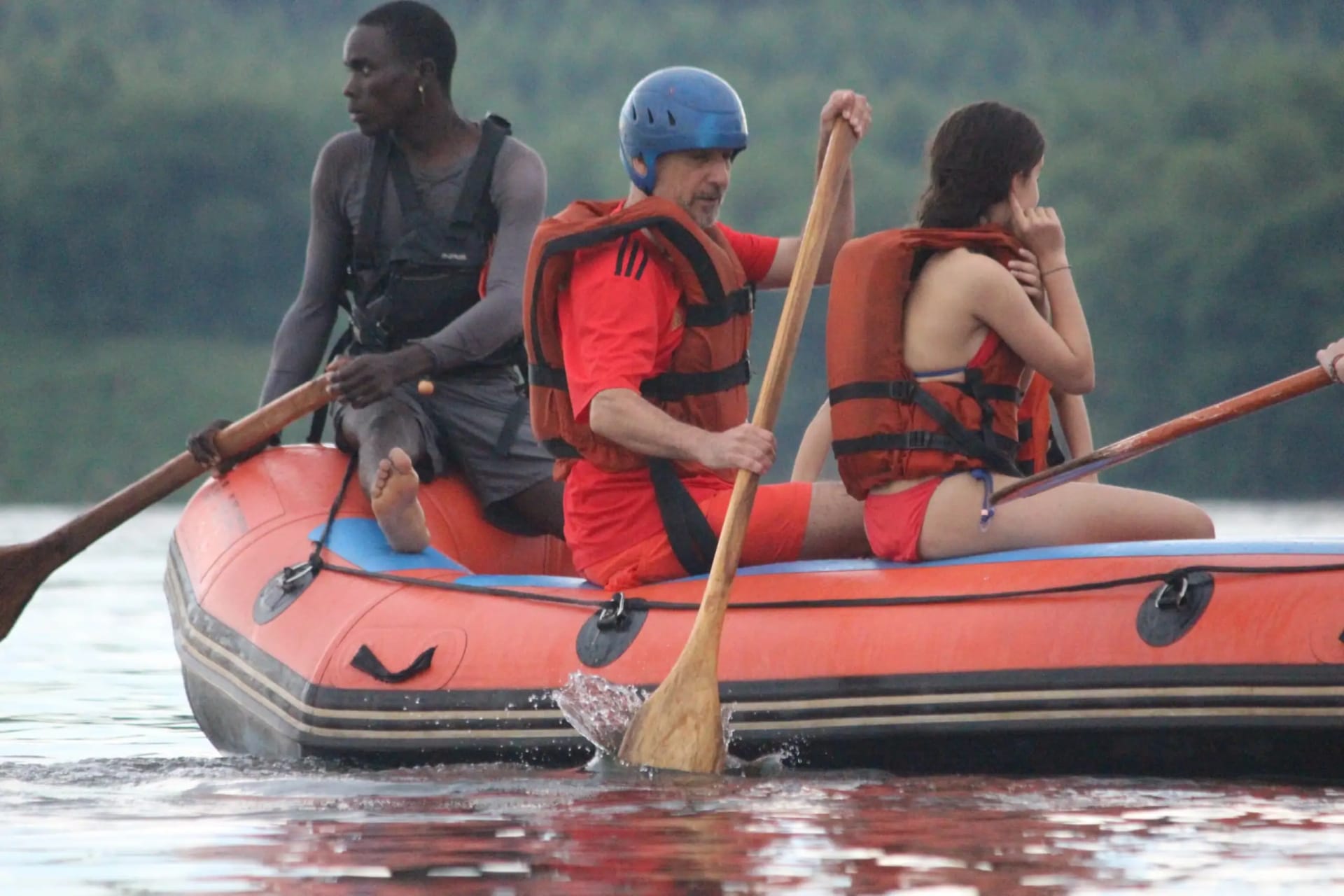
This isn’t a tame river cruise, it's raw, loud, and alive. One moment, you're gripping the raft as waves crash; the next, you're floating through serene channels, listening to birdsong, watching fishermen on the banks, and spotting vervet monkeys swinging overhead. The contrast between chaos and calm is part of what makes the Nile rafting experience in Uganda incredible and unforgettable.
When to Go: Best Time for Nile Rafting, Uganda
Timing truly matters for Nile rafting in Uganda. Although commercial rafting is possible year round, thanks to upstream dams that regulate flow, the drier months tend to offer the most comfortable balance: June to October and December to March are widely recommended. During these periods, rainfall is lower, skies are clearer, and the river is still powerful and dependable.

What’s the Nile Rafting Experience Like? (Story and Flow)
-
Briefing & Gear Up
You begin your day with breakfast near Jinja, followed by a thorough safety briefing. You'll be fitted with a helmet, life jacket, and paddle, and you’ll learn the ropes, literally: how to hold on, how to fall safely, and how to paddle as a team. Warm Up Stretch
The first mile or two is a warm up on gentler water. Guides use this stretch to coach you, refine your paddle strokes, and prepare you mentally for the rapids ahead. -
Tackling the Rapids
As you move downstream, the real action begins, waves grow, currents tighten, and named rapids like “The Bad Place” make their dramatic entrance. At some points, the group may even vote on which line to take: the tame edge path or the heart thumping middle. -
Calm Zoners
After the rapids, the river slows. Here, you can float, breathe, maybe swim, and soak in the surroundings: forest islands, birdlife, fishermen, and monkeys. -
Breaks & Refresh
Mid-trip, there are stops on riverbanks and islands. This is a chance to laugh, rest, and snack and maybe share stories of the last rapid. -
Finish Line & Celebration
A full day trip can cover up to 26 km of river. At the end, guides often host a little riverside celebration: snacks, drinks, and a moment to reflect on what you just conquered.
How to Choose Your Nile Rafting Operator
When choosing you operator, consider:
-
Your comfort with risk (grade III vs grade V)
-
Group makeup (adventure seekers, families)
-
Whether you want to combine rafting with other safari activities
Safety & What You Need to Know
Rafting the Nile in Uganda is very safe but only if you follow instructions. Here are key safety points:
-
You will always wear a helmet and life jacket.
-
Experienced rescue kayakers lead the way, ready to help if someone falls out.
-
Safety boats are available so participants can opt out mid trip.
-
Deep water actually reduces risk of hitting rocks when you flip.
-
Operators screen for health conditions: hypertension and anemia may disqualify you.
What to Pack for Nile Rafting in Uganda
Make sure to bring:
-
Swim friendly clothing (quick dry)
-
Water shoes or secure sandals
-
Sunscreen and a hat, because the equatorial sun is strong
-
Change of dry clothes for after rafting
-
Minimal valuables. anything loose may end up in the river
Environmental & Conservation Considerations
The Nile in Jinja flows through ecologically rich areas, with islands and forested banks that host birds, monkeys, and local communities. When you raft, you're not only on an adventure, you're part of a living ecosystem. Operators like Swift Africa Safaris and others emphasize responsible tourism, using local guides, supporting conservation, and minimizing environmental impact.
Also, some rapids like Itanda Falls are powerful and technically challenging, and they highlight both the river’s beauty and its raw power.
How to Book & Plan Your Nile Rafting Trip
-
Contact a tour operator to plan and book your trip.
-
Decide whether you want a half day or full day rafting trip.
-
Combine rafting with other experiences, like a gorilla trek or birding for a richer Uganda itinerary.
-
Bring flexible plans: weather and water levels can influence timing.
FAQ About Nile Rafting Experience
Q: Do I need rafting experience?
A: No, first timers are welcome. Guides walk you through safety and basics.
Q: What about dangerous wildlife like crocodiles or hippos?
A: In the commercial rafting stretch of the Nile near Jinja, the rapids are too turbulent for crocodiles and hippos, they are rarely present.
Q: Is it safe to flip the raft?
A: Yes, flips happen. But the river is deep, and rescue teams are ready. Experienced guides choose when to take the hardest lines.
Q: Can kids raft?
A: Yes, but there are milder “family float” routes that avoid the strongest rapids.
Q: Will I have photos or videos?
A: Many operators such as Swift Africa Safaris have photographers. Photos can be bought afterward.
Adventure Calling for Nile Rafting
The Nile rafting experience in Uganda is an experience into raw power, serene beauty, and deep connection with nature. It’s an adrenaline rush but al o the moment to pause, reflect, and feel alive.
If this sounds like more than just a trip, if it feels like a story waiting to be written then reach out, ask for a quote, and let’s start planning.


