Yes, a Maasai cultural visit is suitable for families, and children often remember it long after the animals. It works best when the visit is hosted by the community, lasts a couple of hours and leaves room for children to ask questions. It works less well as a rushed stop at the end of a long drive. The difference is in the preparation, the timing and the way adults introduce the visit.
This guide covers the ages that suit, what children see and learn, how to prepare them and how to keep the visit respectful for everyone.
What Do Children See and Learn on a Visit?
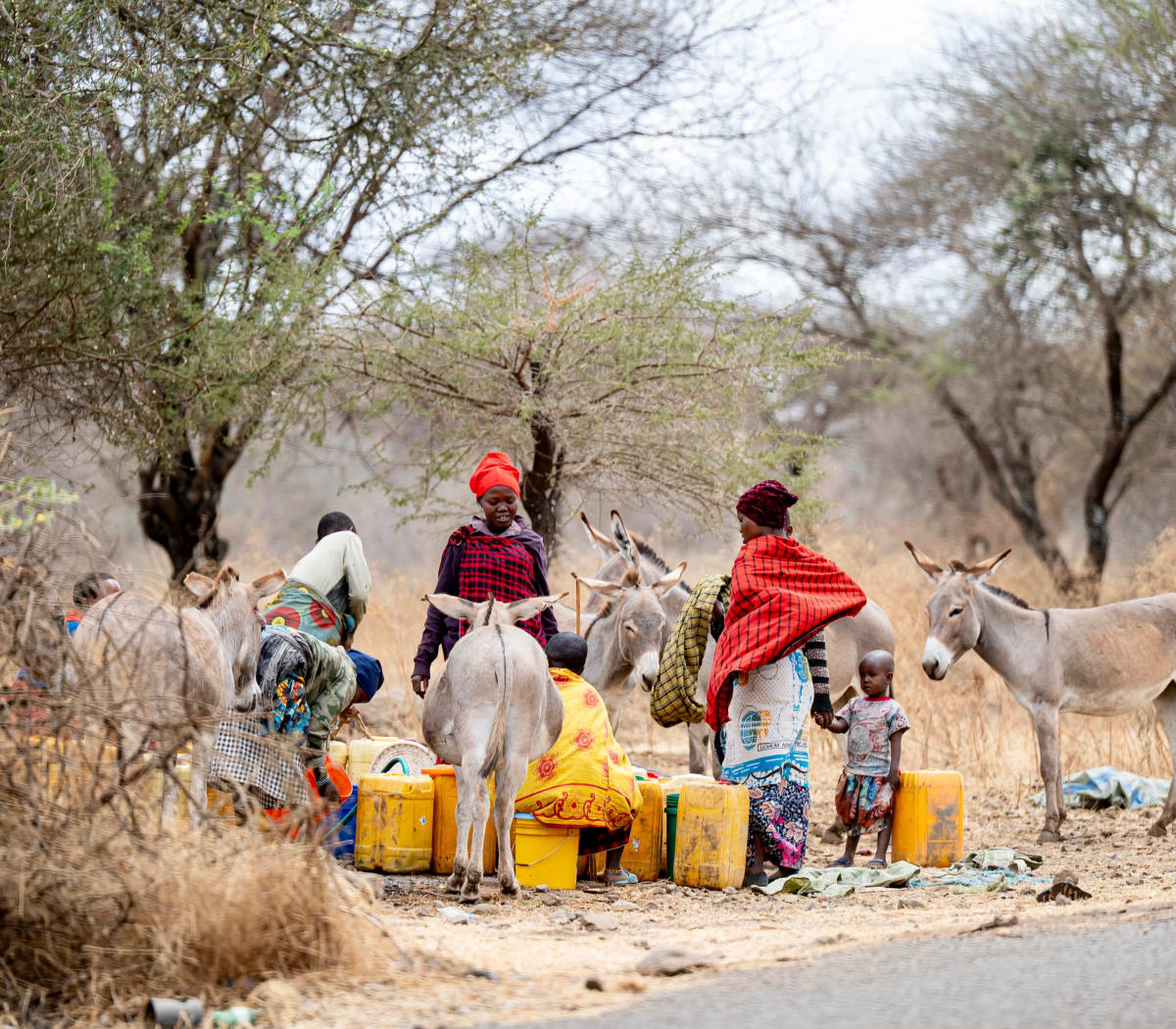
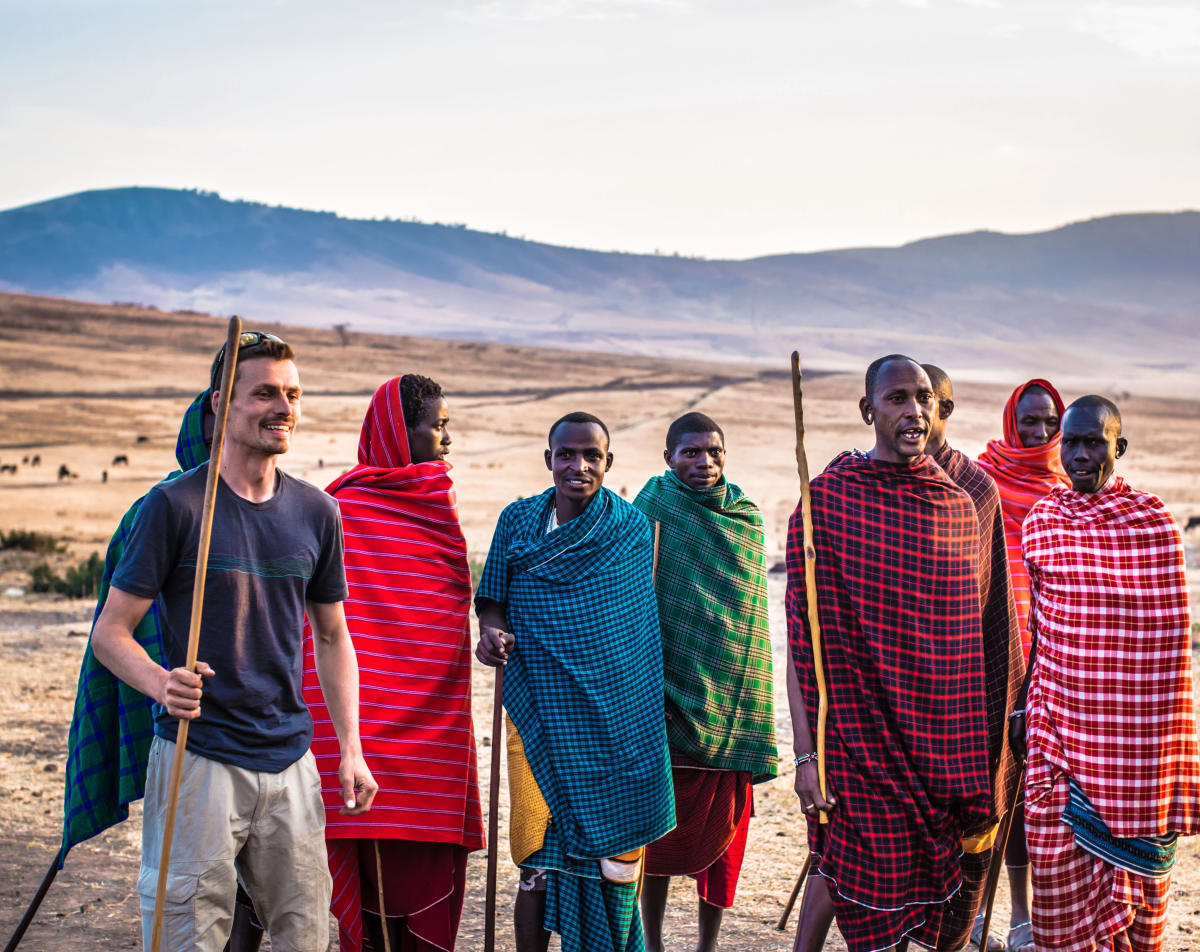
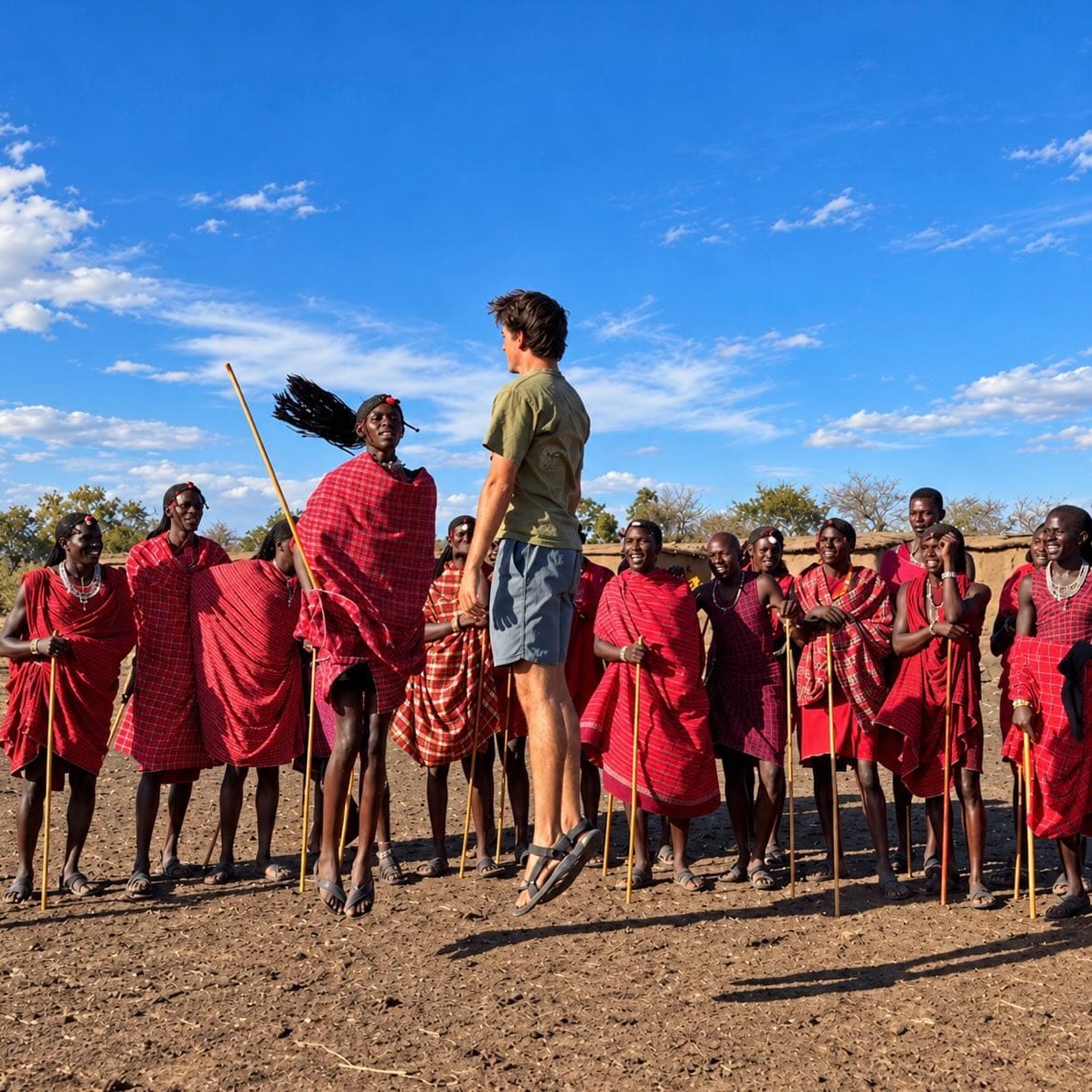
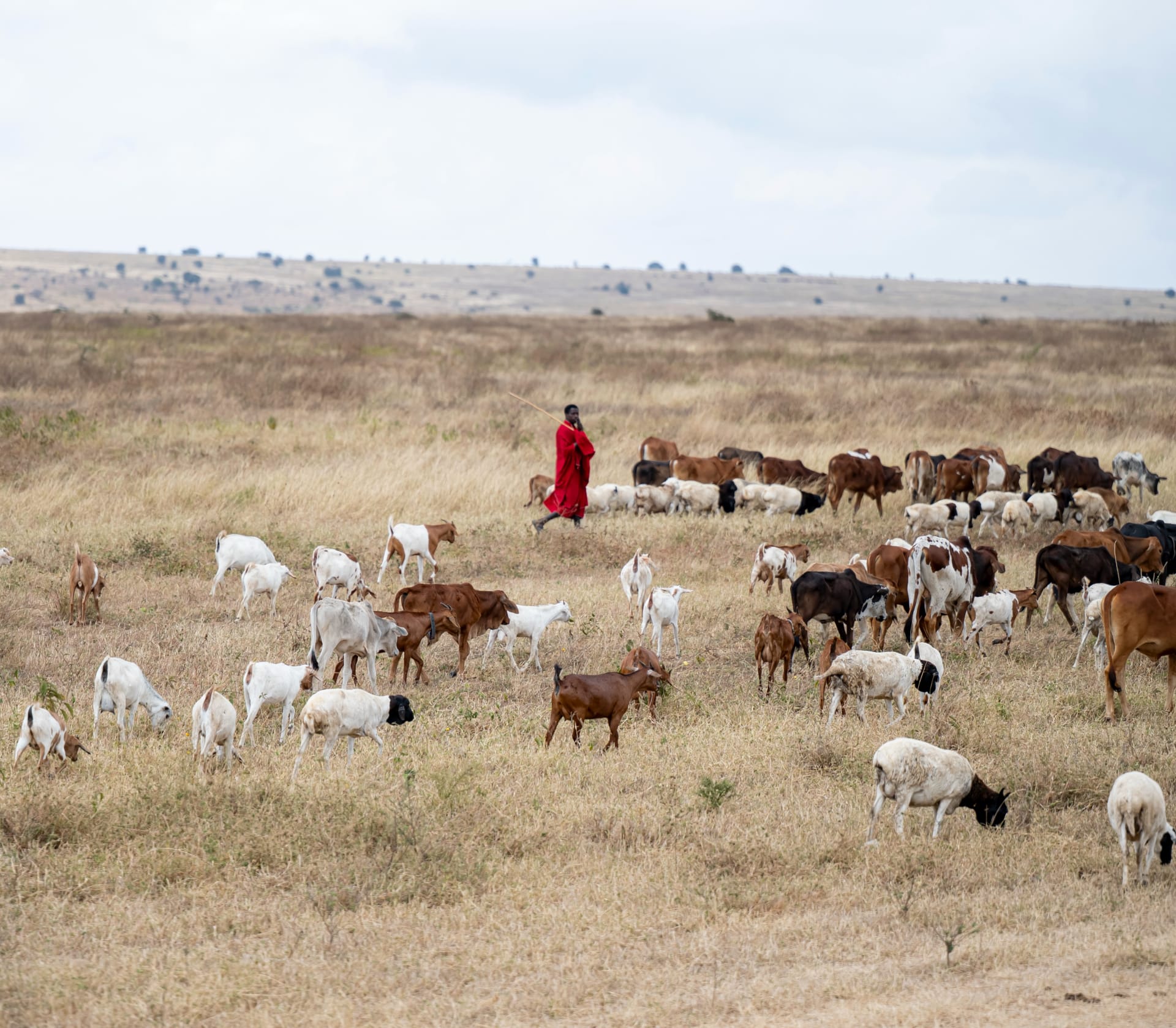
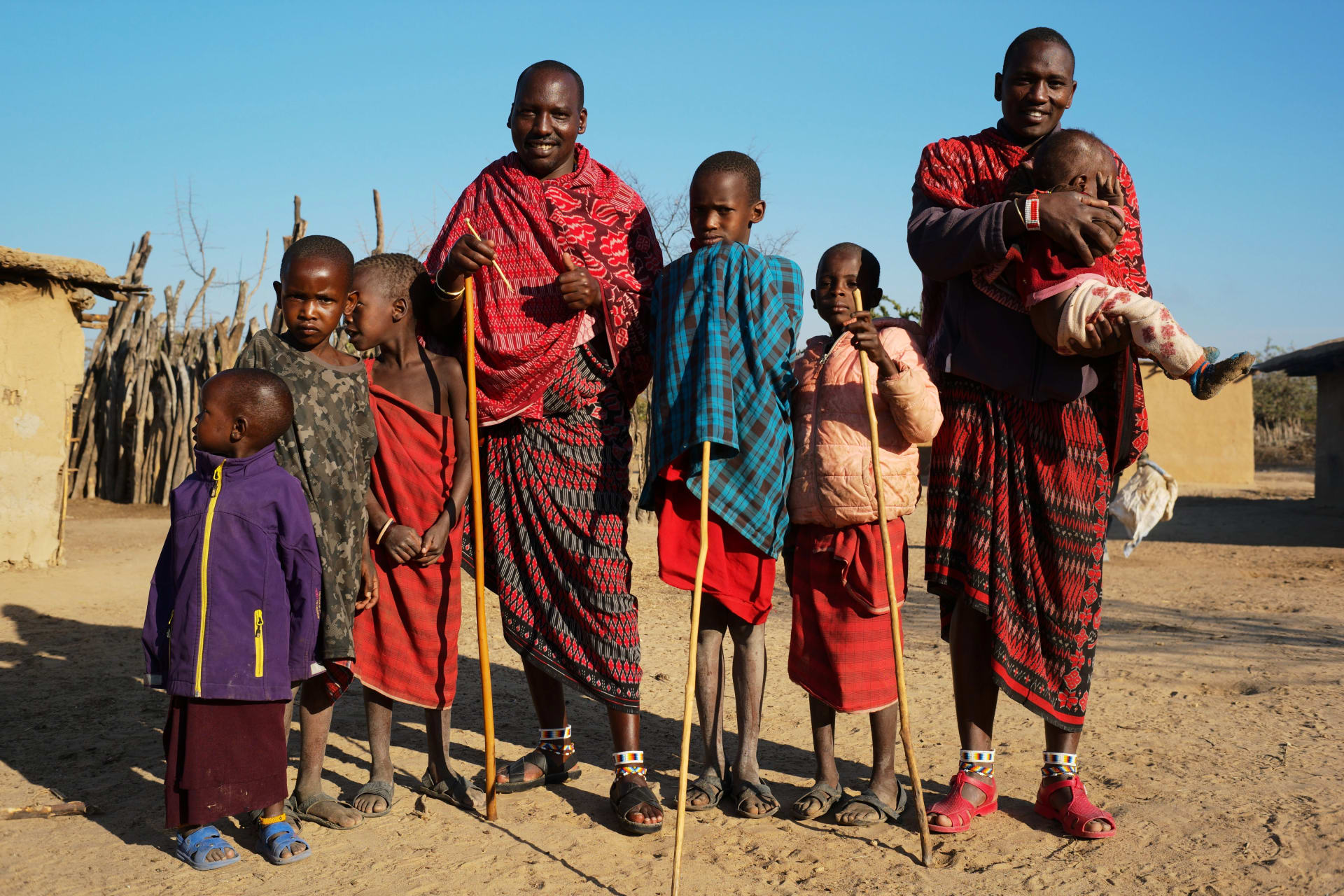
Children see how a family lives close to its animals. The homestead is a ring of houses with a thorn fence, and the herd is at the centre. They may see how houses are built from sticks and dung, how cattle are looked after, how beadwork is made and how fire is lit. Many children are curious about school, chores and games, and the hosts often welcome questions. A song or a jumping dance may be shared, and children are sometimes invited to join.
The visit shows a way of life that differs from their own, which is a good starting point for talking about land, animals and community.
What Ages Suit a Visit?
There is no strict age limit for a visit, but children between about six and sixteen often get the most out of it. Younger children can enjoy the animals, the songs and the colours, though they may tire quickly, and a short visit works better. Teenagers can ask serious questions and understand the context of land and livelihoods. For toddlers, consider whether heat, dust and flies will make the visit hard for them.
Read family safari in Tanzania: best parks, lodges and ages for children for age guidance across the whole trip.
How Do You Prepare Children Before the Visit?
A short conversation before the visit changes the tone. Explain that you are visiting people at home, not going to a show. Agree on three rules: listen when someone speaks, ask before taking a photo and do not ask for gifts or give sweets. Teach them one greeting in Swahili, such as "Jambo" or "Habari", which hosts appreciate. If the children are shy, let them watch for a while before they join in.
Bring water, hats and sunscreen, and shoes that can handle dust and cow dung. Carry hand sanitiser and tissues. These simple items make the visit more comfortable for the whole family.
What Is the Visit Like on the Ground?
Heat, dust and distance
Homesteads are in open country. The walk from the vehicle is short but dusty, and the sun is strong at midday. Choose a morning or late-afternoon visit if you can. Carry a bottle of water for each child.
Animals and flies
Cattle and goats are part of the visit, and with them come flies and smells. Children who are sensitive may need a little warning. Most adapt quickly.
Time and attention
A good visit lasts one to three hours. For young children, one to two hours is plenty. A visit that tries to cover everything wears them out.
How Do You Keep the Visit Respectful?
Follow the lead of the host. Dress modestly. Ask before taking photos of people or homes. Avoid giving money or sweets to children, because it encourages begging; if you want to support the community, buy crafts from the women who make them or ask your guide about a school project. Read how to visit the Maasai respectfully and where to experience genuine Maasai culture for more detail.
Which Family Itineraries Include a Visit?
The 8-day Tanzania family safari is built around a flexible pace and includes a Maasai visit. The 8-day Tanzania family safari tour is another option, and the shorter 5-day Lake Manyara and Maasai culture safari suits families with limited time. Read Tanzania family safari cost for budget advice.
When Should You Skip the Visit?
Skip it if children are ill, exhausted or very young and the day is already full. Skip a visit that is not arranged in advance, or that seems rushed or staged. And skip it if your family cannot accept the idea of visiting people at home, which is the basis of the encounter. There are other ways to meet local culture, such as a market, a cooking class or a farm visit, and we can arrange those.
How Do You Answer Children's Questions?
Children ask direct questions, and good hosts welcome them. Prepare a few answers in advance. Why do people live this way? Because herding suits the land and the climate, and because customs pass from parents to children. Why do the men wear red? It is a traditional colour, and its meaning varies by explanation. Do they go to school? Many do, and education is an important topic for families today. Why are houses made of dung? It is a practical material that keeps out rain and heat. If you do not know an answer, ask the guide together, so that children learn that questions are a good thing.
What If a Child Is Nervous or Upset?
Some children are shy, tired or uneasy around strangers, animals or smoke. Let them stay near you and watch. Do not push them to join dances or touch animals. Offer a break away from the group if they want. It is better to leave early than to force the visit. If a child is frightened by the unfamiliar, talk about it later, and show the photographs. Many children warm up quickly once they see other children and animals.
How Can the Experience Be Educational?
Link the visit to what the children have learned or will learn. Geography: the dry plains and the highlands. Science: how animals and people share the land. History: how communities adapt to change. Art: beadwork and clothing. Ask children to keep a journal or draw what they see, and encourage them to write down new words. After the visit, discuss what surprised them. A good guide will adapt the explanation to their ages, and we brief guides before the visit.
What Are Good Alternatives for Families Who Prefer a Different Cultural Experience?
If a village visit does not suit your family, other options include a cooking class with a local family, a market walk in Mto wa Mbu, a coffee farm visit near Kilimanjaro, a craft workshop or a school visit arranged through a community project. Each gives children a way to meet local people in an organised, friendly setting. Read family safari in Uganda for similar ideas across the region.
Who Will Enjoy the Visit Most?
Idéal pour
- Families with children aged six and above
- Teenagers curious about different ways of life
- Parents who want the safari to teach as well as entertain
Peut ne pas être idéal pour
- Families with toddlers on a day already full of driving
- Travellers who are uncomfortable with dust, flies and animals
What Should You Do Afterwards With Your Children?
Talk about the visit over dinner. Ask what each child remembered, what surprised them and what they would like to learn. Look at photographs together, and write down new words. If you bought a craft, explain who made it. Children who reflect on a visit usually keep the lessons for much longer than those who move straight on. It also helps them see the visit as a meeting between people, not a stop on a list.
Quelles erreurs les familles commettent-elles ?
- Scheduling the visit after a long drive. Tired children learn little.
- Handing out sweets. It sets a bad pattern.
- Taking photos without asking. Children copy their parents.
- Expecting a show. Prepare children for a conversation.
Frequently Asked Questions About Family Maasai Visits
Is it safe for children?
Yes, with adult supervision. Keep children close to the group and away from animals.
Can my children join in the dancing?
Often yes, if invited. It is a good moment, and photographs are welcome when the hosts agree.
How long should we stay?
One to two hours for younger children, longer for teenagers.
What should we wear?
Modest, comfortable clothes, closed shoes and a hat.
Should we bring gifts for the children in the village?
No. It is better to buy crafts or support a school through your guide, so that the benefit reaches the whole community.
Is it okay to take photos of my children with Maasai hosts?
Ask first. If the hosts agree, it can be a lovely memory.
Planifiez votre voyage ?
Tell us the ages of your children and the dates, and we will pace the day to suit them. Talk to Our Tour Specialist, or see the Tanzania destination page.