Uganda is one of the best birding countries in Africa, with more than a thousand species recorded in an area smaller than the United Kingdom. The best bird-watching spots in Uganda are Mabamba Swamp for the shoebill, Bwindi and Mgahinga for Albertine Rift specialists, Queen Elizabeth and Murchison Falls for savanna and water birds, Kibale and Bigodi for forest species, Semuliki for Central African birds and Lake Mburo for species of the dry bush. A good route links four or five of these in ten days.
This guide takes the regions in turn, with the birds each is known for, the best season and the practical advice that makes a birding trip comfortable.
Why Is Uganda So Rich in Birds?
The country sits where several habitats meet: the forests of Central Africa, the savannas of East Africa, the high mountains of the Albertine Rift, the wetlands of the Nile and Lake Victoria and the dry bush of the south-west. Each supports its own species. Uganda also has a well-developed network of guides, lodges and trails, and the distances between sites are short compared with other big birding countries. Many visitors see more than 300 species on a two-week trip.
Which Spot Is Best for the Shoebill?
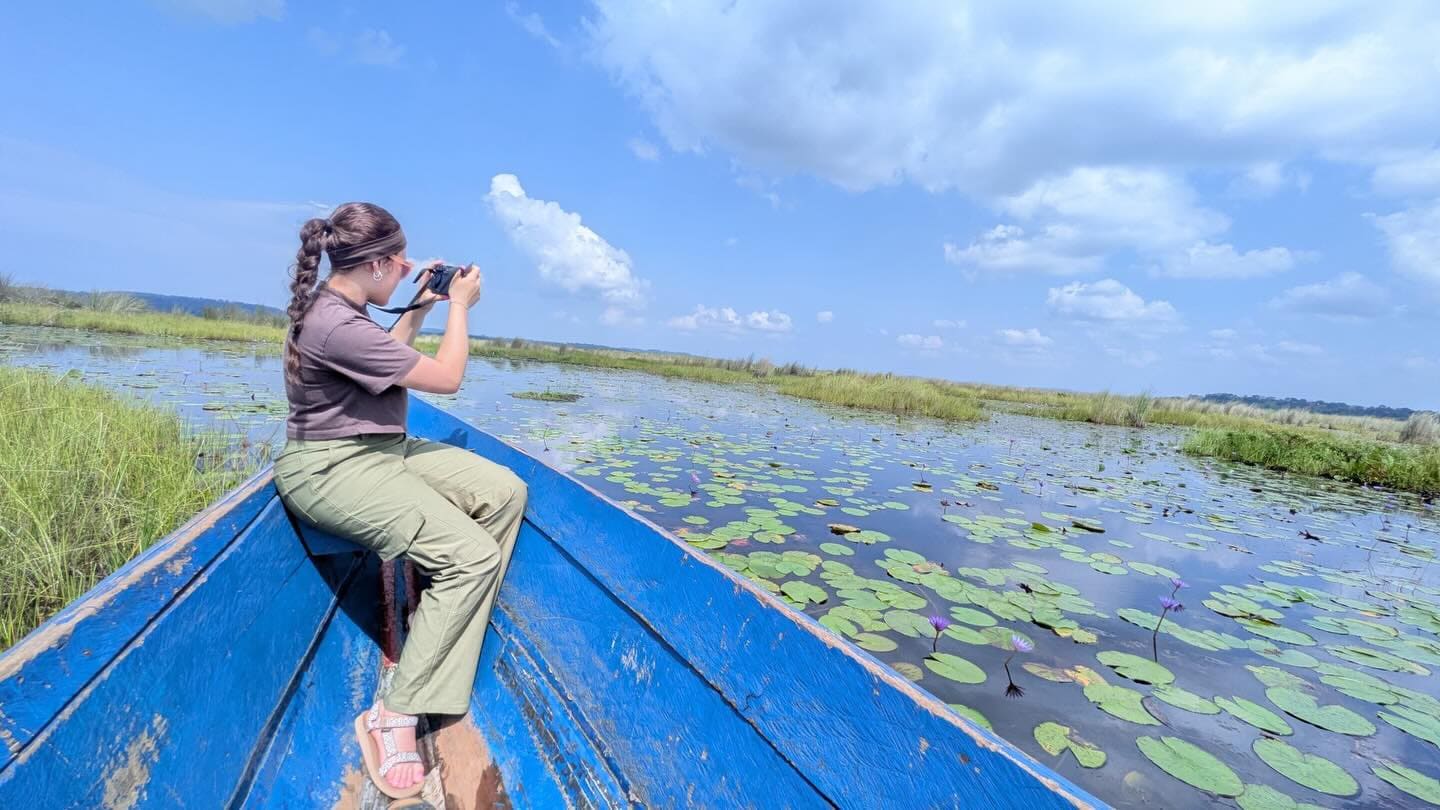
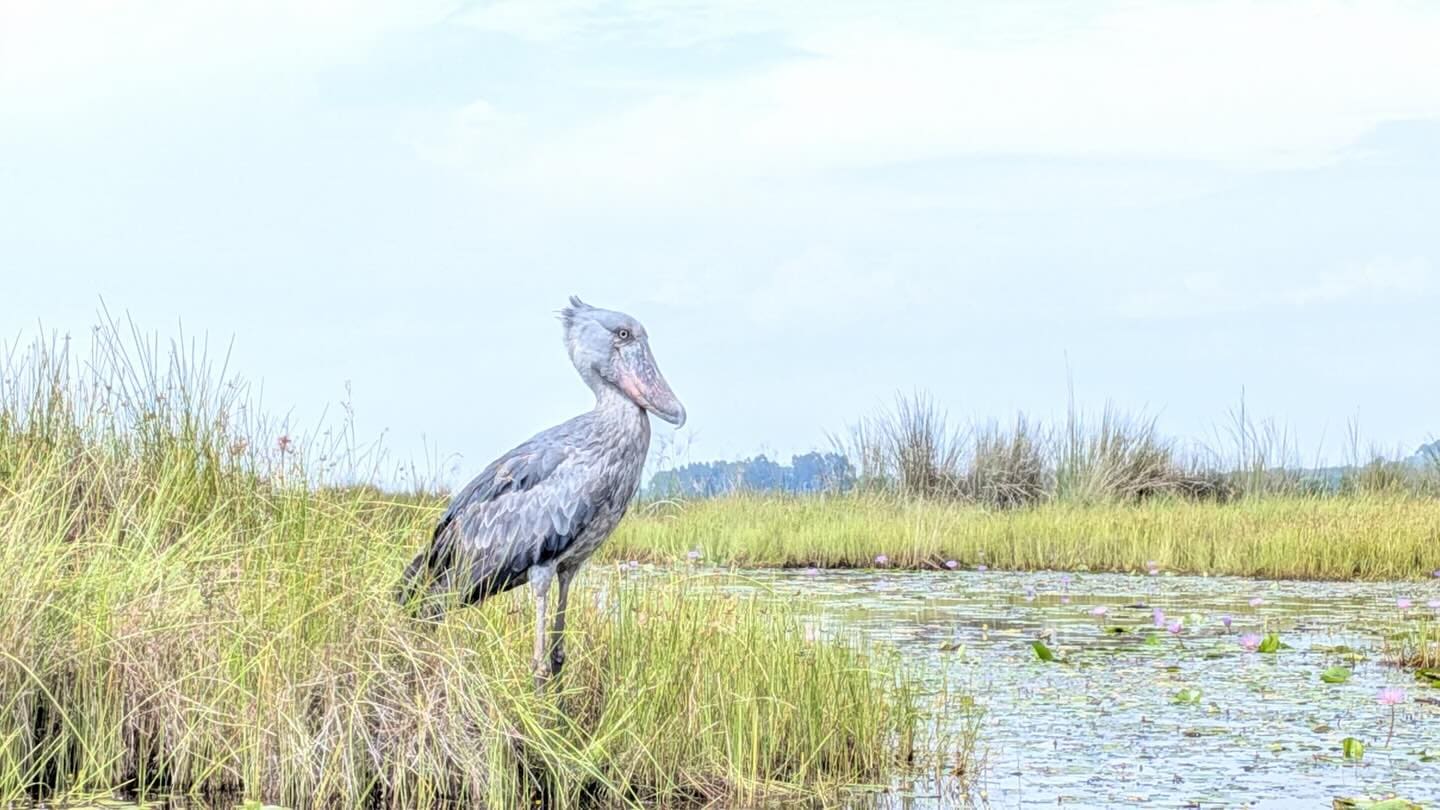
Mabamba Swamp, about an hour and a half from Entebbe, is the most reliable place in Uganda. You search from a canoe with a local guide, ideally at first light. Other birds include African jacanas, herons, kingfishers and the papyrus gonolek. Read can you see shoebills at Mabamba Swamp for the best time and booking tips. The 4-day Uganda shoebill safari builds a short trip around it.
Where Do You Find Albertine Rift Specialists?
The Albertine Rift runs along Uganda's western border and holds many species found nowhere else. Bwindi Impenetrable National Park is the best site, with dozens of Albertine Rift endemics in its forest, and Mgahinga on the Virunga volcanoes adds higher-altitude species. Birding here is done on forest trails, including the road to the gorilla sectors, with local guides who know where to look. Gorilla trekkers often add a day of birding. Read the best time to visit Bwindi for the seasons.
What About Queen Elizabeth and Murchison Falls?
Queen Elizabeth National Park has a list of more than 600 species, helped by its mix of savanna, crater lakes, wetlands and forest. The Kazinga Channel is a good place for waterbirds, and the park is a regular stop for migrants in the northern winter. Murchison Falls National Park adds Nile birds, and its boat trip to the falls often brings views of kingfishers, herons and other riverside species. Read the best things to do in Queen Elizabeth National Park for a complete plan.
Which Forest Sites Are Worth the Time?
Kibale and Bigodi Wetland
Kibale is famous for chimpanzees, but its forest and the nearby Bigodi Wetland Sanctuary are rewarding for birders. Walks led by community guides reveal turacos, hornbills and many small forest birds. Combine a chimpanzee morning with a wetland walk.
Semuliki
Semuliki National Park is an extension of the Congo Basin forest and holds species that are not found elsewhere in East Africa. It is a long drive from Kampala, so it suits a dedicated birding itinerary.
What Does Lake Mburo Offer?
Lake Mburo is a small, accessible park in the south-west. Its acacia woodland and lakes hold dry-country species that are not found in the forests, and boat trips and walks are possible. It is also a good place to see zebras and other plains animals. See the 5-day Uganda family safari at Lake Mburo.
When Is the Best Time for Birding in Uganda?
Birds can be seen all year. Many birders prefer the wetter months, roughly November to April, when migrants from the north join the residents, birds are in breeding plumage and the forest is lively. The drier months, June to September and December to February, make the roads and trails easier and are good for waterbirds. Read the best bird-watching spots in Tanzania to compare regions.
How Should You Plan a Birding Trip?
Plan around three or four regions, not all of them. Include at least one wetland, one forest and one savanna site. Hire a specialist guide, who adds far more than a driver can. Start early each day. Bring binoculars and a field guide or a bird app. Allow two nights in each region. A route with Mabamba, Kibale, Queen Elizabeth and Bwindi covers most habitats. See the 10-day Uganda birding safari, and the 12-day African birding expedition if you want to add South Africa.
Which Species Should You Look For in Each Region?
A list of targets makes each region more rewarding:
- Mabamba and Lake Victoria wetlands: shoebill, papyrus gonolek, African jacana, blue-breasted bee-eater in the surrounding trees.
- Bwindi and Mgahinga: African green broadbill, Albertine Rift endemics such as the Rwenzori turaco, several sunbirds and many forest species.
- Queen Elizabeth: pelicans, African skimmer on the channel in some seasons, collared pratincole and many raptors.
- Murchison Falls: Nile birds, rock pratincole, Abyssinian ground hornbill and the standard-winged nightjar in season.
- Kibale and Bigodi: great blue turaco, black-and-white-casqued hornbill and, in the right season, the green-breasted pitta.
- Lake Mburo: red-faced barbet, African finfoot and crested francolin.
Your guide will adjust the list to the season and recent sightings.
What Does a Ten-Day Birding Route Look Like?
A route that works well begins with a morning at Mabamba, followed by Murchison Falls and the Budongo Forest, then the drive to Kibale and Queen Elizabeth, and a final stretch in Bwindi. That sequence covers wetlands, savanna, Nile and forest in ten to twelve days, with a long drive between each pair of areas. Starting with Mabamba helps you see the shoebill early, and ending in Bwindi gives you the Albertine Rift endemics and the option of a gorilla trek. The 10-day Uganda birding safari follows this logic.
How Do You Make the Most of a Birding Day?
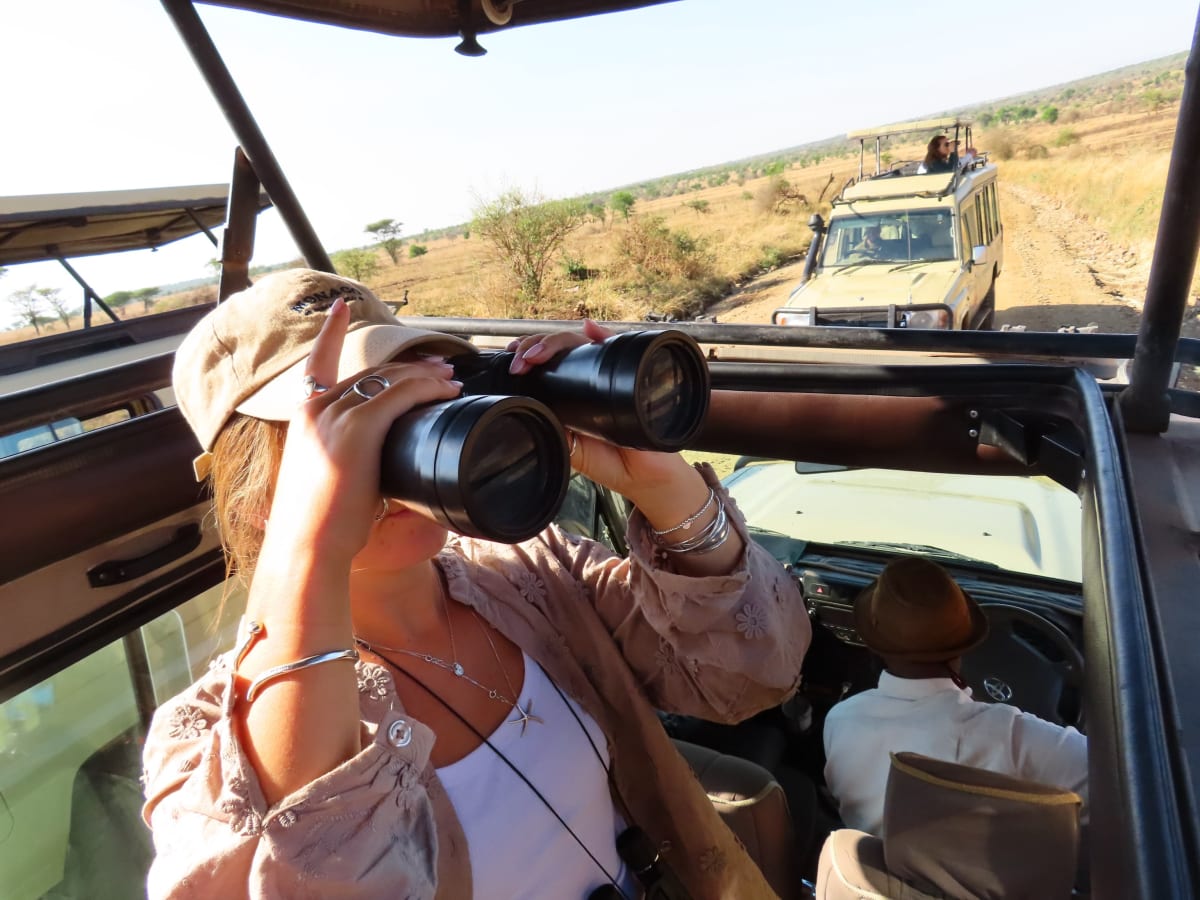
Start before dawn. Birds are most active in the first two hours of daylight, and the light is soft. Plan a long break in the heat of the day, and go out again in the late afternoon. Use a local guide, who learns calls and knows the sites. Walk slowly and listen as much as you look. Keep a daily list in a notebook or a bird app, and review it each evening with the guide. A day of five to seven hours of birding is plenty, and patience is the real skill.
What Are the Practical Challenges of Birding in Uganda?
Forest birding is physically demanding: trails are steep, muddy and humid, and the birds are often high in the canopy. A neck strain is common, so look up in short bursts. Roads between sites are long. Some of the best places have few facilities, so plan snacks and water. Rain can interrupt a morning, and waterproof gear matters. Malaria prevention and insect repellent are important. None of this spoils the trip, but it helps to know. Read Uganda safari tours from Entebbe Airport for distances.
Who Will Enjoy a Birding Trip Most?
Idéal pour
- Keen birders and photographers
- Travellers who like variety
- Gorilla trekkers adding a second interest
Peut ne pas être idéal pour
- Visitors who dislike early starts
- Those who expect large mammals every day
Quelles erreurs font les ornithologues?
- Trying to cover everything. Fewer sites with more time gives a better list.
- Skipping a local guide. Local knowledge finds the birds.
- Leaving at midday. The best hours are dawn and late afternoon.
- Ignoring the weather. Rain changes where birds feed.
Frequently Asked Questions About Uganda Birding
How many species can I see in a week?
A seasoned birder with a good route can see well over 200. Beginners will see fewer but enjoy it.
Do I need a spotting scope?
It helps for waterbirds. Binoculars are essential.
Is the shoebill guaranteed?
No. It is likely at Mabamba, especially early.
Can I combine birding with gorillas?
Yes. Bwindi is both a gorilla and a birding site.
Can I see the green-breasted pitta?
It is a seasonal highlight at Kibale for some visitors. Ask your guide about the best time and recent reports.
Can I combine birding with gorilla trekking?
Yes. Bwindi gives both, and many birders add a day of birding on the trails near the gorilla sectors.
Planifiez votre voyage ?
Tell us the birds you most want to see, and we will plan the route and the guides. Talk to Our Tour Specialist, or read the best places for birdwatching in Rwanda and Uganda.