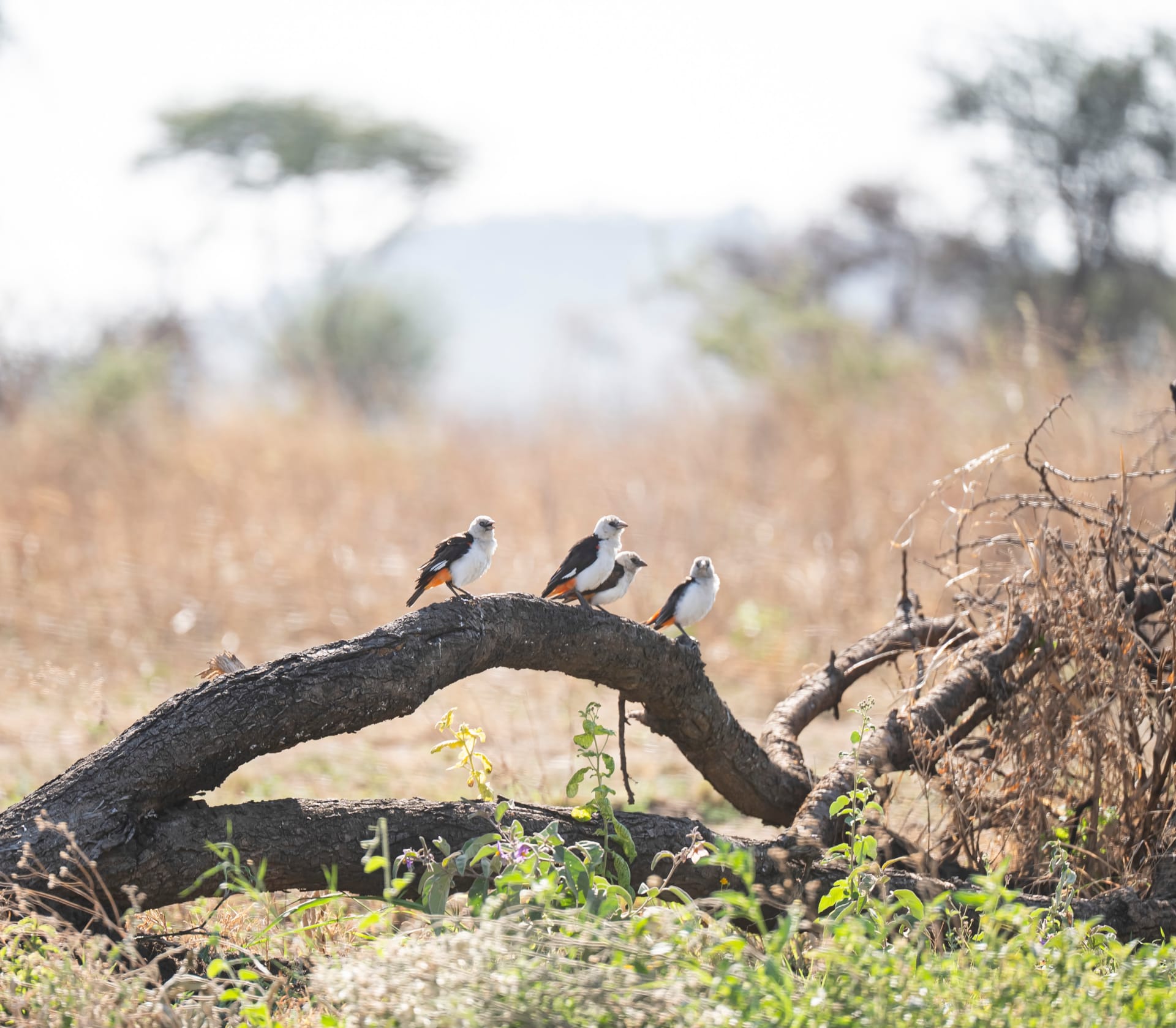
South Africa lists more than 850 species, and about a hundred are endemic or nearly so, which makes it a favourite with birders. The best bird-watching spots in South Africa fall into five areas: the Greater Kruger region for big birds and raptors, the Cape Peninsula and West Coast for seabirds and fynbos specialists, the Overberg for the blue crane, the Garden Route for forest birds and iSimangaliso for wetland birds. Good roads and a strong network of guides make birding easy to organise.
This guide takes each area in turn, with the species it is known for, the best season and how to combine birding with a safari or a holiday.
Why Is South Africa So Good for Birds?
The country has a range of habitats within a few hours of each other: savanna, bushveld, grassland, forests, fynbos, wetlands, desert and two coasts. The Cape floral region supports specialised birds that live nowhere else. Summer brings migrants from Europe and Asia. Infrastructure is developed, with good roads, accommodation and trained guides. A first-time visitor can see many species on an ordinary holiday.
What Can You See in Kruger and Sabi Sands?
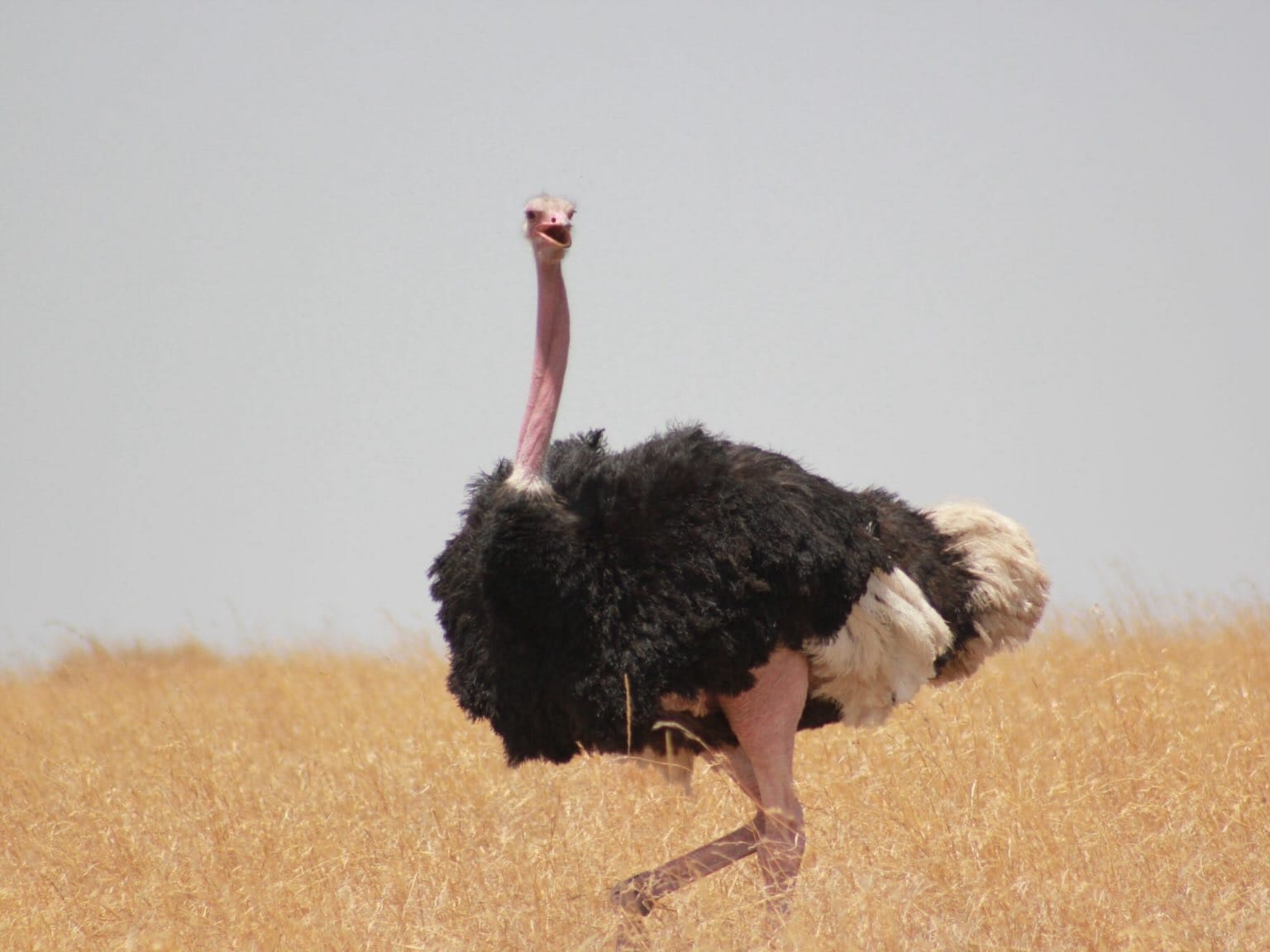
The lowveld is rich in birds of the savanna. Large birds such as the ground hornbill, the kori bustard and the secretarybird are regular sights, and raptors, including the martial eagle and several vultures, are common. Colourful species such as lilac-breasted rollers, bee-eaters and hoopoes add variety. The wet summer months, November to March, bring migrants and breeding birds. Read the best time to visit Sabi Sands for the seasonal picture.
Which Birds Live Around Cape Town and the West Coast?
La péninsule du Cap combine oiseaux marins, pingouins et spécialistes du fynbos. Les pingouins africains vivent à Boulders Beach près de Simon's Town, et les gannets du Cap et les cormorans nichent le long de la côte. Dans les jardins botaniques de Kirstenbosch et dans le fynbos, vous pourrez voir le sucre-duc du Cap et le soleil à poitrine orange. Plus au nord, le parc national West Coast et la lagune de Langebaan sont importants pour les oiseaux d'eau et les oiseaux migrateurs en été, et pour les fleurs de printemps en août et septembre. Lisez pouvez‑vous combiner une visite de la ville de Cape Town avec un safari pour planifier.
Qu'en est‑il de l'Overberg et de la Garden Route ?
L'Overberg
Les terres agricoles et les zones humides de l'Overberg abritent la grue bleue, l'oiseau national d'Afrique du Sud, ainsi que de grands rapaces et des espèces d'eau douce. La réserve naturelle De Hoop offre l'observation d'oiseaux côtiers et d'eau douce, avec des baleines en mer pendant la saison.
La Garden Route
Entre Mossel Bay et Tsitsikamma, les forêts, les lagunes et les estuaires abritent des espèces telles que le turaco de Knysna, ainsi que des martinets et des oiseaux solaires. La côte est idéale pour les promenades. Découvrez l'aventure de 5 jours sur la Garden Route.
Pourquoi visiter iSimangaliso et Mkhuze ?
Les zones humides du KwaZulu-Natal figurent parmi les meilleures du pays. L'estuaire, les lacs et les forêts d'iSimangaliso abritent des aigles à bec, des hérons, des pélicans, des martinets et, à certaines saisons, des flamants roses. La région de Mkhuze, au nord, est connue des ornithologues pour ses refuges d'eau douce et pour ses espèces rares. Lisez les meilleures choses à faire dans le parc des zones humides d'iSimangaliso pour le voyage plus large.
Quand est le meilleur moment pour l'ornithologie en Afrique du Sud ?
Cela dépend de la région. Dans le lowveld et le KwaZulu-Natal, l'été, de novembre à mars, est le meilleur moment car les migrants arrivent et les populations locales se reproduisent. Dans le Cap occidental, le printemps et l'été sont les meilleurs pour la côte et les fleurs, et l'hiver est plus humide et plus frais. La Garden Route est bonne toute l'année. Choisissez la saison qui correspond à vos priorités et soyez prêt pour la chaleur en été dans le nord.
Comment planifier un voyage d'ornithologie ?
A route that works well for two weeks is Johannesburg, Kruger or a private reserve, Durban and iSimangaliso, then a flight to Cape Town and the West Coast or Overberg. A shorter trip picks two regions. Hire a specialist guide for at least part of the trip. Start early, and give each region two or three nights. The 8-day South Africa birding safari and the 12-day African birding expedition follow this idea.
Who Will Enjoy Birding in South Africa Most?
Idéal pour
- Keen birders who want endemics
- Safari travellers who also enjoy birds
- Photographers
Peut ne pas être idéal pour
- Visitors who want only mammals
- Travellers with only a few days
Which Species Should You Look For in Each Region?
A short list helps you set targets:
- Greater Kruger: ground hornbill, martial eagle, lappet-faced vulture, lilac-breasted roller, saddle-billed stork.
- Cape Peninsula and Kirstenbosch: African penguin, Cape sugarbird, orange-breasted sunbird, Cape gannet.
- West Coast: migrating waders, flamingos on the lagoon and fynbos birds.
- Overberg: blue crane, Denham's bustard and raptors over farmland.
- Garden Route: Knysna turaco, forest and estuary birds.
- iSimangaliso and Mkhuze: fish eagle, pelicans and wetland species.
Your guide will adjust the list to the season and recent sightings.
What Does a Ten-Day Birding Route Look Like?
A route that works well begins in Johannesburg and heads to the Kruger region for three nights of reserve birding. It then flies to Durban for two nights at iSimangaliso, continues to Cape Town for a Peninsula and West Coast day, and ends with a day in the Overberg or on the Garden Route. This mix of savanna, wetland, fynbos and forest gives a long list with few long drives. The 8-day South Africa birding safari covers a shorter version of this idea.
Do Hides and Night Drives Help?
Yes. Hides at waterholes and wetlands let you watch birds without disturbing them, and the light is good in the early morning and late afternoon. Night drives in private reserves reveal owls, nightjars and small mammals. Walking with a guide gives you time with smaller birds that you miss from a vehicle. Ask your lodge about the options, and carry a torch with a red filter if you plan to go out at night, since white light can disturb the animals.
Comment observer les oiseaux de façon responsable ?
Good birding manners protect both the birds and the sites. Keep your distance from nests and roosts, and never play recorded calls repeatedly to draw a bird out, which stresses it, especially in the breeding season. Stay on paths and in hides, and keep your voice low. Do not feed wild birds. On the coast, keep well back from penguin colonies and stay on the boardwalks. In private reserves, follow your guide's instructions and remain seated in the vehicle. Report unusual sightings to your guide, who often shares them with local birding groups. These simple habits keep the best places open and the birds relaxed.
What Kit Is Worth Bringing?
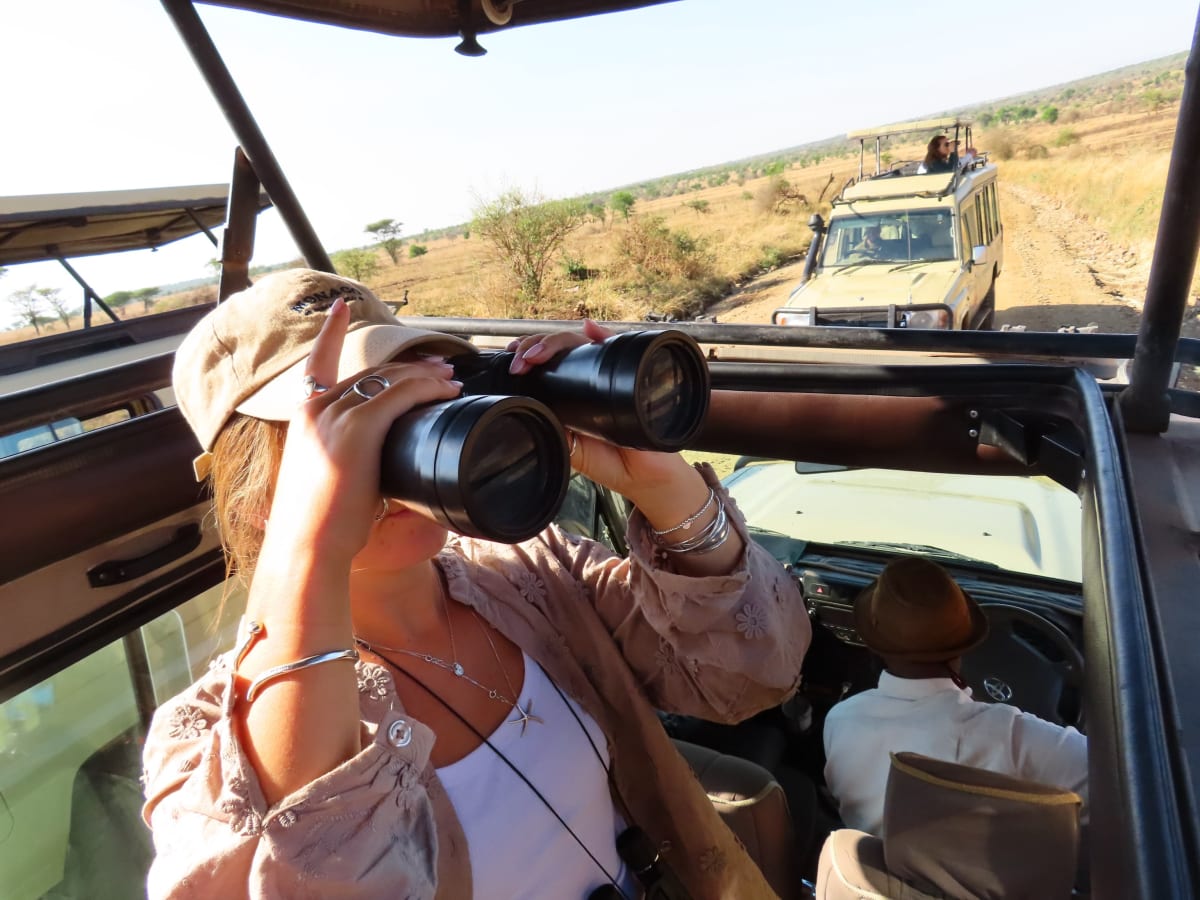
Good binoculars matter most; an 8 by 42 pair suits most people. A field guide to southern African birds or a bird app downloaded before you travel helps with identification, since signal can be weak in reserves. A notebook or an app list lets you tick off species. A lightweight scope is useful at wetlands and on the coast, and a camera with a zoom lens lets you record what you see. Neutral clothing, a hat and sun protection complete the kit. Early mornings can be cold, so pack a warm layer.
Can You Combine Birding With Family or Non-Birding Travellers?
Yes. Choose regions that also offer other attractions: Cape Town for the city, Kruger for the Big Five and the Garden Route for scenery. Plan birding in the early morning and give the rest of the day to shared activities. A guide can adapt the pace, so that non-birders enjoy the outing too, and children often enjoy a simple bird-spotting game. A balanced plan keeps everyone happy.
Quelles erreurs font les ornithologues?
- Packing too many regions into one trip. Distances are large.
- Ignoring the season. Migrants are seasonal.
- Skipping a local guide. Guides find the specials.
- Forgetting layers. Early mornings can be cold.
Frequently Asked Questions About Birding in South Africa
How many species can I see in a week?
With a good route, a keen birder can see 200 or more.
Is it safe to bird in reserves?
Yes, with a guide and the rules of each reserve.
Ai-je besoin d'un 4x4 ?
For reserves, a guided 4x4 vehicle is best. Cities and the coast are easy by road.
Which season is best for the Cape?
Spring and summer for flowers, migrants and mild weather.
Can I do birding on a regular Big Five safari?
Yes. Ask your guide to stop for birds, and use the middle of the day for hides and walks.
Is the Cape good in winter for birds?
It is wetter and cooler, but seabirds, penguins and waders are present, and fewer visitors make it quiet.
Planifiez votre voyage ?
Tell us the birds you most want to see and your dates, and we will build the route and the guides. Talk to Our Tour Specialist, or see the South Africa destination page.