The best national parks in Tanzania for most first-time visitors are the Serengeti, the Ngorongoro Conservation Area, Tarangire and Lake Manyara, which form the northern circuit. Beyond them, Arusha and Kilimanjaro offer walking and climbing, and the southern and western parks, such as Nyerere, Ruaha, Katavi and Mahale, suit travellers who want remote, quiet safaris. Tanzania protects about a third of its land in parks and reserves, and each has a different character.
This guide describes the main parks, what each does best and how to combine them.
Serengeti National Park: Best for the Great Migration
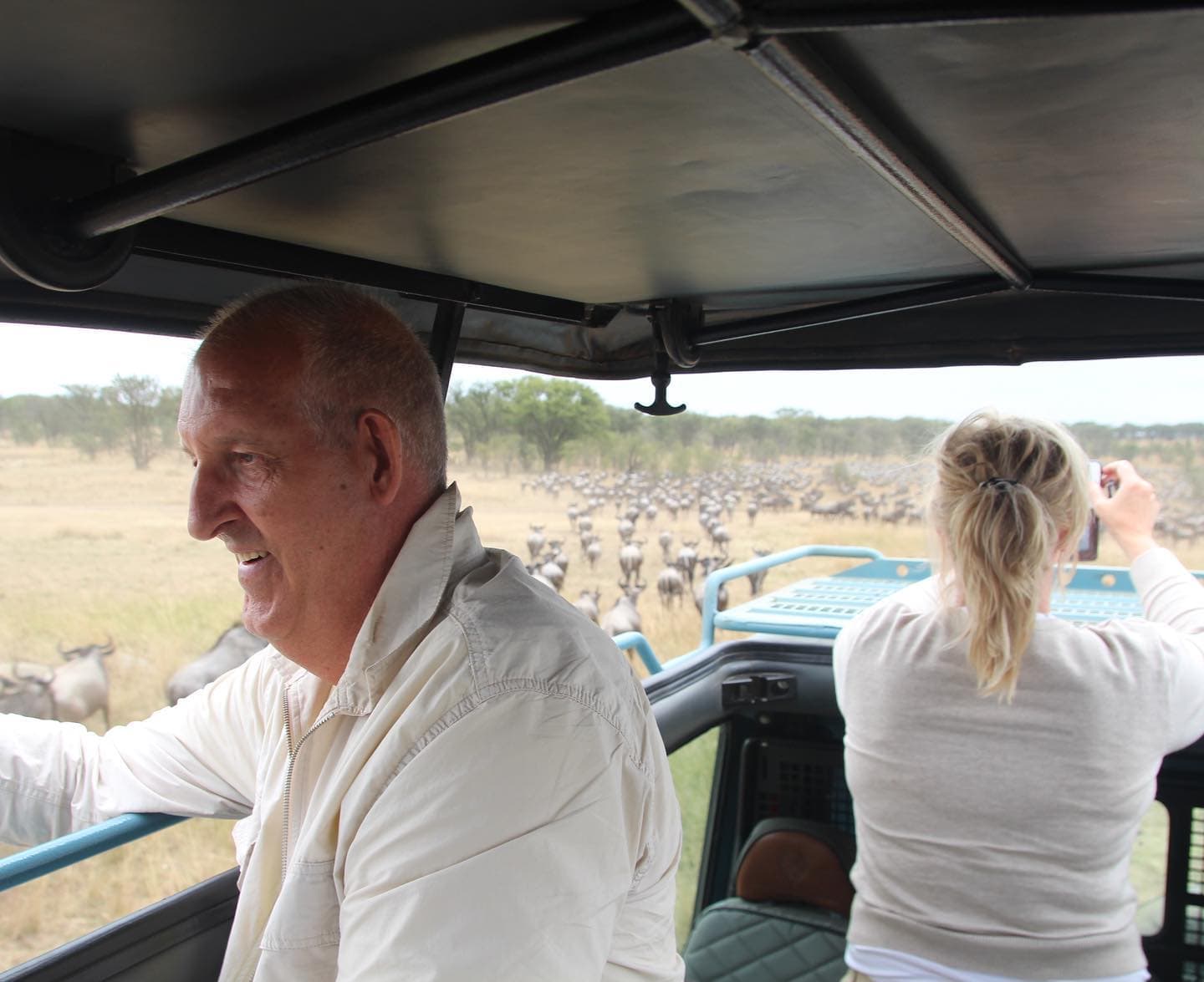
The Serengeti is Tanzania's most famous park, with wide plains, rocky kopjes and the annual movement of over a million wildebeest and hundreds of thousands of zebras. Lions, leopards, cheetahs and elephants live there year-round. The herds move through different regions through the year, so the best area depends on the month. Read the Serengeti safari guide and the Great Migration month by month.
Ngorongoro Conservation Area: Best for Concentrated Wildlife
The Ngorongoro Crater is a volcanic caldera with a floor of grassland, forest and lakes, home to lions, buffalo, elephants, hippos and a small population of black rhinos. The surrounding highlands are home to Maasai pastoralists, and the area is managed for both people and wildlife. A full day in the crater is among the most reliable game drives in Africa. Read Serengeti vs Ngorongoro.
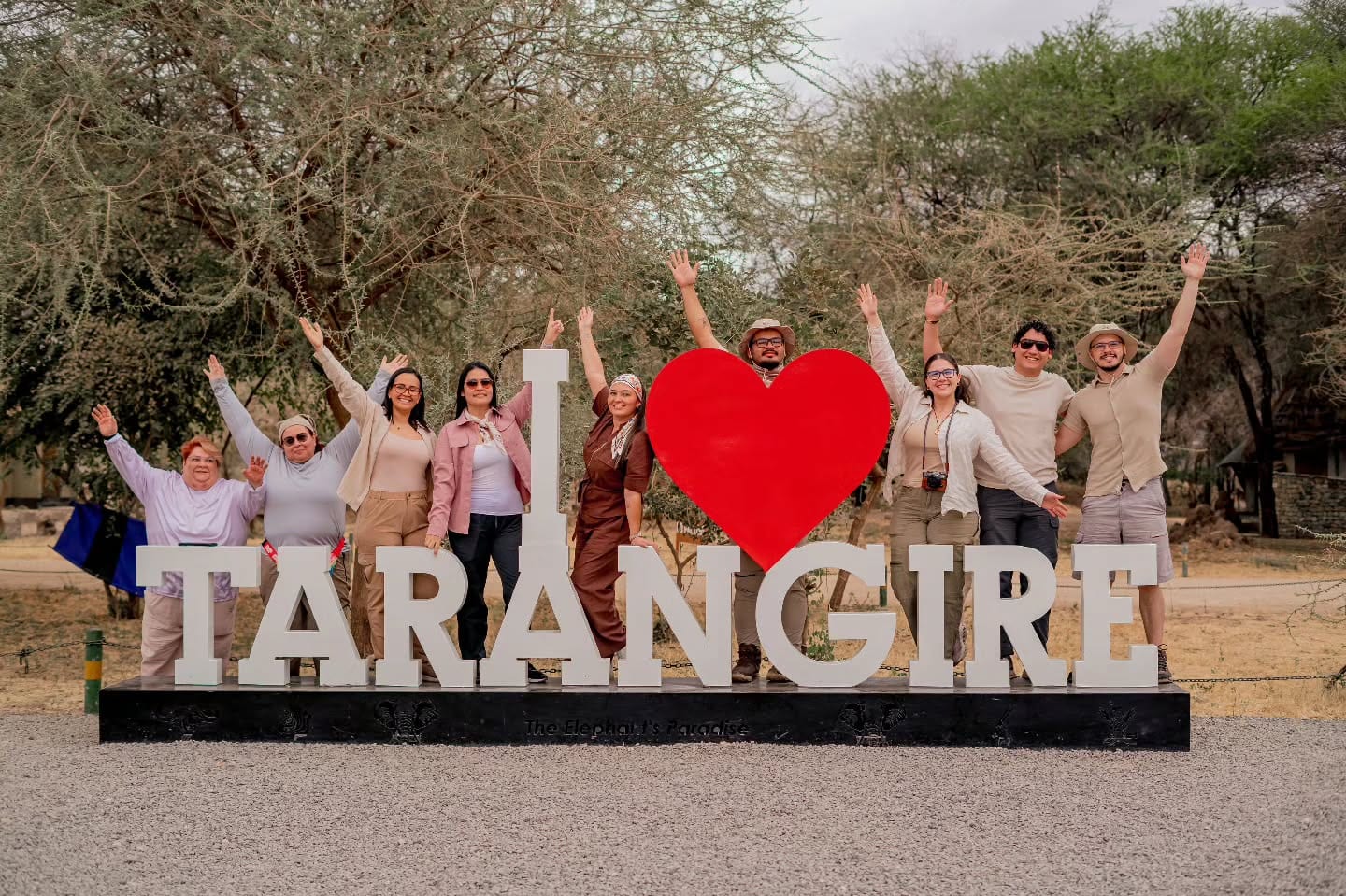
Tarangire National Park: Best for Elephants and Baobabs
Tarangire is famous for large elephant herds, ancient baobab trees and a seasonal river that draws animals in the dry months, from June to October. It is also good for birds. It is close to Arusha, so it works as the first stop. See the 8-day Tanzania safari.
Lake Manyara National Park: Best for Variety in a Small Area
Manyara is compact and varied, with a groundwater forest, an alkaline lake and the Rift Valley escarpment. Flamingos and other waterbirds gather on the lake in some seasons, and elephants, giraffes and baboons live in the forest. It suits a half-day or a short stop. See the 5-day Lake Manyara and Maasai culture safari.

Arusha National Park and Kilimanjaro: Best for Walking
Arusha National Park, close to the city, has Mount Meru, crater lakes and forest with colobus monkeys, and it allows walking safaris. Mount Kilimanjaro National Park offers the climb to Africa's highest peak, as well as shorter hikes. Read the best route to climb Kilimanjaro, and see the 12-day Kilimanjaro hike and Tanzania wildlife safari.
The South and West: Best for Quiet, Remote Safaris
Nyerere National Park (formerly Selous) in the south offers boat safaris and walking. Ruaha, further inland, is wild and rich in predators and elephants. Katavi and Mahale in the west are remote, with Mahale known for chimpanzees on Lake Tanganyika. These parks cost more to reach, since flights are usually needed, and they reward travellers with fewer vehicles and a sense of wilderness.
How Do You Choose Between the Parks?
For a first trip of five to eight days, the northern circuit gives the best mix. A common plan is Tarangire, Ngorongoro and the Serengeti, with Lake Manyara added if you have time. For a second trip, add the south or west for a quieter experience. Walking and climbing fit with Arusha and Kilimanjaro. Read where to see the Big Five in Tanzania for the animals.
Quand est le meilleur moment pour visiter ?
The dry months, June to October and January to February, are the easiest for wildlife viewing. The rains, March to May and November, bring green scenery and fewer visitors, and some camps close. The Great Migration moves through the year, so choose the Serengeti area to match the month. See what to check before booking a Tanzania safari.
Quel parc convient à quel type de voyageur ?
Idéal pour
- First-time visitors: the northern circuit
- Photographers: the Serengeti and the crater
- Walkers and climbers: Arusha and Kilimanjaro
Peut ne pas être idéal pour
- Travellers with only three days, who should choose Tarangire or Manyara with Ngorongoro
How Do Tanzania's Park Fees Work?
Tanzania charges park entry and conservation fees per person per day, plus a vehicle fee and a separate charge for camping or lodging inside the park. The Serengeti and the Ngorongoro Crater are among the highest in Africa, which is why a Tanzania safari often costs more than visitors expect. The fees are fixed by the authorities and are the same for every operator, so two quotes with a big price gap usually differ in lodging, vehicle quality or what is left out. Fees change each year, so we confirm them in your quote.
What Kinds of Accommodation Do the Parks Offer?
Choices range from public campsites to luxury tented camps. Mid-range eco-lodges and permanent tented camps offer comfortable beds, good food and a good location. Luxury camps are small, private and set in prime positions. Mobile camps follow the Great Migration through the year and give you the closest position to the herds. Lodges outside the park boundary save money but add driving time. Ask where each property is in relation to the game-viewing area, not just what the room looks like.
What Does a Seven-Day Northern Circuit Look Like?
A classic route runs as follows:
- Day one. Arrive in Arusha and rest.
- Day two. Tarangire National Park for elephants and baobabs.
- Day three. Lake Manyara or a cultural visit, then on to Karatu.
- Day four. Ngorongoro Crater for a full-day game drive.
- Days five and six. The Serengeti, with two full days of game drives.
- Day seven. Return to Arusha or fly out.
The 7-day Tanzania Great Migration safari and the 11-day Tanzania Big Five safari follow this logic, with more time in each place on the longer trip.
How Do You Add Culture or a Climb?
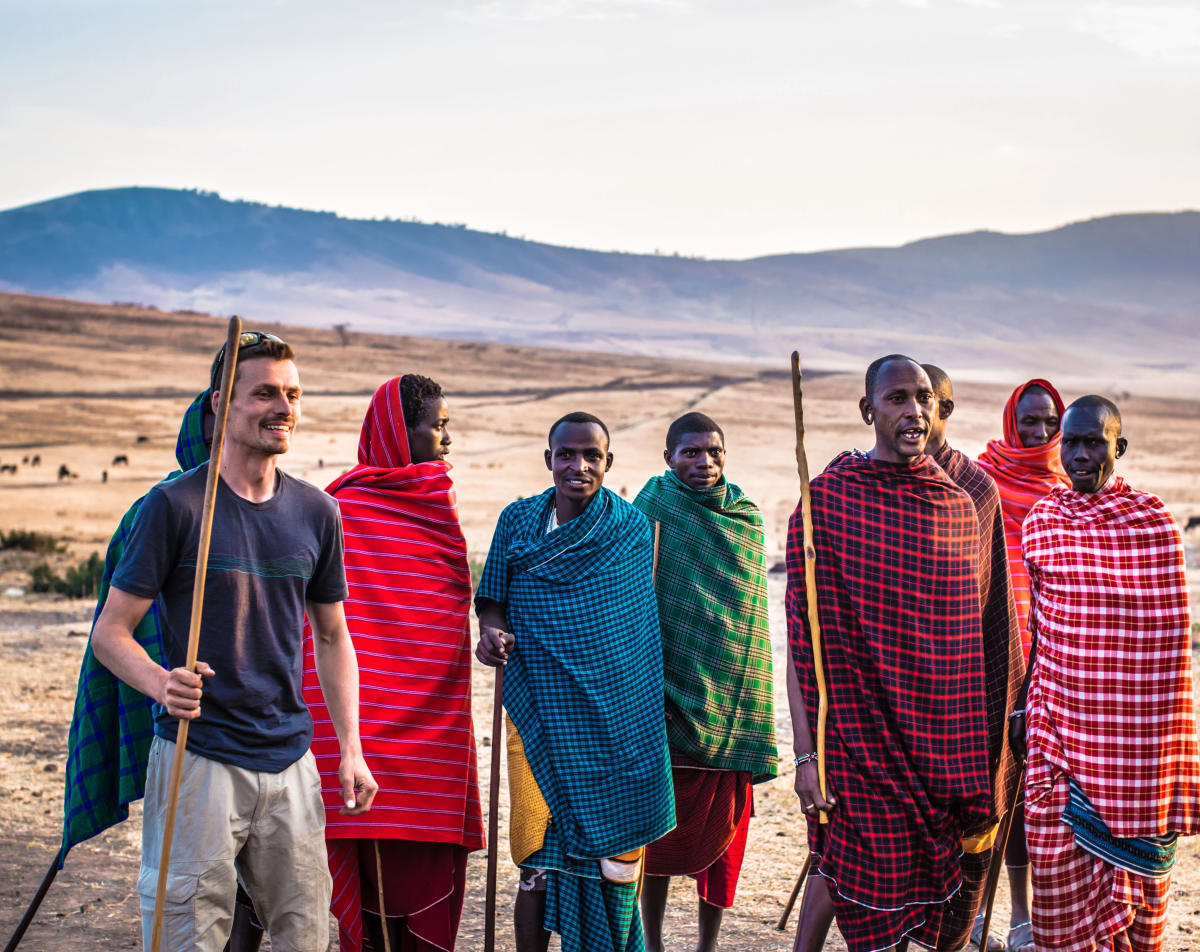
The northern circuit pairs well with people and mountains. A Maasai visit near Ngorongoro or Lake Manyara adds context. A Hadzabe morning at Lake Eyasi adds a different story. Mount Kilimanjaro can be climbed before or after the safari. Read which Tanzania safari includes a Maasai village visit and when to climb Mount Kilimanjaro to plan.
What Should You Know About Entry and Health?
Most visitors apply for a visa online before they travel. Carry your yellow fever certificate if you are arriving from, or have transited through, a country with risk of the disease, and speak to a doctor about malaria prevention and other vaccinations. Plastic bags are banned in Tanzania, including in the parks, so pack in cloth or paper bags. Drones are restricted and need permission. The weather in the highlands can be cold, and the plains are hot, so pack layers. Light aircraft between parks have a baggage limit of about 15 kilograms in a soft bag.
Read the visa guide, and what to pack for a Tanzania safari. We offer free visa application consultancy with every trip.
Where Can You See Chimpanzees in Tanzania?
Tanzania has two chimpanzee parks, both in the west on Lake Tanganyika. Gombe Stream National Park, made famous by Jane Goodall's research, is small and reached by boat. Mahale Mountains National Park is larger and remote, with chimpanzees and a lake beach. Both need flights and boat transfers, and they suit travellers who want a quiet, special trip beyond the northern circuit. Plan three to four days, and book early. For a more accessible primate experience, Uganda and Rwanda offer chimpanzees closer to their entry points.
What About Coastal and Island Parks?
Zanzibar has Jozani Forest, home to the red colobus monkey, and marine areas for snorkelling. The mainland coast has Saadani National Park, where the savanna meets the beach, reachable from Dar es Salaam. These places mix wildlife and sea and suit travellers who want a gentler pace. Read the best time to visit Zanzibar for the island, and ask us about Saadani if you want a short trip.
Quelles erreurs les voyageurs commettent-ils ?
- Underestimating distances. Parks are far apart.
- Skipping Ngorongoro. It is reliable.
- Choosing the wrong Serengeti area. Match it to the month.
- Ignoring fees. Park fees are high and fixed.
Frequently Asked Questions About Tanzania's Parks
Which park is best for the Big Five?
The Serengeti and Ngorongoro offer all five, with sightings that depend on luck.
Combien de jours me faut-il ?
Five to eight days for the northern circuit.
Are the southern parks worth it?
Yes, for a quieter safari.
Can I combine parks with Zanzibar?
Yes. See the best time to visit Zanzibar.
Do I need to book the lodges before the parks?
Book them together. The best camps sell out up to a year ahead for July to October, and we match dates and lodges for you.
Is a private vehicle worth it?
If you want to set your own schedule and stay longer at a sighting, yes. A shared vehicle costs less but follows a fixed timetable.
Planifiez votre voyage ?
Tell us your days and what you want to see, and we will choose the parks. Talk to Our Tour Specialist, or see the Tanzania destination page.