The best time to visit Ziwa Rhino Sanctuary is during the dry months of December to February and June to September, in the early morning or the late afternoon. The rhinos can be found in any month, because they live in a fenced sanctuary and the rangers track them daily, so the real choice is about comfort: heat, mud and the time of day. A walk at the cooler hours is easier on you and on the animals.
This guide covers the seasons, the daily rhythm and the practical points that decide whether the visit is easy or rushed.
Can You Visit Ziwa All Year?
Yes. The sanctuary is open every day of the year, and the walks go ahead in all seasons. Rangers know where the rhinos are because they follow them daily, and the animals stay inside the fenced area. Unlike a national park, where animals move across a huge landscape and sightings change with the season, a sanctuary visit is dependable. The weather is the main variable.
What Is the Weather Like Near Ziwa?
Ziwa is in central Uganda, north of Kampala, in warm savanna country. Days are hot, especially from January to March, and nights are mild. The rains arrive in two seasons: the long rains from March to May and the shorter rains from September to November. Storms are often short and heavy, with sunshine afterwards. The driest months are December to February and June to August.
Which Months Are Best?
December to February and June to August
These months are the most comfortable for walking. The ground is firm, the grass is lower, and the roads on the way to Murchison Falls are in good condition. It is also when most safari traffic uses the road, so the sanctuary is busier, and we suggest booking ahead.
March to May and September to November
The rains turn the landscape green and the bush thick. Paths can be muddy, and the walk takes a little longer. You still see the rhinos, usually in the open grazing areas, and the sanctuary is quiet. Bring waterproof shoes and a light rain jacket, and allow an extra hour for the drive.
Is the Morning or the Afternoon Better?
Rhinos rest in shade during the heat of the day, and they are most active in the early morning and the late afternoon. For the rangers, the search is easiest when the rhinos are grazing, and for you, the walk is more pleasant before the sun gets high. Many visitors choose a morning walk, then continue north, reaching Murchison Falls in the afternoon. The late-afternoon walk suits travellers coming from the north.
Midday visits are possible, and the rhinos can still be found, but the shade and the heat make the experience less comfortable. If you cannot avoid midday, wear a hat, drink water and expect a slower walk.
How Does Ziwa Fit With Murchison Falls?
Ziwa lies on the road between Kampala and Murchison Falls, so it is easy to place at the start or end of a northern safari. If you drive up in the morning, leave Entebbe by 6:30 or 7:00 am to reach Ziwa for a late-morning walk. If you drive down, stop at Ziwa as you leave the park, in the early afternoon or late afternoon. Read the best Uganda safari tours including Ziwa Rhino Sanctuary and Murchison Falls for route choices, and can you see rhinos in Uganda for the background.
What Should You Bring and Wear?
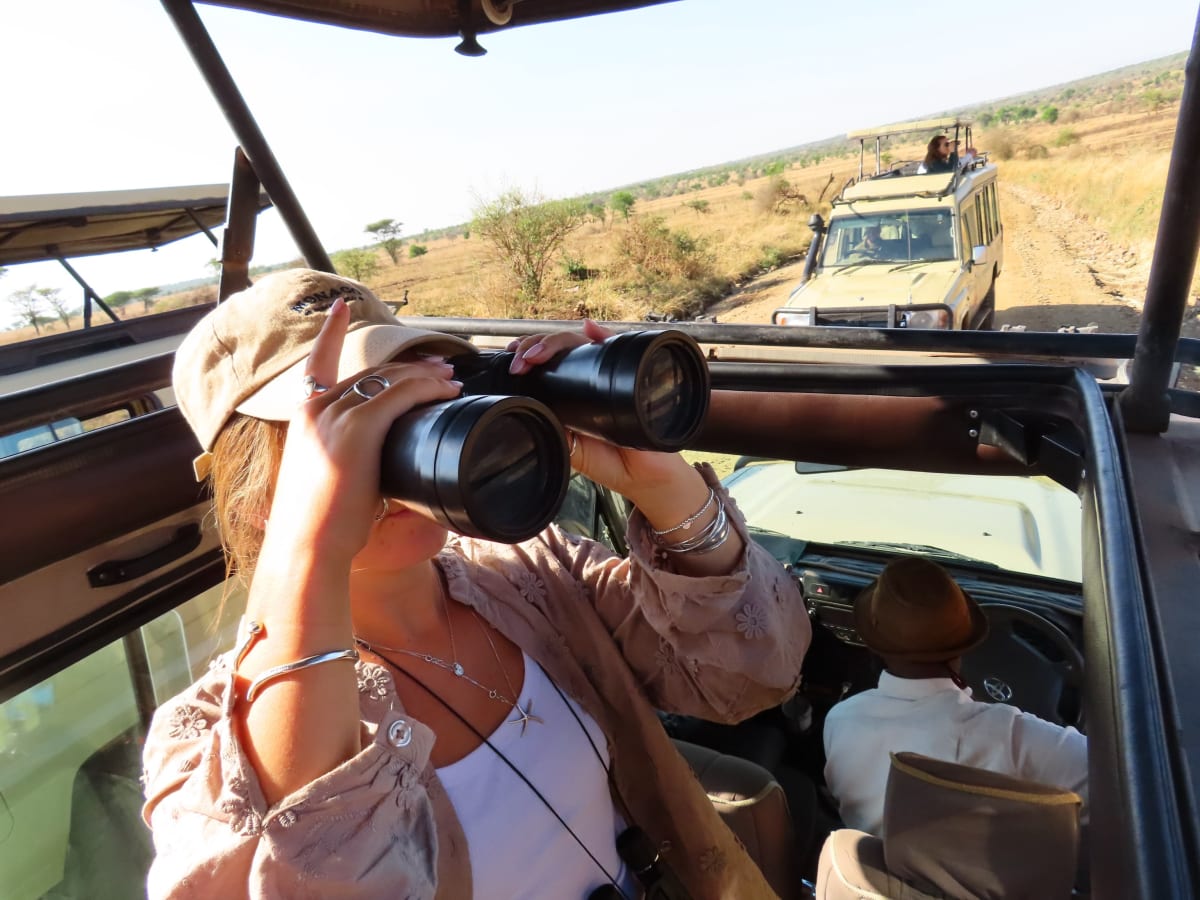
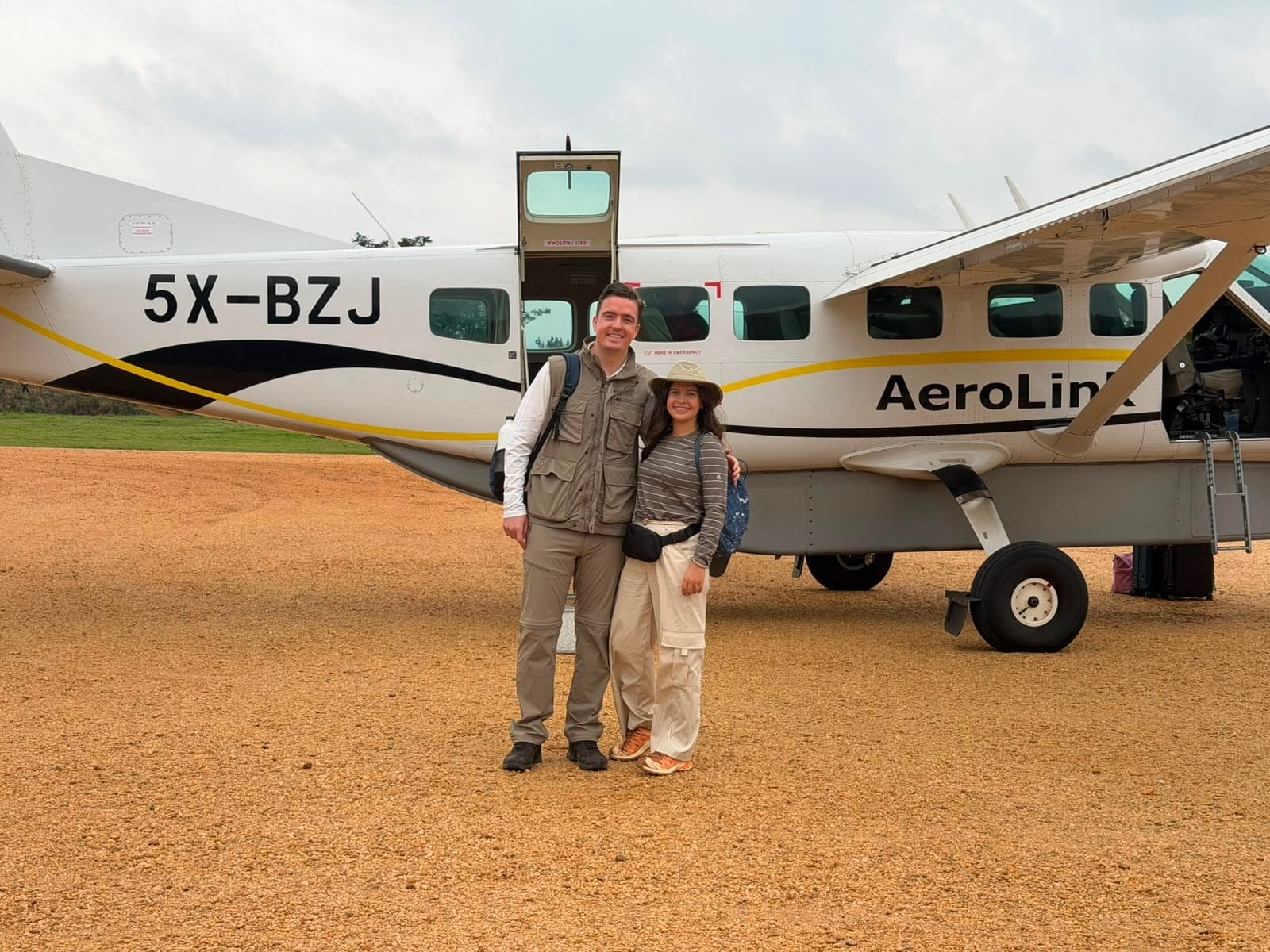
The walk is easy, but the sun is strong. Pack a hat, sunscreen, sunglasses, water and closed shoes. Wear neutral clothes and avoid bright colours. Bring binoculars for birds, and a camera with a zoom lens. A light jacket is useful in the morning and a rain jacket in the wetter months. Read what to pack for a safari for the full list.
What Happens During the Walk Itself?
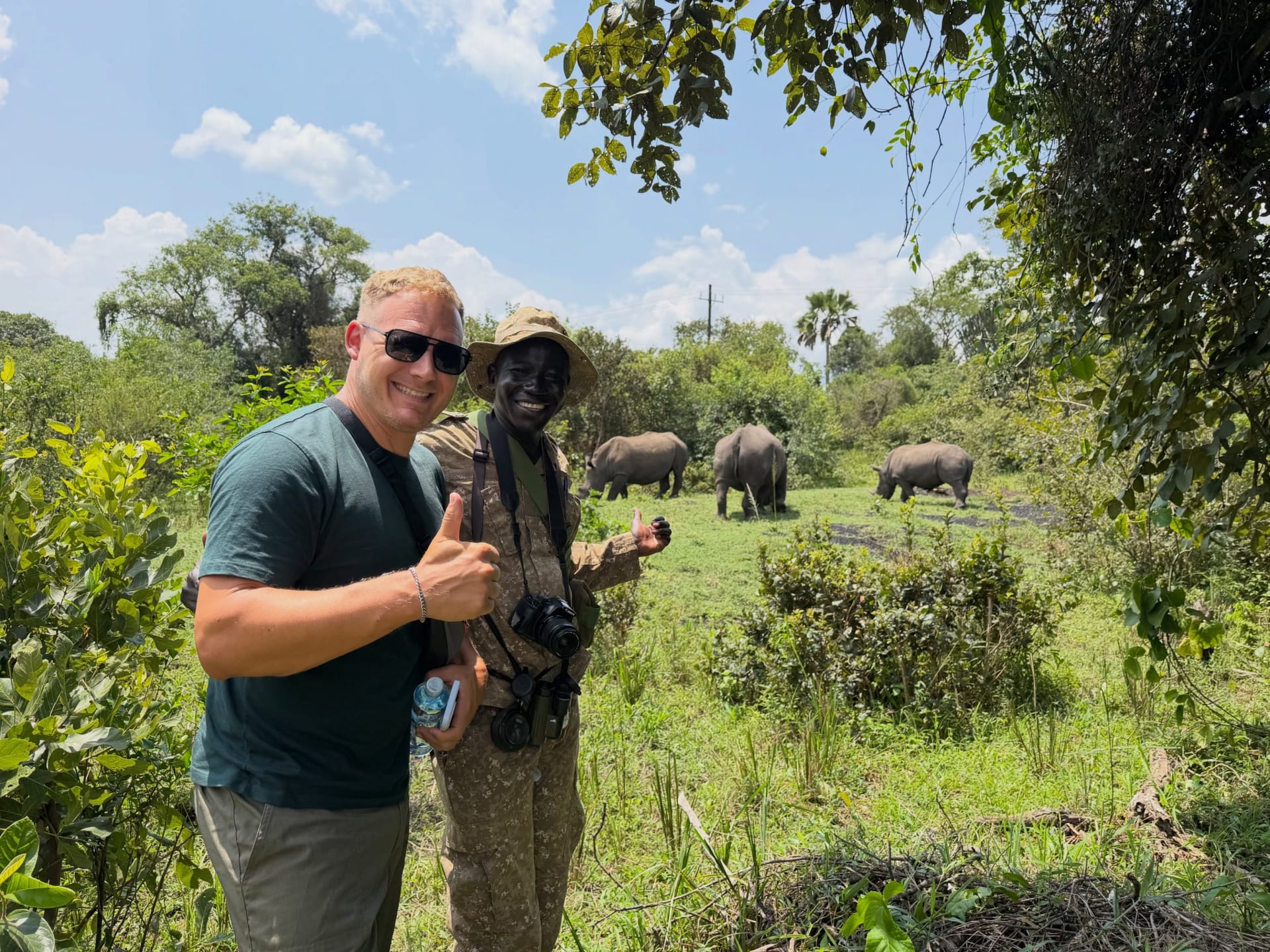
After a short briefing at the visitor area, you set off in a small group with a ranger guide and a tracker. The walk is on open ground with scattered trees, and it is gentle: most of it is flat, and the pace is slow. The rangers know the rhinos individually, by name and by family, and they tell you who is who as you approach. You stop at a safe distance, often only a few metres away, and watch them graze or rest. Rangers keep the group together and calm, and you are asked not to run or shout.
The rhinos here are used to people on foot, which is why the walk is possible, but they are still wild-minded animals, and the guides read their mood closely. If a rhino turns toward the group, the rangers back away quietly and the group follows. In practice, most visits are calm, and photographs are easy.
How Does the Sanctuary Fit a Day on the Road?
Plan the stop as part of a longer journey. If you leave Entebbe or Kampala at 6:30 am, you reach Ziwa by late morning, after about two to three hours of driving. A walk of two to three hours brings you to lunch at the sanctuary or nearby, and you continue north in the afternoon. Murchison Falls is another three hours or so beyond Ziwa, depending on the gate, so you arrive in the late afternoon. Coming south, reverse the order: leave the park after a morning drive, reach Ziwa in the afternoon, and finish the walk before sunset.
A day that includes Ziwa and a long transfer is full. Do not add an extra activity on the same day.
What Else Can You Do at the Sanctuary?
The rhinos are the main draw, but the area has other options. Guided bird walks take you through woodland and swamp, where you can look for species such as hornbills, kingfishers and, in some seasons, the shoebill. A visit to the swamp at dusk or dawn is quieter and more productive for birds. There is a small education area that explains the history of the rhino in Uganda and the work of the project. Some visitors stay at the sanctuary itself, in simple accommodation, to enjoy the evening and the early morning.
Does Ziwa Work for Photographers?
Yes, with the right approach. The rhinos are close, and the light in the early morning and late afternoon is soft. A lens of 70 to 200 millimetres is enough for most pictures. A longer lens helps with birds. Do not use flash, and keep your movements slow. Dust can be an issue in the dry season, so keep a cloth to wipe the lens. Wear neutral colours, and avoid strong perfume. If you want portraits, tell your guide, who can position the group at the best angle for the light.
Who Is Each Season Best For?
Best for the dry months
- First-time visitors who want an easy walk and good roads
- Photographers who like clear light
- Travellers continuing to the national parks
May not be ideal for the dry months
- Budget travellers who want lower rates
- Visitors who prefer quiet days
Quelles erreurs les visiteurs commettent-ils ?
- Arriving at midday. The heat sends the rhinos to the shade.
- Leaving too late from Kampala. Traffic can add hours.
- Not booking a time. Groups are limited, so reserve a slot.
- Forgetting sun protection. The sanctuary has little shade on the open ground.
Frequently Asked Questions About Visiting Ziwa
How long does the visit take?
About three hours including the briefing and the walk.
Do I need to book in advance?
Yes in the busy months. We reserve the slot as part of your itinerary.
Can I visit as a day trip from Kampala?
Yes, though the round trip takes five to six hours by road. It is better as a stop on the way north.
Les enfants sont-ils les bienvenus ?
Yes. The walk is short and flat, and rangers guide the group.
Can I see a rhino calf?
Births are regular, so calves are often seen with their mothers. Rangers tell you which females have young.
Is there an age limit for the walk?
Children are welcome, with guidance from the rangers. Tell us the ages in your group, and we will confirm the current rules.
Planifiez votre voyage ?
Tell us your travel dates, and we will pick the best hour and the best day for the walk. Talk to Our Tour Specialist, or see the 5-day Uganda rhinos and Murchison Falls safari.