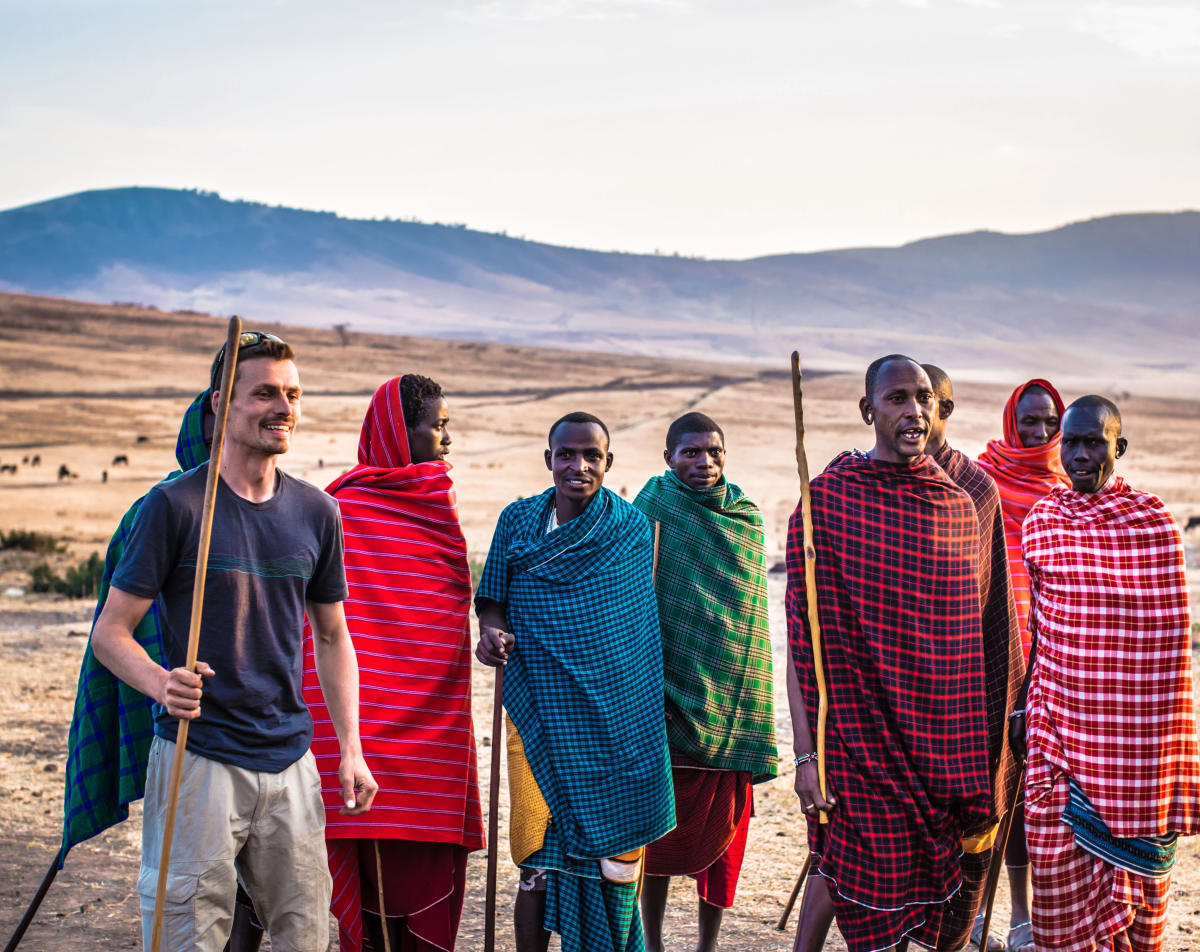
You can visit the Hadzabe tribe in Tanzania through a guided cultural visit around Lake Eyasi, in the Rift Valley south-west of Karatu. The Hadzabe are one of the last hunter-gatherer peoples in East Africa, and a visit usually begins at dawn, when men leave camp to hunt with bows and arrows. You walk with a local guide and community members, watch how they track animals and gather food, and return to camp to talk. The visit is real only when the community agrees, the group is small and you behave as a guest.
This guide explains who the Hadzabe are, how a visit works, what it costs in time and money and how to do it respectfully.
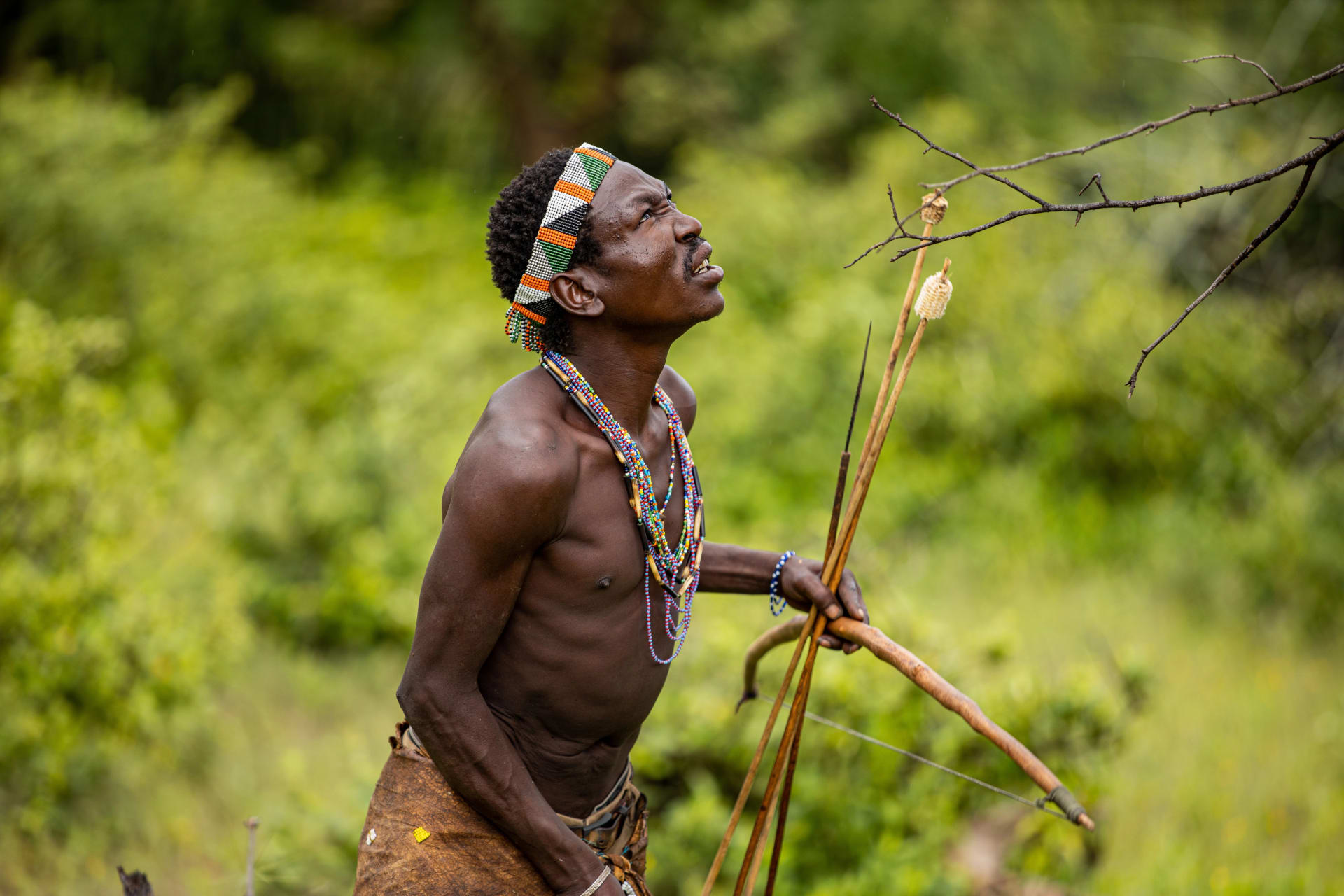
Who Are the Hadzabe?
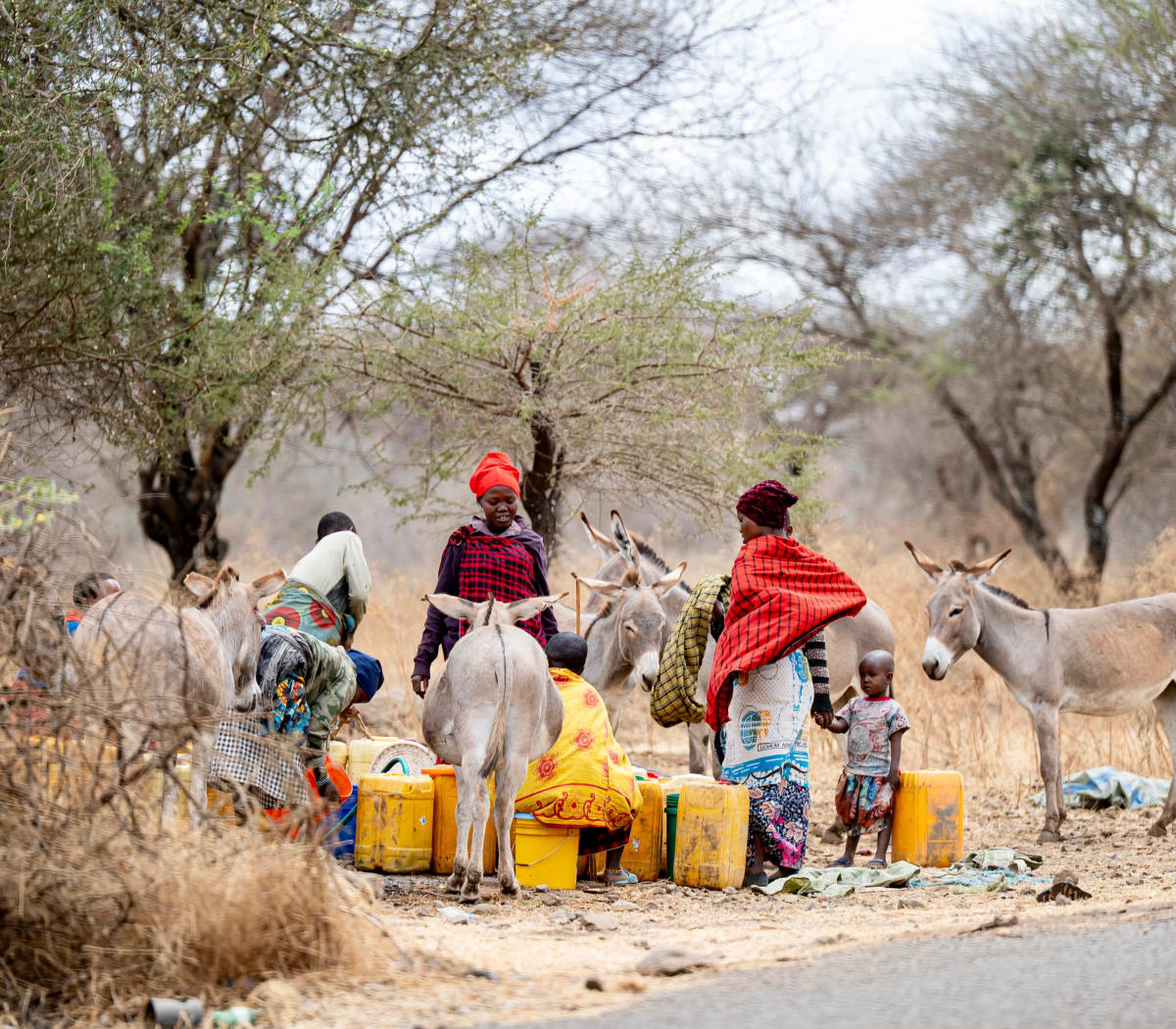
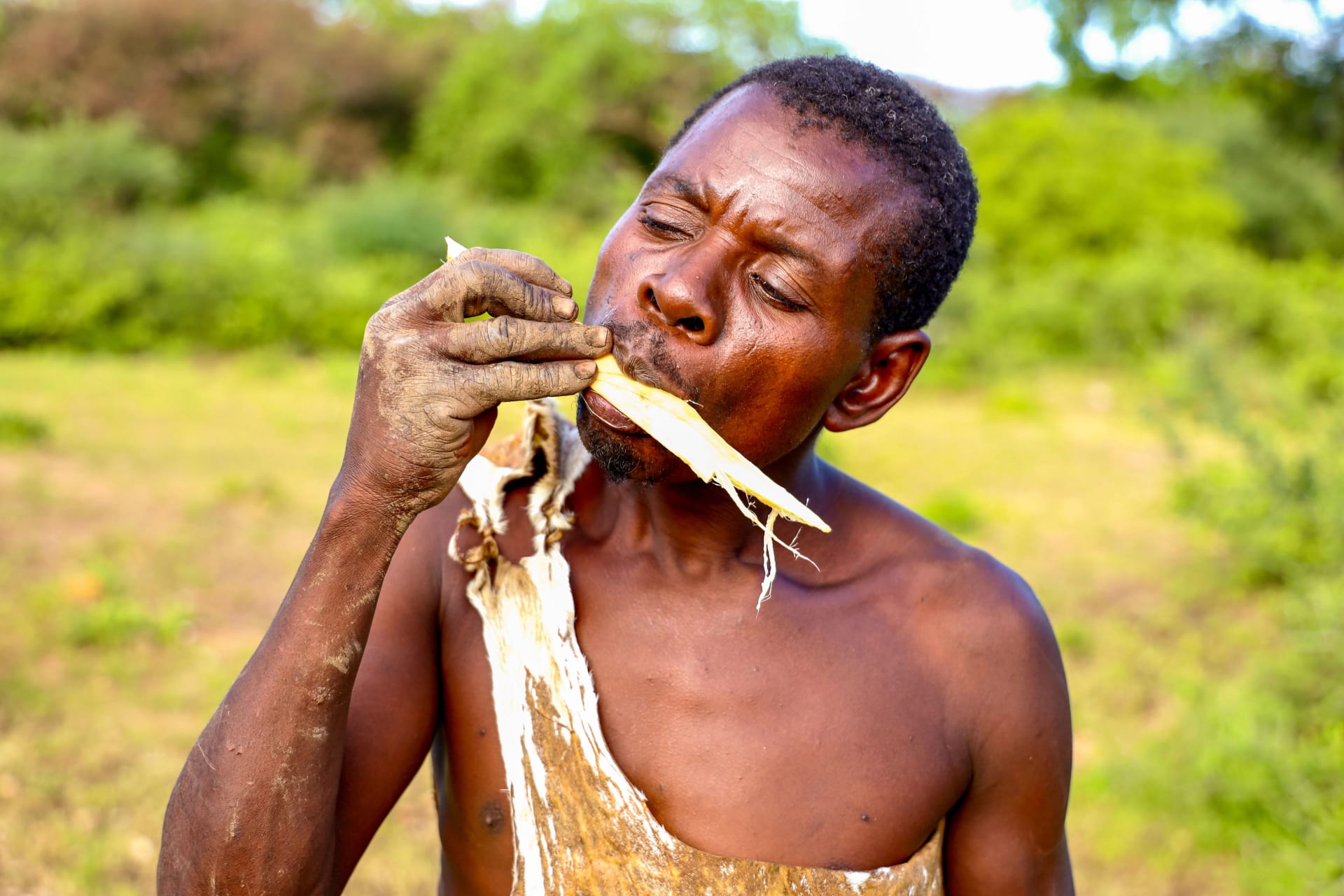
The Hadzabe, sometimes called Hadza, live in the dry bush around Lake Eyasi in northern Tanzania. They speak Hadzane, a click language unrelated to other languages in the region. Their numbers are small, in the low thousands, and only a portion still live mainly by hunting and gathering. Men hunt with bows and arrows, women gather berries, roots and baobab fruit and people collect honey. Camps are small and move with the seasons.
Their land is under pressure from farming, herding and tourism, so the way visitors behave matters more than usual. Choose an operator who works with a local guide who knows the community.
Where Does the Visit Take Place?
Lake Eyasi is a shallow, seasonal lake in the Rift Valley. Most visits start from Karatu, about 90 minutes to two hours away by road, or from Arusha, which is about four hours. The camps are in the surrounding bush. A guide takes you to a camp where the community has agreed to receive visitors. Because camps move, the exact place is decided on the day.
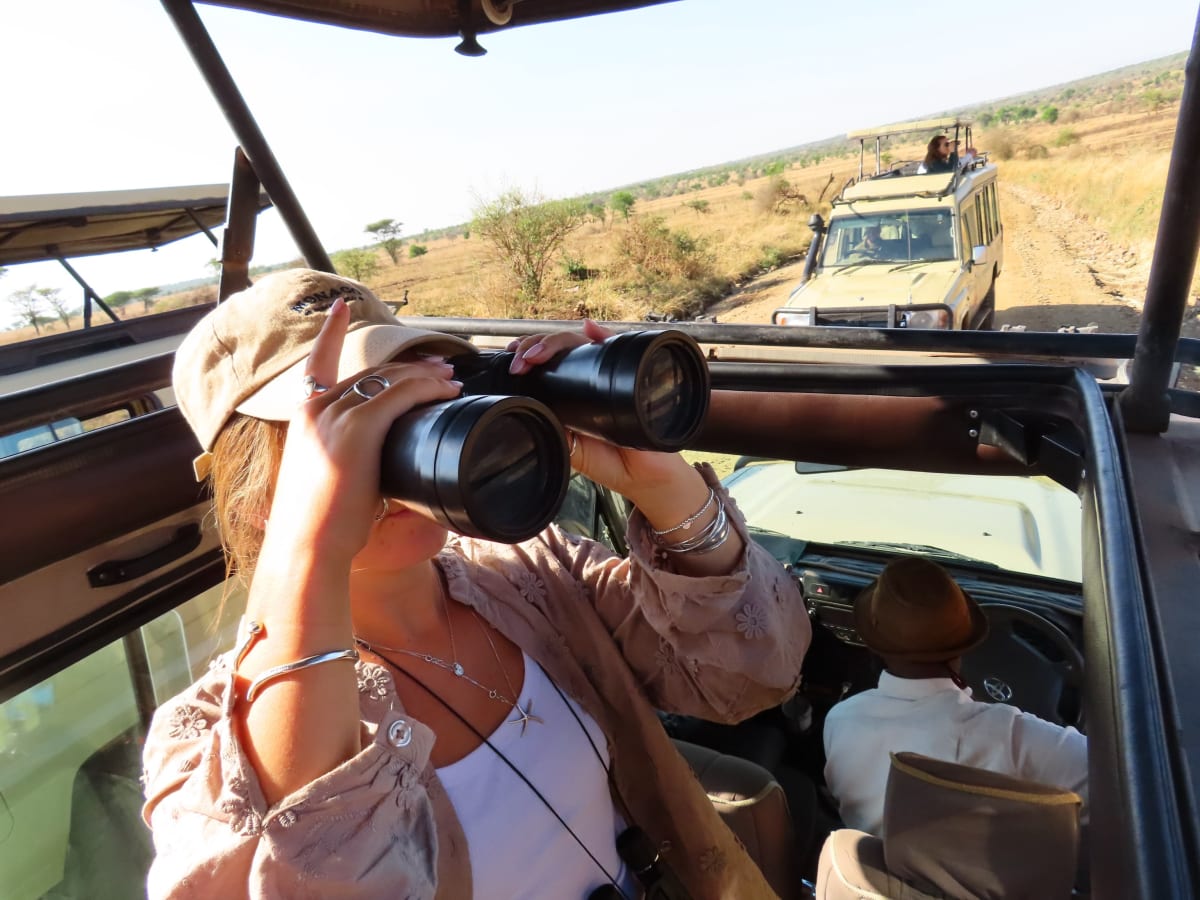
The area is dry and hot, with thorn scrub and baobabs. Combine it with Lake Manyara, Ngorongoro or Tarangire for a fuller circuit, as in our 6-day Tanzania cultural safari with Hadzabe, Datoga and Ngorongoro.
What Happens During a Visit?
Une visite typique suit cet ordre. Vous quittez votre lodge bien avant l'aube et arrivez au camp au lever du soleil. La communauté se prépare, et les hommes partent avec des arcs et des flèches pour chasser, généralement de petits animaux tels que des oiseaux, des hyrax ou des singes, selon le jour. Vous les accompagnez, silencieusement, derrière le guide. Ensuite, vous retournez au camp, où femmes et hommes montrent comment ils fabriquent des flèches, allument des feux et préparent de la nourriture, et vous pouvez poser des questions via votre guide.
Vous pourriez également essayer de tirer une flèche ou d'allumer un feu avec des bâtons. La visite dure trois à quatre heures. Rien n'est programmé selon un horaire, donc la chasse peut être courte ou longue, et le succès varie.
Qu'en est-il des Datoga ?
De nombreuses visites incluent les Datoga, qui vivent dans la même région et gardent le bétail. Les forgerons Datoga fabriquent des pointes de flèches, des couteaux et des bijoux à partir de métal de récupération, et ils commercent avec les Hadzabe. Les rencontrer l'après-midi donne du contexte à la région. Les Datoga sont un peuple distinct avec leur propre histoire et leurs coutumes, il faut donc les considérer comme une visite différente, et non comme faisant partie de l'histoire des Hadzabe.
Comment visiter respectueusement ?
Suivez ces règles :
- Allez avec un guide que la communauté connaît. Ne vous promenez pas seul dans un camp.
- Gardez le groupe réduit. Quatre à six personnes constituent une limite raisonnable.
- Demandez avant de prendre des photos. Acceptez un refus.
- Ne donnez pas de bonbons, d'argent ou de vêtements aux individus. Payez les frais convenus via votre guide.
- Restez silencieux pendant la chasse. Le bruit gâche la journée pour tout le monde.
- Habillez-vous de couleurs neutres. Pantalons longs et chaussures fermées conviennent à la brousse.
Demandez à votre opérateur combien de la redevance atteint la communauté et comment elle est partagée. Lisez où vivre une culture maasaï authentique pour les questions qui s'appliquent à toute visite culturelle.
Combien ça coûte et quelles sont les options ?
Prices depend on the format. A day trip from Arusha is the simplest and costs from a few hundred US dollars per person, with a long drive on both ends. Staying near Lake Eyasi or in Karatu reduces the driving and gives you a rested morning. Including a visit in a longer safari is the best value, since the vehicle and driver are already part of the trip. Fees vary by operator and include the community fee, the guide and transport. Ask for each line of the quote.
For the best format from Arusha, read the best Hadzabe cultural tour from Arusha.
Quand est le meilleur moment pour partir ?
The dry months, June to October and January to February, make the bush easier to walk and the roads firmer. The rains, March to May, can make the track to Lake Eyasi difficult, and the lake may fill. Mornings are cooler and better for hunting. Wear a hat and bring water in any month.
How Does the Hunt Work, and What Is It Like to Watch?
The hunt begins as the light rises. Men leave the camp in small groups, carrying bows and a handful of arrows, some tipped with poison made from plants. They move quickly and quietly through the thorn bush, reading tracks and listening for birds. You follow at a distance behind your guide. Prey is usually small, such as birds, hyrax or dik-dik, and a hunt can end in a few minutes or continue for a couple of hours. Visitors are sometimes surprised by how fast the men move, and by how much they notice.
Do not expect a staged result. Sometimes nothing is caught, which is part of the truth of the life.
What Do You Learn at the Camp?
Back at camp, women and men show how they use the bush. You may see how fire is made with two sticks, how arrows are shaped, how honey and baobab fruit are gathered and how food is shared. Your guide translates stories about families, children and daily routines. You may be invited to try the bow or the fire, which most visitors find harder than it looks. The talk is usually relaxed, and questions are welcome, within the limits your guide sets.
What Are the Practical Limits of the Visit?
The experience depends on the community, the weather and the day. If rain falls, or the community is away or busy, the visit may change. Camps move, so the place is not fixed. The heat arrives early, and the bush is thorny. There are no facilities, so plan to use the toilet at the lodge before you leave. Photography is allowed under the rules agreed with the community, and some moments, such as the hunt itself, may be off limits for pictures. Respect every instruction your guide gives.
How Does the Visit Fit Into a Longer Tanzania Safari?
Lake Eyasi sits close to the road between Lake Manyara and Ngorongoro, so it is easy to place there. A common plan is Tarangire, Lake Manyara, a night near Lake Eyasi, the Hadzabe morning, then the Ngorongoro Crater. Our 6-day Tanzania cultural safari with Hadzabe, Datoga and Ngorongoro follows this order. Read the best Hadzabe cultural tour from Arusha to compare formats.
Who Will Enjoy the Visit Most?
Idéal pour
- Travellers curious about different ways of life
- Photographers who accept the rules
- Anyone who enjoys early starts and bush walks
Peut ne pas être idéal pour
- Visitors who dislike early starts or dusty tracks
- Families with very young children
- Travellers who expect a performance
Quelles erreurs les visiteurs commettent-ils ?
- Choosing a day trip from Arusha with no rest. It is a long day.
- Treating it as a show. It is a visit.
- Handing out gifts. It changes how people see visitors.
- Wearing sandals. The bush has thorns.
Frequently Asked Questions About Visiting the Hadzabe
Is it ethical?
It can be when the community agrees, the group is small and the fee reaches the people. Ask your operator.
How early is the start?
Usually before 5:30 am, to reach the camp at first light.
Can children go?
Older children who can walk quietly often enjoy it. Very young children may struggle.
Do I need to speak Swahili?
No. Your guide translates.
Do the Hadzabe still live only by hunting?
Many combine hunting and gathering with other work or trade, and the balance varies by family. The visit shows the traditional skills.
Is it okay to give gifts?
Please do not give gifts to individuals. The fee you pay through your operator supports the community as a whole.
Planifiez votre voyage ?
Tell us your dates and your route, and we will place the visit where it works best. Talk to Our Tour Specialist, or see the Tanzania destination page and the 10-day Tanzania cultural safari.