The list of what to pack for chimpanzee tracking in Kibale is short, but each item matters. Kibale is a humid forest with mud, nettles, ants and sudden rain, and the search for chimpanzees can last from a few minutes to several hours. Comfortable shoes, sleeves that cover your arms, a light rain jacket and a small daypack make the morning easy. The rest is detail.
This guide lists what to wear, what to carry and what to leave at the lodge, and explains why each choice helps.
What Should You Wear for the Forest?
Footwear
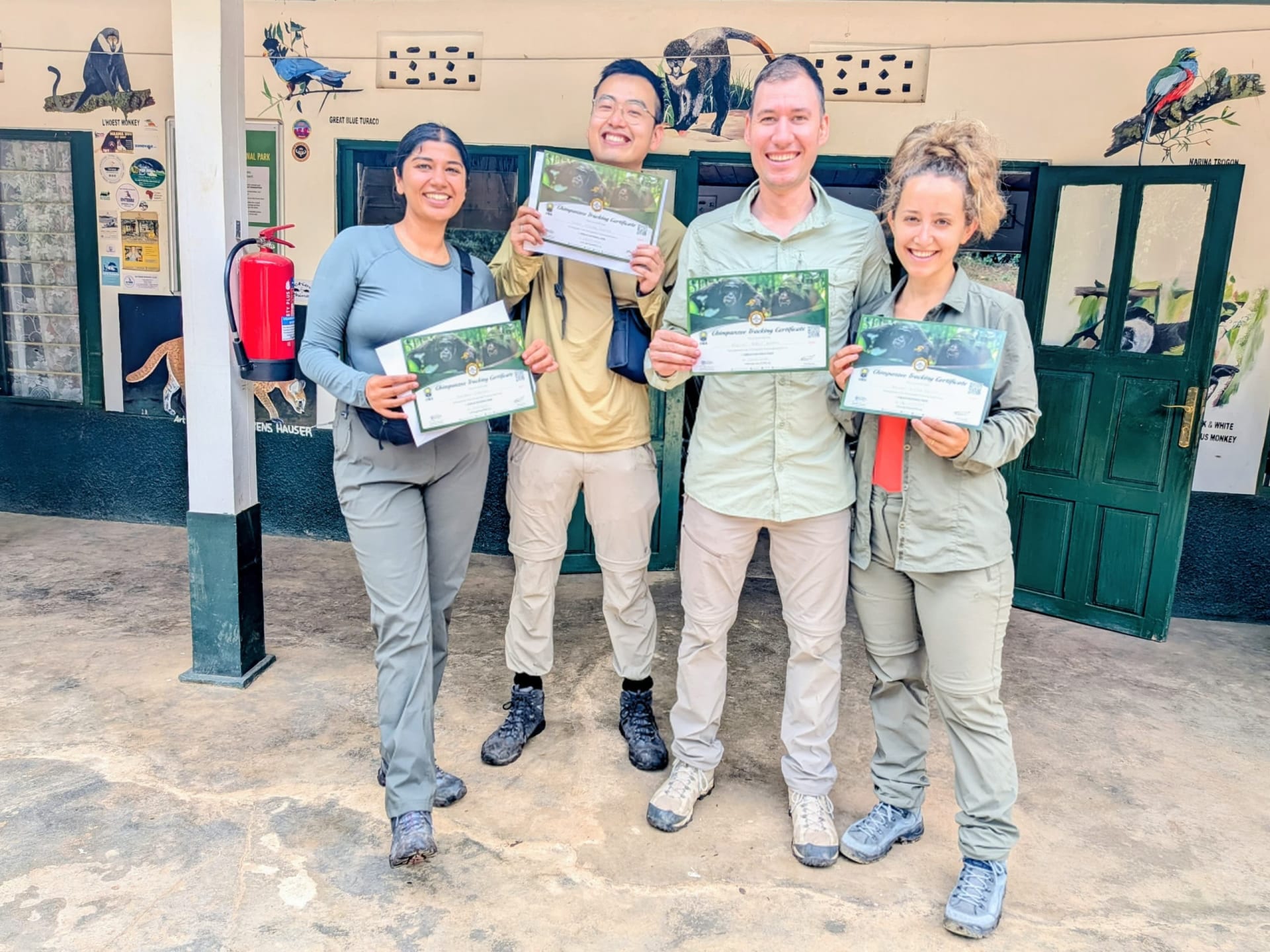
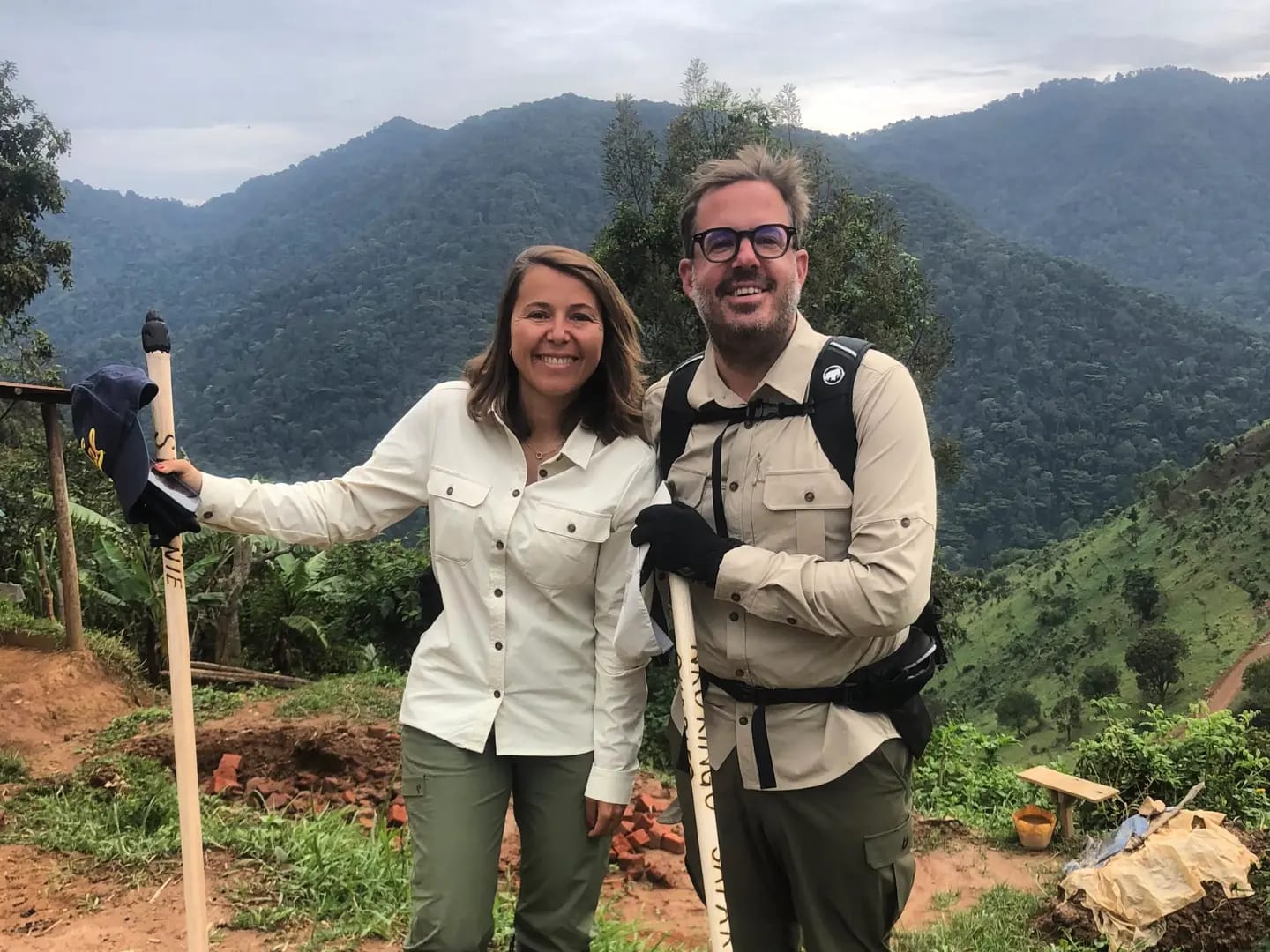
Wear waterproof hiking boots or sturdy trail shoes with a firm grip. The forest floor is uneven, with roots, slippery slopes and mud after rain. Light trainers wear out quickly and offer little ankle protection. Break in new boots before you travel. Gaiters help keep mud, ants and leaves out of your socks, and they are especially helpful in the wetter months.
Clothing
Choose long-sleeved shirts and long trousers in a neutral colour such as khaki, olive or grey. They protect your skin from nettles, thorns and insects. Tuck your trousers into your socks if you do not wear gaiters. Avoid bright colours and strong perfumes, which can disturb the animals. Quick-drying fabric is better than heavy cotton. A light fleece or sweater is useful for early mornings, particularly in the crater lake region where nights are cool.
Hat, gloves and rain gear
A brimmed hat shades your face and keeps off drips. Lightweight gardening gloves protect your hands from thorns and stinging plants when you grab a branch for balance. A waterproof jacket or poncho is essential in every season, because a shower can arrive without warning. A waterproof cover for your camera and phone is worth the small space it takes.
What Should You Carry in Your Daypack?
A small daypack of 15 to 25 litres is enough. Pack these items:
- Water. At least one litre, more in the dry season. A refillable bottle is better than a single-use one.
- Snack. A small energy bar or fruit for the walk. Do not eat in the presence of the chimpanzees.
- Sunscreen and insect repellent. Apply before you start, and store them in a sealed bag.
- Personal medication. Include blister plasters and any prescription items.
- Tissues and a small bag for rubbish. Pack out everything you bring in.
- Phone or camera with spare batteries and a clean cloth for the lens.
What Camera Gear Works in the Forest?
The light under the canopy is low, and you do not use flash near wild animals. A camera that handles high ISO values and a lens in the 70 to 300 millimetre range suit most visitors, together with a fast prime lens if you own one. Phones work, too, in good light, though the chimpanzees are usually further away than you expect. Bring a strap, a rain cover and a microfibre cloth. A monopod is helpful, but a tripod is difficult to use on the trail and is often not welcome.
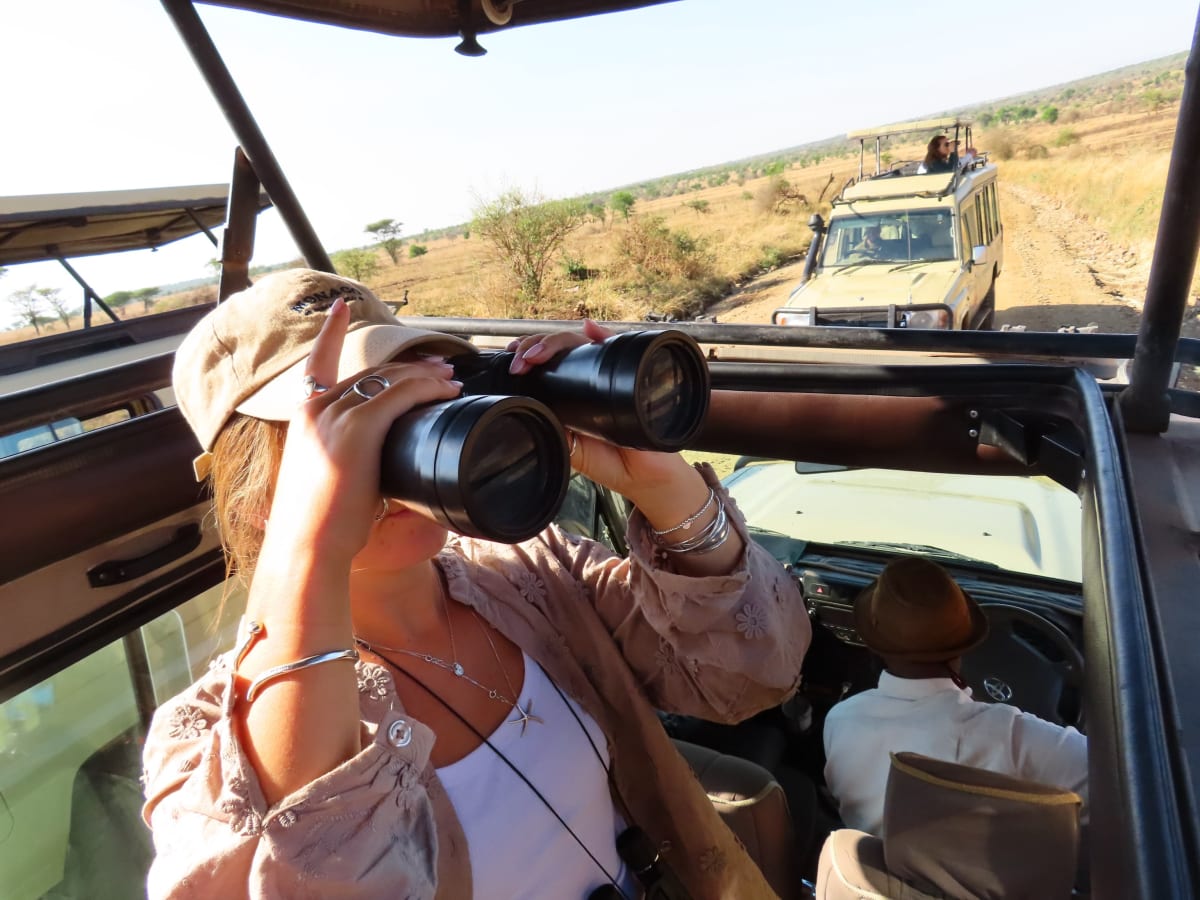
Read our gorilla photography guide for settings that also work for chimpanzees. Binoculars are valuable for birds and for distant monkeys, and they are a good gift for children who may become restless while the group waits.
What Health and Safety Items Do You Need?
Ask a doctor or travel clinic about vaccinations and malaria prevention well before you leave. Carry your yellow fever certificate with your passport. Pack a small first-aid kit with plasters, antiseptic wipes, anti-diarrhoea tablets and painkillers. Insect repellent is helpful, and a hand sanitizer is useful before and after the walk. If you are ill on the morning of tracking, with a cold or a cough, tell your guide, because chimpanzees can catch human infections and the rangers may ask you to stay behind. This rule protects the animals and is taken seriously.
Follow the ranger's instructions about distance and noise. The briefing explains how close you may go and how to behave if the chimpanzees come toward you.
What Should You Leave at the Lodge?
A lighter pack is more comfortable on a long walk. Leave these at the lodge:
- Large camera bags, tripods and drones, which are unnecessary or not allowed
- Bright or white clothing
- Perfume and strongly scented products
- Valuables you do not need on the trail
- Food with strong smells
Pack separate clean clothes and a plastic bag for muddy ones at the end of the day. A change of shoes for the drive is a small luxury that people appreciate.
How Should You Prepare the Night Before?
A little preparation prevents a stressful morning. Lay out your clothes, boots and daypack before dinner. Charge your camera batteries and clear the memory cards. Fill your water bottle and set aside your permit paperwork and passport if the lodge asks for them. Check that your repellent and sunscreen are in the daypack, and pack a small towel or cloth for wiping mud off your hands.
Have an early, light dinner, and go to bed on time. Tracking starts early, and a tired walker has less patience for a long search. Ask the lodge for a packed breakfast if the session starts before the dining room opens.
How Do You Handle Luggage Limits and Laundry?
If your trip includes small aircraft, you will need to carry your luggage in soft bags, with a typical limit of about 15 kilograms per person. Pack light layers that you can wash and dry, since muddy clothes come back from the trail every day. Most lodges offer laundry service for a small fee, but clothes may take a full day to dry in the humid forest, so plan your changes.
Leave non-essential items with your driver or at the lodge. A spare set of clothes and shoes in the vehicle makes the drive after tracking more comfortable. Read what to pack for a safari for a broader luggage plan.
How Does the Season Change Your List?
In the dry months, the trails are firmer, and you need sun protection and extra water. In the wet months, rain gear, gaiters and quick-drying clothing matter more. Read the best time for chimpanzee tracking in Kibale to see how each season feels on the trail. If you will also trek gorillas, see what to pack for gorilla trekking, since the lists overlap, and what to pack for a safari for the general travel items.
What Should You Wear on the Rest of the Trip?
Outside the forest, you can dress lightly. Neutral shirts and trousers work for game drives in Queen Elizabeth or Murchison Falls. Evenings are cool at higher altitudes, so bring a fleece. Smart casual clothes are enough for dinner. Include a swimsuit if your lodge has a pool or a lake. Pack a light scarf or buff for dust, and a spare pair of shoes for travel days. Keep a small bag for laundry, since many lodges offer a wash service, which lets you pack lighter.
What Should You Do With Your Muddy Gear?
Forest mud sticks to everything. Bring a plastic bag for dirty boots and clothes, and keep them away from your clean bag. Many lodges have a boot-cleaning station or staff who wash boots. Dry your boots overnight with newspaper inside. Hang wet clothes where air flows. Clean your camera and lenses with a soft cloth before you put them away. A little care keeps your kit ready for the next day.
Who Does This List Suit?
Ideal para
- First-time forest trekkers who want a clear checklist
- Families with teenagers who need to pack lighter
- Photographers preparing for low light
Puede no ser ideal para
- Travellers on a long, multi-country trip who need a full wardrobe plan; ask us for a route-specific list
What Mistakes Do Travellers Make When Packing?
- Wearing new shoes. Blisters can end a good morning.
- Skipping long sleeves. Nettles and ants are common.
- Packing too much. A heavy pack tires you before the chimpanzees appear.
- Forgetting a rain cover. Cameras and phones do not like water.
Frequently Asked Questions About Packing for Kibale
Do I need hiking poles?
They help on slippery slopes. Rangers can provide walking sticks, and you may bring your own.
Can I wear shorts?
It is not advisable. Long trousers protect you from stinging plants and insects.
Can I bring a drone?
No. Drones disturb wildlife and are restricted. Ask us about the current rules.
Should I bring cash for tips?
Yes, small notes in local or US currency for rangers, trackers and porters, given at the end of the day.
¿Planificando tu viaje?
Tell us the route and the season, and we will send a packing list that fits your dates and your lodge. Talk to Our Tour Specialist, or see the 6-day Uganda chimpanzee tracking safari.