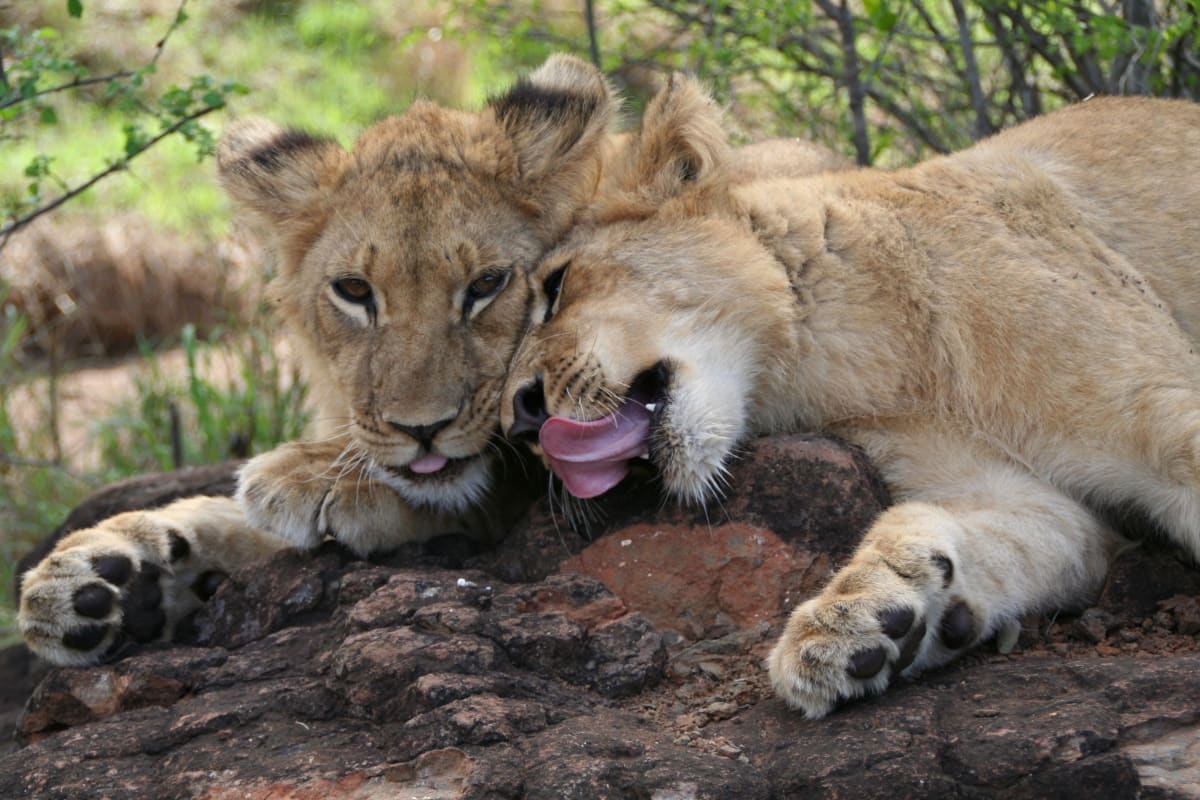
Sí, puedes ver los Cinco Grandes en Ruanda, y el lugar para hacerlo es el Parque Nacional Akagera en el este. Allí viven león, leopardo, elefante, búfalo y rinoceronte. Los leones fueron reintroducidos en 2015 y los rinocerontes en 2017 y nuevamente en 2019, lo que devolvió los Cinco Grandes a un parque que los había perdido. El búfalo y los elefantes son los más fáciles de encontrar, los leones se ven con bastante frecuencia, los rinocerontes requieren suerte y un buen guía, y los leopardos son los más difíciles. La mayoría de los visitantes que pasan dos noches en el parque ven varios de los cinco, pero nadie puede prometer los cinco en un solo viaje.
Esta guía explica lo que ofrece Akagera, lo fácil que es cada animal, cuántos días dedicar y cuándo ir. Las tarifas y los números de fauna cambian, así que confírmalo con el parque o tu operador. Verificamos los detalles en octubre de 2026. Para el aspecto económico, consulta cuánto cuesta un safari de los Cinco Grandes en Ruanda.
¿Qué es el Parque Nacional Akagera?
Akagera abarca aproximadamente 1,122 kilómetros cuadrados de sabana, lagos, pantanos de papiro y colinas a lo largo de la frontera con Tanzania, a unas dos horas y media en coche desde Kigali. African Parks lo gestiona en asociación con la Rwanda Development Board (RDB). En los últimos quince años, el trabajo contra la caza furtiva y las reintroducciones lo han convertido de un parque deteriorado en una de las recuperaciones de fauna más convincentes del Este de África. Es el único lugar en Ruanda donde se pueden ver especies de sabana, junto con jirafas, cebras, hipopótamos, cocodrilos y más de 400 especies de aves.
¿Qué tan fácil es ver cada uno de los Cinco Grandes?
| Animal | How easy | What to know |
|---|---|---|
| Buffalo | Easy | Large herds are widespread across the park |
| Elephant | Easy to moderate | Groups are seen regularly; the population has grown |
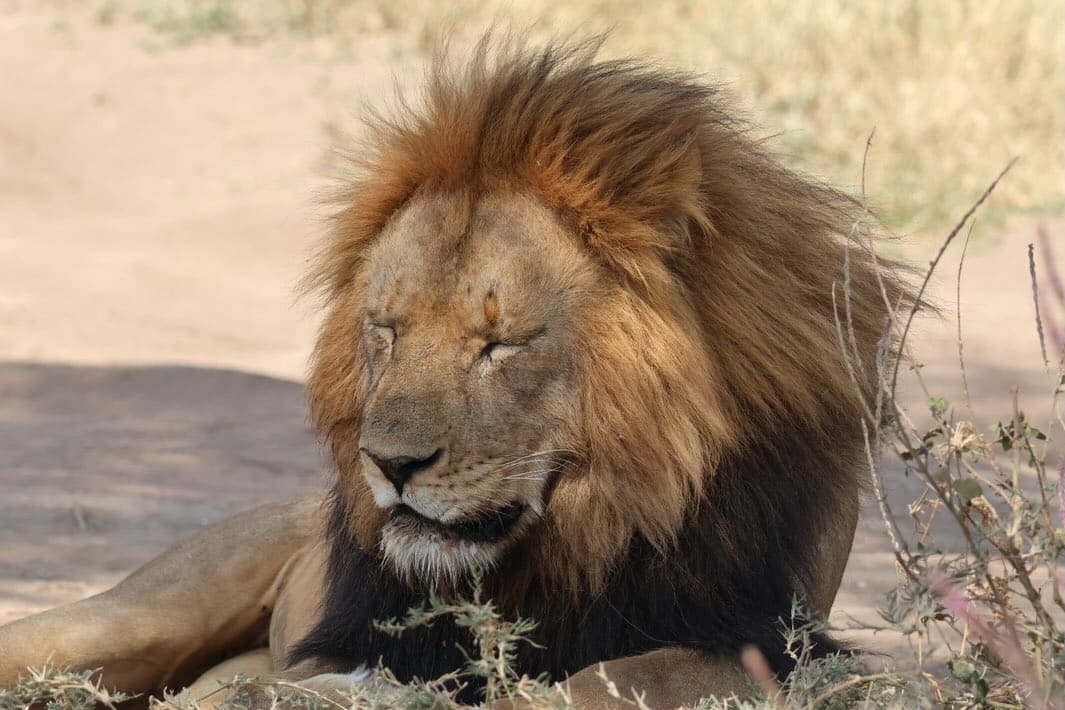
| Lion | Moderate | Reintroduced in 2015 and now breeding; usually found on morning or evening drives, mostly in the north |
| Rhino | Hard | Reintroduced in 2017 and 2019; protected closely and often in thick bush |
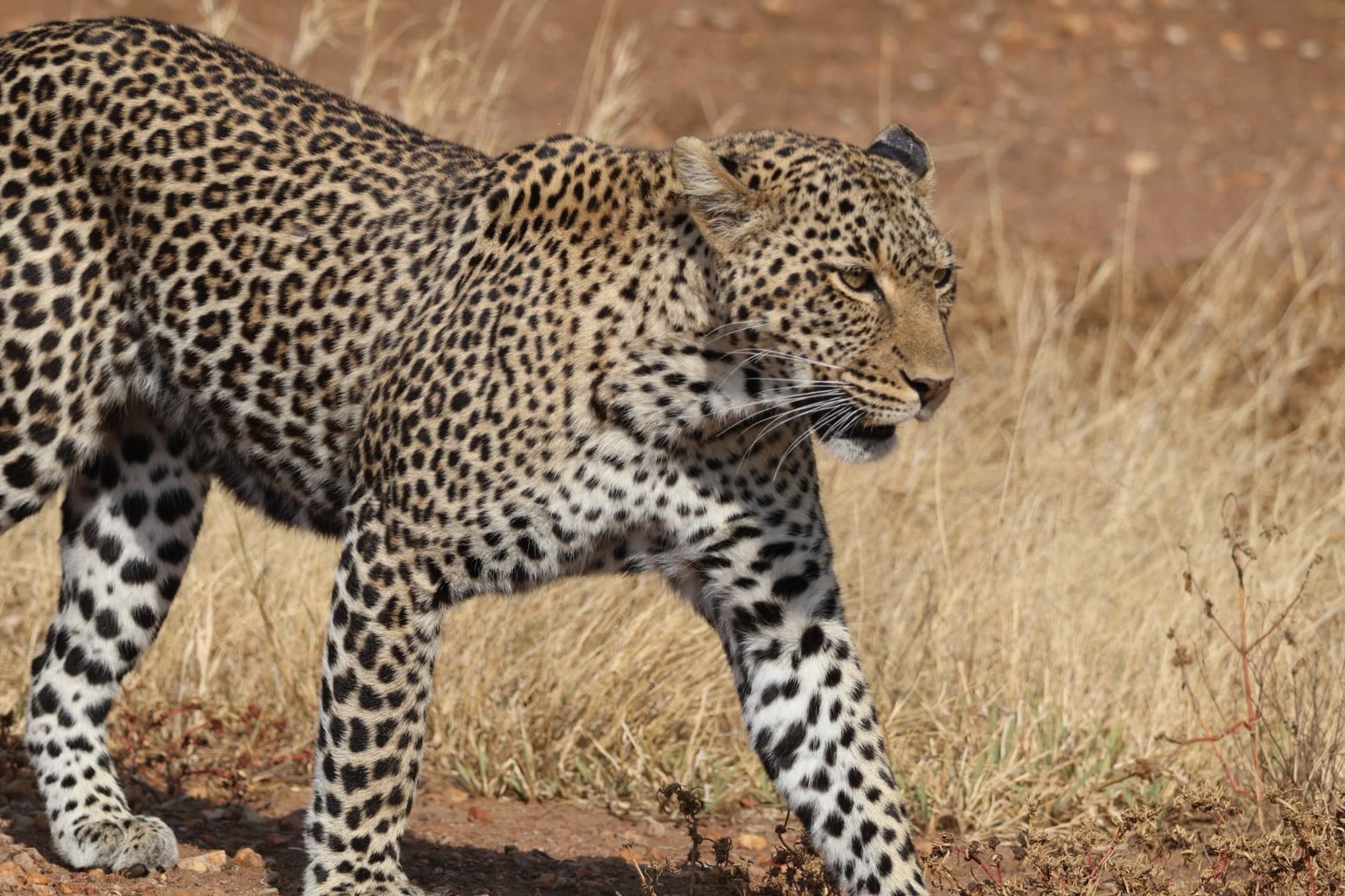
| Leopard | Hardest | Present but secretive; night drives and good guides improve the chance |
Wildlife is wild, and sightings change with the season, the rains and luck. Ask your guide about recent sightings rather than relying on old reports.
How Many Days Do You Need in Akagera?
Two nights is the minimum to give yourself several game drives. A single day trip from Kigali gives you buffalo, elephants, giraffes and hippos, but a smaller chance of lions or rhinos. Three nights give the best chance of all five. Our itineraries typically include two to three game drives and a boat trip:
What Else Can You Do in Akagera?
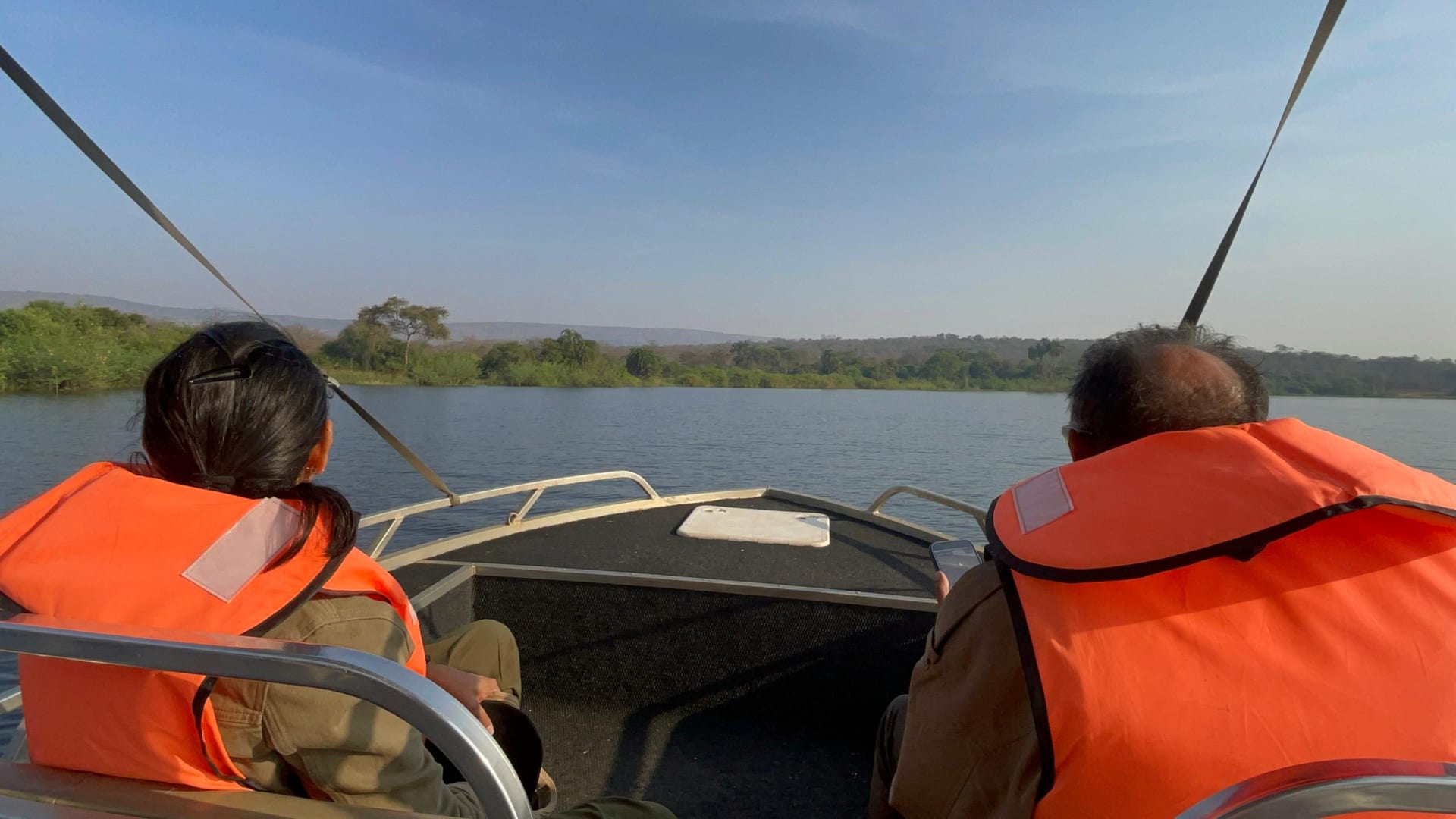
- Boat trip on Lake Ihema. Hippos, crocodiles and water birds, from a boat. The park lists scheduled trips and sunset trips with separate prices.
- Night drives. They help with leopards and smaller nocturnal animals; ask if they are available.
- Birding. Papyrus specialists such as the shoebill have been recorded in the swamps; ask your guide.
- Community visits. Villages around the park offer craft and cultural stops.
When Is the Best Time to See the Big Five in Rwanda?
The dry months, June to September and December to February, are best. Animals gather near water, the grass is shorter and the tracks are firmer. The wet months, March to May and October to November, bring lush scenery and fewer visitors, but the grass is tall and animals can be harder to spot. Akagera is open all year.
How Do You Combine Akagera With Gorillas?
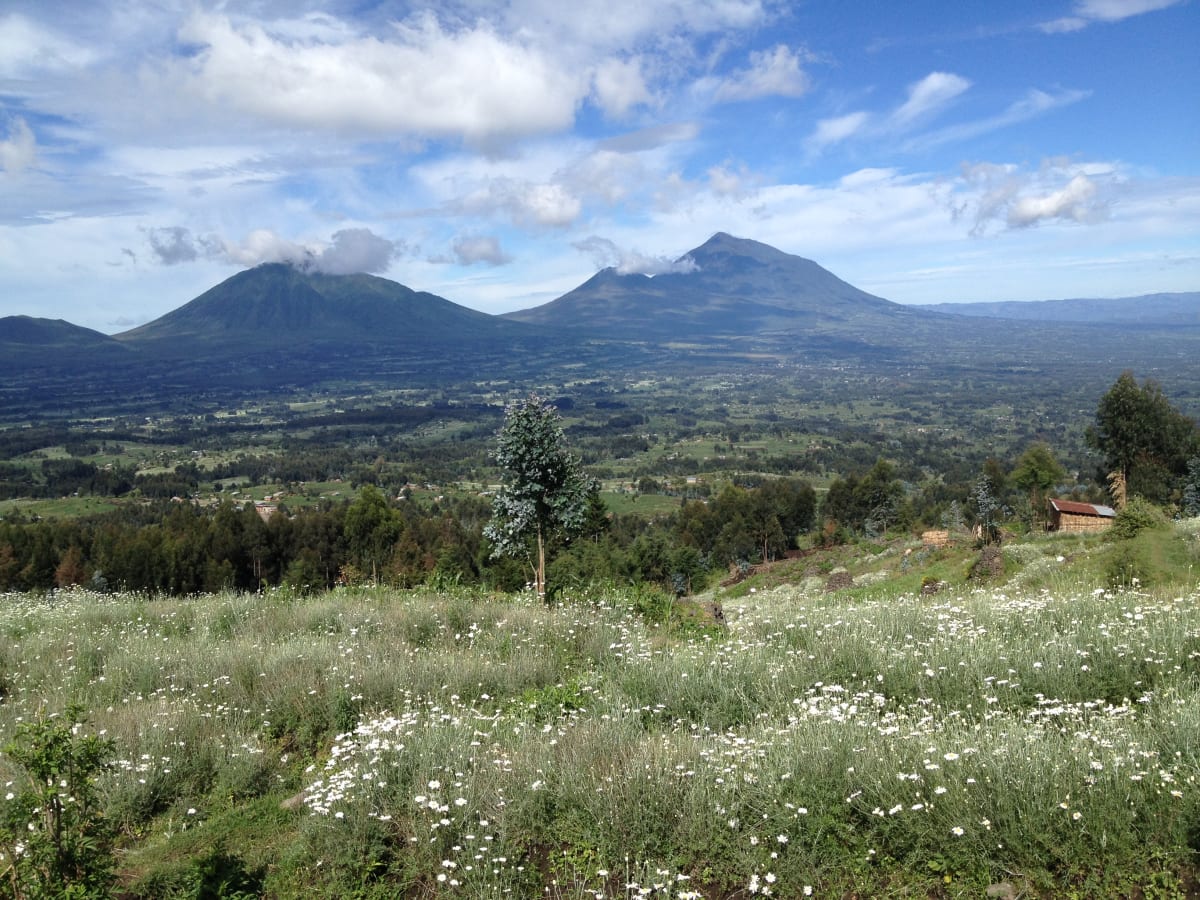
Rwanda is small, so you can combine them easily. A common plan is two to three nights at Volcanoes National Park for the gorillas, then Akagera for the Big Five, with Kigali in between. Check how to arrange the first part in how to book gorilla trekking in Rwanda, and see the luxury Rwanda safari guide if you prefer lodges with private game drives. If you have time for chimpanzees, add Nyungwe: the 6-day chimpanzee tracking and Akagera Big Five safari shows how.
How Does Rwanda Compare With Tanzania or South Africa for the Big Five?
Rwanda is smaller, with fewer animals per square kilometre, and the park is much quieter. Tanzania and South Africa offer bigger parks and higher odds of lion and leopard. Rwanda's advantage is the combination with gorillas in a compact trip and the lack of crowds. Read where to see the Big Five in Tanzania and the best park for the Big Five in South Africa.
How Did Akagera Get Its Big Five Back?
Akagera lost much of its wildlife to poaching and to the settlement of people on its land in the decades before 2000. A management partnership between the Rwanda Development Board and African Parks began in 2010, with new anti-poaching teams, fencing along the park boundary and community programmes. Lions were reintroduced in 2015, followed by black rhinos in 2017 and 2019. The result is a park that reports a growing population of lions, elephants and buffalo, and that now earns enough from tourism to help fund its own protection. Visiting it supports that work.
What Do Guides Look For When They Search for Each Animal?
- Lions: fresh tracks on the road, alarm calls from zebras and impala, and a shady spot in the heat of the day.
- Elephants: broken branches, dung and groups near water in the afternoon.
- Buffalo: dust clouds and herds grazing near the lake.
- Leopards: a tree branch with a kill or a shape in the shade at dawn or dusk.
- Rhinos: thick bush and the radio reports of rangers who monitor them.
Be patient and quiet, and let the guide decide how long to stay at each sighting.
What Else Will You Enjoy If You Do Not See All Five?
Akagera has giraffes, zebras, hippos, crocodiles, topi, eland, many antelope and more than 400 recorded bird species. The lake views are good at sunset, and the boat trip gives a change of pace. If a leopard or rhino does not appear, you are likely to leave with strong sightings of other animals, and a better sense of how a recovering park works. The quiet and the small number of other vehicles are part of what the park offers. Add a night drive if it is offered.
Is It Safe to Go on a Self-Drive in Akagera?
Self-drive is possible in many African parks, but the roads in Akagera are variable, wildlife is close to the track and the guide adds a lot of value in finding animals. We recommend a guide for first-time visitors and for anyone hoping to see lions or rhinos. If you do self-drive, follow the park rules, keep your windows closed near animals, and never get out of the vehicle except at designated places.
Ideal para
- Travellers who want gorillas and a savanna safari in one short trip
- Visitors who prefer quiet parks to crowded ones
Puede no ser ideal para
- Travellers who must see a leopard or all five animals; no park can promise that
- Those with only one day for Akagera
¿Qué errores cometen los visitantes?
- Expecting all five in a day. Plan two or three nights.
- Skipping the early drive. Animals are most active at dawn.
- Forgetting the sunscreen and hat. The savanna is exposed.
- Not asking about recent sightings. Guides know where animals have been.
Frequently Asked Questions About the Big Five in Rwanda
Does Rwanda have the Big Five?
Yes. Lion, leopard, elephant, buffalo and rhino all live in Akagera National Park.
Which animal is hardest to see?
The leopard, because it is secretive and mostly active at night.
Is Akagera worth visiting?
Yes, especially with a gorilla trek. It is quieter than the large East African parks.
How far is Akagera from Kigali?
About two and a half hours by road.
Should I confirm wildlife numbers and fees before I go?
Yes. Wildlife numbers, fees and opening times change, so confirm them with the park or your operator close to your dates and ask for recent sightings.
Are rhinos in Akagera easy to see?
No. They are protected, shy and often in thick bush. A good guide and patience improve the chance.
¿Planificando tu viaje?
Tell us your dates and how many nights you can spare, and we will build an Akagera plan, with or without gorillas. Talk to Our Tour Specialist.
Source: Akagera National Park.