Ruanda tiene cuatro parques nacionales, y los mejores parques nacionales de Ruanda para la mayoría de los viajeros son Volcanoes National Park para gorilas de montaña, Nyungwe National Park para chimpancés y el paseo por la copa y Akagera National Park para los Big Five. El cuarto, Gishwati-Mukura, es el más nuevo y el más tranquilo. Los parques son pequeños y cercanos, y las carreteras están en buen estado, por lo que puedes ver los tres principales en una semana sin un vuelo doméstico.
Esta guía describe cada parque, lo que hace mejor, cuánto tiempo dedicar y cómo combinarlos.
Volcanoes National Park: Mejor para gorilas de montaña
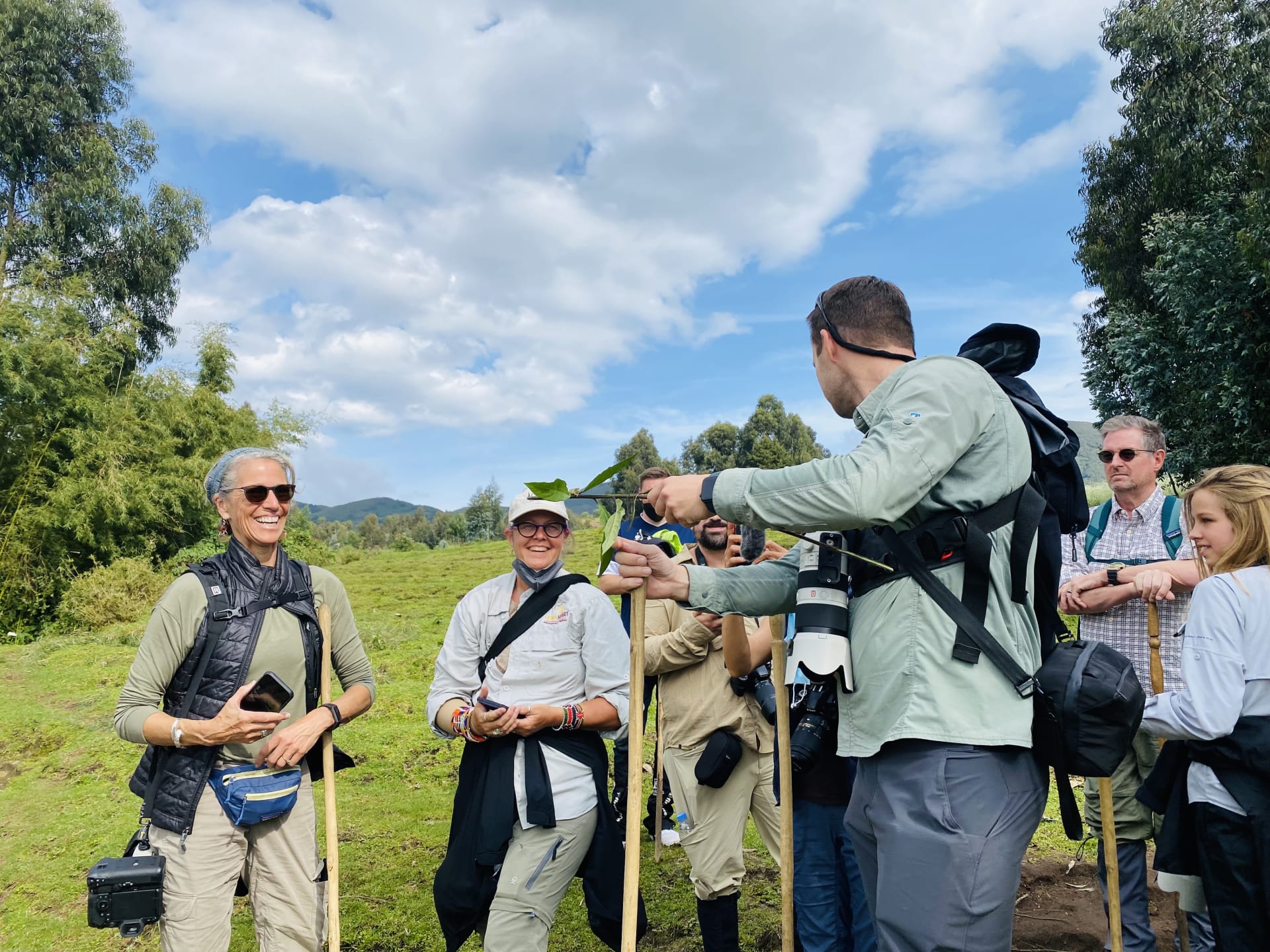
El Parque Nacional Volcanoes en el noroeste protege parte de las montañas Virunga y varias familias de gorilas habituadas. Las caminatas duran de una hora a la mayor parte del día, con una hora dedicada a los gorilas. El parque también ofrece rastreo de monos dorados, la caminata al cementerio de Dian Fossey y ascensos a volcanes. Está a dos o tres horas en coche de Kigali. Lee la guía del Volcanoes National Park y el trekking de gorilas en Ruanda: la guía completa.
Nyungwe National Park: Mejor para primates y caminatas por el bosque
Nyungwe, en el suroeste, es uno de los bosques lluviosos más antiguos de África y hogar de trece especies de primates, incluidos chimpancés, y más de 300 especies de aves. Los visitantes rastrean chimpancés, recorren senderos forestales y cruzan el paseo por la copa. Está a cinco o seis horas de Kigali, así que dales dos noches. Lee la guía de viaje del Nyungwe National Park, cómo reservar el paseo por la copa y si vale la pena.
Akagera National Park: Mejor para los Big Five y excursiones en barco
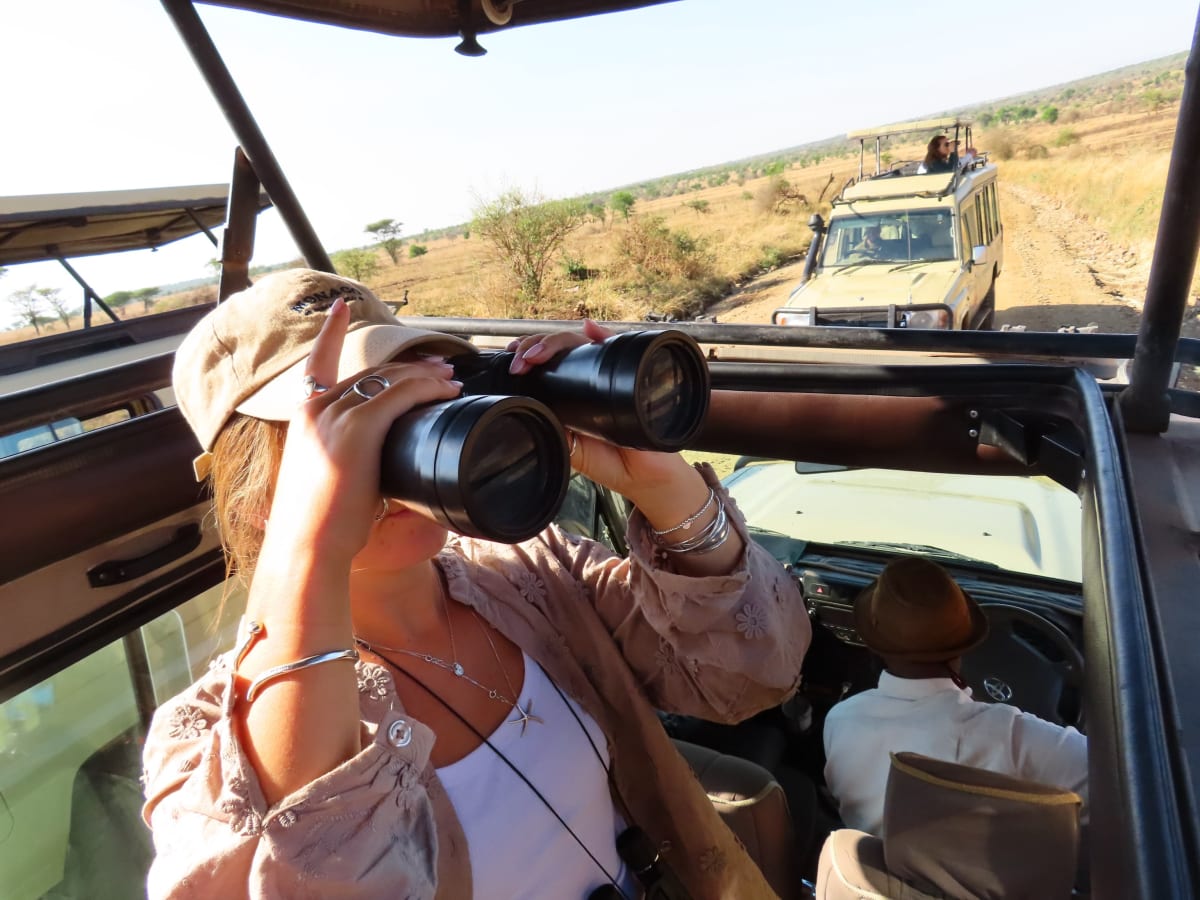
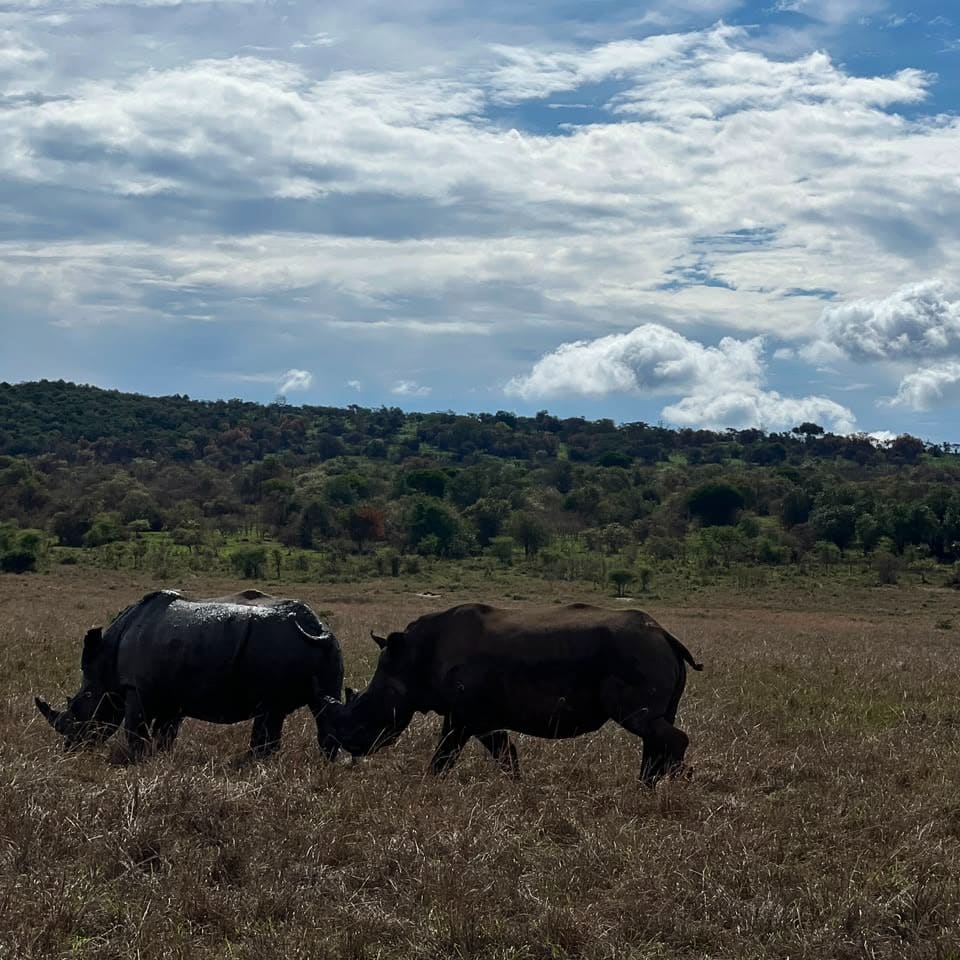
Akagera in the east is Rwanda's savanna park, with lakes, papyrus and open plains. Lions returned in 2015 and black rhinos in 2017, completing the Big Five, and elephants, buffalo, giraffes, zebras and hippos live there too. Game drives and boat trips on Lake Ihema are the main activities. It is about two and a half hours from Kigali, so it works as a short add-on. Read can you see the Big Five in Rwanda and see the 6-day Rwanda gorilla trekking and Big Five safari.

Gishwati-Mukura National Park: Best for Quiet Forest Walks
Gishwati-Mukura is Rwanda's newest national park, created from two forest fragments in the west. It protects a small number of chimpanzees, golden monkeys and many birds, and it supports forest restoration. Visitor facilities are simpler than in other parks. It suits travellers who want a quiet forest visit and an understanding of conservation work in progress.
How Do You Combine the Parks?
A classic week runs Kigali, Volcanoes, Lake Kivu, Nyungwe, then back to Kigali, with Akagera added at the start or end. A shorter plan pairs Volcanoes and Akagera. Because distances are short, you can do a lot without flights. See the 7-day Rwanda primate safari and the 8-day luxury Rwanda safari with gorillas, Akagera and Lake Kivu.
¿Cuántos días necesita cada parque?
Volcanoes needs two nights for a gorilla trek and a second activity. Nyungwe needs two nights because of the drive. Akagera needs one or two nights for game drives and the boat trip. A week covers all three, and ten days leave room for Lake Kivu and Kigali. Read Rwanda itineraries without gorilla trekking if gorillas are not on your list.
¿Cuál es el mejor momento para visitar?
The dry months, June to September and December to February, are the easiest for hiking, trekking and game drives. The rainy months, March to May and October to November, bring lower rates and green scenery, with muddy trails. Akagera is good all year, with the dry season best for animals at the lakes.
Which Park Suits Which Traveller?
Ideal para
- First-time visitors: Volcanoes and Akagera
- Nature lovers: Nyungwe
- Conservation enthusiasts: Gishwati-Mukura
Puede no ser ideal para
- Travellers with only three days, who should choose Volcanoes
How Far Apart Are the Parks, and How Do You Get Between Them?
Rwanda is small, and every main park is a road trip from Kigali. These are typical driving times in normal traffic:
- Kigali to Volcanoes National Park (Musanze): about 2 to 3 hours.
- Kigali to Akagera National Park: about 2 to 2.5 hours to the southern gate.
- Kigali to Nyungwe National Park: about 5 to 6 hours.
- Musanze to Lake Kivu (Rubavu): about 1.5 hours.
- Rubavu or Karongi to Nyungwe: roughly 3 to 4 hours, depending on the starting town.
The main roads are paved and in good condition, so a private vehicle with a driver is comfortable and flexible. Domestic flights are not needed, which keeps the cost down. The only long day is the one between the north and the south, and it is best split with a night on Lake Kivu.
What Do the Park Activities and Permits Look Like?
Each park has its own set of activities, and most need a booking for a specific day:
- Volcanoes: gorilla trekking (US$1,500 per person), golden monkey tracking (US$100), the Dian Fossey hike, volcano climbs and cave visits.
- Nyungwe: chimpanzee tracking, the canopy walk, forest hikes and birding.
- Akagera: game drives, boat trips on Lake Ihema and guided night drives in season.
- Gishwati-Mukura: guided forest walks and primate viewing.
Gorilla permits are limited each day and sell out in the dry months, so they come first when you plan. Read how to book a Rwanda gorilla permit for the steps. Prices were checked in October 2026 and can change, so we confirm them in your quote.
Which Itinerary Fits Your Number of Days?
Here are four plans that work:
- Three or four days. Kigali, Volcanoes for a gorilla trek, and a return to Kigali. See the 4-day Rwanda gorilla trekking tour.
- Five or six days. Add Akagera for a game drive and a boat trip, as in the 6-day gorilla trekking and Big Five safari.
- Seven or eight days. Add Nyungwe and Lake Kivu. The 7-day primate safari follows this route.
- Ten days or more. Add Kigali culture, community visits and a slower pace on Lake Kivu.
Whatever the length, give the parks a minimum of two nights each, except Akagera, which works well with one or two.
How Does Visiting a Park Help Local People?
Rwanda shares a portion of park revenue with the communities that live beside the parks, and that money pays for schools, clean water and health centres. Visitors can add to this by staying in locally owned lodges, buying crafts directly from cooperatives and joining community-led activities such as village walks and cultural visits. Read how ecotourism supports conservation and communities in Rwanda for how this works in practice.
¿Qué debería saber antes de ir?
A few practical points make the trip smoother. Plastic bags are banned in Rwanda, so pack your things in cloth or reusable bags, and bring a reusable water bottle. Drones are not allowed without permission, so leave them at home. The weather in the highlands is cool and wet in the mornings, with rain possible in any month, so carry a light waterproof jacket and a warm layer. Mobile coverage is good in towns and along the main roads, and weaker inside the forests. Rwanda uses plug types C and J, so bring an adapter. Cash is useful in villages, though cards and mobile money are accepted in most lodges and shops.
Rwanda is clean, orderly and welcoming, and visitors often comment on how easy it is to travel. Read is Rwanda safe to travel for the safety picture, and what to pack for gorilla trekking for the kit you need in the forest.
¿Qué errores cometen los viajeros?
- Skipping Akagera. It adds a different kind of safari.
- Booking one night in Nyungwe. The drive is long.
- Booking gorilla permits late. Dates sell out.
- Underestimating the hills. Roads and trails are steep.
Frequently Asked Questions About Rwanda's Parks
How many national parks does Rwanda have?
Four: Volcanoes, Nyungwe, Akagera and Gishwati-Mukura.
Can I see all three main parks in a week?
Yes, with a well-planned route.
Is Rwanda safe?
Read is Rwanda safe to travel.
What is the best month?
June to September is the driest.
Which Rwandan park is best for families?
Akagera is easiest for children of any age, because the activities are game drives and boat trips. Volcanoes works for teenagers aged 15 and over who can join gorilla treks.
Do I need a 4x4 to visit the parks?
Yes in Akagera and on park tracks. A 4x4 safari vehicle with a driver guide is the best choice, and our tours include one with fuel.
¿Planificando tu viaje?
Tell us your days and the animals you want to see, and we will plan the parks. Talk to Our Tour Specialist, or see the Rwanda destination page.