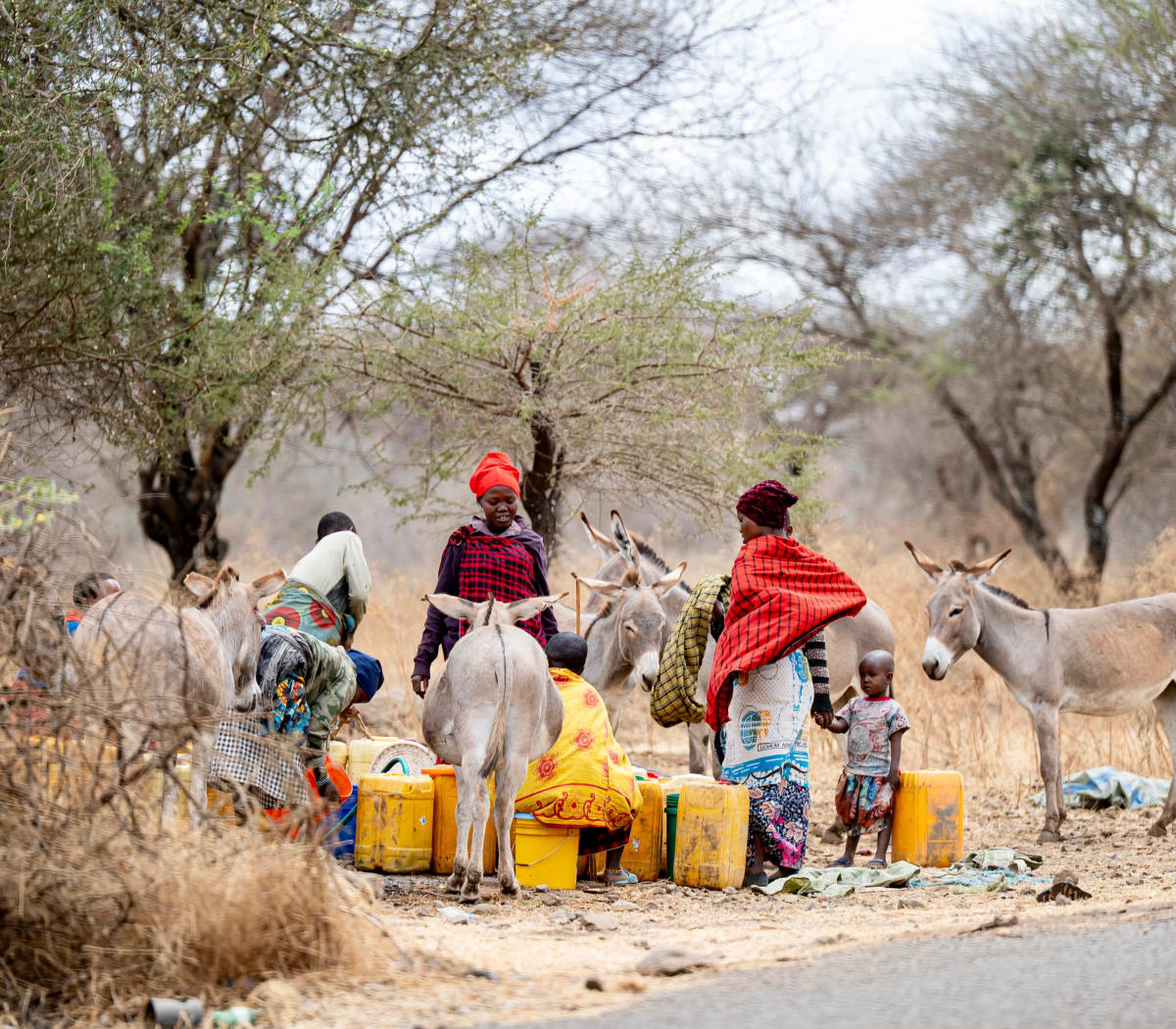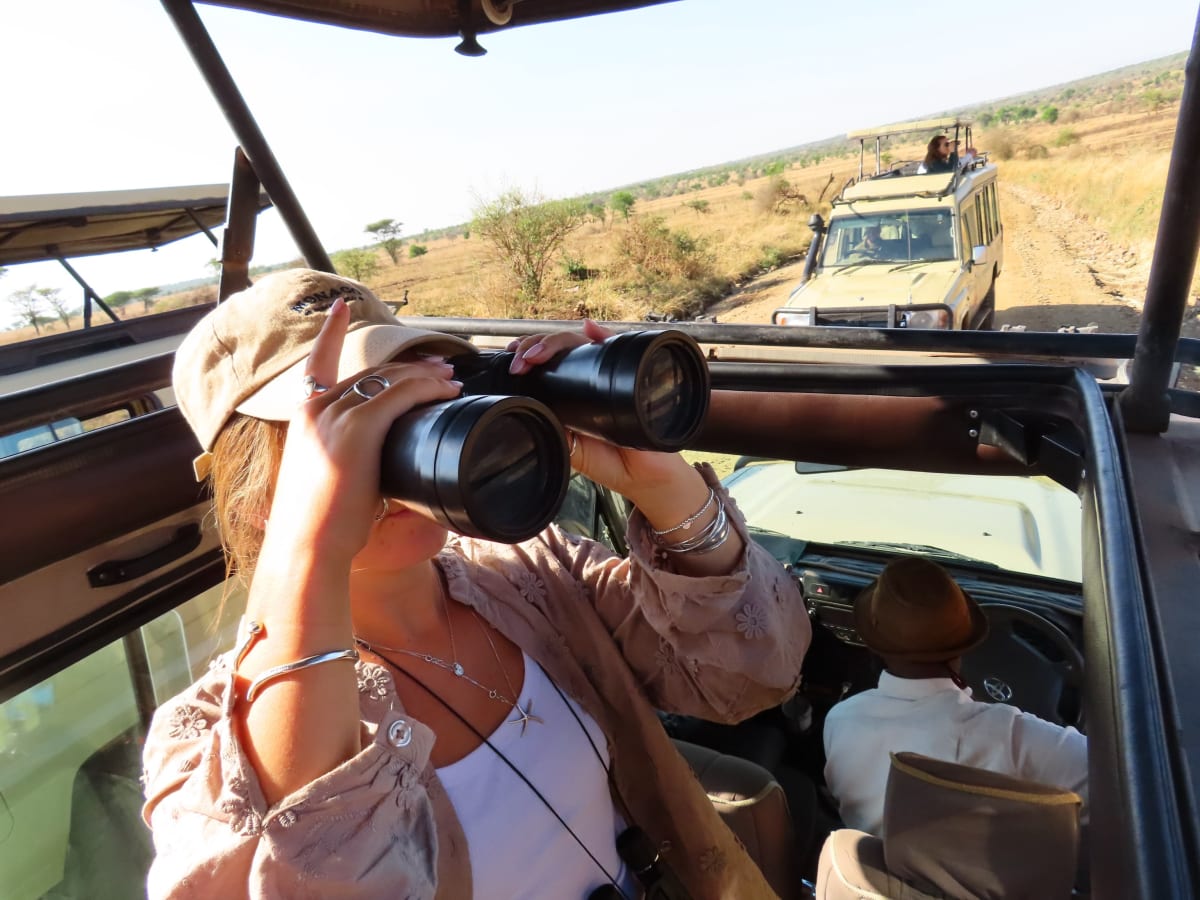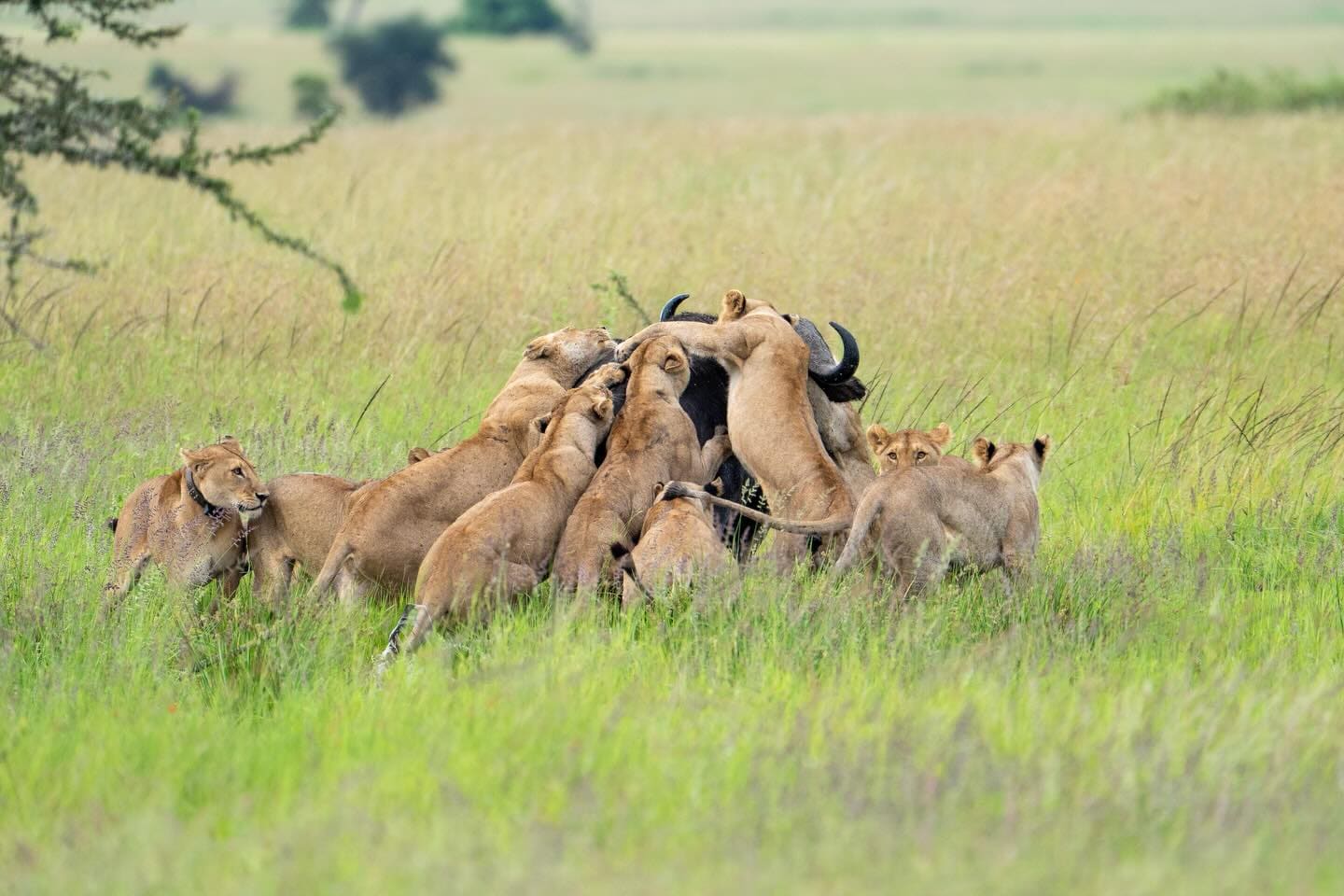
The best things to do in iSimangaliso Wetland Park are a boat trip on the St Lucia estuary to see hippos and crocodiles, a drive to Cape Vidal for the beach and the reef, a game drive in the Eastern Shores and, in season, turtle nesting and whale watching. The park is South Africa's first UNESCO World Heritage Site, listed in 1999, and it runs for about 220 kilometres along the coast of KwaZulu-Natal, from the Mozambique border to Mapelane. It is a place for water, birds and quiet wildlife, not only for the Big Five.
This guide describes the main activities, the best seasons and how to fit them into a day or two.
Why Is iSimangaliso Different From Other Parks?
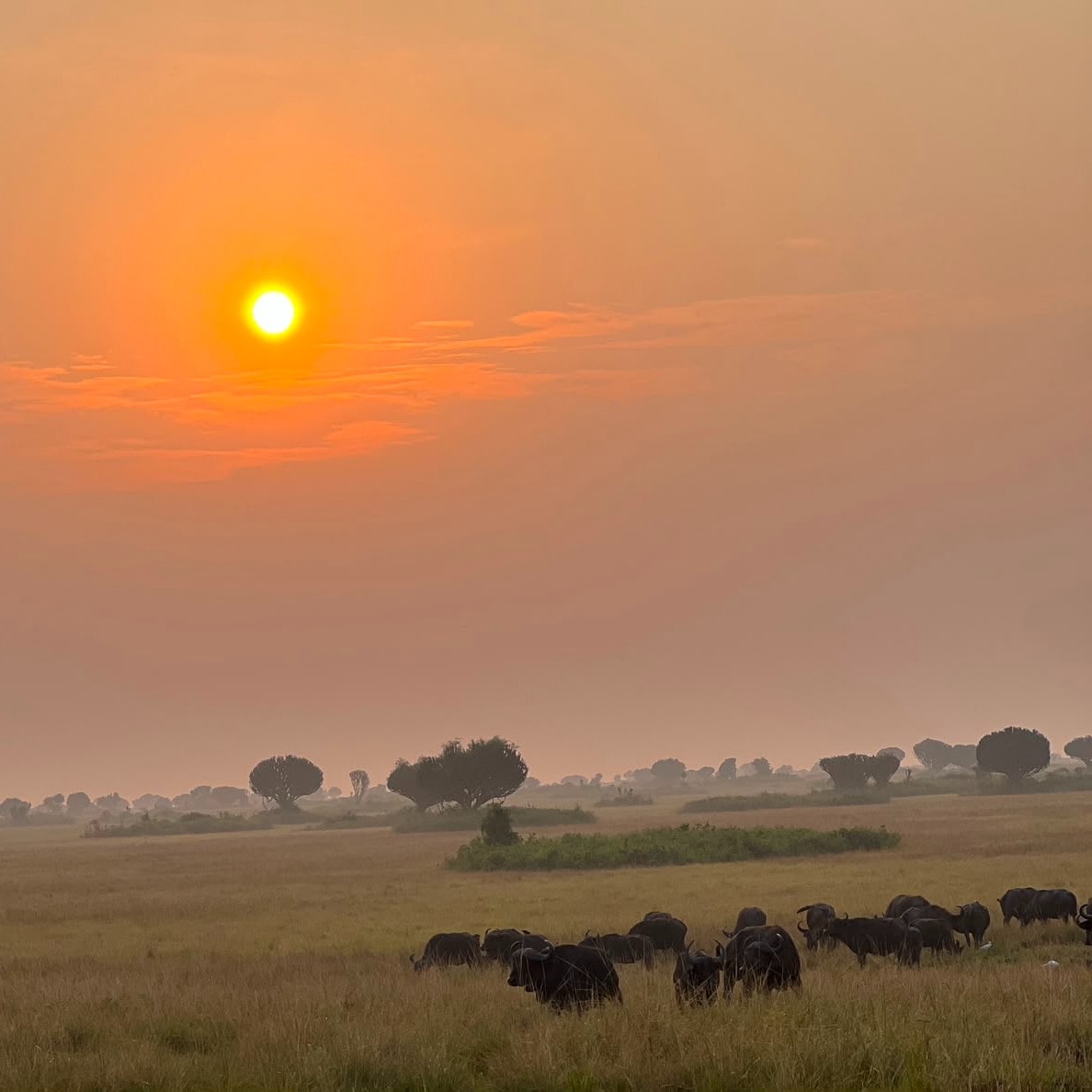
iSimangaliso is a mosaic of habitats: coral reefs, long beaches, coastal forest, wetlands, lakes and savanna. It holds Africa's largest estuarine system, the St Lucia estuary, and it is home to large populations of hippos and Nile crocodiles. Animals share the area with migrating whales offshore and nesting turtles on the beaches. The name means "a miracle and a wonder" in Zulu.
The pace is slower than a savanna park. You spend the day on the water, in the forest or on the beach, and you see wildlife as part of a landscape. Read how to combine iSimangaliso with a Big Five safari if you also want lions and rhinos.
Is the St Lucia Estuary Boat Trip Worth Doing?
Yes. It is the signature activity in the town of St Lucia. The boat carries a small group along the estuary for about two hours, with a guide who explains the animals and the ecosystem. Hippos are the stars: the estuary holds one of the largest populations in South Africa, and you see them wallowing in the shallows. Nile crocodiles rest on the banks, and fish eagles, kingfishers, pelicans and other waterbirds fill the air. The trip suits all ages and fitness levels.
Morning and afternoon departures offer different light. Hippos are active at dawn and dusk, and mid-morning is warm and bright. Book a time slot in advance in the busy months.
What Is There to See at Cape Vidal and the Eastern Shores?
The Eastern Shores, a strip of land between Lake St Lucia and the Indian Ocean, is reached by road from St Lucia. The drive passes grassland and forest, where zebra, giraffe, buffalo, wildebeest, kudu and other animals can be seen, and the road ends at Cape Vidal, a beach with a reef that is ideal for snorkelling at low tide. The beach is clean and wide, and the water is warm. There is a picnic area, and you can walk along the dunes. It is a good half-day or full-day outing.
Remember that this is a wild area. Follow rules about swimming, keep a distance from animals and carry water and sun protection.
Can You See Turtles and Whales?
Seasonal wildlife is one of the park's great attractions. Loggerhead and leatherback turtles nest on the beaches, mostly from about November to February, and permitted guided night tours allow visitors to watch the females come ashore. Hatchlings emerge later in the season. Humpback whales pass the coast on their migration, roughly from June to November, and are seen from the shore or on a boat trip. Neither is guaranteed, but the right season gives you a good chance. Book night turtle tours and whale cruises well ahead, since numbers are limited.
What About Birds and Walks?
The park has hundreds of bird species, including fish eagles, African spoonbills, flamingos in some seasons, kingfishers and forest species in the coastal woodland. Guided walks in the forest and on the Eastern Shores let you see birds and small animals at a slower pace. Bring binoculars and ask your guide to point out the best spots. Read the best bird-watching spots in South Africa for the wider picture.
How Long Should You Spend There?
One full day covers the estuary boat trip and a drive to Cape Vidal. Two nights give you time for a second activity, such as a night turtle tour, a forest walk or a game drive, and a slower pace. Many visitors combine the park with Hluhluwe-iMfolozi for the Big Five. Our 6-day South Africa safari and wetland adventure at iSimangaliso uses this approach, and the Signature Journey 6-day KwaZulu-Natal safari with Zulu cultural heritage adds the people of the region.
What Is It Like to Snorkel or Dive Here?
The northern end of the park, near Sodwana Bay, has some of the most popular reefs in South Africa. The reef sits in warm water, with corals, tropical fish and sometimes turtles. Divers come from far away, and snorkellers can enjoy the shallows with a guide. Cape Vidal has a small reef close to the beach, which is good for beginners at low tide. Conditions change with the weather and the swell, so ask your guide about safety before you enter the water. Currents can be strong, and some beaches are not safe for swimming.
Can You Walk in iSimangaliso?
Yes. There are guided walks through coastal forest, along dune ridges and around lakes. Walking is the best way to see small things: butterflies, forest birds, tracks and plants. Guides explain the ecology of the dunes, which are among the tallest vegetated dunes in the world, and the role of the wetlands. Walks last from one to three hours, and they begin early in the day to avoid heat. Closed shoes and a hat are essential. Some areas also have lookout points over the lake and the ocean that are easy to reach by short trails.
How Do Hippos and Crocodiles Shape Your Visit?
The estuary is one of the best places in Africa to watch hippos and crocodiles from the water, but it also means you must respect their space. Hippos can be dangerous on land at night, and crocodiles live in many waterways. Stay with guides, never walk along the shore after dark and obey signs about swimming. Hippos come out onto land to graze at night, so lodges in the town of St Lucia advise you to walk with a torch. These precautions are normal, and they add to the feeling of being in a wild place.
What Is a Good Two-Day Plan?
A simple plan runs like this. On day one, arrive in St Lucia in the morning, join the estuary boat trip, have a long lunch and spend the afternoon at the beach or in town. On day two, drive to Cape Vidal and the Eastern Shores in the morning, snorkel at the reef and picnic on the beach. In the evening, join a night turtle tour in season. If you have a third day, add a forest walk or a visit to a community project. The 6-day South Africa safari and wetland adventure follows this approach and adds a Big Five reserve.
Who Will Enjoy iSimangaliso Most?
Ideal para
- Travellers who like water, birds and a quiet pace
- Families who want an easy boat trip and a beach
- Anyone adding a coastal stop to a South African safari
Puede no ser ideal para
- Visitors who want dense Big Five sightings, who should add a game reserve
- Travellers who dislike boats or heat in summer
¿Qué errores cometen los visitantes?
- Expecting a typical savanna park. The park is about water and landscape.
- Swimming without advice. Currents, crocodiles and sharks make some beaches unsafe.
- Booking turtle tours late. Places are limited.
- Skipping malaria advice. Ask a doctor, since northern KwaZulu-Natal has a risk.
Frequently Asked Questions About iSimangaliso
¿Cuál es el mejor momento para visitar?
Winter is dry and mild, and summer is hot and humid. Turtles nest in summer, and whales pass in winter and spring.
Can I see the Big Five here?
Some of the area's reserves hold them. For dense sightings, add Hluhluwe-iMfolozi or a private reserve.
¿Es seguro nadar?
Only at beaches and areas your guide approves.
How far is St Lucia from Durban?
About two and a half to three hours by road.
Is St Lucia suitable for families?
Yes. The boat trip, the beach and the forest walks suit children, though malaria precautions and water safety need attention.
Can I visit iSimangaliso in a day from Durban?
It is possible but long. A night in St Lucia is far more comfortable.
¿Planificando tu viaje?
Tell us your dates and the animals or seasons you care about, and we will plan the days. Talk to Our Tour Specialist, or see the South Africa destination page.