The best time to visit Sabi Sands for wildlife viewing is the dry winter, from May to September, when the bush is thin, the days are clear and the animals gather around water. But wildlife is good all year in this reserve, and the green summer, from November to March, brings newborn animals, migrant birds and lower rates. The best month is the one that matches what you want to see and how much heat or crowd you accept.
This guide goes season by season and month by month, then explains how each changes the leopards, the Big Five, the birds and the cost.
How Does the Weather Work in Sabi Sands?
Sabi Sands lies in the lowveld of north-eastern South Africa, next to Kruger National Park. The climate has two main seasons. Winter, from May to September, is dry, with warm days and cold nights and early mornings that can be near freezing. Summer, from October to March, is hot and humid, with afternoon thunderstorms, and the vegetation is dense and green. April and October are transitional months.
The season affects how you see animals. In winter, the bush is open and animals visit the waterholes and rivers, which makes them easier to find. In summer, water is everywhere, and the animals disperse into thicker vegetation.
What Is Winter, May to September, Like?
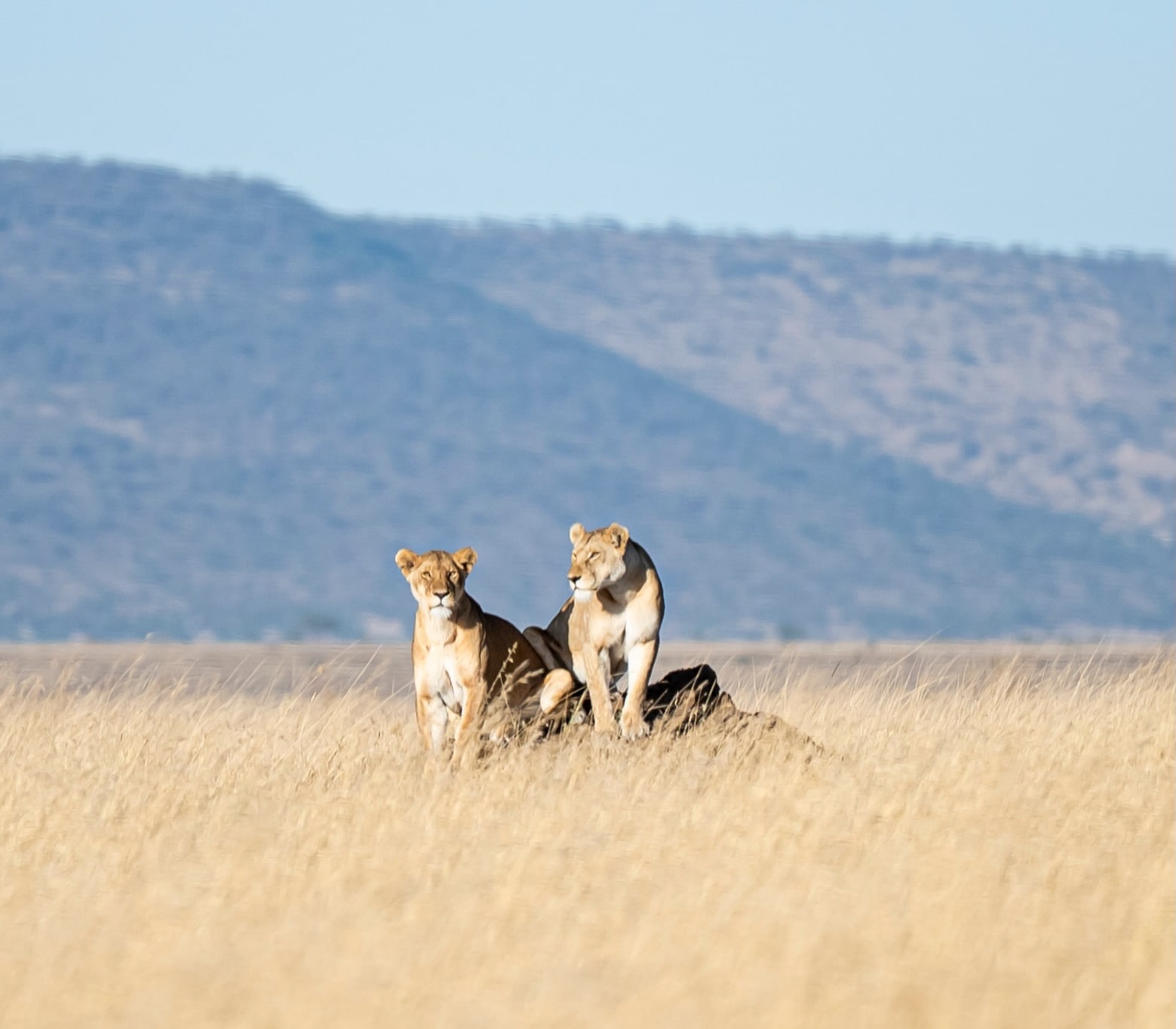
This is the peak safari season, for good reasons. The grass is short, the trees lose their leaves and sight lines are long. Animals depend on rivers and waterholes, so you can wait at a drinking place and watch visitors come and go. Leopards are active on the roads and in the open, lion prides are easier to follow and elephant herds gather at rivers. Mornings and evenings are cold on an open vehicle, so you need a fleece, a hat and gloves for the early drive. Days are comfortable and mostly dry.
This is also the busiest and most expensive period, particularly June to September. Lodges fill up, and rooms with the best positions sell out far ahead.
What Is Summer, November to March, Like?
Summer is hot, humid and green. The bush is thick, and animals are harder to see at a distance, but the reserve is alive. Impala and other antelope give birth in November and December, and predators follow the newborns. Migrant birds arrive, so birding is at its best. Thunderstorms bring dramatic skies and cool the afternoons. Game drives start early to avoid the heat, and you will have a rest in the middle of the day.
Lodge rates are lower, and the reserve is quieter. If you are patient and do not mind the heat, summer rewards you with a lively and rich bush.
Which Season Is Better for Leopards?
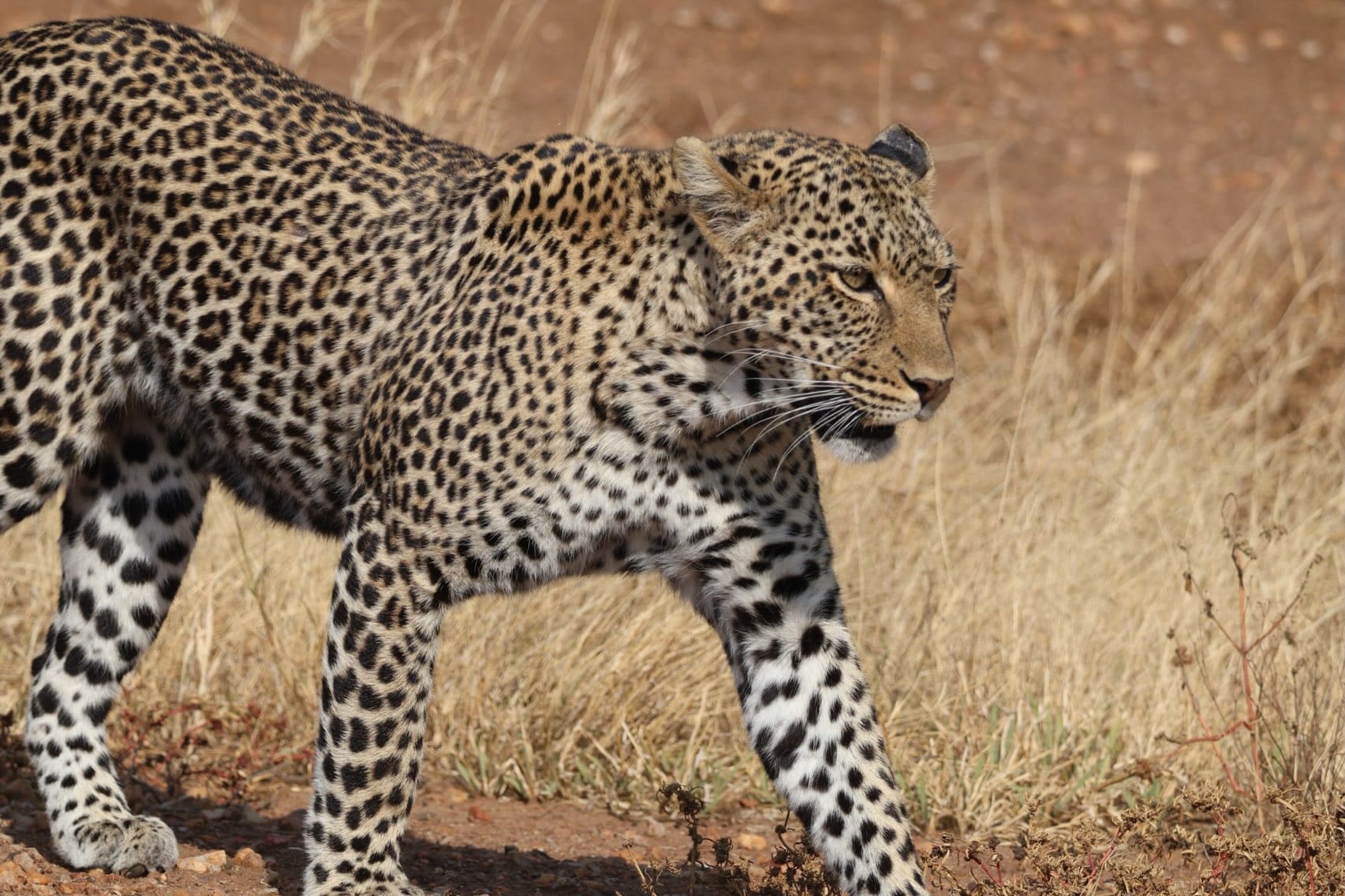
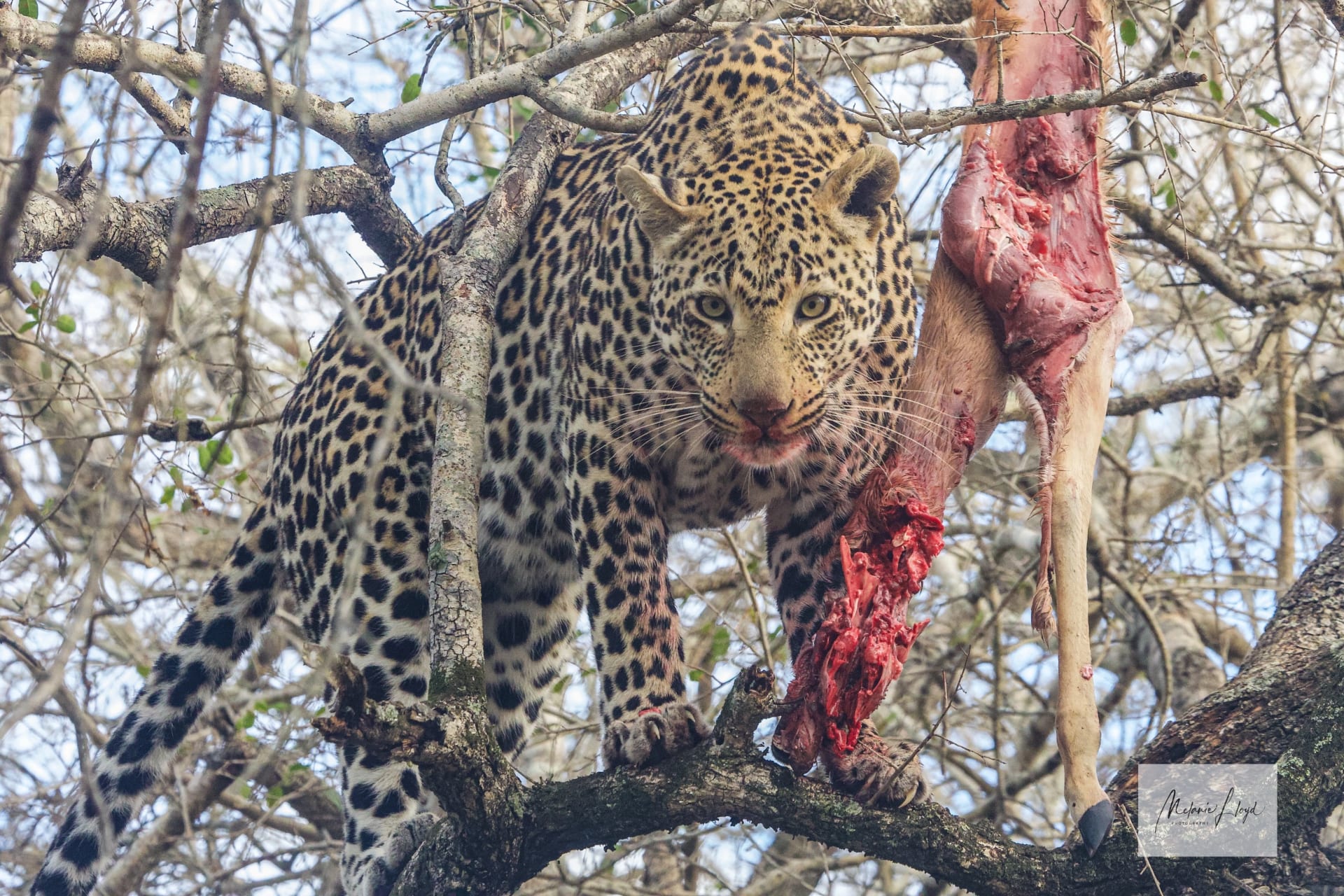
Sabi Sands is famous for leopards, and they are seen in every month. In winter, the open bush and the use of waterholes make them easier to spot. In summer, the thicker vegetation hides them, but guides and trackers know where they have been, and leopard sightings remain frequent. No season guarantees an encounter. A stay of four nights or more raises your odds in any month.
Which Season Is Better for Birds?
Summer is best for birds. From about October to March, migrants arrive from Europe and northern Africa, residents are in breeding plumage and the bush is full of song. Winter is easier for large birds and raptors, which perch in open trees. The reserve has hundreds of species. Read the best bird-watching spots in South Africa for a wider view.
How Do Prices and Crowds Change?
Winter is the high season, with the highest rates and full lodges. Summer rates are lower, and shoulder months such as April, May, September and October offer a good balance of weather and price. The December holidays are busy and expensive. If you want winter weather at a lower price, May and early June or September are good choices. Read how much a luxury Kruger safari costs for the budget side.
What Is a Typical Day Like on Safari?
The rhythm of a day is the same in every season, with times that shift slightly. A wake-up call comes before dawn, around 5:00 in winter and earlier in summer. Tea or coffee and a snack are served, and the morning drive leaves at first light. You search for animals for about three hours, with a stop for coffee in the bush. You return to the lodge for a full breakfast, then rest, swim or read through the heat of the day. Lunch is served mid-day. In the late afternoon, the second drive begins, often finishing in the dark with a spotlight to find nocturnal animals. Dinner follows, often around a fire.
In winter, the drives are cold and short in daylight. In summer, the heat shifts the activity earlier and later, and the rest at midday is longer.
How Many Nights Do You Need?
Three nights is the minimum for a rewarding stay, because it gives you six drives. Four or five nights are better. Each drive is different, since animals move, and the more drives you have, the more likely you are to see something special, such as a leopard with a kill or a pride of lions hunting. Because the reserve is large, the guide may spend a morning following one animal. A stay of five nights lets you request a particular sighting, such as a leopard with cubs, and give the guides time to find it. Longer stays also lower the cost per night of the whole trip.
What Should You Expect From the Guides and Trackers?
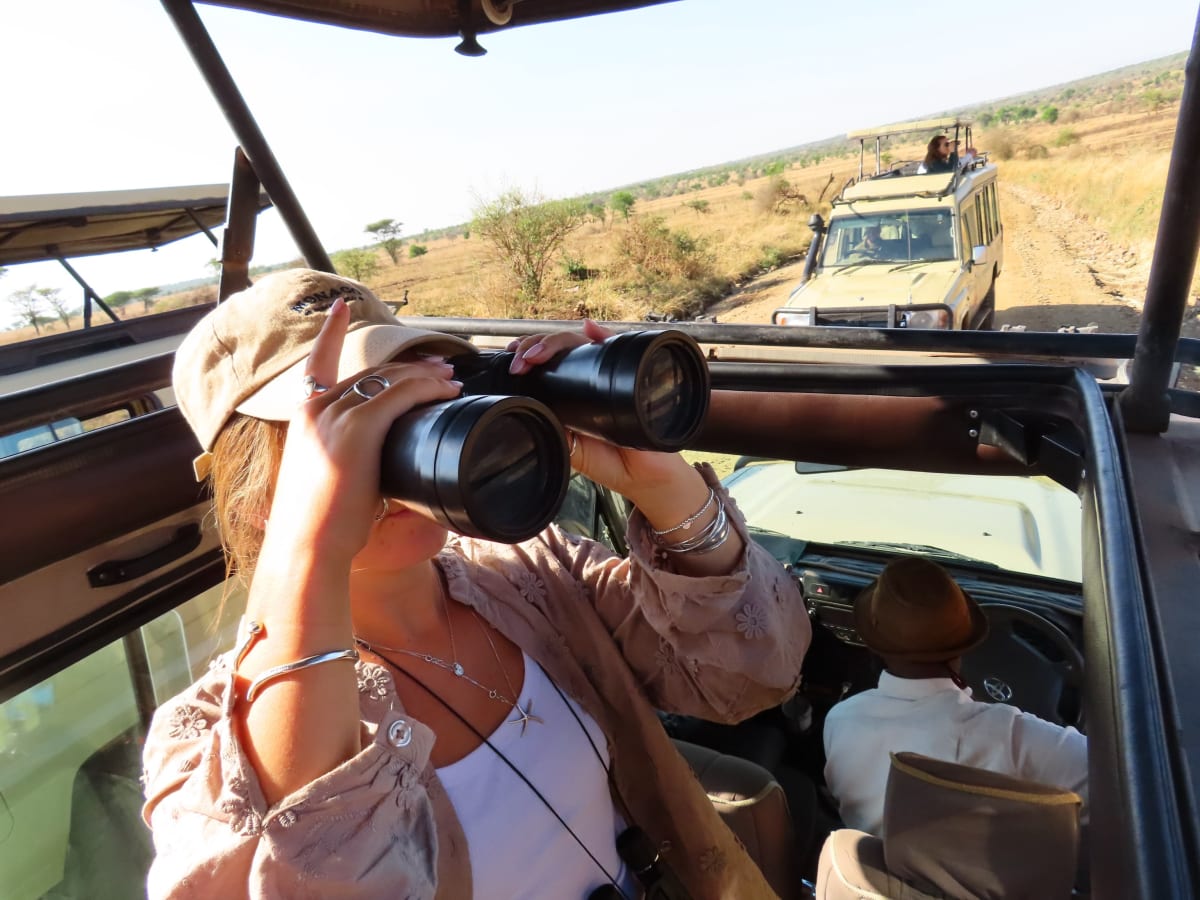
Each vehicle has a guide and a tracker, and their knowledge is the value of the lodge. The guide drives and explains, and the tracker sits on a seat at the front of the vehicle, reading tracks and signs. Between them, they know the territories of the leopards and lions, the favourite trees and the places where animals drink. Ask questions, and let the guide set the pace. Your guide may suggest staying longer at a sighting or moving on to a better one. Their judgement is part of what you pay for, and it matters more than the vehicle.
Can You Combine Sabi Sands With Other Places?
Yes. A common route combines the reserve with Cape Town, Johannesburg or the Panorama Route. Read can you combine a Cape Town city tour with a safari to plan it. Others pair the reserve with a coastal stay in KwaZulu-Natal. See the 5-day luxury Kruger and Sabi Sands safari and the 6-day Sabi Sands and Kruger safari.
¿Qué mes deberías elegir?
Best for the dry winter
- First-time visitors who want the easiest game viewing
- Photographers who prefer open views
- Travellers who dislike heat and humidity
May not be ideal for the dry winter
- Budget travellers
- People who feel the cold on early drives
What Is the Difference Between Sabi Sands and the Rest of Kruger?
Sabi Sands is a private reserve that shares an open boundary with Kruger National Park. Animals move freely between them. The difference is in how you see them. In Kruger, you stay on public roads and share sightings with many vehicles. In Sabi Sands, your guide can leave the road, the number of vehicles at a sighting is limited and the lodges are exclusive. That is why leopards are often seen so close here. The cost is higher, and the experience is more intimate.
What Should You Do if It Rains on Your Drive?
Rain is part of summer. Guides carry ponchos and rain covers for the vehicles, and many drives continue in light rain. Animals often become more active after a storm. In heavy rain, the drive may be shortened. Keep a waterproof layer and a plastic bag for your camera. A wet drive can be among the most atmospheric, with fresh smells and dramatic skies. Ask your lodge how it handles bad weather.
¿Qué errores cometen los viajeros?
- Dressing for the afternoon. Winter mornings are cold on an open vehicle.
- Avoiding summer. It offers birds, babies and good rates.
- Booking one night. Four nights give you better odds.
- Booking late for June to September. The best rooms disappear.
Frequently Asked Questions About Visiting Sabi Sands
Is it too hot in summer?
It is hot and humid, but the drives are at dawn and dusk. Midday is for rest.
Is winter too cold?
Mornings are cold on the vehicle, and blankets and layers help. Days are pleasant.
Is malaria a concern?
The area is a malaria zone, with a lower risk in winter. Speak to a doctor.
¿Qué debo empacar?
Are children allowed on game drives?
It depends on the lodge. Many accept children over a minimum age, and some offer family vehicles. Ask us for the age rules.
What is the best month for leopards?
Leopards are seen throughout the year. Winter makes them easier to find, and summer brings babies and thick bush.
¿Planificando tu viaje?
Tell us your month, and we will say honestly what to expect. Talk to Our Tour Specialist, or see the 6-day luxury Sabi Sands safari.