The best time to climb Kilimanjaro is during the two dry seasons: January to early March and June to October. These months give you the clearest skies and the most stable trails. July to September is the busiest, and January and February are quieter with warmer days. The rainy months, March to May and November, can still be climbed, and with the right route and gear they offer quiet trails.
This guide goes through the seasons, month by month, then matches routes, crowds and safari plans to each period.
How Does Kilimanjaro's Weather Work?
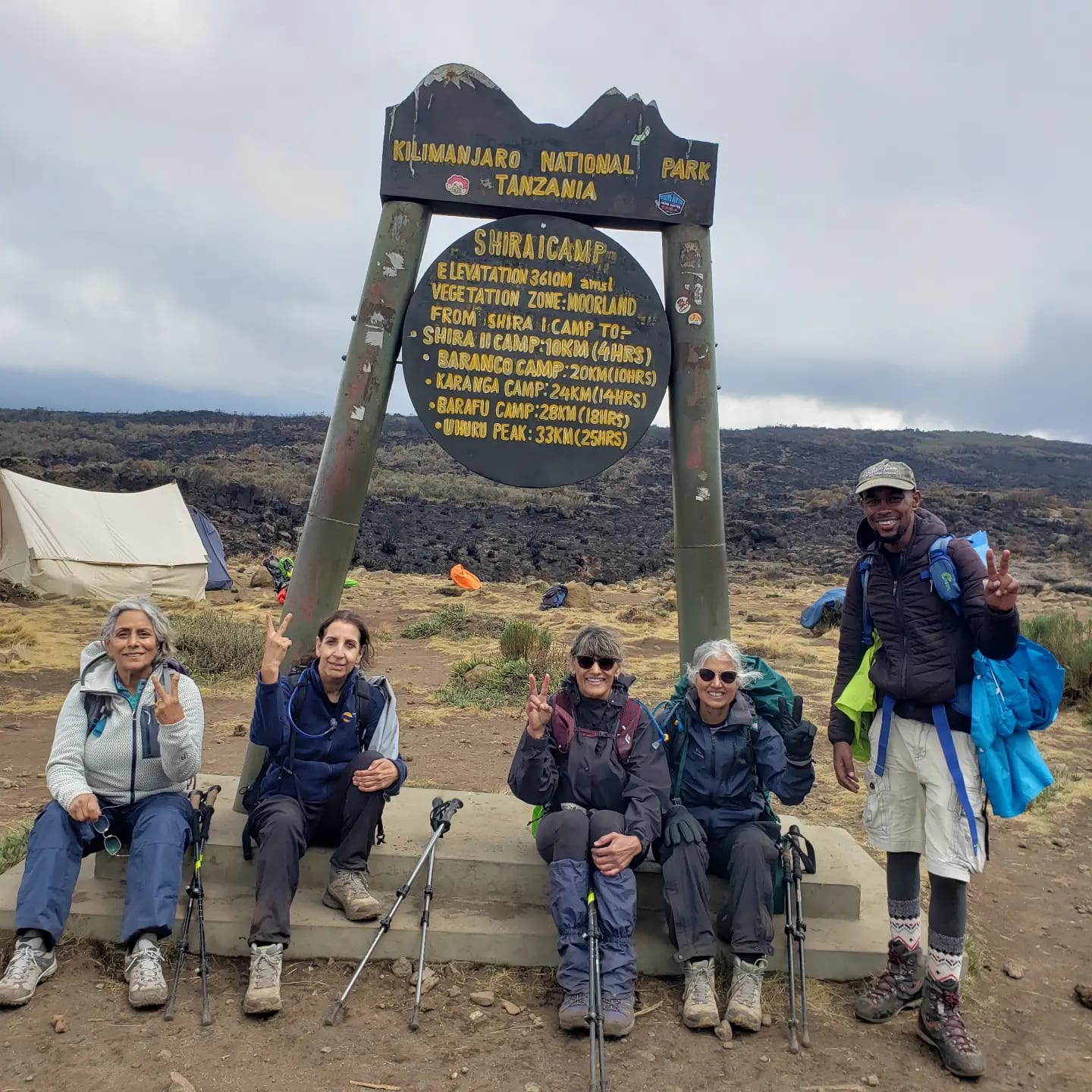
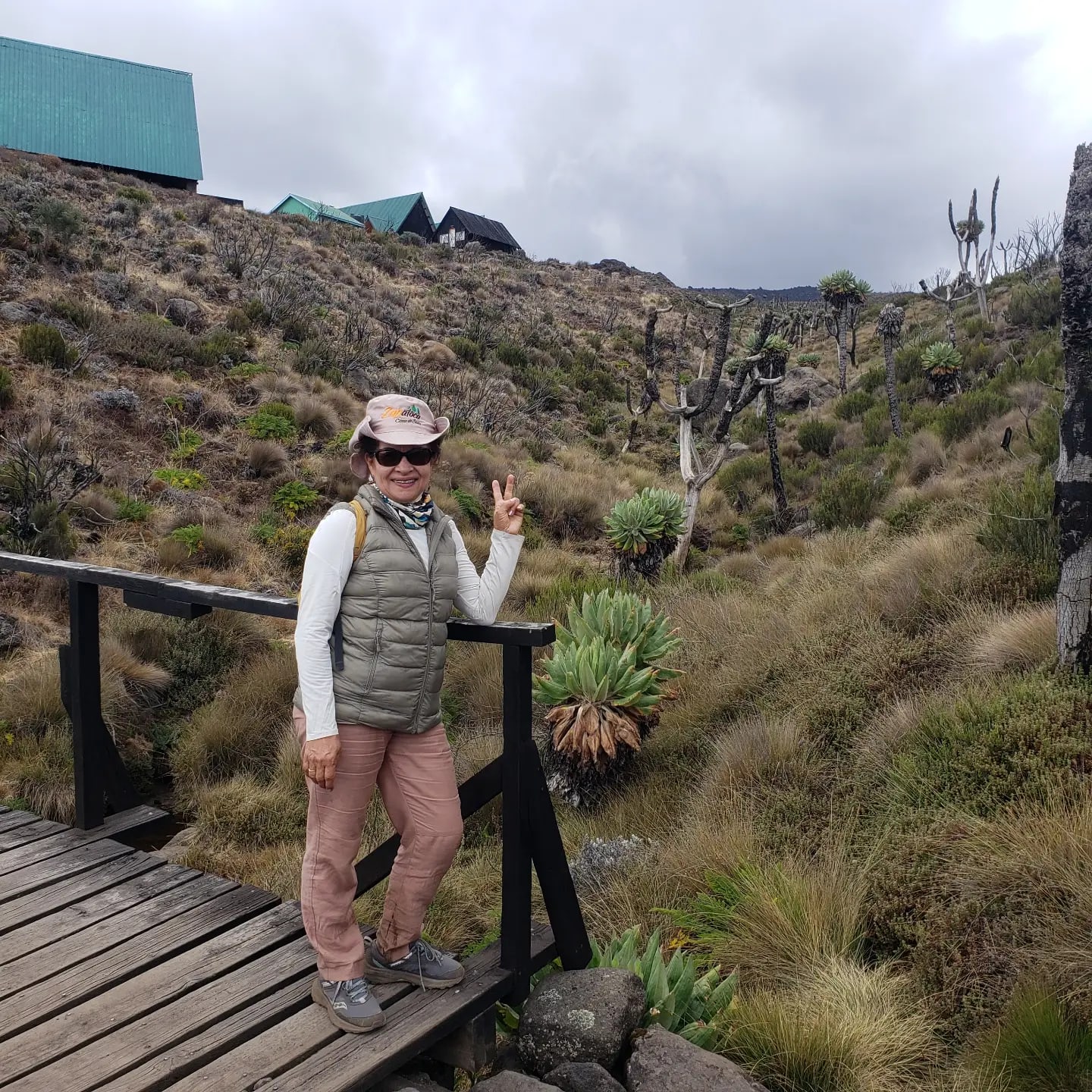
The mountain sits near the equator, so the seasons are defined by rain, not by summer and winter. Because it is so tall, you pass through several climate zones on one climb: warm rainforest at the bottom, cool moorland, a cold alpine desert and a freezing, windy summit. Whatever the month, the summit is cold at night, well below freezing, and weather can change within an hour.
Rain falls in two seasons: the long rains from March to May and the short rains in November. The rest of the year is mostly dry.
Which Months Are Best?
January to early March
These are warm, dry months with clear skies. Days are pleasant, nights are cold, and the trails are quieter than in mid-year. Summit nights can be cold and windy, and the odd storm is possible in late February and March. It is an excellent window and often overlooked.
June to October
This is the main dry season and the most popular. Skies are clear, and rainfall is low. June to September is the coldest part of the year on the upper mountain, with strong winds on summit night, and the trails are busy, especially in July and August. October is calmer, with warm days, and the short rains start to build toward November.
March to May
The long rains bring heavy showers, cloud and mud. Trails are slippery, visibility is poor and the upper mountain may see snow. Fewer climbers go, so camps are quiet. Climbing in these months demands waterproof gear and patience.
November and December
The short rains arrive in November, usually with afternoon showers and clear mornings. December returns to drier weather, but the Christmas period brings crowds. Late December to February is a good window if you can travel then.
Does the Moon Matter?
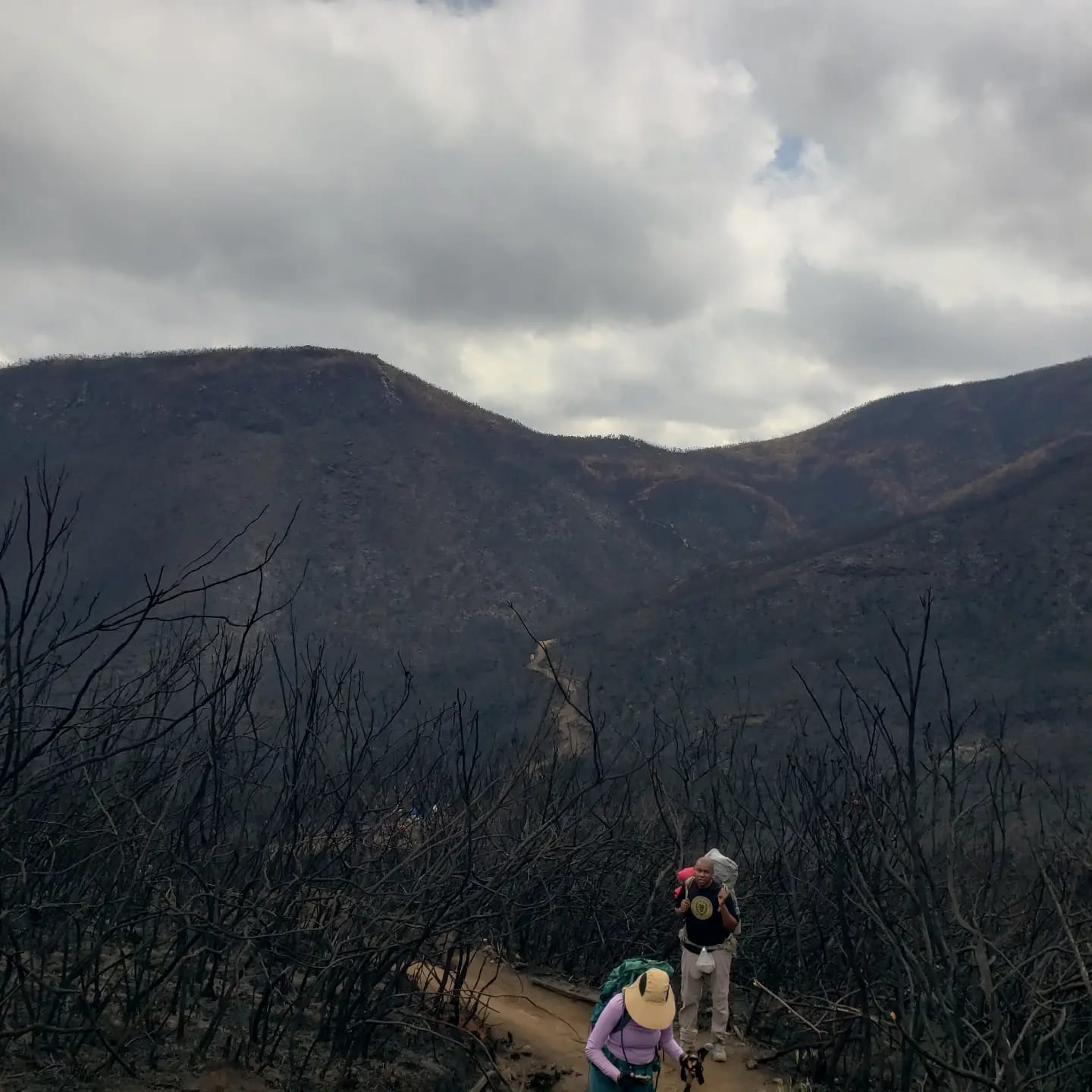
Summit attempts start around midnight, and a full moon makes the climb easier because the slopes are lit. Many climbers time their summit night around the full moon, and some operators arrange departures accordingly. The disadvantages are crowds, since everyone has the same idea, and cold clear nights. A new moon gives darker skies and a spectacular view of the stars, with a headlamp and a steady pace. Neither is better in every way. Pick the one that suits your temperament.
Which Route Suits Which Season?
In the dry months, any route works. In the rains, the north-side Rongai route is drier and often favoured, while Lemosho and Machame are wet and muddy but also quiet. Marangu has huts and a drier hut option but a lower success rate. Read the best route to climb Kilimanjaro for a full comparison. Whatever the season, choose seven days or more if you can.
How Should You Pack for Each Season?
The list is similar all year, and the differences are in the details:
- Dry months: a good down jacket, gloves, a warm hat, sun protection and a headlamp.
- Wet months: waterproof jacket and trousers, gaiters, spare socks and dry bags.
- All year: broken-in boots, trekking poles, thermal layers and a sleeping bag rated for low temperatures.
Read what to pack for a Tanzania safari for the safari half of the trip.
How Can You Pair the Climb With a Safari?
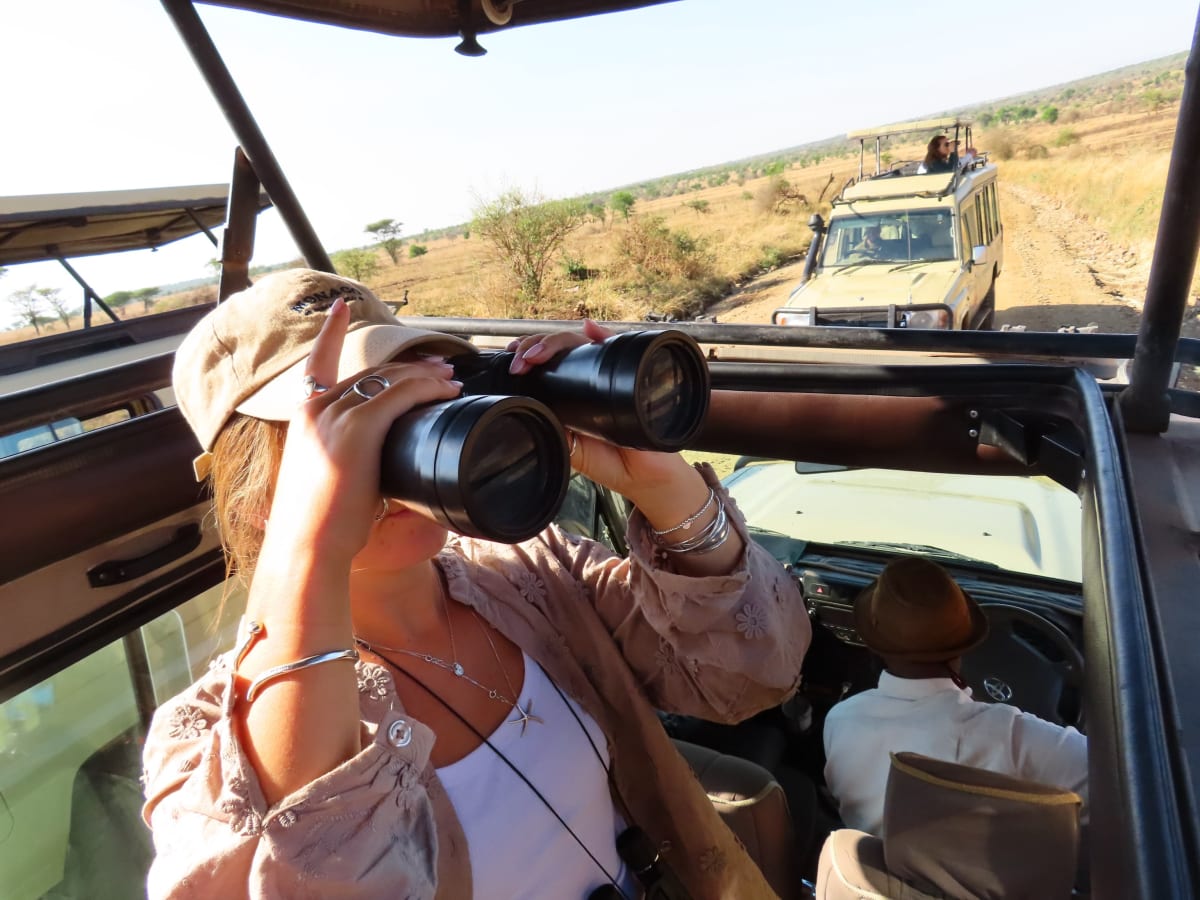
The dry months for the mountain are also good for wildlife. June to October is the best time for game viewing in Tarangire and the Serengeti, while January to February offers calving season in the south of the Serengeti. Consider putting the safari after the climb, when the legs need rest. Routes such as the 12-day Kilimanjaro hike and Tanzania wildlife safari and the 12-day Kilimanjaro hiking and Maasai cultural tour work this way.
How Cold Does Summit Night Get?
Cold enough to plan carefully. Temperatures at the summit can fall to between minus 10 and minus 20 degrees Celsius, and the wind makes it feel colder. The coldest period is usually June to September, when the air is dry and the winds are strong. January to March is somewhat milder. The cold is not dangerous if you wear the right layers: a thermal base, an insulating mid-layer, a down jacket, a waterproof shell, warm trousers, a hat, gloves, a buff and sturdy boots. Take care with water bottles, which can freeze, and keep batteries warm in an inner pocket. Walk slowly, and keep your hands warm.
How Does Altitude Interact With the Season?
The season does not change the altitude, but it changes how you cope. In cold, windy months, fatigue and dehydration come faster, and the risk of feeling unwell rises. In warm months, you are more comfortable, and appetite and sleep are better. In wet months, a damp, cold camp can be draining. Whatever the month, a longer route, a slow pace and plenty of water matter most. Talk to a doctor about altitude medicine, and tell your guide if you feel headaches, nausea or dizziness. Read the best route to climb Kilimanjaro to choose days.
How Do Crowds Change by Month?
Trails are busiest in July, August and the Christmas and New Year weeks. Camps on the Machame and Marangu routes can feel full, and queues form at certain points. January, February and September offer fewer climbers and excellent weather. March to May and November are the quietest, because of the rain. If you value solitude, choose a less common route such as Rongai, Lemosho or the Northern Circuit, or travel outside the peak weeks. Your operator can tell you how many groups will be on your route on your dates.
When Should You Book?
For July, August and the Christmas weeks, book three to six months ahead, since good guides and spaces fill. For the quieter months, six to eight weeks is usually enough, though earlier gives choice. Allow time for visas, vaccinations, training and kit. Insurance should cover high altitude and evacuation. We help with visas through our free consultancy. Start training at least two months before, with long walks in boots, hill climbing and stairs.
Who Should Choose Which Month?
Best for the dry seasons
- First-time climbers who want the best weather
- Climbers who plan a safari straight after
May not be ideal for the dry seasons
- Climbers who dislike crowds in July and August
- Budget travellers who want lower prices in the rains
How Do You Prepare Mentally for the Climb?
The mountain is as much a test of mind as of legs. Days are repetitive, nights are cold and summit night is long and dark. Prepare by walking long distances in training, so you know how it feels to keep going when tired. Accept that you will walk slowly. Break the climb into small goals: the next rest, the next camp, the next hour. Talk to your guide when you feel low. Many climbers say that the quiet encouragement of the crew and the shared effort of the group carried them to the top.
What Do You Do if the Weather Turns?
Guides check the forecast and the conditions every day. If heavy rain, snow or strong wind threatens summit night, they may delay the attempt by a few hours or advise turning back. Safety comes first. Dress for the worst, keep your waterproofs accessible and tell your guide if you feel cold or unwell. A trip with a flexible schedule, such as a seven or eight-day route, gives more room to wait for better weather. Travel insurance that covers high altitude is wise.
What Mistakes Do Climbers Make?
- Choosing a month by crowds alone. A quiet month can be a wet one.
- Underestimating the cold. Summit night is cold in every month.
- Booking late. Good dates in July and August fill early.
- Skipping travel insurance. It should cover high altitude.
Frequently Asked Questions About Kilimanjaro Timing
Can I climb in the rainy season?
Yes. Choose Rongai if you can, bring waterproofs and accept mud.
Which month has the best views?
January, February and September are often clear, but views depend on the day.
¿Con cuánta anticipación debo reservar?
Three to six months for July, August and the Christmas period.
Is it too cold in July?
It is cold on summit night in every month. Good clothing makes July manageable.
Is there a full-moon summit?
Yes, some departures are timed to the full moon, which lights the slopes on summit night. These dates are popular and fill early.
Can I climb in December?
Yes. It is usually a good month, with some showers, and the holiday period is busy.
¿Planificando tu viaje?
Cuéntanos tus fechas, y te diremos honestamente qué esperar y elegir la ruta. Habla con nuestro especialista de tours, o visita la página de destino de Tanzania.