How difficult is gorilla trekking in Rwanda? It is moderate for most people and hard for a few. The walk to the gorillas can last anywhere from 30 minutes to four hours or more each way, on steep, muddy ground, at an altitude where the air is thinner than you are used to. You do not need to be an athlete, but you do need to be able to walk uphill for several hours. Porters, walking sticks and a steady pace from the rangers make it manageable for many people who think they cannot do it.
Below we explain exactly what makes the trek easy or hard, how the family you are given changes the day, how to train, and what to tell your operator. Rules and fees change, so confirm them with the Rwanda Development Board (RDB) before you book. We checked the details in October 2026. This guide supports our complete guide to gorilla trekking in Rwanda.

What Does a Gorilla Trek in Rwanda Actually Involve?
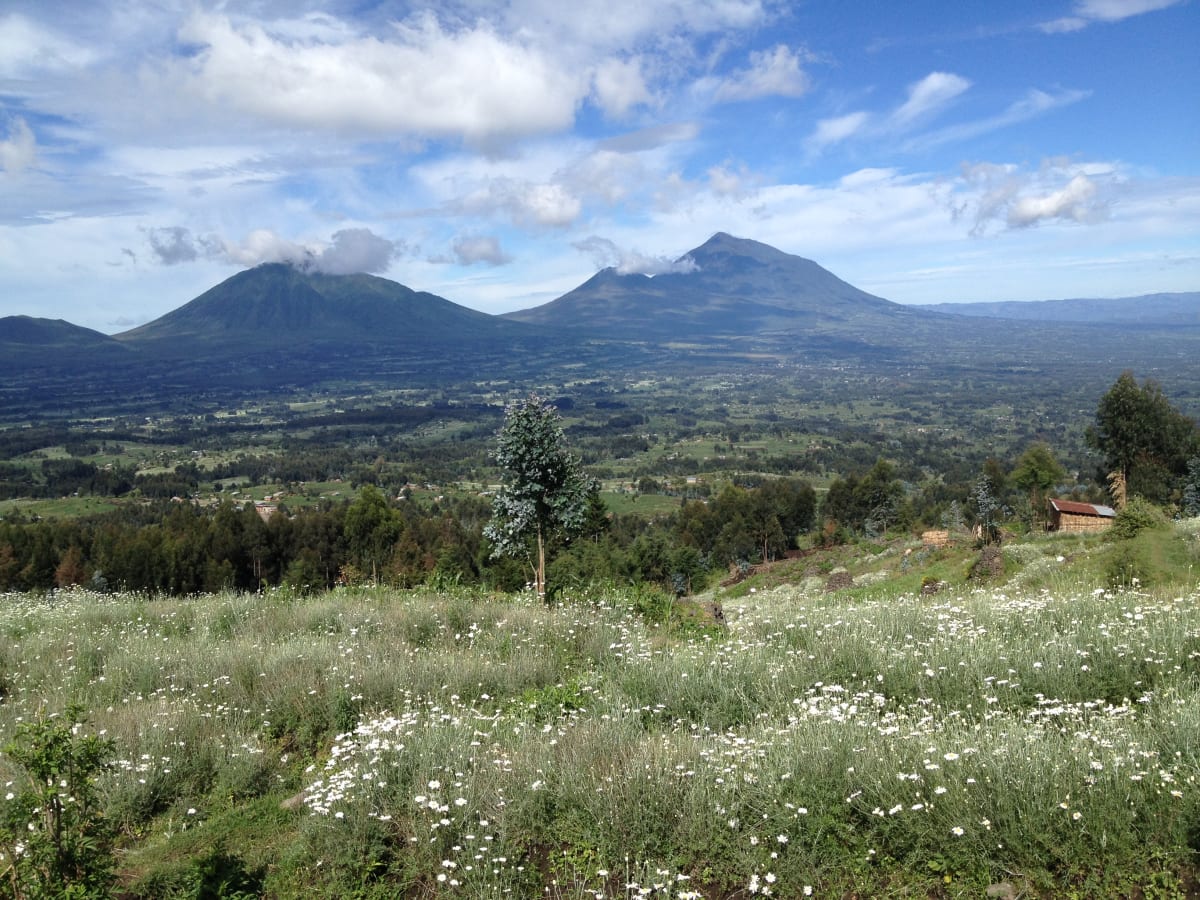
You report to the park headquarters at Kinigi early in the morning, usually at 7:00, for a briefing. Rangers split the visitors into groups of up to eight and assign each group to one gorilla family. A driver then takes you to the trailhead that is closest to where that family slept. From there the walk starts, usually across farmland and a stone wall, then into bamboo and montane forest, where the forest begins at about 2,400 metres above sea level.
Trackers go out before you and radio the position of the family, so you do not search blindly. Once you reach the gorillas you may stay for one hour, at least seven metres away. Then you walk back. The whole outing, including the briefing and the transfers, usually takes between three and seven hours.
How Long Is the Walk to the Gorillas?
This is the question that decides the day, and nobody can answer it exactly in advance. Gorilla families move every day, so the distance changes with where they spent the night, what they are eating and whether it has rained. Typical reports range from about 30 minutes to four hours or more in each direction. The RDB assigns families on the morning of the trek, and your operator can ask for an easier or harder one, although the final decision is the rangers'.
| Factor | Makes it easier | Makes it harder |
|---|---|---|
| Family assigned | A family that slept near the park boundary | A family high on the slopes or far from the road |
| Weather | Dry, firm ground (June to September) | Rain, deep mud and slippery roots (March to May) |
| Fitness | Regular walking and stair climbing | Little exercise before the trip |
| Support | Porter, walking stick, steady pace | Heavy bag, new boots, a rushed schedule |
Which Parts of the Trek Are Hard?
The altitude
The forest starts at roughly 2,400 metres and the gorillas can be higher. At that height you breathe harder than at sea level, especially on climbs. Most visitors adapt well when they spend a night near the park first. If you arrive from Kigali, which sits at about 1,500 metres, the drive to Musanze already helps.
The mud and the slopes
The ground is steep, wet and often slippery, with roots and stinging nettles. This is what tires people more than distance. Good grip, gaiters or tucked-in trousers, and a stick make a big difference. We list the clothing in our gorilla trekking packing list.
The pace and the waiting
The group walks at the speed of its slowest member, and rangers stop for breaks. Many people find the stops and the final approach harder than the climb, because the trackers sometimes ask you to leave your bag and move quietly through dense vegetation to reach the gorillas.

¿Qué nivel de condición física necesitas?
You need the fitness to walk uphill with a light daypack for two to four hours, then walk back down. If you can climb several flights of stairs without stopping, hike a hilly trail for half a day, and recover the following morning, you are probably ready. The minimum age is 15, and there is no maximum age. Older travellers who walk regularly succeed all the time; see our guide for gorilla trekking for seniors and the article on age limits.
How Should You Train for the Trek?
- Walk uphill. Do two to three hours on hills or steps, at least once a week for six weeks before you travel.
- Wear your boots. Break in waterproof boots well before the trip so you do not get blisters.
- Carry a daypack. Train with about four to six kilograms, which covers water, a rain jacket and a camera.
- Build leg strength. Lunges and step-ups help the descents as much as the climbs.
- Rest before the trek. Arrive a day early near the park so jet lag does not add to the effort.
What Makes the Trek Easier on the Day?
Hire a porter. The fee is small, the porter carries your bag and gives you a hand on slippery sections, and the money supports families around the park. Use a walking stick, which is usually available at the trailhead. Tell the rangers at the briefing about any knee problem, asthma or heart condition, and ask for a slower pace. Drink water, eat a proper breakfast and pace yourself, because there is no prize for arriving first.

Is the Rainy Season Harder?
It can be. March to May and October to November are wetter, which means more mud, slower footing and a heavier rain jacket. The trek still happens, and many travellers choose the wet months for fewer visitors and the lower prices that sometimes apply. The drier months, June to September and December to February, give firmer ground. Read more in our guide to the gorilla permit and the Volcanoes National Park travel guide.
Is Gorilla Trekking Harder in Rwanda or Uganda?
Neither country is always harder. Rwanda's Volcanoes National Park has open bamboo slopes and farmland approaches, so the access is often quicker, though the altitude is higher. Uganda's Bwindi Impenetrable National Park has dense, steep, rolling forest where treks can be shorter or much longer, and the terrain is more tangled. Read the comparison in Rwanda vs Uganda gorilla trekking and the Bwindi guide.
Ideal para
- Active travellers who walk or hike regularly
- Families with teenagers (15 and older), as covered in gorilla trekking with family
- Anyone who can walk uphill for a few hours and wants a short trip, such as our 4-day Rwanda gorilla trekking tour
Puede no ser ideal para
- Travellers who cannot walk for two to four hours on steep, uneven ground
- People with untreated heart or breathing problems, unless a doctor agrees
- Anyone with a cold or flu on the day, because rangers can refuse entry to protect the gorillas
What Mistakes Do Trekkers Make?
- Wearing new boots. Blisters can end a trek.
- Skipping the porter. It is the cheapest way to make the day easier.
- Not telling the rangers about a health problem. They can only adjust what they know.
- Packing too much. A heavy bag makes every slope harder.
- Booking a tight schedule. Leave the afternoon free to rest.
Frequently Asked Questions About How Difficult Gorilla Trekking Is
Can an unfit person do gorilla trekking in Rwanda?
It is not recommended without some preparation. Rangers choose the pace, but the trail is still steep. A few weeks of uphill walking and a porter make a large difference.
How long does the whole gorilla trek take?
Expect between three and seven hours from briefing to return, including up to one hour with the gorillas.
Can I choose an easier gorilla family?
You can request one when you book or at the briefing. The RDB and the rangers make the final decision, because gorilla positions change daily. Read about the gorilla families you can visit.
¿Cuál es la edad mínima para el trekking de gorilas en Ruanda?
Fifteen years, according to the RDB booking pages. Our guide to gorilla trekking with kids explains the options for younger children.
¿Necesito un porteador?
You do not have to, but we recommend one for almost everybody. They carry your daypack, steady you on slippery slopes and support local families.
¿Planificando tu viaje?
Tell us about your fitness, any health concerns and your travel dates, and we will plan the days around the trek. Talk to Our Tour Specialist, or look at the 4-day gorilla trekking and Dian Fossey hike if you want a day to rest and explore between hikes. Details such as fees and age limits should be confirmed with the RDB or your operator before you pay.
Fuente: Rwanda Development Board.