A Batwa cultural experience in Uganda costs about US$80 per person for a standard visit of two to five hours, with lower per-person rates for larger groups in some places. The fee covers the Batwa guides and hosts, the activity and a share for the community. It does not cover transport, lunch or a gorilla permit. The cost is small beside the price of the trip around it, but understanding what you are paying for helps you choose well and respect the people you meet.
This guide explains the price, the options in Bwindi and Mgahinga, how groups change the cost and where the money goes. Rates are reviewed from time to time and were checked in October 2026, so we confirm the figure when you ask for a quote.
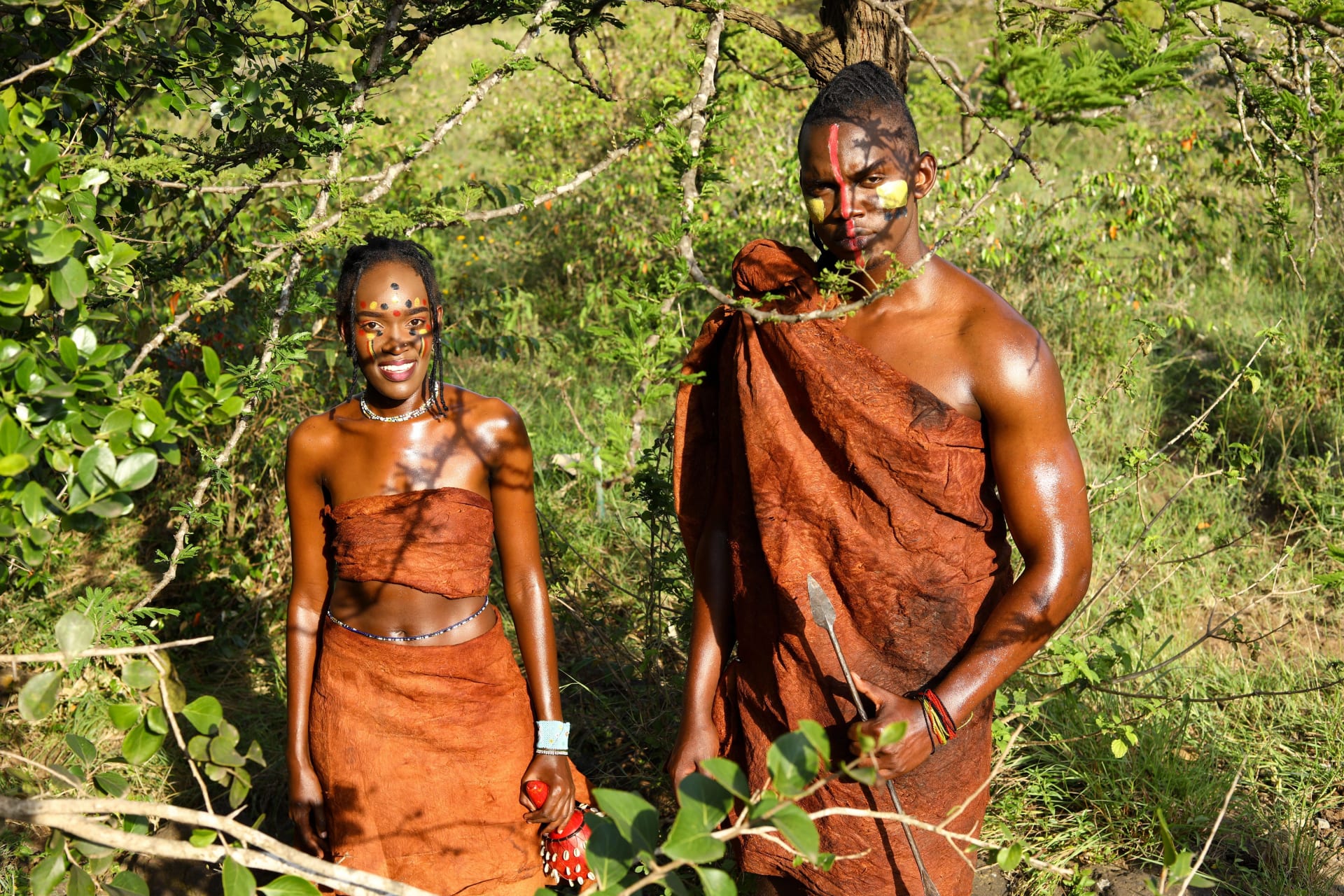
Who Are the Batwa?
The Batwa are the original forest people of south-western Uganda. They lived by hunting and gathering in the forests of Bwindi and Mgahinga for generations. When the forests were protected as national parks in the early 1990s, the Batwa were removed from the land, and many lost their homes and livelihoods. Today most live in settlements outside the forests, and community tourism gives some of them an income and a way to share their knowledge.
A visit lets you learn their history, their skills and the story of their loss, told by Batwa guides. It is more serious than a performance, and it is best approached with respect.
What Does the Experience Include?
In the Mgahinga area, the experience is a guided walk into the forest with Batwa guides, who show how they hunted, gathered honey, lit fires and used medicinal plants. It often includes a visit to a cave that was once a Batwa home, and songs and storytelling. In the Bwindi area, the experience takes place in and around a Batwa community with a similar mix of walks, demonstrations and conversation. It lasts from two to five hours including travel.
¿Cuánto cuesta?
The standard price for a foreign visitor is around US$80 per person. Some sites offer reduced rates for larger groups, for example a lower price per person for groups of four or more. Prices differ slightly by site and by the package, and a fee for filming or professional photography is charged separately. Children may pay less. The fee is usually paid in advance as part of your arrangements.
As a share of a gorilla trip, the cost is small. Compare it with the permit price in how much it costs to trek gorillas in Uganda.

What Else Do You Pay For?
The experience is one line in the budget. Others are:
- Transport to the trailhead, which depends on where you stay.
- Lunch or a packed meal, if not provided.
- A guide from your operator, if you want an explanation in your own language.
- Tips for Batwa guides and musicians, if you wish to add.
- Crafts. Buying directly from Batwa artisans is a good way to support the community.
Where Does the Money Go?
Part of the fee goes to the Batwa guides and performers, and part supports community development, such as schools, health care and land. The exact split depends on the arrangement at each site, so ask your operator. A responsible tour tells you how the fee is shared and takes you to Batwa-led programmes. Buying crafts, paying for local meals and respecting the visit rules extend the benefit.
How Does Bwindi Compare With Mgahinga?
Mgahinga is a small park on the Virunga volcanoes, and its Batwa trail is a well-known community project. Bwindi is larger, with several sectors and Batwa communities near Buhoma and Rushaga. The price is similar. The setting differs: Mgahinga is open, with volcano views, and Bwindi is dense and misty. Choose by the route you are taking. Read whether Bwindi or Mgahinga is better for gorilla trekking if you are deciding between parks.
How Do You Fit It Into a Trip?
A Batwa visit is usually done on a rest day around a gorilla trek, not on the same morning. Read how to combine a Batwa cultural experience with gorilla trekking for the order of days. Our 7-day Uganda gorilla trekking and Batwa culture tour includes the visit with a stay at Lake Mutanda.
What Happens on the Day?
You meet your Batwa guides at the starting point, usually mid-morning, after the briefing from the community host. The walk begins with a welcome and a short introduction to the history of the Batwa and the forest. The guides then lead you through the trees, stopping to show plants used for food and medicine, to demonstrate how a hunting net or a bow was used and to explain how families lit fires and shared meals. At a cave or clearing, the story of leaving the forest is told in plain words. The visit ends with songs, dance and a chance to buy crafts, and sometimes with a shared meal.
The pace is slow and gentle, and the walking is on uneven ground. Allow time for questions, since the guides appreciate real curiosity.
What Is the Impact of the Experience on the Community?
For many Batwa families, the experience is a source of income that did not exist a generation ago. The fee pays the guides, the performers and the community projects, and it keeps knowledge of forest skills alive. It also gives a platform for the Batwa to tell their own story, which was long told by others. The effect depends on how it is run: Batwa-led programmes with transparent sharing do the most good. Ask your operator which programme you are supporting and how the fee is divided.
How Do You Plan the Day Around a Gorilla Trek?
Place the Batwa experience on a rest day before or after the trek, not on the same day. The gorilla trek can take most of the day, and you will want the evening to rest. A morning visit on the following day works well: you start at a relaxed hour, finish by lunchtime and spend the afternoon at your lodge or by a lake. Read how to combine a Batwa cultural experience with gorilla trekking for the full plan.
¿Qué debes llevar y usar?
Wear long trousers, closed shoes with grip and a light layer. A rain jacket is useful, since showers come quickly in the forest. Bring water, a hat, insect repellent and a small daypack. Carry a camera and ask before using it. Take small notes for crafts, and leave expensive jewellery at the lodge. If you plan to trek gorillas as well, read what to pack for gorilla trekking, since most items overlap.
Are There Alternatives If the Price Matters?
The experience is already modest in cost. If you want to spend less, you can visit with a group of four or more at some sites for a lower rate per person, or choose a shorter walk. Other ways to meet local culture at lower cost include village walks, markets, craft cooperatives and local music evenings. We can add them to your itinerary at little extra cost. The key is to choose activities where money reaches the people who offer them.
¿Quién disfrutará más la experiencia?
Ideal para
- Travellers who want to understand the people of the gorilla forests
- Photographers who accept the rules about permission
- Visitors who like a gentle activity on a rest day
Puede no ser ideal para
- Those who expect a show
- Travellers with no spare day around the trek
¿Qué errores cometen los visitantes?
- Thinking of it as a dance performance. It is a history lesson.
- Giving gifts to individuals. Pay through the arranged fee.
- Booking on the same day as the gorilla trek. Both days become tiring.
- Forgetting rain gear. The forest is wet.
Frequently Asked Questions About the Batwa Experience Cost
Is the price per person?
Yes. Group rates may apply for larger parties.
¿Es adecuado para niños?
Older children who can walk and listen often enjoy it.
Can I take photos?
Yes, with permission. Fees apply for filming.
¿Con cuánta anticipación debo reservar?
Book with your gorilla trip, so the dates match.
Is the Batwa experience included in a gorilla permit?
No. It is a separate activity and a separate fee.
Can I visit the Batwa without trekking gorillas?
Yes. The cultural visit is open to any visitor, and we can arrange it on its own.
¿Planificando tu viaje?
Tell us your gorilla dates and your lodge, and we will schedule the Batwa visit and confirm the current fee. Talk to Our Tour Specialist, or see the Uganda destination page.