To choose a gorilla trekking tour operator in Rwanda, check twelve things: that the company is licensed and based in Rwanda, who buys your permit and in whose name, a written itinerary with the permit, lodging and transfers, honest pricing, small groups, ethical practice around the gorillas, clear refund and change terms, insurance advice, communication, community benefit, a clear line of responsibility on the day and a real person you can talk to. The operator you choose decides your lodge, your driver and your guide, and whether things go smoothly when the weather or the gorillas change plans.
This guide gives you the questions to ask any company and explains how we work at Swift Africa Safaris, so that you can compare our approach with whoever you are considering. The facts about permits come from the park authority, and we checked them in October 2026. It supports our complete guide to gorilla trekking in Rwanda.
Why Does Your Operator Matter?
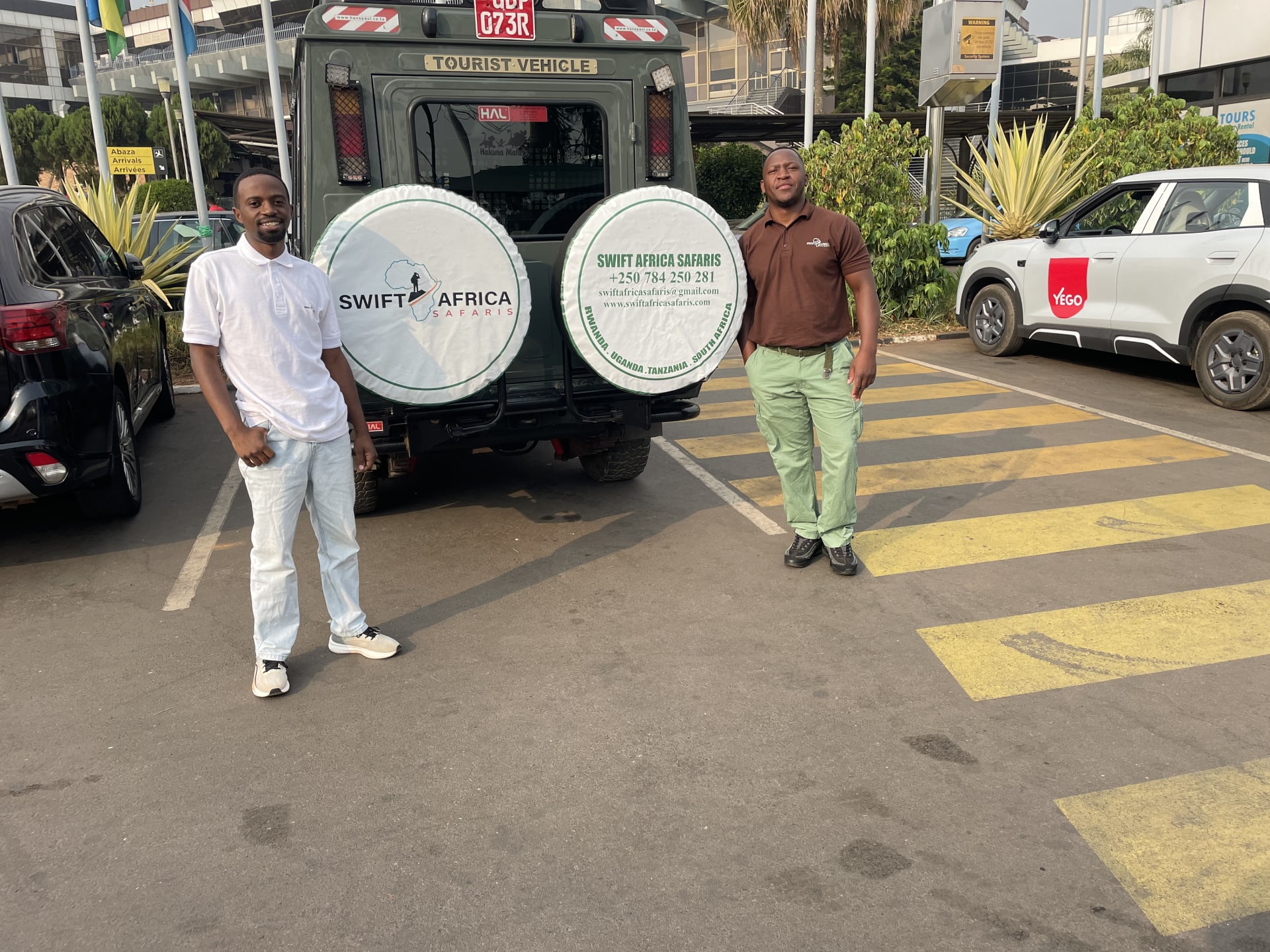
The permit costs the same whoever you book with, US$1,500 for foreign visitors. What changes is everything around it: the lodge, the quality of the vehicle and the driver, the knowledge of the guide, the pace of the days and how problems are handled. A trek that starts at 7:00 after a two-hour drive is far easier if your lodge is booked for the night before, your driver knows the roads and someone is watching the weather.
What Are the 12 Things to Check?
1. Is the company licensed and based in Rwanda?
Ask for the registration details and the office address. A Rwanda-based team knows the park staff, the lodges and the roads, and can solve problems quickly. Ask who will be on the ground with you.
2. Who buys the permit, and in whose name?
The permit must carry your name exactly as in your passport. The park authority states that wrong, incomplete or false applications can lead to denied entry even if the permit was paid. Ask to see the permit confirmation when it is issued. Read how to book gorilla trekking in Rwanda.
3. Is the itinerary written and detailed?
You should see day-by-day plans, with the drive times, the lodge for each night and what is included. Our packages follow this format; for example the 4-day Rwanda gorilla trekking tour.
4. Is the price clear about inclusions and exclusions?
Ask what the price includes: permit, park fees, lodging grade, meals, transfers, guide, porter and the internal flight, if any. Ask what is excluded: flights, visas, insurance, tips, drinks and optional activities. Compare like with like. A low quote that leaves out the permit is not cheaper.
5. How large are the groups?
The park authority limits gorilla groups to eight visitors. A good operator avoids adding extra strangers to your private vehicle and explains how your trekking group is formed. Read group gorilla trekking in Rwanda if you travel with friends.
6. How honest is the operator about fitness and difficulty?
A company that says the trek is easy for everyone is not being honest. Ask what they will do to match you to a suitable family and whether they recommend a porter. See how difficult gorilla trekking in Rwanda is.
7. Do they follow the park rules?
The rules are seven metres, a maximum of one hour, no flash, no trekking when ill and groups of no more than eight. Your operator should brief you on them and never ask a guide to break them.
8. What are the refund and change terms?
The park authority has its own refund policy: for example, if you fail to track gorillas all day because the family moved, you may get another chance or a full refund. Operators add their own terms for lodges and vehicles. Ask for them in writing before paying.

9. What does the operator say about insurance and health?
Insurance with medical and evacuation cover is essential. The operator should advise on vaccinations, altitude and the rule that visitors with colds may be refused entry. Read is Rwanda safe to travel.
10. How do they communicate?
You should get a prompt, specific reply with a named contact. Ask who you can phone on the day if the weather or your health changes plans.
11. Does the company benefit local communities?
Conservation depends on the people around the park. Ask where the money goes: guides, porters, local lodges and community projects. Read how ecotourism supports conservation and communities in Rwanda.
12. Can you speak to a person before you pay?
A short call tells you more than any brochure. Ask about your dates, your fitness and anything that worries you.
How Does Swift Africa Safaris Work?
Swift Africa Safaris is a tour operator that plans safaris in Rwanda, Uganda, Tanzania and South Africa. For a gorilla trek we handle the permit application, the lodge, the private vehicle with a driver-guide and the briefing time, and we give you a written day-by-day plan. We list the fitness level and the age limits on each package page, we advise on porters and we match your questions to the park authority rules rather than promising a particular family. Our Signature Journeys, such as the 7-day Rwanda gorilla trekking tour with ReGreen, include community visits.
Prices depend on your dates, group size and lodge level, so you request a quote. The reply from a tour specialist tells you what is included before you pay anything.
What Red Flags Should Make You Cautious?
- A promise of a specific gorilla family. Rangers assign families on the day.
- A permit price much lower than the park authority price. The park authority sets US$1,500 for foreign visitors; a quote that seems too low usually leaves something out.
- No written itinerary or terms. You should be able to read what you are buying.
- Pressure to pay in full immediately by an unusual method. Ask for a clear invoice and a recognised payment channel.
- No physical office or named contact. You need someone to call.
- Vague answers about the guide and the vehicle.
What Questions Should You Ask a Specialist on the Phone?
Ask how long the company has been organising gorilla trips, which lodges it uses and why, how the permit is bought and who holds it, what happens if you are ill, who the guide will be, and how the company supports local communities. Ask for the name of the person who will be on the ground and how to reach them. Notice whether the specialist asks about your fitness and your interests. A good operator listens before it quotes. Our team starts the same way, which is why our process begins with a short conversation.
Am besten für
- First-time visitors who want a written plan and one contact
- Travellers who care about conservation and communities
- Groups and families who need a private vehicle and a flexible pace
Kann nicht ideal sein für
- Travellers who want only a permit with no services, who can use the park authority's system directly
Welche Fehler machen Reisende bei der Auswahl eines Operators?
- Choosing on the lowest price. Check what is included.
- Not asking who buys the permit. Confirm it is in your name.
- Paying a large deposit with no written terms. Always read the cancellation policy.
- Leaving out the fitness conversation. It decides your day.
Frequently Asked Questions About Choosing an Operator
Do I need a tour operator to see gorillas in Rwanda?
No. You can book the permit with the park authority, but an operator handles the lodge, transport and guide.
Is a local operator better than an international agent?
A local operator controls the services on the ground and can respond quickly. Ask who actually delivers the trip.
How far ahead should I contact an operator?
Three to six months ahead for June to September, sooner if possible.
What should a quote include?
The permit, lodging, transfers, guide, meals as listed, and a clear exclusions list.
Should I confirm the permit and refund terms in writing before I pay?
Yes. Always ask for the permit confirmation, the cancellation terms and the inclusions in writing, and compare them with the park authority rules.
Planung deiner Reise?
Tell us your dates, group size and fitness, and a tour specialist will reply with a written plan. Talk to Our Tour Specialist or see the 5-day luxury Rwanda safari.