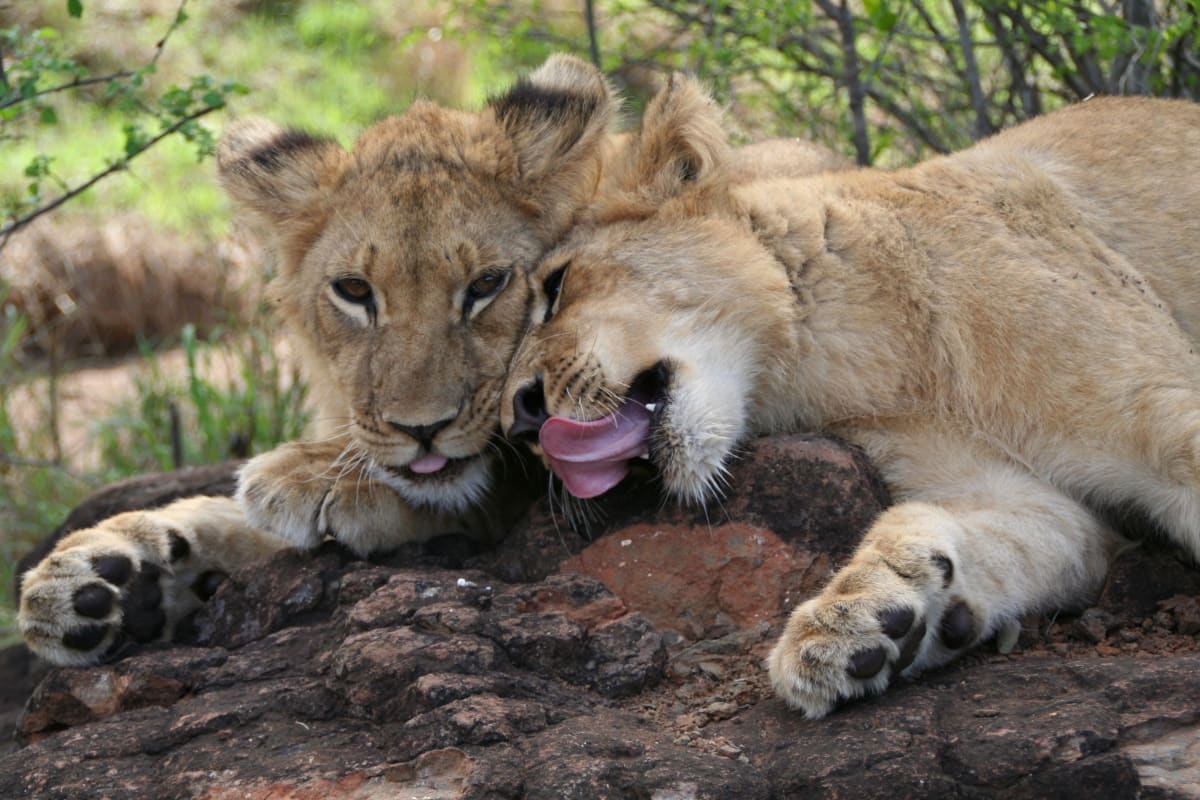
Ja, Sie können die Big Five in Ruanda sehen, und der Ort dafür ist der Akagera-Nationalpark im Osten. Löwe, Leopard, Elefant, Büffel und Nashorn leben dort alle. Löwen wurden 2015 wieder angesiedelt und Nashörner 2017 und erneut 2019, wodurch die Big Five in einen Park zurückkehrten, der sie verloren hatte. Büffel und Elefanten sind am leichtesten zu finden, Löwen werden ziemlich oft gesichtet, Nashörner benötigen Glück und einen guten Führer, und Leoparden sind am schwersten. Die meisten Besucher, die zwei Nächte im Park verbringen, sehen mehrere der fünf, aber niemand kann alle fünf bei einer Reise garantieren.
Dieser Leitfaden erklärt, was Akagera bietet, wie leicht jedes Tier zu sehen ist, wie viele Tage man einplanen sollte und wann man gehen sollte. Gebühren und Tierzahlen ändern sich, also bestätigen Sie diese beim Park oder Ihrem Anbieter. Wir haben die Details im Oktober 2026 überprüft. Für die Kosten siehe wie viel eine Big Five Safari in Ruanda kostet.
Was ist der Akagera-Nationalpark?
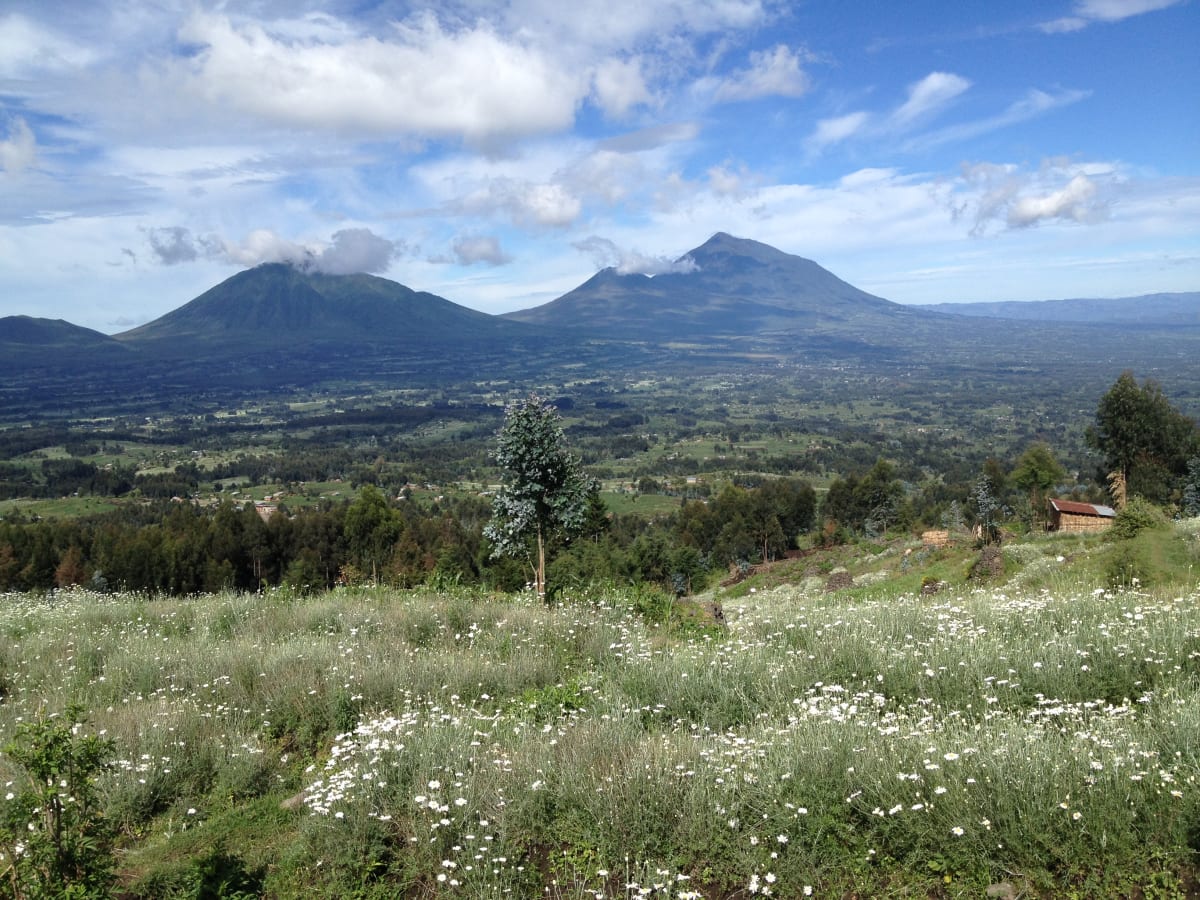
Akagera erstreckt sich über etwa 1.122 Quadratkilometer Savanne, Seen, Schilfmoore und Hügel entlang der tansanischen Grenze, etwa zweieinhalb Stunden mit dem Auto von Kigali entfernt. African Parks verwaltet ihn in Partnerschaft mit dem Rwanda Development Board (RDB). In den letzten fünfzehn Jahren haben Anti-Wilderer-Maßnahmen und Wiederansiedlungen ihn von einem beschädigten Park zu einer der überzeugendsten Wildtier-Erholungen Ostafrikas gemacht. Es ist Ruandas einziger Ort, um die Savannenarten zu sehen, zusammen mit Giraffen, Zebras, Flusspferden, Krokodilen und mehr als 400 Vogelarten.
Wie leicht ist es, jedes der Big Five zu sehen?
| Tier | Wie leicht | Was zu wissen ist |
|---|---|---|
| Büffel | Leicht | Große Herden sind im gesamten Park verbreitet |
| Elefant | Leicht bis mäßig | Gruppen werden regelmäßig gesichtet; die Population ist gewachsen |
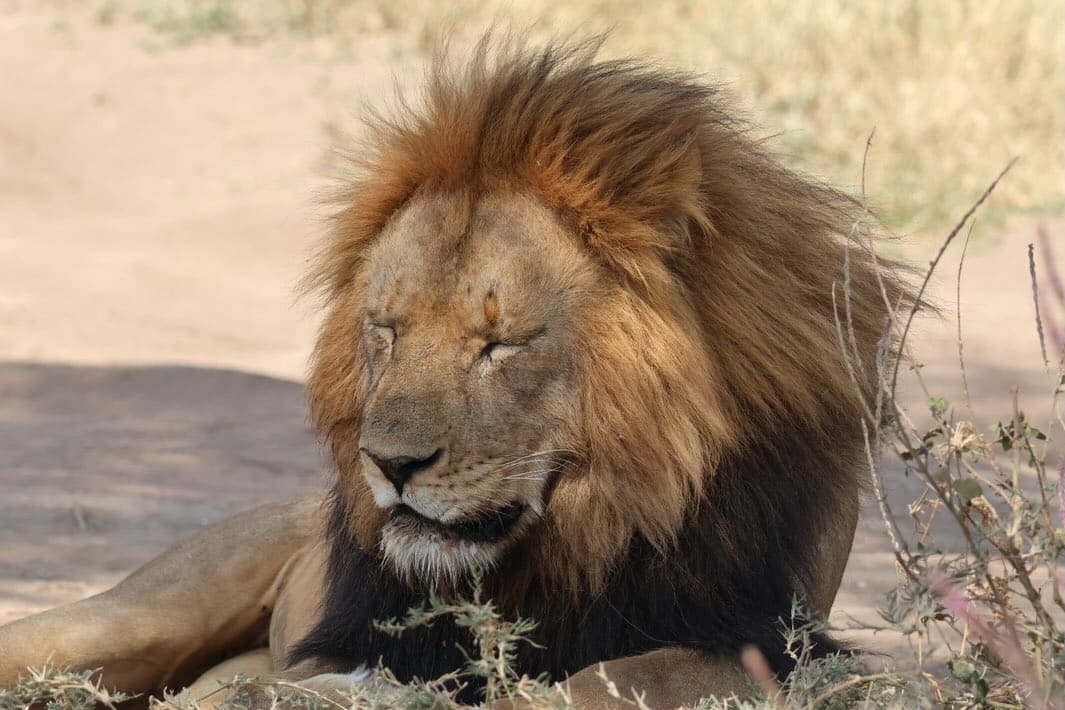
| Löwe | Mäßig | 2015 wieder angesiedelt und jetzt brütend; meist bei Morgen- oder Abendfahrten zu finden, vorwiegend im Norden |
| Nashorn | Schwierig | 2017 und 2019 wieder angesiedelt; eng geschützt und oft im dichten Busch |
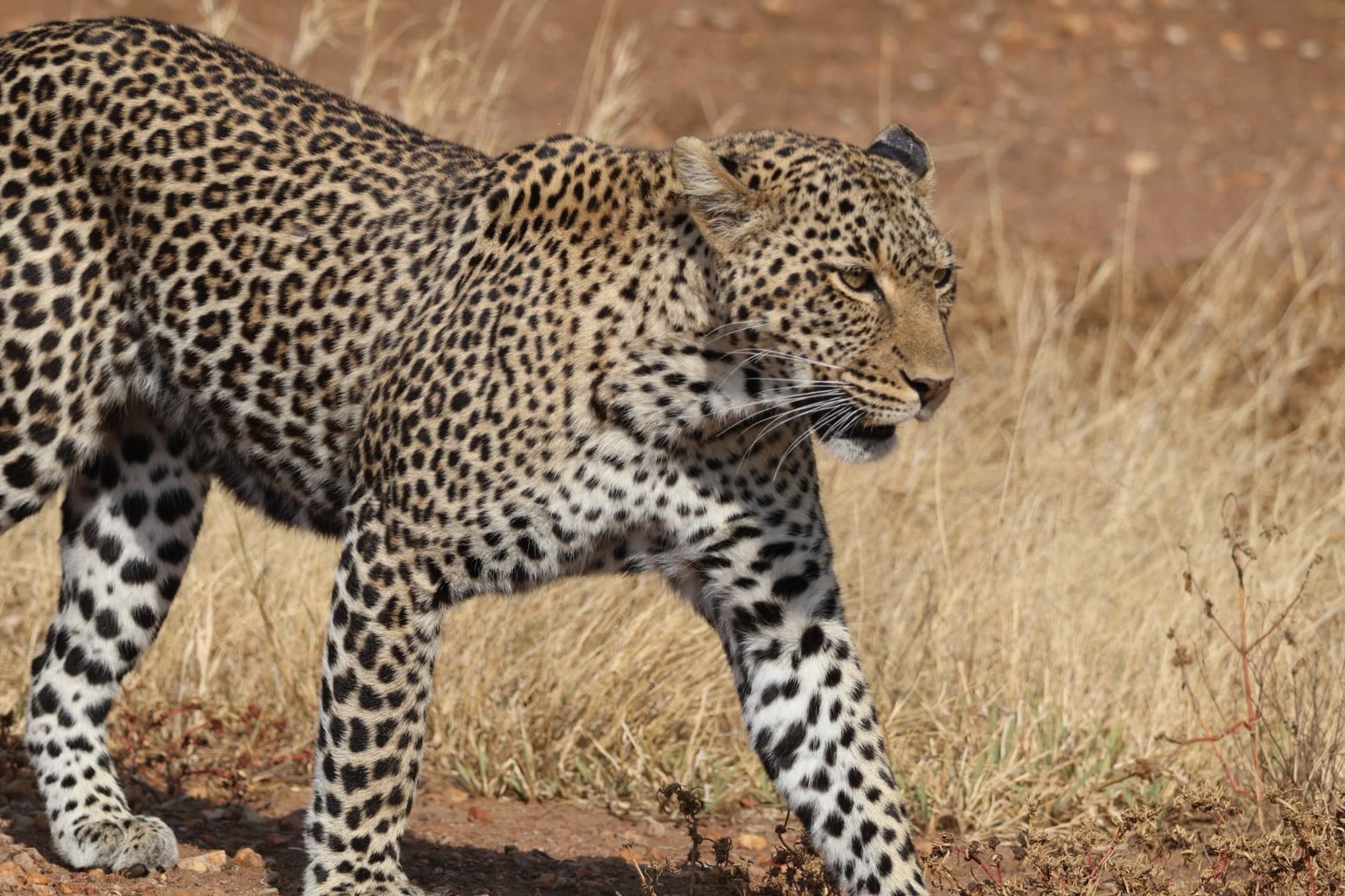
| Leopard | Am schwierigsten | Vorhanden, aber scheu; Nachtfahrten und gute Guides erhöhen die Chance |
Wildtiere sind wild, und Sichtungen ändern sich je nach Saison, Regen und Glück. Fragen Sie Ihren Guide nach aktuellen Sichtungen, anstatt sich auf alte Berichte zu verlassen.
Wie viele Tage benötigen Sie in Akagera?
Zwei Nächte sind das Minimum, um mehrere Pirschfahrten zu ermöglichen. Ein eintägiger Ausflug von Kigali aus bietet Ihnen Büffel, Elefanten, Giraffen und Flusspferde, jedoch eine geringere Chance auf Löwen oder Nashörner. Drei Nächte bieten die beste Chance, alle fünf zu sehen. Unsere Reiserouten beinhalten in der Regel zwei bis drei Pirschfahrten und eine Bootsfahrt:
Was kann man sonst noch in Akagera tun?
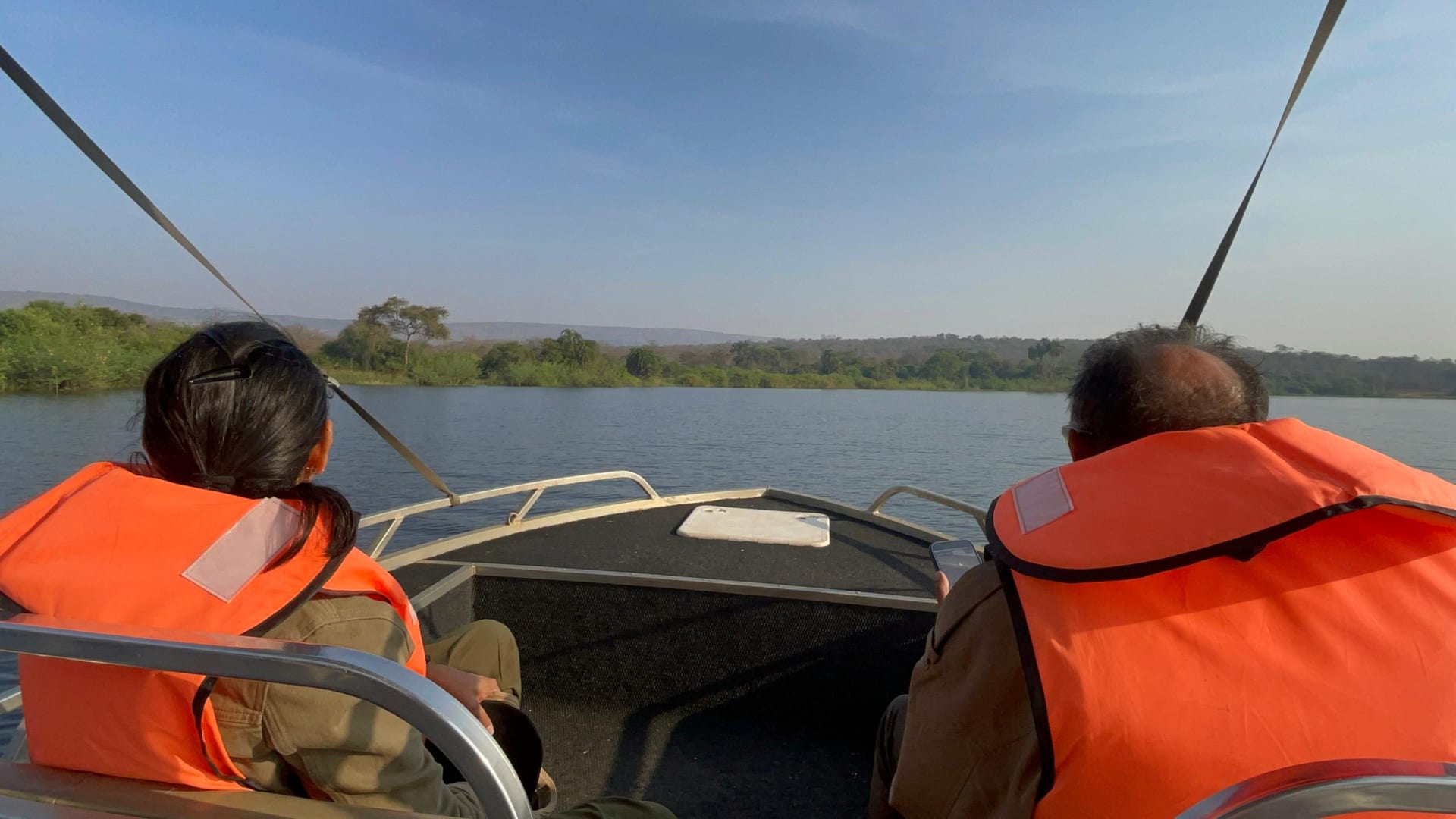
- Bootsfahrt auf dem Lake Ihema. Flusspferde, Krokodile und Wasservögel vom Boot aus. Der Park bietet geplante Fahrten und Sonnenuntergangstouren zu separaten Preisen an.
- Nachtfahrten. Sie ermöglichen die Beobachtung von Leoparden und kleineren nachtaktiven Tieren; erkundigen Sie sich, ob sie verfügbar sind.
- Vogelbeobachtung. Papyrus‑Spezialisten wie der Shoebill wurden in den Sümpfen gesichtet; fragen Sie Ihren Guide.
- Gemeinschaftsbesuche. Dörfer rund um den Park bieten Handwerks- und Kulturstopps.
Wann ist die beste Zeit, um die Big Five in Ruanda zu sehen?
The dry months, June to September and December to February, are best. Animals gather near water, the grass is shorter and the tracks are firmer. The wet months, March to May and October to November, bring lush scenery and fewer visitors, but the grass is tall and animals can be harder to spot. Akagera is open all year.
How Do You Combine Akagera With Gorillas?
Rwanda is small, so you can combine them easily. A common plan is two to three nights at Volcanoes National Park for the gorillas, then Akagera for the Big Five, with Kigali in between. Check how to arrange the first part in how to book gorilla trekking in Rwanda, and see the luxury Rwanda safari guide if you prefer lodges with private game drives. If you have time for chimpanzees, add Nyungwe: the 6-day chimpanzee tracking and Akagera Big Five safari shows how.
How Does Rwanda Compare With Tanzania or South Africa for the Big Five?
Rwanda is smaller, with fewer animals per square kilometre, and the park is much quieter. Tanzania and South Africa offer bigger parks and higher odds of lion and leopard. Rwanda's advantage is the combination with gorillas in a compact trip and the lack of crowds. Read where to see the Big Five in Tanzania and the best park for the Big Five in South Africa.
How Did Akagera Get Its Big Five Back?
Akagera lost much of its wildlife to poaching and to the settlement of people on its land in the decades before 2000. A management partnership between the Rwanda Development Board and African Parks began in 2010, with new anti-poaching teams, fencing along the park boundary and community programmes. Lions were reintroduced in 2015, followed by black rhinos in 2017 and 2019. The result is a park that reports a growing population of lions, elephants and buffalo, and that now earns enough from tourism to help fund its own protection. Visiting it supports that work.
What Do Guides Look For When They Search for Each Animal?
- Lions: fresh tracks on the road, alarm calls from zebras and impala, and a shady spot in the heat of the day.
- Elephants: broken branches, dung and groups near water in the afternoon.
- Buffalo: dust clouds and herds grazing near the lake.
- Leopards: a tree branch with a kill or a shape in the shade at dawn or dusk.
- Rhinos: thick bush and the radio reports of rangers who monitor them.
Be patient and quiet, and let the guide decide how long to stay at each sighting.
What Else Will You Enjoy If You Do Not See All Five?
Akagera has giraffes, zebras, hippos, crocodiles, topi, eland, many antelope and more than 400 recorded bird species. The lake views are good at sunset, and the boat trip gives a change of pace. If a leopard or rhino does not appear, you are likely to leave with strong sightings of other animals, and a better sense of how a recovering park works. The quiet and the small number of other vehicles are part of what the park offers. Add a night drive if it is offered.
Is It Safe to Go on a Self-Drive in Akagera?
Self-drive is possible in many African parks, but the roads in Akagera are variable, wildlife is close to the track and the guide adds a lot of value in finding animals. We recommend a guide for first-time visitors and for anyone hoping to see lions or rhinos. If you do self-drive, follow the park rules, keep your windows closed near animals, and never get out of the vehicle except at designated places.
Am besten für
- Travellers who want gorillas and a savanna safari in one short trip
- Visitors who prefer quiet parks to crowded ones
Kann nicht ideal sein für
- Travellers who must see a leopard or all five animals; no park can promise that
- Those with only one day for Akagera
Welche Fehler machen Besucher?
- Expecting all five in a day. Plan two or three nights.
- Skipping the early drive. Animals are most active at dawn.
- Forgetting the sunscreen and hat. The savanna is exposed.
- Not asking about recent sightings. Guides know where animals have been.
Frequently Asked Questions About the Big Five in Rwanda
Does Rwanda have the Big Five?
Yes. Lion, leopard, elephant, buffalo and rhino all live in Akagera National Park.
Which animal is hardest to see?
The leopard, because it is secretive and mostly active at night.
Is Akagera worth visiting?
Yes, especially with a gorilla trek. It is quieter than the large East African parks.
How far is Akagera from Kigali?
About two and a half hours by road.
Should I confirm wildlife numbers and fees before I go?
Yes. Wildlife numbers, fees and opening times change, so confirm them with the park or your operator close to your dates and ask for recent sightings.
Are rhinos in Akagera easy to see?
No. They are protected, shy and often in thick bush. A good guide and patience improve the chance.
Planung deiner Reise?
Tell us your dates and how many nights you can spare, and we will build an Akagera plan, with or without gorillas. Talk to Our Tour Specialist.
Source: Akagera National Park.