Uganda ist eines der besten Vogelbeobachtungsländer Afrikas, mit über tausend Arten, die in einem Gebiet kleiner als das Vereinigte Königreich verzeichnet wurden. Die besten Vogelbeobachtungspunkte in Uganda sind die Mabamba-Wiese für den Schuhvogel, Bwindi und Mgahinga für Arten des Albertinenkraters, Queen Elizabeth und Murchison Falls für Savannen- und Wasservögel, Kibale und Bigodi für Waldvögel, Semuliki für zentralafrikanische Vögel und Lake Mburo für Arten des trockenen Buschlandes. Eine gute Route verbindet vier oder fünf dieser Punkte in zehn Tagen.
Dieser Leitfaden behandelt die Regionen nacheinander, mit den Vögeln, für die sie bekannt sind, der besten Jahreszeit und den praktischen Ratschlägen, die eine Vogelbeobachtungstour komfortabel machen.
Warum ist Uganda so reich an Vögeln?
Das Land liegt dort, wo mehrere Lebensräume aufeinandertreffen: die Wälder Zentralafrikas, die Savannen Ostafrikas, die hohen Berge des Albertinenkraters, die Feuchtgebiete des Nils und des Viktoriasees und die trockene Buschlandschaft des Südwestens …
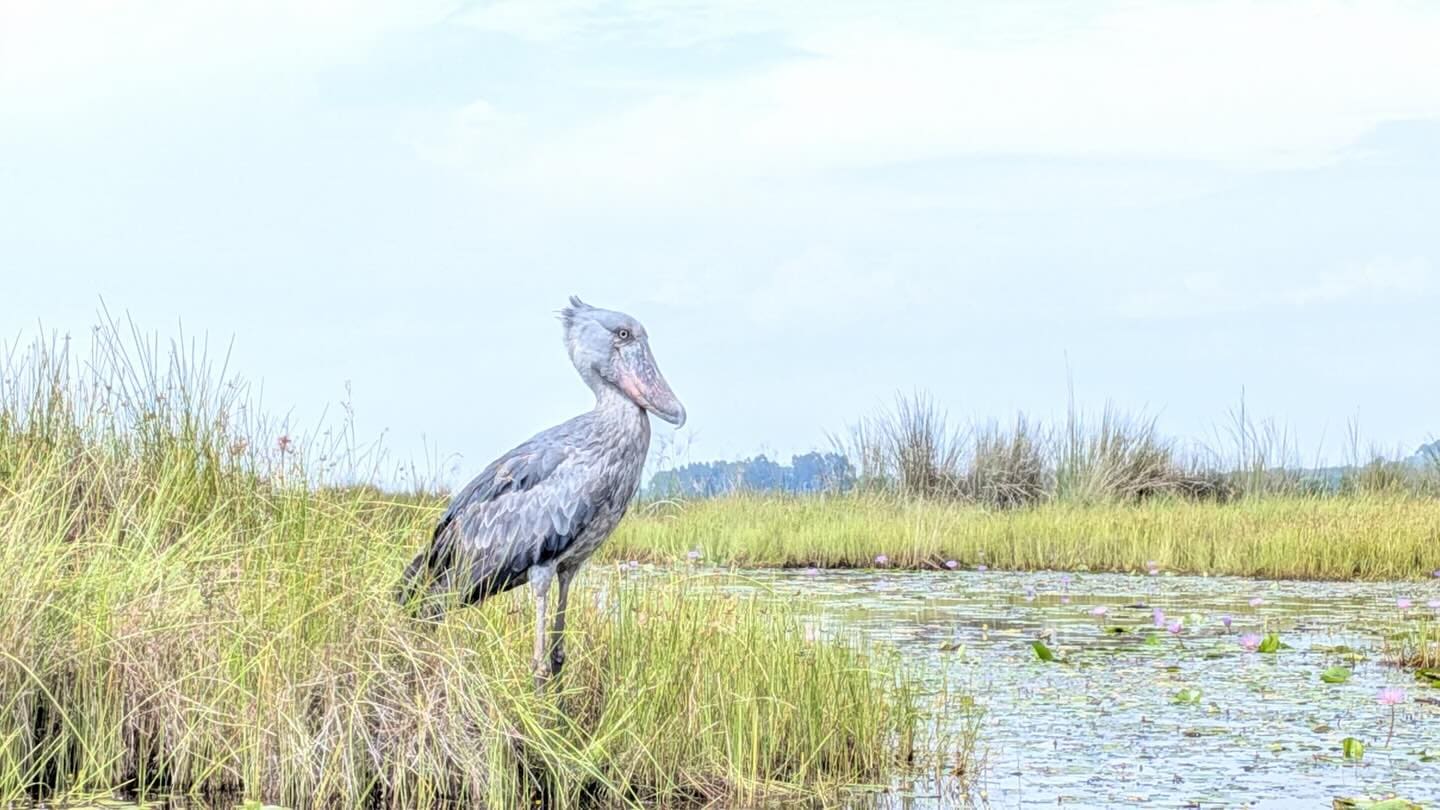
Welcher Ort ist am besten für den Schuhvogel?
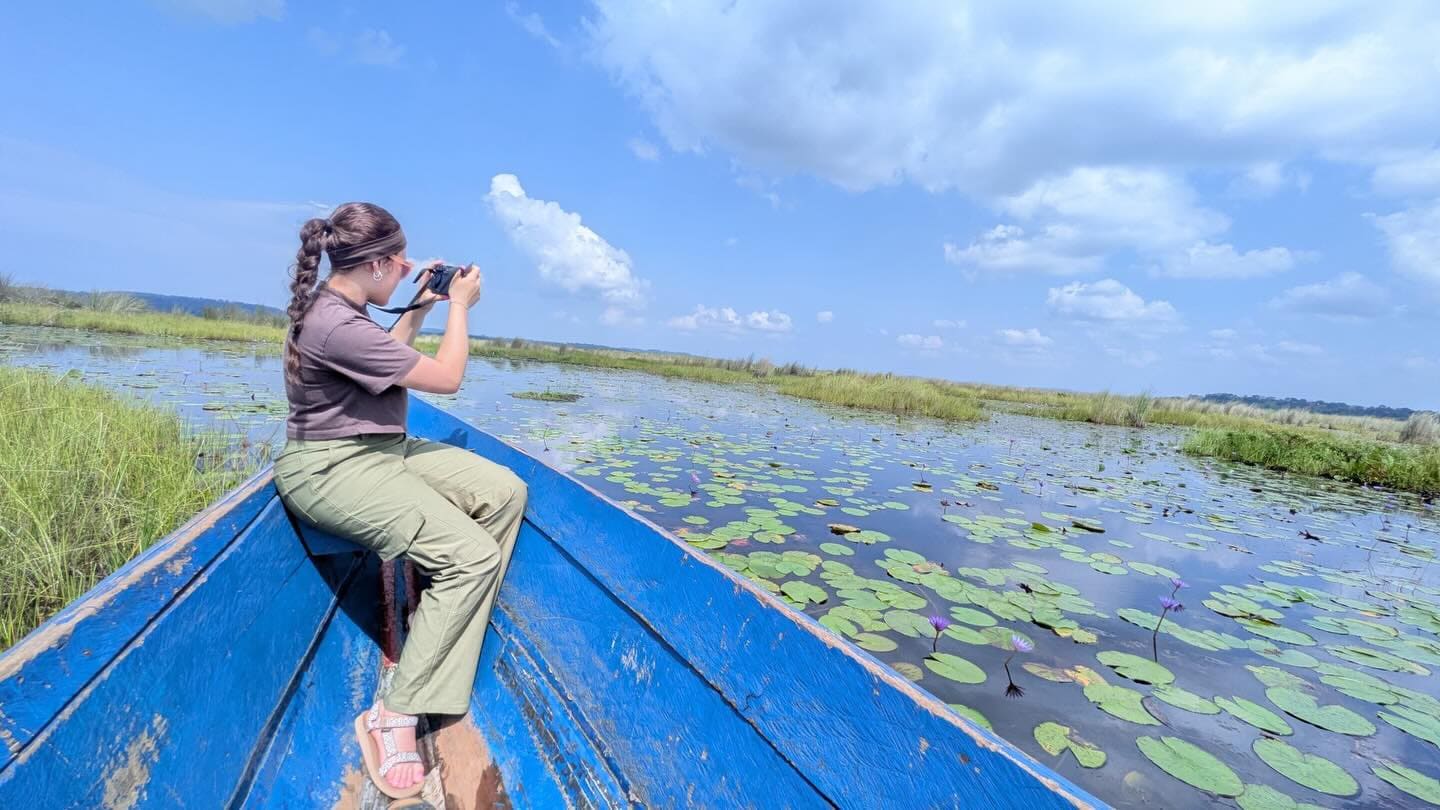
Mabamba-Wiese, etwa eineinhalb Stunden von Entebbe entfernt, ist der verlässlichste Ort in Uganda. Man sucht dort mit einer Kanu und einem lokalen Guide, idealerweise bei Tagesanbruch. Weitere Vögel sind afrikanische Jacanas, Reiher, Königfischer und der Papyrus-Gonolek. Lesen Sie kannst du Schuhvögel im Mabamba-Wald sehen für die besten Zeiten und Buchungstipps. Der 4-tägiges Uganda Schuhvogel-Safari baut eine kurze Reise um ihn herum auf.
Wo findet man Spezialisten des Albertinenkraters?
Der Albertinische Graben verläuft entlang Ugandas westlicher Grenze und behergt viele Arten, die nirgendwo sonst zu finden sind. Der Bwindi-Impenetrable-Nationalpark ist das beste Ziel, mit Dutzenden von Albertinischen Graben‑Endemiken in seinem Wald, und Mgahinga an den Virunga‑Vulkanen fügt hochalpine Arten hinzu. Das Vogelbeobachten erfolgt hier auf Waldpfaden, einschließlich der Straße zu den Gorilla‑Sektoren, mit lokalen Führern, die wissen, wo man suchen muss. Gorilla‑Trekkers fügen oft einen Tag Vogelbeobachtung hinzu. Lesen Sie die beste Reisezeit für Bwindi für die Jahreszeiten.
Was ist mit Queen Elizabeth und Murchison Falls?
Der Queen‑Elizabeth‑Nationalpark verzeichnet über 600 Arten, dank seiner Mischung aus Savanne, Kraterseen, Feuchtgebieten und Wald. Der Kazinga‑Kanal ist ein guter Ort für Wasservögel, und der Park ist ein regelmäßiger Stopp für Zugvögel im nördlichen Winter. Der Murchison‑Falls‑Nationalpark ergänzt Nilvögel, und die Bootsfahrt zu den Fällen bietet oft Blicke auf Eisvögel, Reiher und andere Flussufer‑Arten. Lesen Sie die besten Aktivitäten im Queen‑Elizabeth‑Nationalpark für einen kompletten Plan.
Welche Waldgebiete lohnen sich?
Kibale und Bigodi-Feuchtgebiet
Kibale ist berühmt für Schimpansen, aber sein Wald und das nahegelegene Bigodi Wetland Sanctuary sind für Vogelbeobachter lohnenswert. Wanderungen mit Gemeindeführern enthüllen Turakos, Hornvögel und viele kleine Waldvögel. Kombinieren Sie einen Schimpansen‑Morgen mit einem Feuchtgebietsspaziergang.
Semuliki
Der Semuliki‑Nationalpark ist eine Erweiterung des Kongobeckenwaldes und beherbergt Arten, die sonst nirgendwo in Ostafrika vorkommen. Er ist eine lange Fahrt von Kampala entfernt, sodass er sich für ein spezielles Vogelbeobachtungs‑Itinerär eignet.
Was bietet der Lake Mburo?
Der Lake Mburo ist ein kleiner, leicht zugänglicher Park im Südwesten. Sein Akazienwald und die Seen beherbergen Trockenland‑Arten, die in den Wäldern nicht vorkommen, und Bootsfahrten sowie Wanderungen sind möglich. Es ist auch ein guter Ort, um Zebras und andere Ebenen‑Tiere zu sehen. Siehe die 5‑tägige Uganda-Familien‑Safari am Lake Mburo.
Wann ist die beste Zeit für Vogelbeobachtung in Uganda?
Birds can be seen all year. Many birders prefer the wetter months, roughly November to April, when migrants from the north join the residents, birds are in breeding plumage and the forest is lively. The drier months, June to September and December to February, make the roads and trails easier and are good for waterbirds. Read the best bird-watching spots in Tanzania to compare regions.
How Should You Plan a Birding Trip?
Plan around three or four regions, not all of them. Include at least one wetland, one forest and one savanna site. Hire a specialist guide, who adds far more than a driver can. Start early each day. Bring binoculars and a field guide or a bird app. Allow two nights in each region. A route with Mabamba, Kibale, Queen Elizabeth and Bwindi covers most habitats. See the 10-day Uganda birding safari, and the 12-day African birding expedition if you want to add South Africa.
Which Species Should You Look For in Each Region?
A list of targets makes each region more rewarding:
- Mabamba and Lake Victoria wetlands: shoebill, papyrus gonolek, African jacana, blue-breasted bee-eater in the surrounding trees.
- Bwindi and Mgahinga: African green broadbill, Albertine Rift endemics such as the Rwenzori turaco, several sunbirds and many forest species.
- Queen Elizabeth: pelicans, African skimmer on the channel in some seasons, collared pratincole and many raptors.
- Murchison Falls: Nile birds, rock pratincole, Abyssinian ground hornbill and the standard-winged nightjar in season.
- Kibale and Bigodi: great blue turaco, black-and-white-casqued hornbill and, in the right season, the green-breasted pitta.
- Lake Mburo: red-faced barbet, African finfoot and crested francolin.
Your guide will adjust the list to the season and recent sightings.
What Does a Ten-Day Birding Route Look Like?
A route that works well begins with a morning at Mabamba, followed by Murchison Falls and the Budongo Forest, then the drive to Kibale and Queen Elizabeth, and a final stretch in Bwindi. That sequence covers wetlands, savanna, Nile and forest in ten to twelve days, with a long drive between each pair of areas. Starting with Mabamba helps you see the shoebill early, and ending in Bwindi gives you the Albertine Rift endemics and the option of a gorilla trek. The 10-day Uganda birding safari follows this logic.
How Do You Make the Most of a Birding Day?
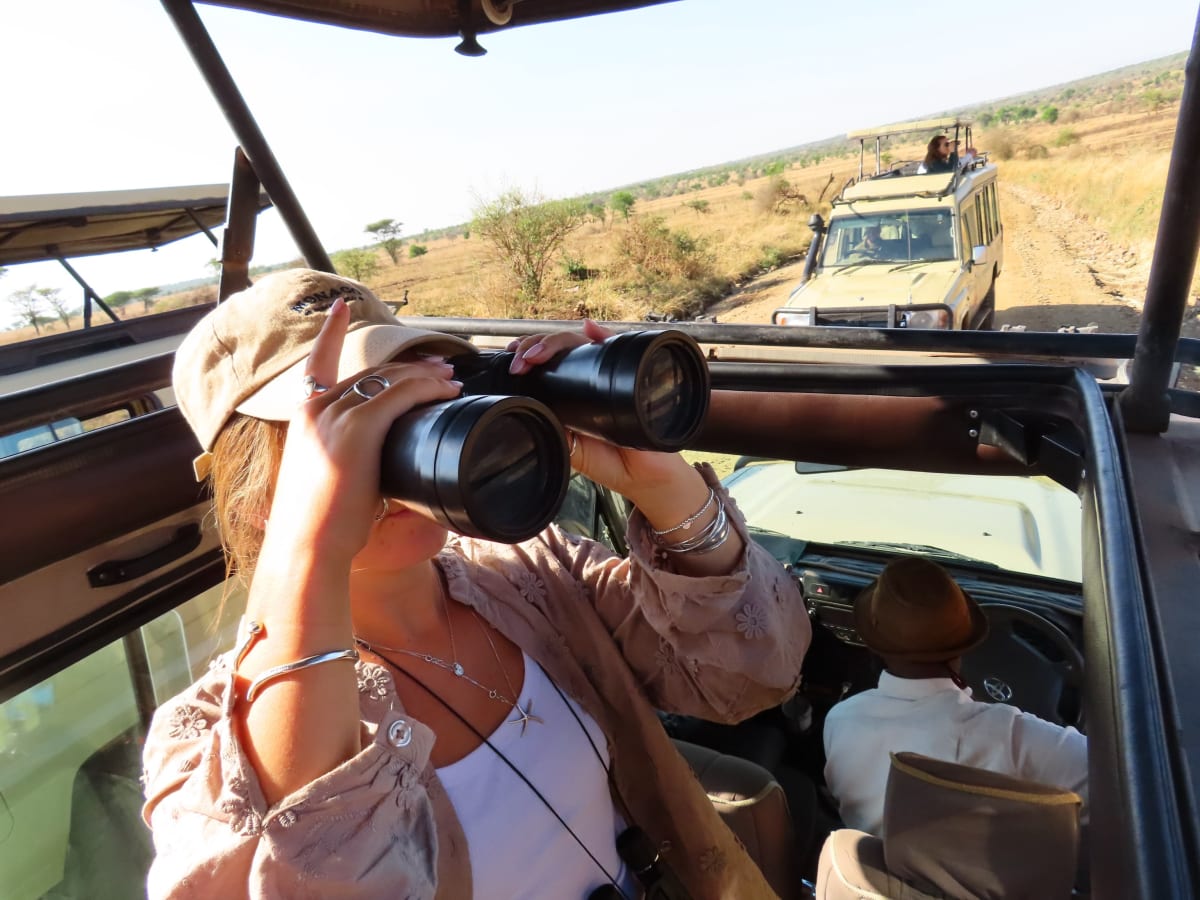
Start before dawn. Birds are most active in the first two hours of daylight, and the light is soft. Plan a long break in the heat of the day, and go out again in the late afternoon. Use a local guide, who learns calls and knows the sites. Walk slowly and listen as much as you look. Keep a daily list in a notebook or a bird app, and review it each evening with the guide. A day of five to seven hours of birding is plenty, and patience is the real skill.
What Are the Practical Challenges of Birding in Uganda?
Forest birding is physically demanding: trails are steep, muddy and humid, and the birds are often high in the canopy. A neck strain is common, so look up in short bursts. Roads between sites are long. Some of the best places have few facilities, so plan snacks and water. Rain can interrupt a morning, and waterproof gear matters. Malaria prevention and insect repellent are important. None of this spoils the trip, but it helps to know. Read Uganda safari tours from Entebbe Airport for distances.
Who Will Enjoy a Birding Trip Most?
Am besten für
- Keen birders and photographers
- Travellers who like variety
- Gorilla trekkers adding a second interest
Kann nicht ideal sein für
- Visitors who dislike early starts
- Those who expect large mammals every day
Welche Fehler machen Vogelbeobachter?
- Trying to cover everything. Fewer sites with more time gives a better list.
- Skipping a local guide. Local knowledge finds the birds.
- Leaving at midday. The best hours are dawn and late afternoon.
- Ignoring the weather. Rain changes where birds feed.
Frequently Asked Questions About Uganda Birding
How many species can I see in a week?
A seasoned birder with a good route can see well over 200. Beginners will see fewer but enjoy it.
Do I need a spotting scope?
It helps for waterbirds. Binoculars are essential.
Is the shoebill guaranteed?
No. It is likely at Mabamba, especially early.
Can I combine birding with gorillas?
Yes. Bwindi is both a gorilla and a birding site.
Can I see the green-breasted pitta?
It is a seasonal highlight at Kibale for some visitors. Ask your guide about the best time and recent reports.
Can I combine birding with gorilla trekking?
Yes. Bwindi gives both, and many birders add a day of birding on the trails near the gorilla sectors.
Planung deiner Reise?
Tell us the birds you most want to see, and we will plan the route and the guides. Talk to Our Tour Specialist, or read the best places for birdwatching in Rwanda and Uganda.