The best route to climb Kilimanjaro for most people is a longer route that gives the body time to adjust: Lemosho over seven or eight days, or Machame over seven. Both climb gradually, cross varied scenery and follow the rule of climbing high and sleeping low. Rongai suits the rainy months, Marangu suits those who want huts, and the Northern Circuit suits those who have time. Umbwe is the hardest and rarely the right first choice.
This guide compares the six main routes by length, scenery, crowds and summit odds, then helps you decide.
Why Does the Route Matter More Than Fitness?
Kilimanjaro is a walk, not a technical climb, and the summit at 5,895 metres is the roof of Africa. What stops most climbers is altitude, not distance. Your body needs time to produce more red blood cells and adapt to thinner air. A route that gains height slowly, with chances to climb high and sleep lower, gives you a better chance to reach the top and feel well on the way. That is why the number of days is usually the best predictor of success.
Fit people fail on short routes, and moderately fit people succeed on longer ones. Choose days before you choose scenery.
Which Routes Are the Main Options?
Lemosho: the scenic route with good acclimatisation
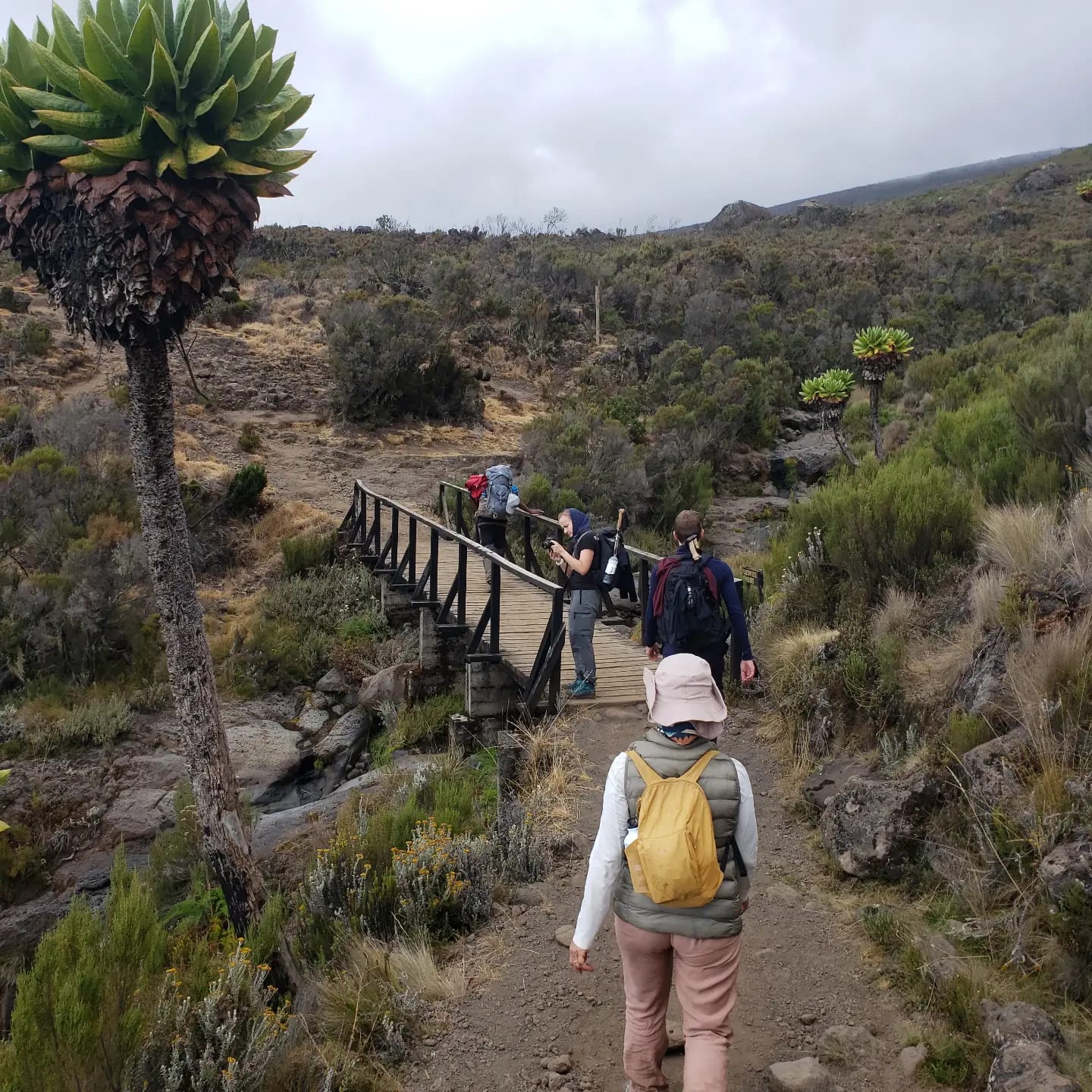
Lemosho starts on the western side, in rainforest, and crosses the Shira Plateau before joining the Machame path. It takes seven or eight days, it is quieter in its early stages and it has a gradual profile that suits acclimatisation. Many guides call it the best all-round route. Our 12-day Kilimanjaro hike and Tanzania wildlife safari uses the seven-day Lemosho route.
Machame: the popular route
Machame is the busiest route, known for its scenery and the Barranco Wall scramble. It takes six or seven days and is camping only. The six-day version is shorter and leaves less time to adjust; the seven-day version is safer. Our 12-day Kilimanjaro hiking and Maasai cultural tour uses the six-day Machame route, with a rest day in Moshi after the descent.
Rongai: the quieter northern route
Rongai approaches from the north, near the Kenyan border, on a gentler gradient. The north side is drier, which makes this route popular in the rainy months. It takes six or seven days. It is less scenic in its early parts than Lemosho or Machame, but it is quieter and easier on the knees.
Marangu: the hut route
Marangu is the only route with huts, and it is often called the Coca-Cola route. It takes five or six days, going up and coming down by the same path, so the scenery repeats. The gradient is steady but the short five-day version has low success rates because it gives little time to adjust. Choose six days if you pick this route.
The Northern Circuit: the long route
This nine or ten day route circles the mountain on the north side, with extra days at altitude and the highest success rates. It is quiet and remote. It needs time and a bigger budget.
Umbwe: the short, steep route
Umbwe is the steepest and the hardest. It is best for experienced climbers who have already adapted to altitude, and it is rarely a first choice.
How Do the Routes Compare at a Glance?
- Most scenic: Lemosho and Machame.
- Best for acclimatisation: Lemosho (8 days), Northern Circuit.
- Quietest: Northern Circuit, Rongai, Lemosho early stages.
- Drier in the rains: Rongai.
- Huts instead of tents: Marangu.
- Hardest: Umbwe.
How Many Days Should You Choose?
Seven days is a good default. Eight days is better if you are concerned about altitude, and six days is workable for strong, well-prepared walkers who accept a lower margin. Five days is the shortest and the hardest on the body. Success rates generally rise with the number of days, and a day or two extra costs less than a failed attempt. If you can spare the time, pick a route of seven days or longer.
What Else Should You Consider?
Think about four more points:
- Season. Read the best time to climb Kilimanjaro.
- Crowds. Machame and Marangu are busy in July and August.
- Comfort. Camping suits most routes. Marangu has huts.
- Crew. Choose an operator who pays and treats guides and porters fairly, and who limits loads.
How Can You Combine the Climb With a Safari?
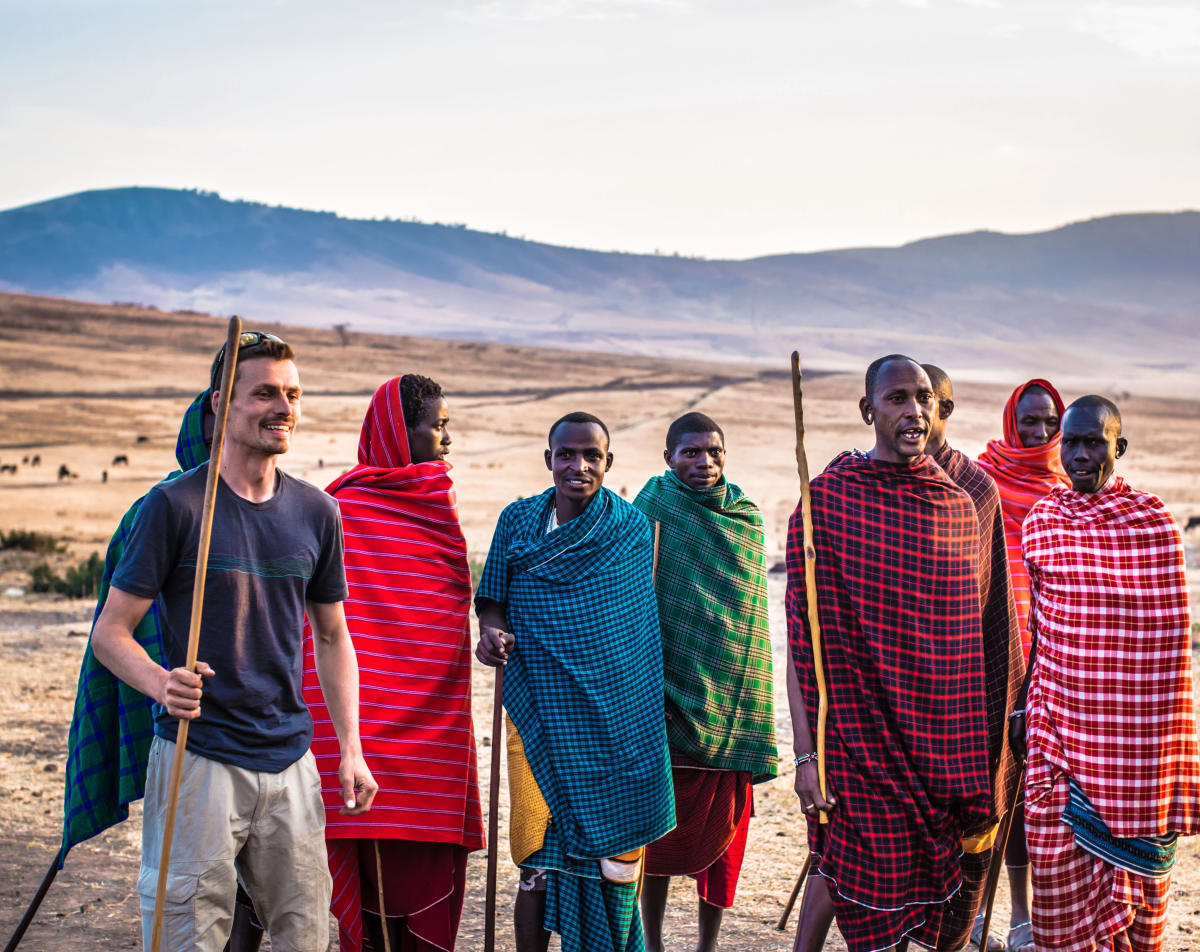
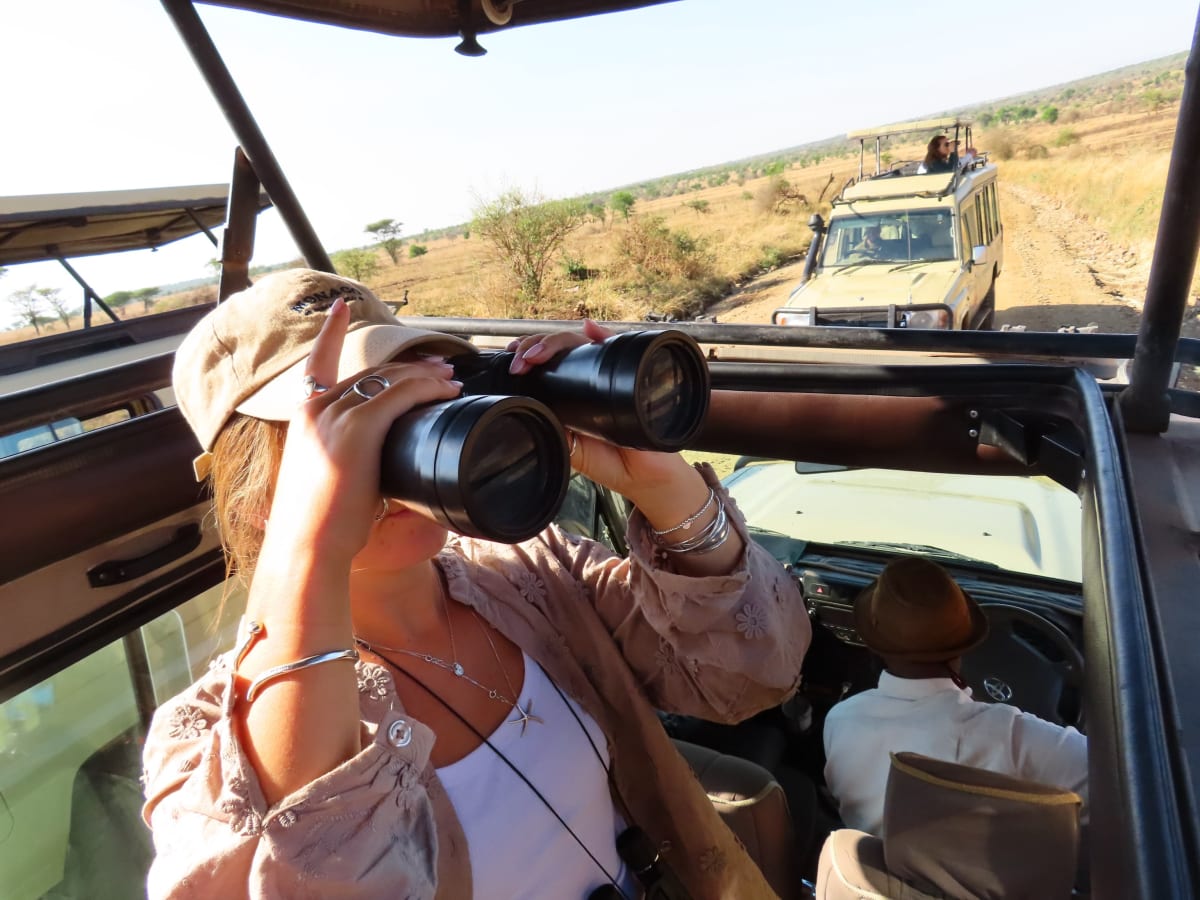
Many climbers add a safari after the descent, when the legs need rest and the days are slower. The routes we list combine the mountain with Tarangire, Ngorongoro and a Maasai visit. For a pure climb, the shorter 4-day Kilimanjaro hiking tour shows a lower-height option. Read Serengeti vs Ngorongoro to choose your safari parks.
What Is a Day on the Mountain Like?
The rhythm is the same on every route. You wake around 6:00 to hot tea and washing water at your tent. Breakfast is porridge, eggs or toast. You start walking by 7:30 or 8:00 at a slow, steady pace, with your guide setting the speed and a few rest stops. Lunch is served on the trail or at camp. You arrive at the next camp by early to mid-afternoon, wash, rest and drink tea. Dinner is served at around 6:00, with a briefing from your guide about the next day and a health check. You are in your sleeping bag by 8:00 or 9:00.
The days are short and repetitive. The rhythm is what protects your body, and it is the reason longer routes work better.
Who Works on the Mountain With You?
A climb needs a crew far larger than the group. A lead guide and one or two assistant guides look after safety and pace. Porters carry tents, food, water and your main bag, and a cook prepares meals. A typical team has three to four crew members for every climber. The welfare of the crew matters: ask your operator how they are paid, how much weight they carry and what equipment they receive. A responsible operator answers these questions without hesitation. Tipping at the end of the climb is customary and forms a real part of crew income.
What Fitness and Training Do You Need?
You do not need to be an athlete, but you need to be in good health and used to walking for hours. Begin training at least two months before the climb. Walk for two to four hours several times a week, include hills and stairs and do at least two long days with a daypack in the boots you will wear. Strength work for the legs and core helps. On the mountain, you will walk slowly, so endurance matters more than speed. Visit a doctor for a check-up and ask about altitude medicine.
What Kit Do You Need, and What Can You Rent?
The essential items are broken-in waterproof boots, a warm sleeping bag, thermal layers, a down jacket, a waterproof jacket and trousers, hats, gloves, a headlamp, trekking poles and a daypack. Many climbers rent the bulkiest items, such as the sleeping bag, jacket and poles, to save space and cost. Buy boots and base layers, since fit matters. Pack in soft duffel bags, with a waterproof liner. Read what to pack for a Tanzania safari for the safari clothes you will also need.
How Does a Climb Fit With a Safari?
Most climbers do the mountain first, then rest on safari. After six or seven days of camping, a lodge bed and a vehicle feel luxurious. The sequence is also practical because fitness and altitude medicine suit the climb, and the safari has no physical demands. See the 12-day Kilimanjaro hike and Tanzania wildlife safari and the 12-day Kilimanjaro hiking and Maasai cultural tour for routes built this way.
Who Is Each Route Best For?
Best for Lemosho or Machame (seven days)
- First-time climbers who want the best balance of scenery and safety
- Walkers who like variety and accept camping
Kann nicht ideal sein für
- Travellers who want a hut-only climb, who should look at Marangu
- Anyone with only five days, who should consider whether the odds suit them
What Mistakes Do Climbers Make?
- Choosing the cheapest short route. A failed summit costs more.
- Ignoring altitude medicine. Talk to a doctor before you go.
- Underestimating cold. Summit night is far below freezing.
- Skipping training. Walk for several hours with a daypack before you go.
Frequently Asked Questions About Kilimanjaro Routes
Brauche ich einen Guide?
Yes. Park rules require a licensed guide, and a crew carries the equipment.
Is Kilimanjaro technical?
No. It is a walk, though the Barranco Wall needs hands at times.
Can beginners climb it?
Yes, with preparation and a longer route.
What is the best route for families?
Ask us. Age rules and altitude make it a case-by-case decision.
What is the success rate on Kilimanjaro?
It varies by route and days. Longer routes with better acclimatisation have higher success rates, and no operator can promise the summit.
Do I need a guide for the Machame Route?
Yes. All routes require a licensed guide and crew under park rules.
Planung deiner Reise?
Tell us your days, your month and your experience, and we will recommend a route and a safari to follow it. Talk to Our Tour Specialist, or see the Tanzania destination page.