The best national parks in South Africa are Kruger for the Big Five, Addo Elephant for elephants and coast, Table Mountain for the city and the sea, the Garden Route for forests and lagoons, Kgalagadi for desert wilderness, iSimangaliso for wetlands and Hluhluwe-iMfolozi for rhinos. South Africa has twenty-odd national parks, and the country also offers hundreds of private reserves. The park system is well managed and easy to travel, which makes it a good place for a first African safari.
This guide describes the main parks, what each is best for and how national parks compare with private reserves.
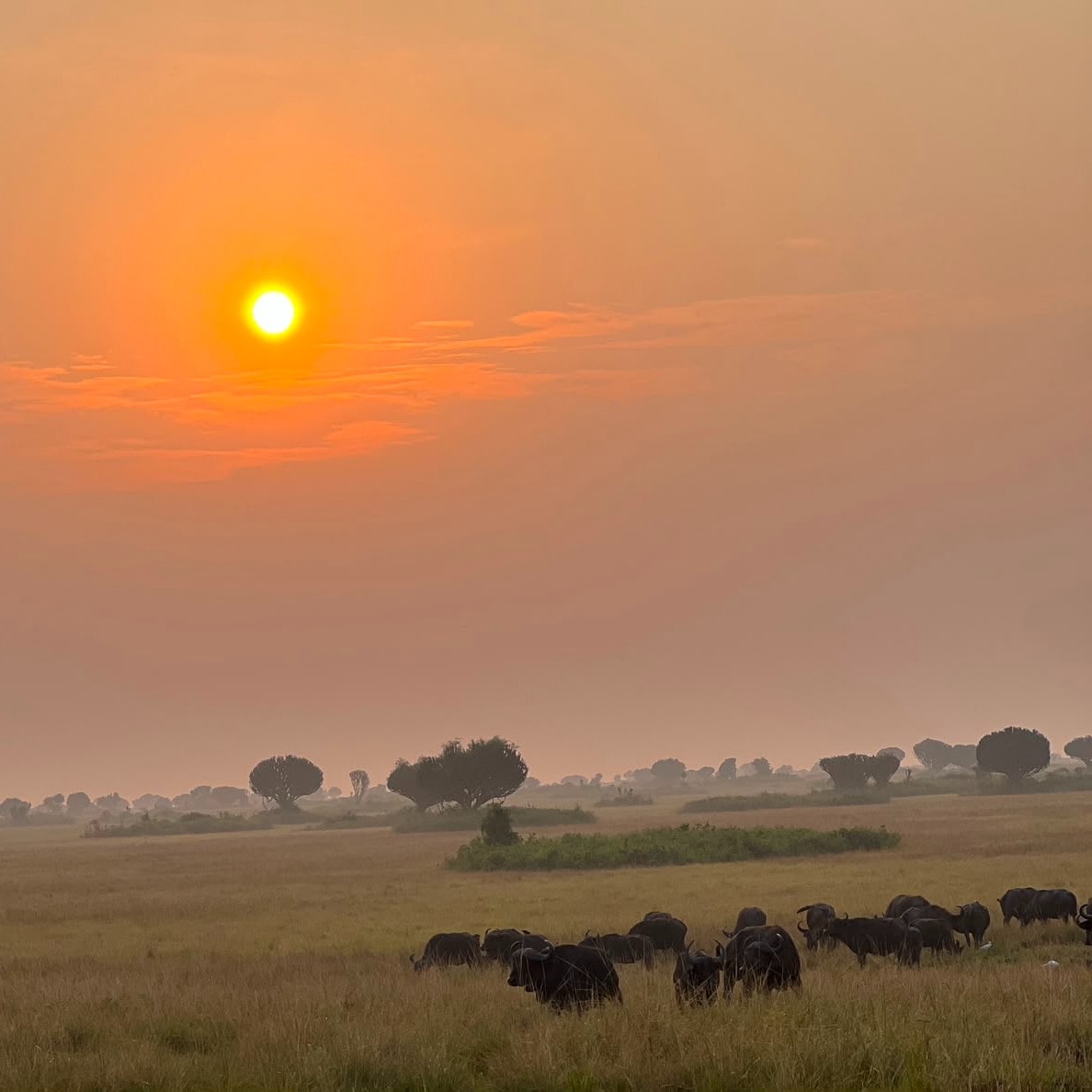
Kruger National Park: Best for the Big Five
Kruger is South Africa's flagship, covering nearly two million hectares in the north-east. It protects lions, leopards, elephants, buffalo and rhinos, along with over 140 mammal species and about 500 species of birds. You can self-drive or go on guided drives. The south is busier and better for game viewing, and the north is wilder. Read where the best park for the Big Five in South Africa is, and see the 4-day Kruger National Park Big Five safari.
Private Reserves Beside Kruger: Best for Close Viewing
Reserves such as Sabi Sands share an open boundary with Kruger, and they offer off-road driving, night drives and walking safaris with guides and trackers. They cost more than the national park and give closer sightings, especially of leopards. Read how much a luxury Kruger safari costs and the best time to visit Sabi Sands.
Addo Elephant National Park: Best for Elephants and the Coast
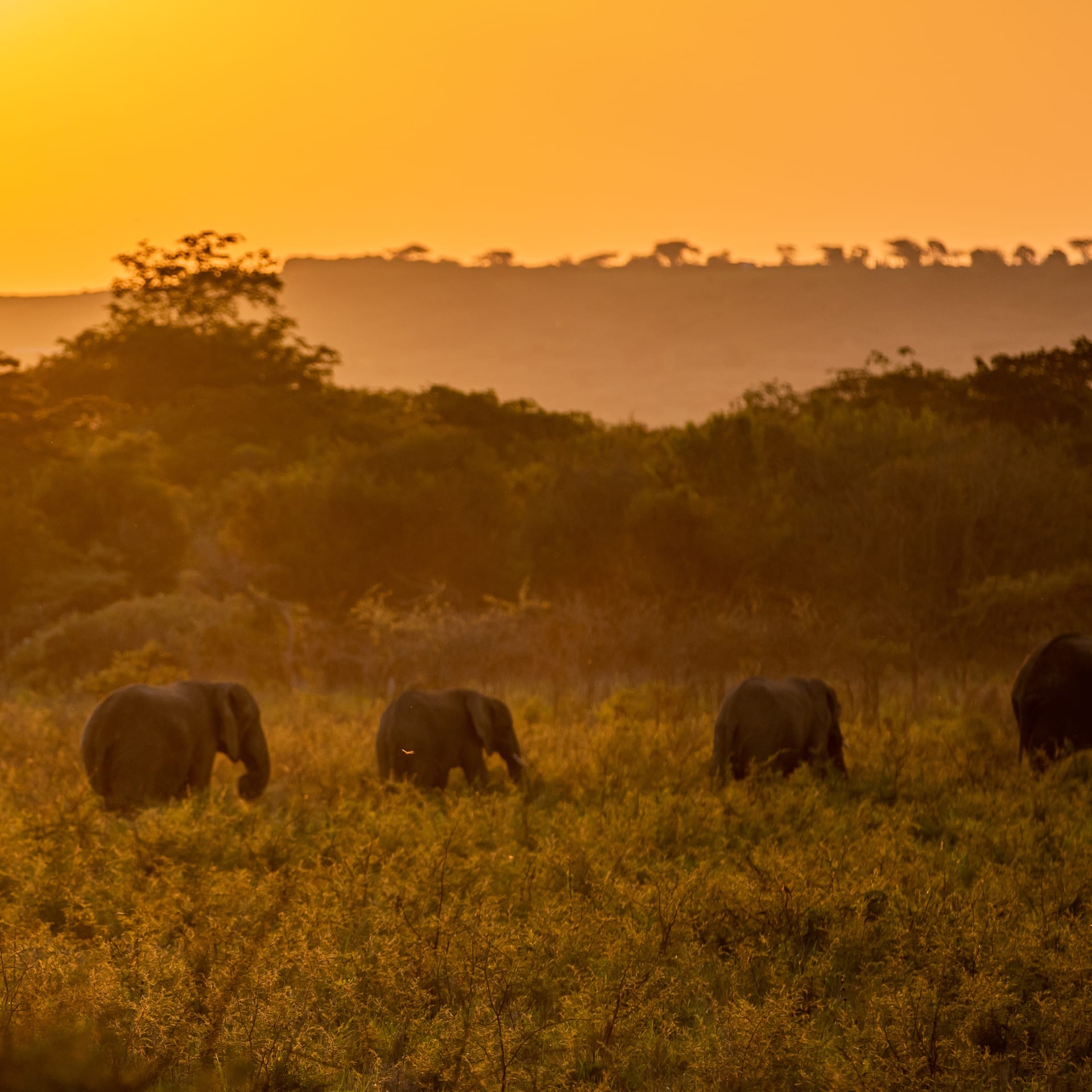
Addo, near Gqeberha in the Eastern Cape, protects hundreds of elephants and a growing range of other animals, including lions and rhinos, with a marine section along the coast. It is malaria-free, which suits families, and it fits well with the Garden Route.
Table Mountain National Park: Best for Scenery and the Cape
This park stretches along the Cape Peninsula from Table Mountain to Cape Point. It is a mountain, a coastline and a rare plant kingdom in one, with penguins at Boulders Beach and wildlife such as baboons, antelope and birds. Read can you combine a Cape Town city tour with a safari.
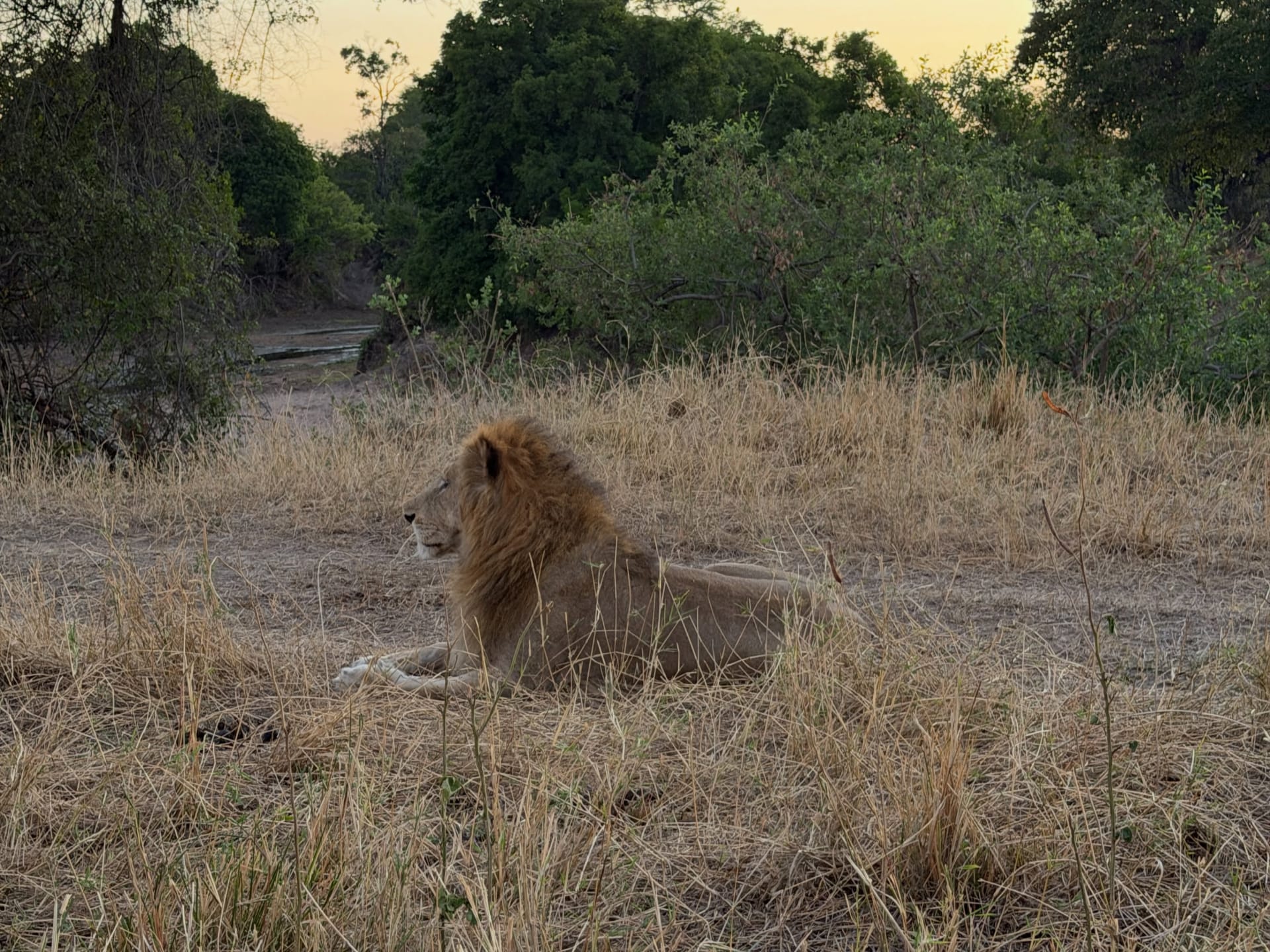
Garden Route National Park: Best for Forests and Lagoons
Along the south coast, the park includes the Tsitsikamma coast, Knysna lagoon and the Wilderness lakes, with forest walks, rivers and sea views. It is a scenic stop for those who want nature without Big Five safaris. See the 5-day Garden Route adventure.
Kgalagadi Transfrontier Park: Best for Desert Wilderness
In the far north-west, Kgalagadi shares a border with Botswana and has red dunes, dry riverbeds and large predators, including black-maned lions and cheetahs. It is remote and demanding, and it suits self-reliant travellers with a 4x4.
iSimangaliso and Hluhluwe-iMfolozi: Best for Wetlands and Rhinos
In KwaZulu-Natal, iSimangaliso is a World Heritage Site of estuaries, beaches and reefs, and Hluhluwe-iMfolozi is Africa's oldest proclaimed reserve, famous for rhino conservation. Together they make a coastal and bush trip. Read the best things to do in iSimangaliso Wetland Park and how to combine it with a Big Five safari.
How Do National Parks Compare With Private Reserves?
National parks are larger, cheaper per day and open to self-drive. You stay on the roads, and vehicles can crowd a sighting. Private reserves are smaller, more expensive and exclusive, with guided drives, off-road access and fewer vehicles. Choose national parks for value and independence, and private reserves for close wildlife and comfort. Many trips mix the two.
Which Park Suits Which Traveller?
Am besten für
- First-time visitors: Kruger and a private reserve
- Families: Addo and malaria-free reserves
- Scenery lovers: Table Mountain and the Garden Route
Kann nicht ideal sein für
- Travellers with only three days, who should pick one region
Should You Self-Drive or Take a Guided Safari?
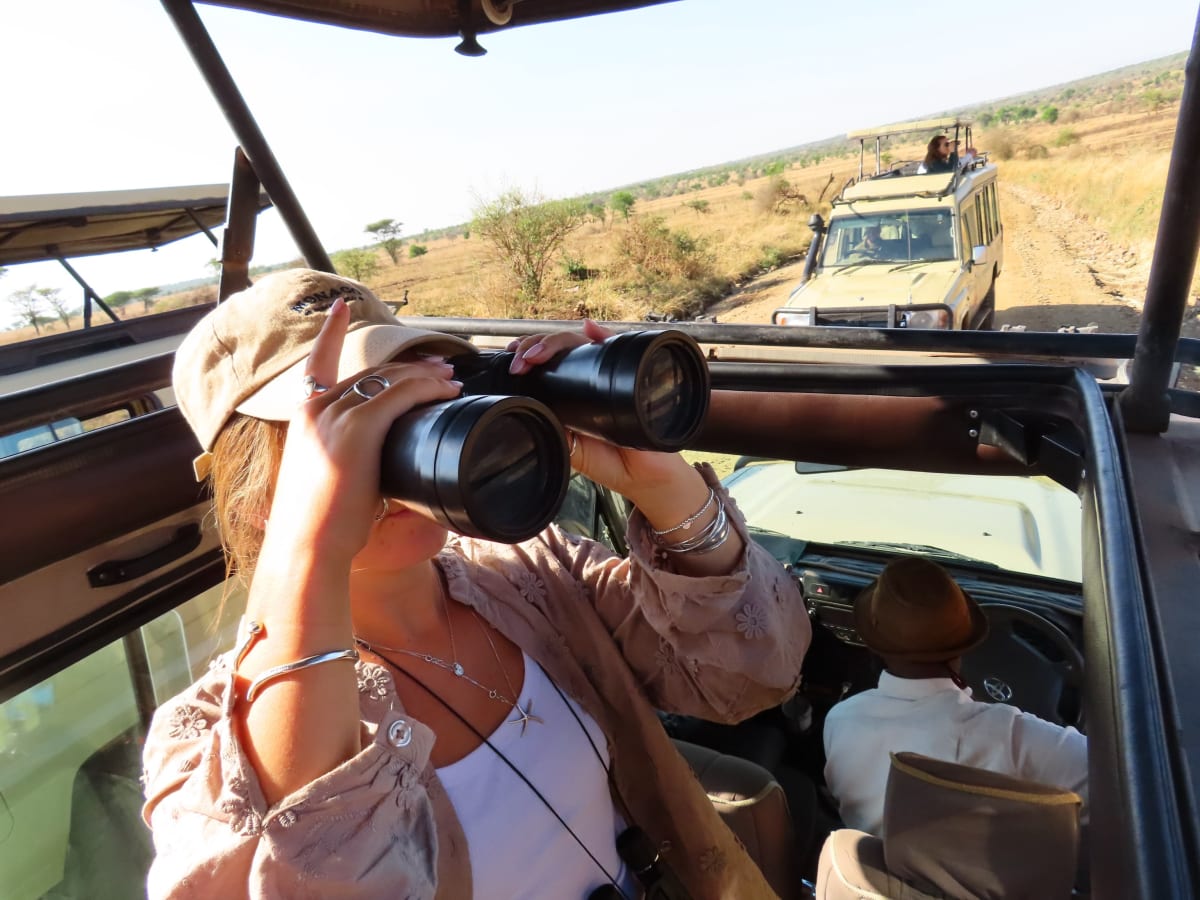
South Africa is one of the few safari countries where self-driving is easy. Kruger and many other parks have paved and gravel roads, marked rest camps and clear rules. Self-driving gives you freedom and costs less, and you set your own pace. A guided drive gives you a trained eye: guides read tracks, hear alarm calls and know where predators rest, so you see more. For a first visit, many travellers combine the two: a few days of self-drive in the park and a few nights at a private reserve with guided drives.
If you drive yourself, gates open at sunrise and close at sunset, speed limits are low, and you must stay in your vehicle outside designated areas. Allow time to reach camp before closing.
How Do Park Fees and Bookings Work?
National parks charge a daily conservation fee per person and per vehicle, and the fee is higher for international visitors than for South African residents. Camps and lodges inside the park book out months ahead for the school holidays and the winter peak. Some visitors buy a multi-park pass if they plan to visit several parks, which can lower the cost over a long trip. Private reserves charge nightly rates that include drives and meals. Prices change each year, so we confirm them in your quote.
Where Is Malaria a Concern?
Kruger, the lowveld private reserves and the north of KwaZulu-Natal are in malaria areas, with a lower risk in the dry winter months. Addo Elephant Park, the Garden Route, Table Mountain and many reserves in the Eastern and Western Cape are malaria-free. Families with young children often choose a malaria-free area. Speak to a doctor or travel clinic about prevention well before you travel, and carry repellent and long sleeves for the evening.
What Does a Ten-Day Route Look Like?
A balanced plan runs from the Cape to the bush. Spend three or four nights in Cape Town and the Winelands, with a day in Table Mountain National Park and the Cape Peninsula. Fly to the Kruger region for three or four nights at a private reserve. Add a night in Johannesburg for the flight home. The 10-day South Africa Big Five safari and historic Cape follows this pattern, with Robben Island and Soweto added for history, and the 8-day South Africa Big Five safari is a shorter version.
Was du vor deiner Reise wissen solltest?
South Africa is easy to travel, with a few points worth knowing. The country uses plug type M, a large three-round-pin plug, so bring an adapter. Tipping is customary: guides, trackers and lodge staff expect gratuities, and many visitors tip about ten percent in restaurants. Credit cards are widely accepted. Tap water is safe to drink in most cities. Distances are large, and domestic flights save time between regions. In the bush, follow your guide's instructions, since the animals are wild.
Winter days in the bush are mild, and early mornings are cold, while Cape Town can be windy and wet in winter. Pack layers. Read what to pack for a Sabi Sands safari for a detailed list, and the visa guide for entry rules.
Which Parks Are Best in Winter and Which in Summer?
Kruger and the lowveld reserves are best in the dry winter, from May to September, when animals gather at water. Cape Town and Table Mountain are at their best from November to March. The Garden Route is pleasant all year, though winter brings more rain. iSimangaliso is hot and busy in summer, and whales pass in winter. Kgalagadi is best from April to October for comfortable temperatures. Pair parks in a way that matches the season, so that each is at its best.
How Do You Travel Responsibly in the Parks?
Keep to the roads, respect speed limits and never feed animals. Do not leave rubbish. Use water carefully, especially in dry regions. Choose operators and lodges that employ local people and support community projects. Ask about conservation work, such as anti-poaching units and rhino protection, and consider a donation to a reputable programme. Travel carefully, and the parks will stay in good condition for the next visitors.
Welche Fehler machen Reisende?
- Trying to see everything. Distances are large.
- Ignoring malaria zones. Ask a doctor.
- Self-driving without planning. Gate times matter.
- Expecting private-reserve sightings in a national park. They differ.
Frequently Asked Questions About South Africa's Parks
Which park is best for the Big Five?
Kruger and its neighbouring private reserves.
Which parks are malaria-free?
Addo and some reserves in the Eastern and Western Cape.
Can I self-drive?
Yes in Kruger and many parks. Guided drives give more.
Wann ist die beste Reisezeit?
Winter, May to September, for wildlife in the north.
Is it better to stay inside Kruger or in a private reserve?
Inside the park, rest camps are cheaper and you can self-drive. In a private reserve, you get guided off-road drives and closer sightings at a higher price. Many travellers do both.
Are South African parks safe for self-drive?
Yes, with sensible rules: stay in the vehicle, keep to the speed limit and reach camp before the gates close. A guided trip removes the planning.
Planung deiner Reise?
Tell us your interests and dates, and we will choose the parks and the reserves. Talk to Our Tour Specialist, or see the South Africa destination page.